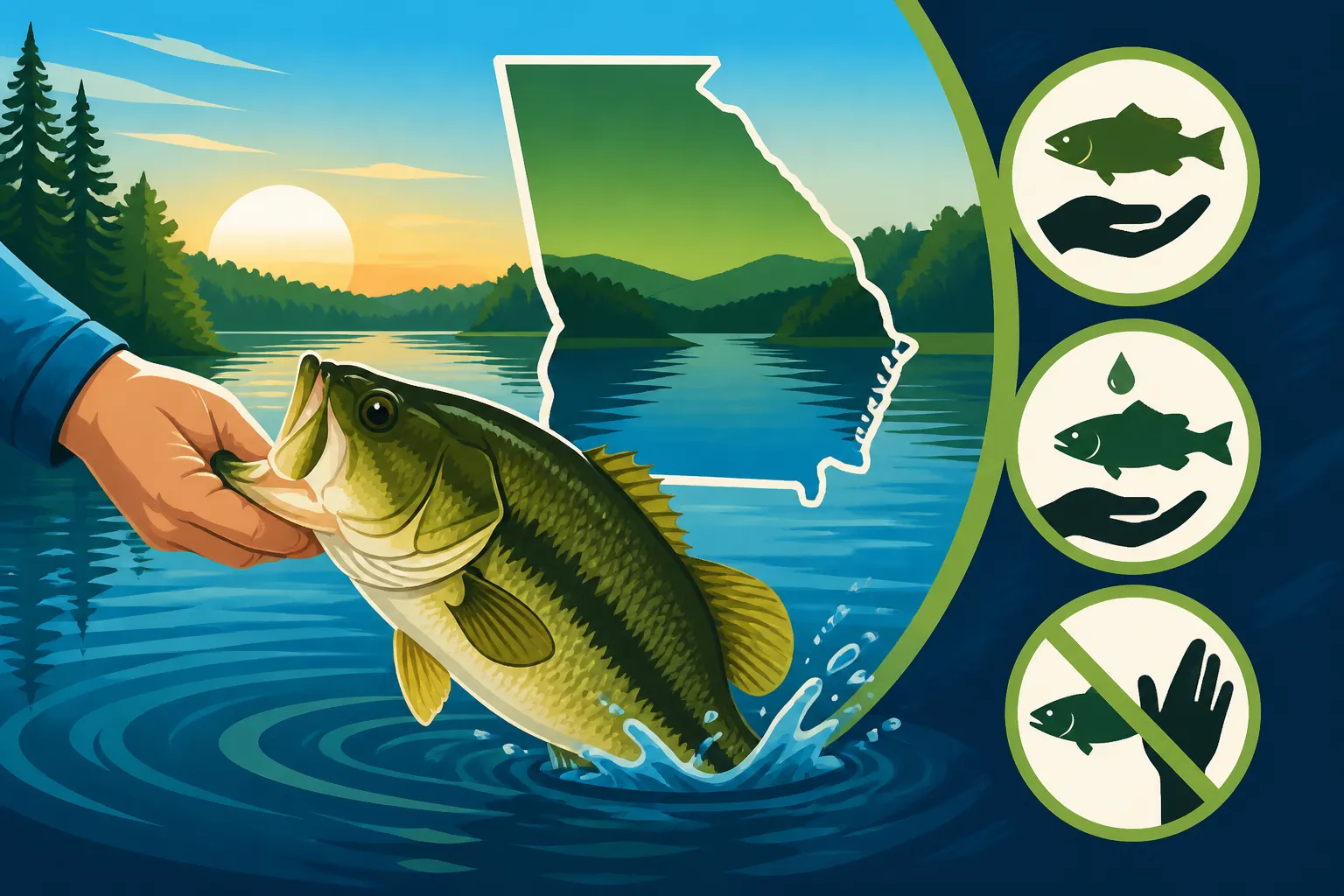
Lake Lindsay Grace catch-and-release bass rules
It can be incredibly frustrating to arrive at a beautiful fishing spot, only to feel uncertain about the specific rules that apply there. Many anglers find themselves scratching their heads when faced with unique lake-specific regulations, especially when they differ from the statewide norms. This comprehensive guide is here to clear up all the confusion surrounding the special catch-and-release bass rules at Lake Lindsay Grace, helping you understand not just what to do, but why these rules are so important.
Understanding the Unique Bass Slot Limit at Lake Lindsay Grace
When you pull up to Lake Lindsay Grace, nestled in the scenic Ocmulgee Public Fishing Area, you're not just dealing with the standard Georgia statewide bass limits. This particular lake has a very specific and critical regulation designed to manage its bass population for trophy potential and overall health. It’s a bit different, and that's why it often causes a moment of pause for even seasoned anglers.
The 15- to 22-Inch Protected Slot
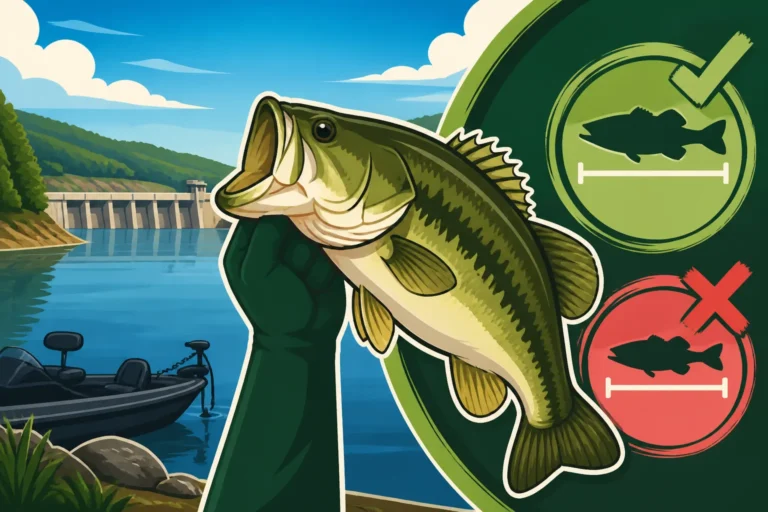
The most crucial rule at Lake Lindsay Grace is its protective slot limit for largemouth bass. This means that any largemouth bass you catch that measures between 15 and 22 inches in length must be immediately released back into the water. This isn't just a suggestion; it's a strict regulation. So, if you land a beautiful bass that stretches 17 inches on your measuring board, you have to let it go right away.
The idea behind this slot limit is to protect a certain size class of fish, allowing them to grow larger and contribute to the breeding population. These middle-sized fish are often the healthiest and most reproductively viable. By ensuring they can't be harvested, the Georgia Department of Natural Resources (DNR) helps cultivate a stronger, more robust fishery. It’s a long-term investment in the lake's ecological balance and its ability to produce impressive catches for years to come.
The "Keep" and "Release" Parameters
While the 15-22 inch slot must be released, that doesn't mean you can't keep any bass at all. Anglers are allowed to keep up to five largemouth bass per day. However, there's a catch: of those five, only one can be over 22 inches long. The other four must be under 15 inches. This setup is pretty specific and can feel like a puzzle at first glance, but it's all part of the management strategy.
Think of it this way: you can take home smaller bass, which often helps thin out the population of younger fish, reducing competition for food and space. This allows the remaining fish, especially those protected in the slot, to grow more efficiently. And if you're lucky enough to land a true monster over 22 inches, you can keep one of those as a trophy. It’s a system that balances recreational harvest with conservation goals. Many anglers rely on accurate fish measuring boards, easily found on platforms like Amazon, to quickly and safely determine if their catch falls within the legal parameters.
Here's a quick table to help clarify the daily creel and size limits at Lake Lindsay Grace:
| Bass Length Category | Action for Angler | Daily Limit | Rationale |
|---|---|---|---|
| Under 15 inches | Can be kept | Up to 4 | Reduces competition among smaller fish, allowing others to grow larger. |
| 15 to 22 inches | Must be released | 0 | Protects prime breeding and growing stock to enhance trophy potential and overall fishery health. |
| Over 22 inches | Can be kept | 1 | Allows for the harvest of a trophy fish, while still prioritizing the protection of the slot limit fish. |
| Total Daily Limit | 5 bass | Overall harvest controlled to maintain a sustainable population. |
Why Lake Lindsay Grace Has Special Regulations
It's natural to wonder why some lakes have rules that are different from the general Georgia largemouth bass daily creel limit. The truth is, not all bodies of water are created equal, and what works for one lake might not work for another. Lake Lindsay Grace is a prime example of a water body where a tailored approach to fishery management is absolutely essential.
Targeted Trophy Management
The primary reason for the unique slot limit at Lake Lindsay Grace is to foster a trophy bass fishery. The Georgia DNR and its biologists have carefully studied the lake's ecosystem, its fish population dynamics, and its potential. They determined that by protecting bass within that 15-22 inch range, they could significantly increase the number of larger, older bass in the lake. These are the fish that every angler dreams of catching – the true giants that give you a fight to remember.
This kind of management strategy isn't just about making anglers happy; it's based on solid biological principles. When you remove too many fish of a certain size, you can inadvertently impact the overall age structure and genetic diversity of the population. By allowing these mid-sized bass to mature, they become crucial breeders, passing on their genes for growth and resilience to the next generation, ultimately leading to more big bass for everyone. This is part of why Lake Lindsay Grace has a special bass slot limit, making it unique among Georgia's waters.
Balancing Ecology and Angler Opportunity
Managing a fishery is a delicate balancing act. On one hand, you want to provide ample opportunities for anglers to enjoy their sport and bring home a meal. On the other, you have a responsibility to ensure the long-term health and sustainability of the fish population and the ecosystem it inhabits. The rules at Lake Lindsay Grace are a direct reflection of this balance.
By allowing anglers to keep smaller bass (under 15 inches), it prevents overpopulation of juvenile fish, which can stunt growth for all bass if food resources become scarce. These smaller fish are often plentiful and provide an enjoyable catch for many. Simultaneously, allowing one large bass over 22 inches recognizes the desire for a trophy, but limits it just enough to keep those truly exceptional fish from being depleted. It's about maintaining a healthy fish density where all bass have a better chance to thrive and grow, rather than being overcrowded or overfished. This approach highlights how bass fishing size limits by lake can vary significantly across Georgia.
Practical Tips for Fishing Lake Lindsay Grace
Fishing with specific regulations like those at Lake Lindsay Grace requires a little extra care and attention, but it’s entirely manageable and ultimately contributes to a better fishing experience for everyone. Adapting your approach will not only ensure you're compliant with the rules but also help you practice good conservation.
Mastering Catch-and-Release Techniques
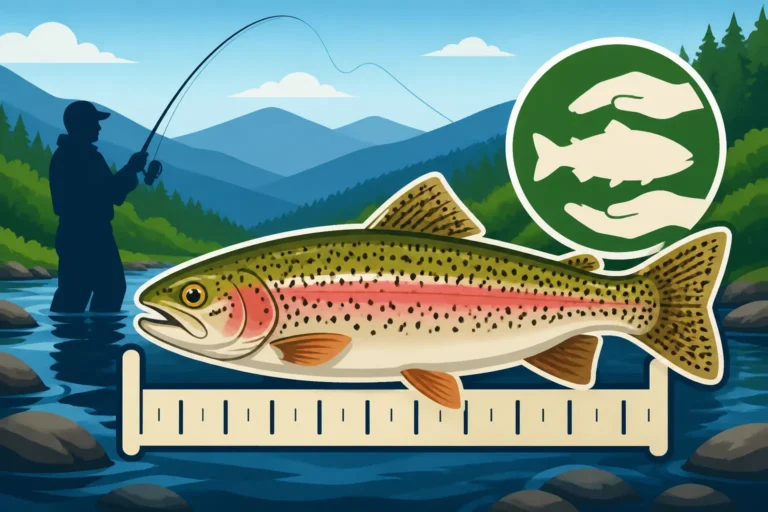
Since a significant portion of the bass you catch at Lake Lindsay Grace will need to be released, it’s absolutely vital to brush up on your catch-and-release skills. The goal is to return these fish to the water in the best possible condition, ready to grow even bigger.
Here are a few key practices:
- Minimize Handling Time: The less time a fish spends out of water, the better. Have your camera ready, but prioritize getting the fish back quickly.
- Wet Your Hands: Always wet your hands before touching a fish. Dry hands can remove the fish's protective slime coat, making it vulnerable to disease.
- Support the Fish Properly: When holding a bass, support its body horizontally, especially if it's a larger fish. Avoid holding it vertically by the jaw for extended periods, as this can damage its internal organs or jaw structure.
- Use Barbless Hooks or De-Barbed Hooks: These make hook removal much easier and quicker, reducing stress and injury to the fish. Many anglers modify their hooks with pliers before heading out.
- Invest in the Right Tools: A good pair of needle-nose pliers or a dehooker can quickly remove hooks. A soft, knotless rubber landing net helps protect the fish's fins and slime coat during landing. You can find excellent options for these on Amazon.
- Revive the Fish: If a fish seems sluggish before release, hold it gently in the water, facing into a current if possible, and allow water to flow over its gills until it swims away under its own power. For more general advice, consider techniques similar to How to Catch and Release Trout Properly, which apply well to bass too.
Recommended Gear and Measurement Practices
Having the right gear makes adhering to the Lake Lindsay Grace rules much easier. A reliable measuring device is non-negotiable.
- Measuring Board: A sturdy, flat measuring board is ideal. It allows you to quickly and accurately measure your catch without excessive handling. Look for ones that float or can be securely attached to your boat or kayak. Many popular brands are available on Amazon, often featuring easy-to-read markings.
- Appropriate Tackle: While not directly tied to catch-and-release, using tackle appropriate for the size of bass in the lake helps you land fish more efficiently, reducing fight time and stress. A medium-heavy rod and reel combo, like what you might consider as the Best Rod and Reel Combo for Largemouth Bass in Georgia, is a good starting point.
- Keep a Cooler Handy: If you plan on keeping any legal bass (under 15 inches or that single fish over 22 inches), make sure you have a cooler with ice to keep your catch fresh. A good quality Best Cooler for a Fishing Boat can make all the difference.
Always remember that fishing regulations, whether statewide or lake-specific, are put in place to protect the resource. By understanding and following the rules for Lake Lindsay Grace, you're not just avoiding a potential Penalties for Fishing Without a License in Georgia situation; you're actively contributing to the health and vitality of a special fishery that provides excellent angling opportunities. It's a small effort that yields huge rewards for generations of anglers to come.
The Only Bass Slot Limit Lake in Georgia
It’s worth noting that Lake Lindsay Grace holds a unique distinction as Georgia's only lake with a specific bass slot limit like this. This makes it a fascinating case study in fishery management and a special destination for anglers who appreciate the effort put into cultivating larger bass. Its unique status truly sets it apart when comparing Georgia's only bass slot limit lake to other fishing destinations in the state.
Ensuring the Health of the Fishery for Future Generations
The rules at Lake Lindsay Grace aren't just about today's catch; they're a proactive step to ensure incredible fishing opportunities for years to come. When anglers embrace these conservation-focused regulations, everyone benefits. It's a testament to how responsible fishing can directly impact the quality of our natural resources.
The Role of Anglers in Conservation
Every time you visit Lake Lindsay Grace, your actions have an impact. By carefully handling and releasing those protected slot limit bass, you're becoming an active participant in conservation. It's about more than just avoiding a fine; it's about respecting the fish and the habitat. Educating yourself and fellow anglers on these specific regulations helps reinforce their importance. Imagine the thrill of knowing that the 18-inch bass you carefully released might be the 24-inch trophy someone catches next year!
This mindful approach extends beyond just the bass themselves. It includes being aware of your surroundings, properly disposing of trash, and adhering to all general Georgia Fishing Regulations Explained. Our collective efforts are what sustain these fisheries.
Long-Term Benefits of Specialized Management
The specialized management at Lake Lindsay Grace provides several long-term benefits. Not only does it help increase the average size of bass in the lake, but it can also lead to more consistent fishing overall. When a fishery is healthy, fish populations are more stable and resilient to environmental changes. This kind of hands-on management allows biologists to adapt strategies based on scientific data, continually striving for the best possible outcomes for both the fish and the angling community. It’s an investment in a sustainable future, ensuring that the joy of catching a Georgia bass remains a cherished experience.
Disclaimer
The information provided in this guide is for general informational purposes only and is subject to change. Anglers are always responsible for checking the most current regulations directly with the Georgia Department of Natural Resources (DNR) before fishing.