Can you keep a bass over 22 inches at Lake Lindsay Grace?
Figuring out the exact fishing regulations for every single lake in Georgia can feel like trying to untangle a particularly stubborn fishing line. One moment you think you've got it, and the next, a special rule for a specific body of water throws a wrench in your plans. Many anglers often wonder about the specific bass regulations at Lake Lindsay Grace, especially concerning those impressive trophy-sized fish. This guide is here to untangle that line for you, specifically addressing whether you can keep a bass over 22 inches from Lake Lindsay Grace and why these unique rules exist.
Understanding Georgia's Bass Regulations at Lake Lindsay Grace
Georgia has a wide array of fishing opportunities, from vast reservoirs to intimate ponds, and with that comes a diverse set of regulations. While many waters follow a general rule, certain locations, like Lake Lindsay Grace, have very specific management goals that necessitate unique rules. It’s crucial for every angler to understand these nuances before casting a line.
The Statewide Largemouth Bass Rule
For the vast majority of Georgia's public waters, the rules for largemouth bass are fairly straightforward. Generally, anglers are allowed a daily creel limit of 10 largemouth bass per person. What's often overlooked, or rather, not specifically stated, is that for most of these waters, there isn't an explicit minimum or maximum size limit within that creel limit. This means that if you catch ten bass, you can keep any ten, regardless of their length, as long as you adhere to the daily limit. This applies to countless lakes and rivers across the state, making it a familiar standard for many Georgia anglers.
This general freedom to keep bass of most sizes is a common expectation, and it's why encountering a lake with special regulations can be so confusing. You get used to a certain way of doing things, and then you arrive at a specific spot, like Lake Lindsay Grace, and suddenly the playbook changes. It's not always intuitive to remember that local rules can override statewide guidelines, but that's precisely why destinations with unique management strategies require a bit of extra homework. It's all about managing the fishery for specific outcomes, whether that's promoting overall health or cultivating trophy fish. If you're looking for a broader overview, our guide on Georgia Largemouth Bass Daily Creel Limit can provide more context on general rules.
The Special Slot Limit at Lake Lindsay Grace
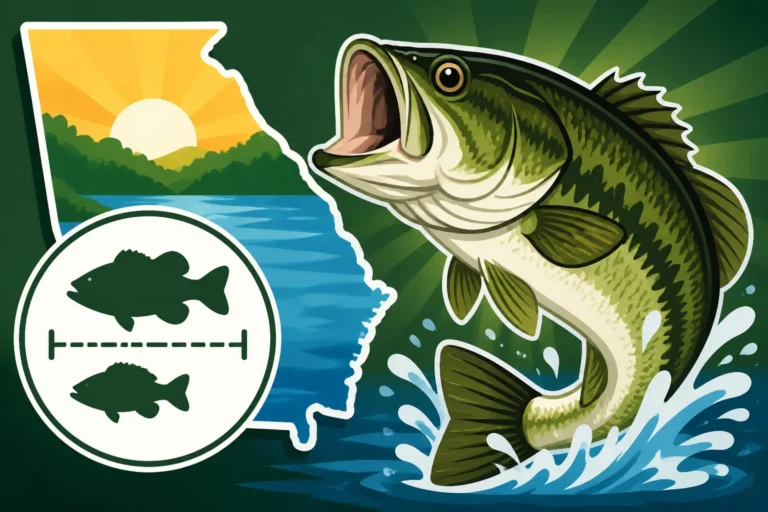
Now, let's talk about Lake Lindsay Grace, a place managed with a specific goal in mind: creating a trophy bass fishery. To achieve this, the Georgia Department of Natural Resources has implemented a special slot limit regulation for largemouth bass here. This isn't just a suggestion; it's a strict rule that anglers must follow. Specifically, the regulation states that all bass measuring between 15 and 22 inches in length must be immediately released. This means if you catch a bass that falls anywhere within that 15 to 22-inch range, you are legally required to put it back into the water as quickly and gently as possible.
This particular slot limit is designed to protect a very specific segment of the bass population. Fish within this "slot" are considered the future of the lake's trophy potential. They've grown past the smaller, more numerous sizes and are now in a prime stage for significant growth. By protecting them, the hope is that these fish will continue to thrive and eventually grow beyond the 22-inch mark, becoming true giants. This creates a unique fishing experience, where anglers need to be vigilant about measuring their catch and adhering strictly to the release requirements. Understanding these specifics is key to enjoying a successful and legal fishing trip to this unique lake. For a deeper dive into why some lakes have different rules, you might find our article on Why Does Lake Lanier Have a 14-inch Bass Minimum? insightful, as it touches on similar management philosophies.
What Does This Mean for Bass Over 22 Inches?
The critical question for many anglers heading to Lake Lindsay Grace is what happens when you land that truly massive fish. Given the 15 to 22-inch protected slot, where do the really big ones fit in? This is where the beauty of this specific regulation truly shines for trophy hunters.
The "Trophy Fish" Exception
To directly answer the burning question: Yes, if you catch a largemouth bass at Lake Lindsay Grace that measures over 22 inches in length, you are permitted to keep it, provided you stay within your daily creel limit. This is the "trophy fish" exception built into the slot limit. The entire purpose of protecting bass in the 15-22 inch range is to allow them to mature and grow into these larger, trophy-sized specimens. Once they hit that 22+ inch mark, they're considered to have achieved their full growth potential within this management strategy, and anglers are then rewarded for their patience and skill.
Imagine the excitement of battling a monster bass, carefully bringing it to the boat, and then stretching it out on your measuring board only to see it push past the 22-inch mark, maybe even hitting 24 or 25 inches! In many other lakes, you might have to choose to release a fish of that size to conserve the population, but at Lake Lindsay Grace, catching one that big means you have the option to take it home as a true trophy. This provides a tangible reward for targeting a fishery specifically managed for big fish, making the experience even more thrilling. This concept of cultivating massive fish is a core part of the lake's allure, and it's why many dedicated anglers make the trip.
Daily Creel Limits with the Slot Rule
Even with the special slot limit, the statewide daily creel limit of 10 largemouth bass still applies at Lake Lindsay Grace. The key is understanding how this limit interacts with the slot regulation. You can keep a total of 10 bass per day, but those 10 fish must either be under 15 inches or over 22 inches. No fish within the 15-22 inch protected slot can count towards your creel limit – they must be released.
So, let's break this down with a few scenarios. You could keep ten bass, each measuring 14 inches. Or, you could keep one bass that's a whopping 24 inches, and nine other bass that are all under 15 inches. What you cannot do is keep any fish that fall into that 15 to 22-inch range. This means you need to be constantly aware of the size of every bass you catch. It's not just about the number; it's about the length, too. This dual consideration makes fishing at Lake Lindsay Grace a unique challenge that rewards careful attention to the rules. If you're interested in other specific rules, our Georgia Fish Size and Creel Limits guide offers comprehensive details on various species across the state.
Here’s a quick summary of the Lake Lindsay Grace bass regulations:
| Bass Length | Action Allowed | Notes |
|---|---|---|
| Less than 15 inches | Keep (up to daily limit of 10) | These are typically smaller bass, good for harvest to reduce competition. |
| 15 to 22 inches | Must be immediately released | This is the protected slot, crucial for growing future trophy fish. |
| Greater than 22 inches | Keep (up to daily limit of 10, combined with <15" fish) | These are the trophy fish, the reward for the lake's management. |
Why Does Lake Lindsay Grace Have a Special Slot Limit?
Understanding the "why" behind specific regulations can really help anglers appreciate and respect the rules. It's not just about restricting catches; it's about thoughtful management for the health and future of the fishery. Lake Lindsay Grace's unique slot limit is a prime example of this proactive approach.
Promoting Trophy Bass Fisheries
The primary reason for the slot limit at Lake Lindsay Grace is to cultivate and maintain a premier trophy bass fishery. Think about it: every angler dreams of catching a true giant, a fish of a lifetime. Achieving this consistently in a lake requires specific conditions and management strategies. By implementing a slot limit that protects bass in the 15 to 22-inch range, the Georgia Wildlife Resources Division (WRD) is essentially giving these fish a "free pass" to grow larger. When you remove smaller, more numerous bass (those under 15 inches), it reduces competition for food and space. This allows the remaining bass, especially those in the protected slot, to grow faster and healthier, increasing their chances of reaching that coveted 22+ inch mark.
This management technique has proven incredibly effective in creating exceptional fishing opportunities. It's a long-term investment in the fishery, ensuring that there's always a strong population of mature, potential trophy bass swimming in the lake. Anglers who visit Lake Lindsay Grace are often looking for that big bite, and this regulation is directly tailored to fulfill that expectation. It truly sets the lake apart as a destination for serious bass enthusiasts hoping to land a lunker. If you're interested in finding other spots for big bass, our comprehensive guide to Georgia's Best Lakes for Fishing can point you in the right direction.
Balancing Harvest and Conservation
While the goal is trophy fish, the slot limit also strikes a delicate balance between allowing anglers to harvest fish and ensuring long-term conservation. It's not a complete catch-and-release program, nor is it a free-for-all. By permitting the harvest of smaller bass (under 15 inches), the WRD helps prevent overpopulation of smaller, less desirable fish. An abundance of small bass can lead to stunted growth across the entire population due to fierce competition for resources. So, keeping some of the smaller fish actually benefits the overall health and growth potential of the larger bass.
Then, by allowing anglers to keep fish over 22 inches, the regulation provides a rewarding experience for those who successfully target and land a true trophy. This selective harvest encourages participation and provides a tangible reward for responsible angling. It's a smart, dynamic way to manage a fishery, allowing natural processes to flourish while still providing excellent angling opportunities. This careful balance ensures that Lake Lindsay Grace remains a thriving environment for bass and an exciting destination for anglers for years to come. Understanding these specific strategies for different bodies of water is essential, and you can learn more about general management practices in our Georgia Fishing Regulations Explained article.
Practical Tips for Fishing Lake Lindsay Grace with the Slot Limit
Navigating a special regulation like Lake Lindsay Grace's slot limit can be a bit different from your usual fishing trip. To make sure you have a successful and compliant day on the water, a few practical considerations will go a long way. It's all about being prepared and knowing what to do when that fish hits your line.
Measuring Your Catch Accurately
The absolute first thing you need to have with you when fishing Lake Lindsay Grace is a reliable and accurate measuring device. There’s no room for guesswork here. A simple tape measure or, even better, a "bump board" (a specialized measuring device with an upright end for the fish's nose) is essential. When you catch a bass, immediately place it on the measuring device with its mouth closed against the bump end. Make sure the fish is lying flat and its tail is compressed. You'll measure to the tip of the tail (forked tail measurement is sometimes used but less common for bass; generally, it's total length).
Having a quick and easy way to measure means less stress on the fish and a clearer understanding of whether it falls into the protected slot. Imagine the frustration of catching a beautiful bass, only to realize you can’t confidently tell if it’s 14.5 inches (keep) or 15.5 inches (release). That few seconds of fumbling can stress the fish. A good quality, clearly marked measuring board, perhaps even one purchased from a reliable vendor like Amazon, can make all the difference. Practice measuring a few times at home with a ruler or piece of wood so you’re ready when the real deal bites. Remember, incorrect measurement could lead to accidentally keeping a protected fish, which carries penalties.
Proper Catch and Release Techniques
Because a significant portion of your catch at Lake Lindsay Grace will likely fall into that 15-22 inch protected slot, mastering proper catch and release techniques is not just good practice—it's absolutely critical for the health of the fishery. Every fish released within that slot is a potential trophy of tomorrow. Minimize the fight time to avoid exhausting the fish. Once landed, handle the bass as little as possible. If you must touch it, wet your hands first to protect its delicate slime coat, which is vital for disease resistance.
Have your de-hooking tools (pliers or forceps) ready to quickly remove the hook. Avoid excessive squeezing, especially around the belly or gills. If the fish is deeply hooked, sometimes it's better to cut the line as close to the hook as possible rather than tearing the fish's throat trying to retrieve it. When releasing, hold the fish gently upright in the water until it regains its strength and can swim away on its own. Especially during warmer months, bass can be more susceptible to stress, so quick, gentle handling is paramount. Doing your part to ensure these protected bass survive and thrive is a contribution to the trophy fishery that makes Lake Lindsay Grace so special. To learn more about responsible fishing, check out our article on How to Catch and Release Trout Properly, as many of the same principles apply to bass.
Disclaimer
Please remember that fishing regulations, including creel limits and size restrictions, can change. It is always the angler's responsibility to check the most current regulations published by the Georgia Department of Natural Resources (DNR) or the local management agency before fishing any body of water. This guide provides general information and should not be considered a substitute for official legal guidelines.