Senior Fishing License Rules in Georgia
It can be incredibly frustrating trying to figure out the rules for fishing licenses, especially when you've reached those golden years and expect things to be a little simpler. Many senior anglers in Georgia find themselves confused by changing regulations, wondering if they still need a license, what type, or if their years of contribution finally mean a free pass. This comprehensive guide is here to untangle all the intricacies of senior fishing license rules in Georgia, ensuring you spend less time scratching your head and more time casting your line.
Understanding Georgia's Senior Fishing License Landscape
For years, many seniors in Georgia enjoyed the simplicity of fishing without a license, a well-deserved perk for a lifetime of hard work. However, the landscape has shifted, and not all seniors automatically qualify for a free ride anymore. It's a common point of confusion and sometimes even a bit of a shock when someone who's always fished freely suddenly finds they need to purchase a license. The key really boils down to your birthdate and how long you've called Georgia home. These details determine which category of senior angler you fall into and what your options are for staying legal on the water.
The Nuances of Senior Eligibility: Age and Residency
First and foremost, eligibility for senior fishing benefits in Georgia hinges on two primary factors: your age and your residency status. You must be a legal resident of Georgia to qualify for any of the state's special senior fishing license programs. This means you've established permanent domicile in the state, often reflected by your driver's license or voter registration. If you're visiting Georgia from another state, even if you meet the age requirements for a senior license in your home state, you'll still be considered a nonresident here. Nonresident senior options are different and typically involve purchasing a short-term or annual nonresident license, which unfortunately doesn't offer the same generous benefits as for Georgia residents.
The age component is where things get a bit more specific. While many states offer senior benefits starting at 60 or 62, Georgia's primary senior license programs kick in at age 65. However, there's a very specific grandfather clause related to birthdates that grants some seniors an even better deal. We'll delve into that critical date in the next section, but for now, remember that turning 65 is the general threshold for qualifying for any special senior license, with a very specific exception for those born much earlier. Without meeting these residency and age criteria, you'll simply fall under the general adult licensing requirements, which means a standard annual or short-term license for residents or nonresidents.
Why Senior Licenses Aren't Always "Free"
The biggest misconception we hear is that all seniors fish for free in Georgia. While a truly free, lifetime fishing license does exist for a specific group of senior residents, it's not a universal benefit. This misunderstanding often leads to frustration and, occasionally, even unintentional violations. The Georgia Department of Natural Resources (DNR) updated its licensing structure over time, recognizing the need for consistent funding to support critical conservation efforts, fish stocking programs, and habitat management across the state. These programs benefit all anglers, young and old, ensuring healthy fisheries for future generations.
So, when a senior angler born after a certain date is told they need to pay for a license, it's not meant to be a punishment. Instead, it's part of a broader system designed to sustain the very resources we all enjoy. Think of it as a small contribution to keep Georgia's lakes and rivers teeming with fish. While it might feel like a new hurdle, understanding the "why" behind these rules can make the process a bit more palatable. Plus, even the paid senior options are significantly discounted compared to what younger anglers or nonresidents pay, still offering a substantial benefit for long-time Georgia residents.
The Different Tiers of Senior Angler Benefits
Georgia's senior fishing license system isn't a one-size-fits-all approach; it actually operates on a few different tiers, primarily determined by your birth year. The most coveted tier is the truly free, comprehensive lifetime license, but this is reserved for a specific group. For those who don't qualify for that, there are still excellent, deeply discounted options once you reach age 65. These options ensure that while you might need to pay a small fee, it's still far less than what a younger adult would pay.
Here’s a quick overview of the tiers, which we’ll expand upon later:
- Free Lifetime Sportsman's License: This is the ultimate prize, offering hunting, fishing, and big game privileges for life, completely free of charge. However, strict eligibility requirements apply, most notably a birthdate before a specific cutoff.
- Paid Lifetime Sportsman's License (Ages 65+): If you're a Georgia resident and 65 or older but don't meet the criteria for the free lifetime license, you can purchase a lifetime sportsman's license at a significantly reduced rate. This is an incredible value, providing all the same comprehensive privileges as the free version, just with a one-time fee.
- Annual Senior License (Ages 65+): For seniors aged 65 and over who prefer not to commit to a lifetime license, or perhaps don't need all the bells and whistles of a sportsman's license, there's a very affordable annual senior fishing license. This covers basic freshwater and saltwater fishing for a full year.
Understanding these tiers from the outset is crucial for determining which license applies to you and what steps you'll need to take to acquire it. It's not as simple as "senior gets free license" anymore, but the benefits are still substantial for those who qualify.
Who Qualifies for a Free Senior Lifetime Sportsman's License in Georgia
This is the holy grail for many senior anglers in Georgia: the completely free, lifetime license that covers not just fishing, but hunting and big game privileges too. It sounds too good to be true, and for most, it is. This specific license is a legacy benefit, designed to honor long-time residents born before a certain date. If you're one of these fortunate individuals, you're set for life on Georgia's waters and lands. However, the eligibility is very precise, and missing it by even a day means you'll fall into a different category.
The Critical July 1, 1952, Cutoff Date
The single most important piece of information for any senior seeking a free fishing license in Georgia is their birthdate relative to July 1, 1952. If you are a Georgia resident and were born on or before July 1, 1952, congratulations! You are eligible for the free Senior Lifetime Sportsman's License. This cutoff date was established as part of legislation aimed at updating the state's conservation funding models while honoring the commitment of an older generation of anglers and hunters. It’s not just about turning 65; it's about being 65 and born before this specific mid-century mark.
Many people hear "senior license" and automatically assume a blanket free pass, but this particular date is what differentiates the truly free license from the deeply discounted ones. If your birthday is July 2, 1952, or any day after that, unfortunately, you do not qualify for this specific free license, even if you are now well over 65. This precise rule can be a source of bewilderment for some, especially those who narrowly miss the cut, but it's a firm line drawn in the sand by the Georgia Department of Natural Resources. This rule is clearly outlined in the official Georgia Fishing Regulations Explained, which is always worth a look.
Proving Your Eligibility with Documentation
Even if you meet the birthdate criteria, you can't just walk into a sporting goods store and declare your age. The Georgia Department of Natural Resources (DNR) requires proof of eligibility to issue your free Senior Lifetime Sportsman's License. This typically involves presenting a valid Georgia driver's license or state-issued ID card that clearly shows your birthdate and confirms your residency. In some cases, if your ID doesn't reflect your current Georgia residency (for example, if you just moved to the state but meet the birthdate), you might need additional documentation, like utility bills, voter registration, or property deeds, to prove you are a legitimate Georgia resident.
It's always a good idea to contact the Georgia Wildlife Resources Division or check their official website before heading out to an authorized license agent. They can provide the most up-to-date list of acceptable documents and clarify any specific situations. Planning ahead ensures a smooth process and avoids a wasted trip. Remember, the goal is to confirm both your age and your resident status to ensure you truly qualify for this special, complimentary license.
What This Free License Covers And Doesn't
The free Senior Lifetime Sportsman's License is remarkably comprehensive. For those lucky enough to qualify, it covers:
- Statewide Fishing: This includes both freshwater and saltwater fishing in Georgia's public waters. You won't need a separate basic fishing license.
- Hunting: All statewide hunting privileges are included.
- Big Game and Waterfowl: This means you don't need additional endorsements for big game hunting (like deer or turkey) or for hunting waterfowl.
- Mountain Trout License: Crucially, this lifetime license also includes the Mountain Trout License, which is typically an add-on required for fishing in designated trout streams in North Georgia. This saves you from having to purchase that additional permit separately.
Essentially, it's an all-in-one pass for nearly every hunting and fishing activity in the state. However, it's important to note what it doesn't cover. While it's incredibly broad, it doesn't exempt you from federal stamps, such as the Federal Duck Stamp, which is required for hunting migratory waterfowl nationwide. Additionally, if you plan on participating in certain federal wildlife refuges or specific private lands that have their own access fees or permits, those would still be separate. For the vast majority of recreational fishing and hunting in Georgia, though, this license has you covered. It's truly a fantastic benefit for those who qualify, simplifying compliance and encouraging continued outdoor activity.
Exploring Options for Seniors Born After July 1, 1952
If you're a Georgia resident and you were born after that specific July 1, 1952, cutoff date, don't despair! While you won't qualify for the free lifetime license, the state still offers incredibly generous and deeply discounted options for seniors once you reach age 65. These licenses are designed to recognize your contribution to the community and make it affordable for you to continue enjoying Georgia's incredible natural resources. It’s a significant saving compared to what younger adults pay, reflecting a continued appreciation for our elder anglers.
The Lifetime Sportsman's License for Older Seniors (Ages 65+)
For Georgia residents aged 65 and older who were born after July 1, 1952, the Lifetime Sportsman's License remains an exceptional value. While it's not free, the one-time cost is significantly reduced and covers all the same privileges as the free version for life. This means comprehensive fishing (freshwater and saltwater), hunting, and all necessary state endorsements like the Mountain Trout License. Think of it as investing in a lifetime of outdoor enjoyment for a fraction of what you'd pay over many years for annual licenses. Many seniors find this to be the most convenient and cost-effective option in the long run, as it eliminates the need to remember annual renewals or deal with changing prices.
The process for acquiring this license is similar to the free version in terms of documentation needed to prove age and residency. You'll still need your Georgia driver's license or state ID. The key difference, of course, is the payment. However, once that one-time payment is made, you're set for good, never needing to worry about a Georgia fishing license again (barring federal stamps or special access permits). It’s a set-it-and-forget-it solution that provides immense peace of mind, allowing you to focus on planning your next fishing trip to Lake Lanier or a quiet afternoon along the Flint River.
Understanding the Annual Senior License (Ages 65+)
If the idea of a one-time lifetime payment doesn't quite fit your budget or your plans, Georgia also offers an Annual Senior Fishing License for residents aged 65 and older. This is a basic fishing license that covers both freshwater and saltwater fishing for a full calendar year. It's a fantastic, low-cost option if you only plan to fish occasionally, or if you prefer the flexibility of paying year-to-year. The price point for this annual license is extremely affordable, making it accessible to virtually all senior anglers.
It's important to understand that this annual license is fishing-only. Unlike the Lifetime Sportsman's License, it does not include hunting privileges or endorsements like the Mountain Trout License. If you plan on fishing for trout in designated mountain streams, you would need to purchase a separate Mountain Trout License add-on. Similarly, while it covers basic saltwater fishing, you'll still need to acquire the free Georgia Saltwater Information Permit, which is required for all saltwater anglers regardless of license type. This annual option offers simplicity and affordability for those focused solely on general fishing, allowing you to enjoy the state's beautiful waters without a significant upfront investment.
Comparing Costs and Coverage for Paid Senior Options
To help you decide which paid senior license is best for you, let's break down the options in a clear, easy-to-understand table. This comparison focuses on Georgia residents aged 65 and older who do not qualify for the free lifetime license.
| License Type | Eligibility (Georgia Residents) | Cost | Covered Activities (State) | Renewal Required? | Additional Permits Often Needed |
|---|---|---|---|---|---|
| Lifetime Sportsman's (65+) | Born after July 1, 1952, age 65+ | One-time reduced fee (approx. $70) | All fishing (fresh/salt), all hunting, big game, migratory bird, mountain trout add-on | No | Federal Duck Stamp (if applicable) |
| Annual Senior Fishing (65+) | Born after July 1, 1952, age 65+ | Annual reduced fee (approx. $4) | Basic fishing (freshwater & saltwater) | Yes, annually | Mountain Trout License, GA Saltwater Information Permit, Federal Duck Stamp (if applicable for hunting) |
Note: Costs are approximate and subject to change. Always check the Georgia DNR website for current pricing.
As you can see, the Lifetime Sportsman's License (65+) offers incredible value if you participate in multiple outdoor activities or plan to fish for many more years. The one-time fee essentially pays for itself quickly, especially when you consider the cost of annual licenses and add-ons like the Mountain Trout License. For example, if you fish for trout every year, that add-on alone is typically a few dollars. Over many years, those small costs add up. The Annual Senior Fishing License is perfect for the casual angler who might only wet a line a few times a year and wants the absolute lowest yearly outlay. Both are excellent choices, it simply depends on your personal fishing and hunting habits. For those interested in the broader range of costs and types of licenses, our Georgia Fishing License Costs and Types guide provides a complete breakdown.
Getting Your Georgia Senior Fishing License: Step-by-Step
Navigating the process of obtaining or renewing a fishing license can sometimes feel like a chore, even for seasoned anglers. Thankfully, the Georgia Department of Natural Resources (DNR) has made it fairly straightforward to get your senior fishing license, whether it's the free lifetime option or one of the paid, discounted versions. Knowing your options for application and what documents to bring will save you time and hassle, getting you on the water faster.
Online, Phone, or In-Person: Choosing Your Method
The Georgia DNR offers several convenient ways to acquire your senior fishing license, catering to different preferences and accessibility needs.
- Online: For many, the easiest way to purchase an annual or paid lifetime license is directly through the official Go Outdoors Georgia website. You can create an account, enter your personal details, select the appropriate senior license, and complete the transaction with a credit card. It’s quick, available 24/7, and you can usually print a temporary license immediately. This method is particularly convenient for those comfortable with technology and wanting to avoid a trip to a physical location.
- By Phone: If you prefer to speak with a person or have questions during the application process, you can call the Georgia DNR customer service line. Their friendly staff can walk you through the steps, answer your questions, and process your license purchase over the phone. This is a great option if you have specific inquiries about your eligibility or documentation.
- In-Person: Many anglers, especially those applying for the free lifetime license or who prefer a face-to-face interaction, choose to visit a licensed agent. These agents are often found in sporting goods stores like those that might carry brands like Amazon fishing gear, bait shops, Walmart, or county probate courts. An agent can verify your documents, help you fill out the application, and issue your license on the spot. This is the only way to apply for the free Senior Lifetime Sportsman's License, as proof of birthdate (pre-July 1, 1952) and residency must be verified in person.
Choosing the right method depends on your license type and personal comfort level. For those applying for the free lifetime license, an in-person visit is mandatory. For all other senior licenses, the choice is yours, offering flexibility to suit your schedule. Our guide on How to Get a Fishing License in Georgia provides more general information on these purchasing methods.
Required Documents for Application
Regardless of which senior license you're applying for or how you're applying, you'll need to have certain documents ready to prove your eligibility. The most critical pieces of identification typically include:
- Valid Georgia Driver's License or State-Issued ID Card: This is paramount. It serves as proof of both your age and your Georgia residency. Ensure it's current and clearly displays your birthdate.
- Social Security Number (SSN): While not always explicitly asked for upfront at an agent, your SSN is linked to your customer profile in the Go Outdoors Georgia system and is often required for official state registrations.
- Proof of Georgia Residency (if your ID is new or doesn't fully reflect it): In some cases, if your ID doesn't unequivocally establish your residency (e.g., you recently moved to Georgia and haven't updated your driver's license yet), you might be asked for supplementary documents. These could include a utility bill (electricity, water, gas) in your name at your Georgia address, a voter registration card, or a property tax statement. This is more common for those seeking the free lifetime license where residency requirements are strictly enforced.
For the free Senior Lifetime Sportsman's License, the in-person verification of your birthdate (pre-July 1, 1952) and Georgia residency is non-negotiable. The license agent will review your identification thoroughly to ensure you meet all criteria. For paid annual or lifetime licenses for seniors, the process is generally simpler, primarily relying on your valid Georgia ID to confirm age 65+ and residency.
Renewing Your Senior Fishing Privileges
For those who opt for the Annual Senior Fishing License, remember that it needs to be renewed each year. Unlike the lifetime options, this license is only valid for a specific period. Fortunately, renewing it is usually even easier than the initial purchase.
- Online Renewal: The most popular method for renewal is online through the Go Outdoors Georgia website. You simply log into your existing account, and the system will prompt you to renew any expiring licenses. It's a quick click-and-pay process.
- Phone Renewal: You can also call the Georgia DNR customer service line to renew your annual senior license over the phone.
- In-Person Renewal: Any authorized license agent can also process your annual renewal. Just bring your ID, and they can look up your profile and issue the new license.
It's a good habit to check the expiration date on your license annually, perhaps marking it on your calendar or setting a reminder. The Georgia DNR typically sends out renewal notices, but it's ultimately the angler's responsibility to ensure their license is current. Fishing with an expired license, even unintentionally, can lead to penalties. If you're wondering how the renewal process works more generally, our How to Renew a Georgia Fishing License article dives into all the details.
Additional Endorsements and Permits for Georgia Seniors
While your senior fishing license covers the basics, Georgia has a few specific fisheries that require additional endorsements or permits. These aren't just for seniors; they apply to all anglers. It's crucial to be aware of them, especially if you have specific types of fishing in mind, such as chasing trout in the mountains or exploring the coastal waters. Ignoring these additional requirements could lead to a citation, even if your main senior license is valid.
The Mountain Trout License Add-On
If your fishing adventures take you to the cooler, pristine waters of North Georgia, specifically designated trout streams, you'll almost certainly need a Mountain Trout License. This is an add-on endorsement that is required in addition to your basic fishing license (or senior fishing license). It helps fund the robust trout stocking programs and habitat management that make Georgia a fantastic destination for trout fishing.
For seniors who hold the Free Lifetime Sportsman's License (born before July 1, 1952) or the Paid Lifetime Sportsman's License (65+), this add-on is already included. That's one of the significant advantages of these comprehensive lifetime options! However, if you have the Annual Senior Fishing License, you will need to purchase this Mountain Trout License separately. It's typically a low-cost annual endorsement, but it's non-negotiable for trout fishing in those specific waters. You can purchase it online, by phone, or from any authorized license agent at the same time you buy or renew your annual fishing license. Don't get caught without it if you're planning a trip to the Toccoa River or one of Georgia's other beautiful trout streams. For more specific details, check out Georgia Trout Fishing License Requirements.
The Free Saltwater Information Permit
For all anglers, including seniors, who venture into Georgia's coastal waters to fish for species like redfish, flounder, or sea trout, there's another important requirement: the Georgia Saltwater Information Permit (SIP). Here's the good news – it's completely free! However, it is mandatory. This permit isn't about collecting a fee; it's about collecting vital data. When you obtain the SIP, you provide contact information that allows the Georgia DNR and federal agencies to conduct angler surveys. These surveys are crucial for monitoring fish populations, understanding fishing effort, and making informed management decisions to ensure sustainable saltwater fisheries for everyone.
Even if you have the free or paid Lifetime Sportsman's License, or an Annual Senior Fishing License that states it covers saltwater, you still need to obtain this separate, free permit. It's a simple process, easily done online through the Go Outdoors Georgia website, by phone, or in person at a license agent. You only need to get it once, and it doesn't expire. Just make sure you have it before you hit the Golden Isles or any other part of Georgia's stunning coast. It's a small step that makes a big difference for marine conservation. You can find more details in our Georgia Saltwater Information Permit Explained article.
Special Considerations for Tournament Fishing
While most senior anglers enjoy a relaxed day on the water, some might still be actively involved in fishing tournaments. For general tournament fishing in Georgia, your standard valid senior fishing license (or appropriate lifetime license) is usually sufficient. However, there can be specific rules and regulations that apply to tournaments themselves, which are often set by the tournament organizers rather than the state DNR.
For instance, some large, professional-level tournaments might have their own entry fees, registration processes, or specific rules regarding boat inspections or livewell requirements. It's always best practice to thoroughly read the rules and regulations provided by the individual tournament director or organization before participating. If you are participating in a tournament that spans across state lines, like on reservoirs shared with Alabama or South Carolina, you'll need to be aware of fishing license reciprocity rules or potentially require licenses from both states. While your senior license handles Georgia, it doesn't automatically extend beyond state borders.
Common Misconceptions and Troubleshooting for Senior Anglers
Even with all the information out there, misunderstandings about fishing licenses, especially for seniors, persist. It's easy to get confused with changing rules, word-of-mouth information, or just forgetting a detail. Let's tackle some of the most common issues and provide clear guidance to keep you out of trouble and enjoying your time on the water.
"I've Always Fished for Free": Addressing Changes
This is perhaps the most common frustration we hear from senior anglers. For many decades, seniors in Georgia truly did fish for free, without any specific age or birthdate cutoff. This policy changed as part of broader conservation funding initiatives. The current system, with the July 1, 1952, birthdate cut-off for the free lifetime license, has been in place for a significant amount of time, but new anglers turning 65 each year may not be aware of it. It's a significant shift, and it’s understandable that it causes confusion.
If you're a Georgia resident born after July 1, 1952, and you've recently turned 65, you are now in the category that needs to purchase either the Paid Lifetime Sportsman's License (65+) or the Annual Senior Fishing License. This isn't an oversight or an error; it's the current law. The state aims to keep these options as affordable as possible for seniors, but they are no longer entirely free for this demographic. The revenue generated from these licenses goes directly back into managing and maintaining Georgia's fisheries, ensuring there are still plenty of fish for future generations to enjoy. It's a necessary change that helps preserve the very activity we all love.
What Happens if Your License Expires Mid-Season
If you have an Annual Senior Fishing License, it has a specific expiration date. Forgetting to renew it can happen to anyone, but fishing with an expired license, even by accident, is considered fishing without a license. This can lead to penalties, including fines and potentially even more serious consequences depending on the circumstances and your history of violations. The fines for fishing without a valid license in Georgia can vary, but they are often substantial enough to make you wish you'd taken five minutes to renew online.
The best way to avoid this is to be proactive. Mark your renewal date on your calendar, sign up for email reminders from the Georgia DNR, or simply make it a habit to check your license's validity at the start of each new year or fishing season. If you realize your license has expired while you're already out on the water, the safest course of action is to stop fishing immediately. If possible, try to renew it quickly online from your phone or by calling the DNR if you're in a spot with good reception. However, it's always better to ensure you're compliant before you cast your first line. For a deeper dive into the repercussions, you can read our article on Penalties for Fishing Without a License in Georgia.
Fishing License Reciprocity with Neighboring States
Georgia shares several waterways with its neighboring states, most notably the Savannah River with South Carolina, Lake Seminole with Florida, and the Chattahoochee River reservoirs with Alabama. For these shared boundary waters, a common question arises: "Does my Georgia senior fishing license work on the other side?" The answer, unfortunately, is often complex and varies by specific agreement.
In some cases, there are reciprocity agreements in place that allow a resident of one state to fish in portions of the shared waters with their home state's license. For example, there might be specific stretches of the Savannah River where a Georgia license is valid up to a certain point on the South Carolina side, and vice versa. However, these agreements are usually very specific, and they often do not extend to fishing from the bank on the neighboring state's actual land, or to tributaries within that state.
It is crucial to research the specific reciprocity agreements for the exact body of water you plan to fish if it borders another state. The Georgia DNR website usually has information on these agreements, or you can contact the wildlife agencies of both states involved. When in doubt, it is always safest to purchase a nonresident fishing license for the neighboring state if you plan to fish extensively in their waters. Your Georgia senior license is a fantastic benefit for Georgia, but its power rarely extends far beyond the state's official borders. For more general information, check out Fishing License Reciprocity for Georgia Anglers.
Benefits and Privileges of Senior Anglers in Georgia
Beyond the cost savings, being a senior angler in Georgia comes with a unique set of benefits and privileges that go beyond just holding a piece of paper. It's about access, contribution, and the invaluable role you play in the angling community. The state, through its licensing structure, aims to facilitate continued participation in fishing, recognizing the wisdom and passion that older generations bring to the sport.
Access to Georgia's Diverse Fisheries
With your valid senior fishing license, you gain access to the incredible diversity of Georgia's waterways. From the chilly, trout-filled streams of the North Georgia mountains, like the Toccoa River, to the vast freshwater reservoirs teeming with bass and crappie like Lake Lanier, Lake Oconee, or Clarks Hill Lake, down to the rich saltwater estuaries along the coast where redfish and sea trout thrive – it's all open to you. This access isn't just a right; it's an opportunity to explore, relax, and create lasting memories.
For seniors, who might have more flexible schedules, this means the freedom to fish during quieter weekdays, avoiding weekend crowds, or to embark on longer fishing trips that younger, working anglers might not be able to manage. Whether you prefer the peace of a small pond, the challenge of a large lake, or the excitement of coastal fishing, your senior license is your key to unlocking these experiences across the state. Remember, many great fishing spots, including numerous public fishing areas, are easily accessible by car, making them ideal for a relaxing day trip.
Contributing to Conservation Efforts
While the free lifetime license is a truly complimentary benefit, and the paid senior licenses are deeply discounted, every license issued plays a vital role in funding Georgia's conservation efforts. The money generated from license sales, even those small annual fees, goes directly back into programs that:
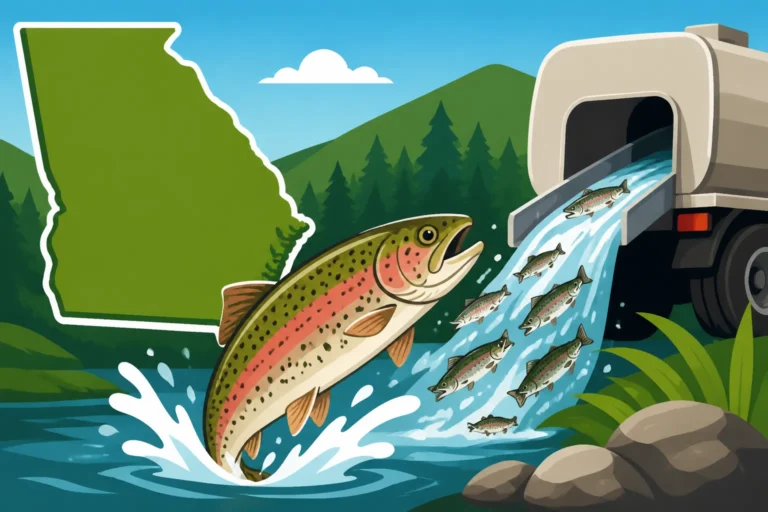
- Stock Fish: Billions of fish, including popular species like rainbow trout, bass, and crappie, are stocked annually across Georgia's waterways, ensuring healthy populations for anglers.
- Manage Habitats: Funds support projects to improve aquatic habitats, control invasive species, and maintain water quality.
- Enforce Regulations: Wildlife rangers, who protect our resources and ensure fair play, are funded through license sales.
- Provide Education: Programs that teach fishing ethics, techniques, and conservation to new and young anglers are also supported.
So, when you purchase or obtain your senior fishing license, you're not just buying permission to fish; you're actively contributing to the health and sustainability of the very resources you enjoy. It's a powerful way to give back to the sport that has likely brought you so much joy over the years. You're helping ensure that your grandchildren, and their grandchildren, will have vibrant fisheries to enjoy.
Passing Down the Legacy: Fishing with Grandkids
One of the most heartwarming aspects of senior angling is the opportunity to pass down a love for fishing to younger generations. Your senior fishing license not only permits you to fish but enables you to be an active participant in teaching grandkids, nieces, nephews, or other young family members the joys and skills of fishing. There's nothing quite like watching a child's face light up with their first catch, and as a senior angler, you have the patience and experience to guide them.
Remember, in Georgia, children under the age of 16 typically do not need a fishing license. This means you can take your young companions out without them needing their own permit, making it even easier to introduce them to the sport. Many seniors find gear for their grandchildren on platforms like Amazon, from simple rod and reel combos to beginner's tackle boxes. Sharing your knowledge of local fishing spots, teaching them how to tie a knot, or showing them the best bait to use creates invaluable bonding moments and instills an appreciation for nature. Your passion for fishing becomes a living legacy, passed down through generations, ensuring the angling tradition continues to thrive in Georgia.
Disclaimer
Please note that fishing regulations, license costs, and eligibility requirements are subject to change by the Georgia Department of Natural Resources. While every effort has been made to provide accurate and up-to-date information in this guide, it is always recommended to check the official Georgia DNR website (GoOutdoorsGeorgia.com) or contact their Wildlife Resources Division directly for the most current and authoritative details before purchasing a license or heading out to fish. This guide is for informational purposes only and should not be considered legal advice.