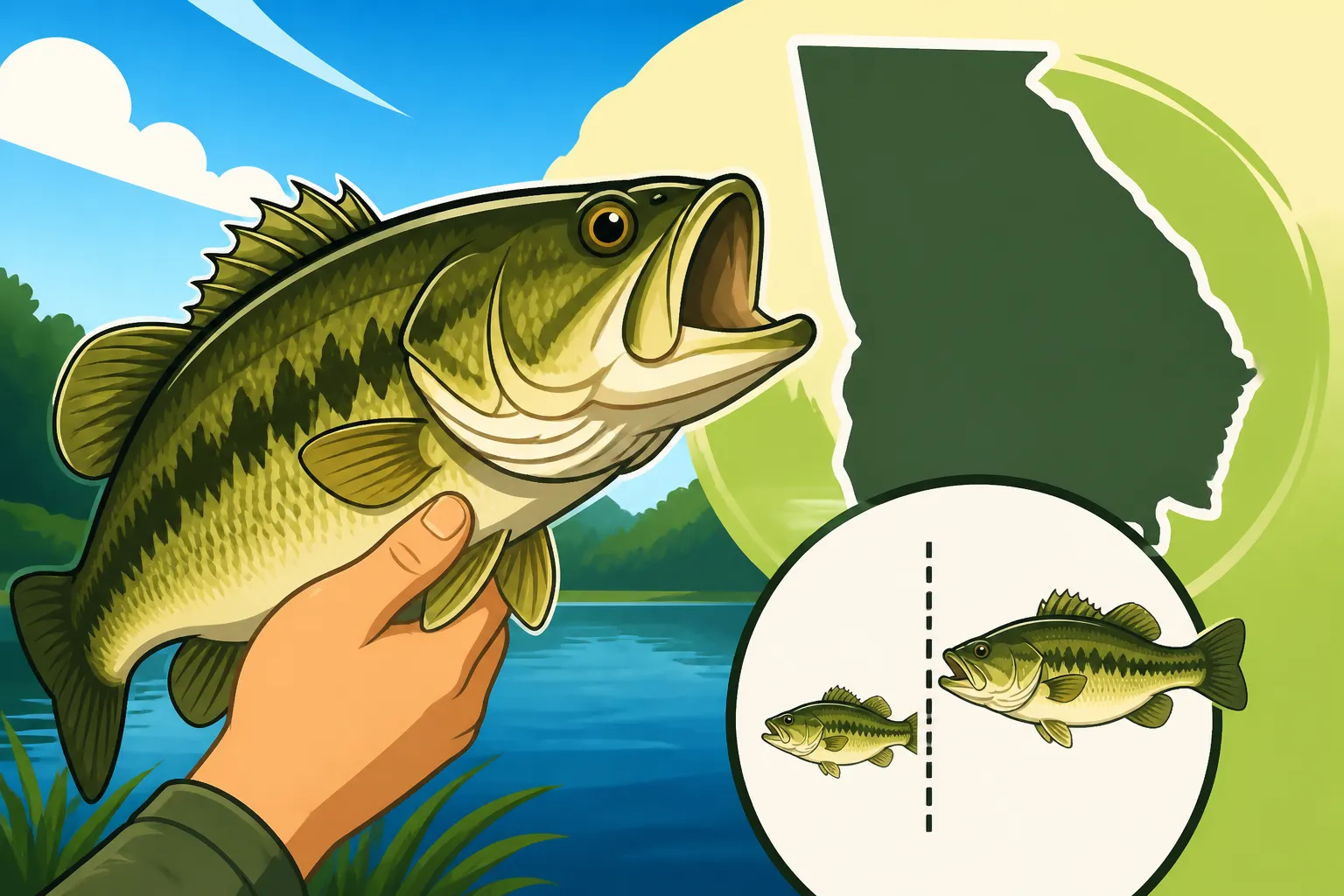
Public fishing area bass size limit in Georgia
It can be incredibly frustrating to head out to your favorite fishing spot, convinced you know the rules, only to realize that the bass size limits are entirely different from what you expected. Georgia's Public Fishing Areas (PFAs) are fantastic resources, but their specific management strategies often mean their regulations on bass can vary significantly from the statewide standard. This comprehensive guide will walk you through the nuances of bass size limits at Georgia's PFAs, helping you understand why these rules exist and how to ensure you're always fishing within the legal guidelines.
Navigating Georgia's Bass Size Limits: The Big Picture
Before diving into the specifics of Public Fishing Areas, it's really helpful to understand the general framework of fishing regulations in Georgia. Think of it as knowing the main highway rules before you hit a side road with its own unique speed limits.
The Statewide Standard for Largemouth Bass
For most of Georgia's vast public waters – your larger reservoirs like Lake Lanier or Lake Oconee, and many rivers – there's a pretty consistent statewide rule for largemouth bass. Generally, you're looking at a minimum length of 12 inches for any largemouth bass you intend to keep. This means any bass shorter than that has to go back into the water unharmed. Additionally, there's usually a daily creel limit, which sets the maximum number of bass you can legally keep in a 24-hour period, typically 10 bass total. These general rules are the foundation of Georgia Fishing Regulations Explained and apply to a huge portion of the state's fishing opportunities. However, it's crucial to remember that these are baselines, and many popular fishing destinations, especially our beloved Public Fishing Areas, will have their own twists on these numbers. It's always best to check the current Statewide Largemouth Bass Size Limits in Georgia before heading out, as these can be updated.
Why Regulations Vary Across Different Waters
You might wonder why the Georgia Department of Natural Resources (DNR) doesn't just apply one simple rule everywhere. The truth is, every body of water is its own unique ecosystem, and fish populations within them respond differently to fishing pressure, habitat conditions, and food availability. For instance, a sprawling reservoir might have a completely different bass population structure than a smaller, more intensively managed PFA pond. Factors like how fast the bass grow, how many smaller fish are present, and the overall health of the entire fish community all play a role. Management strategies are designed to ensure sustainable fishing for everyone, protecting the future of the fishery while still providing ample opportunities for anglers today. This is why you'll see specific rules for different species, and varying limits even for the same species from one lake to the next.
Unpacking Public Fishing Area (PFA) Bass Regulations
Public Fishing Areas are truly special places in Georgia. They are often smaller, more accessible bodies of water specifically designed and managed to offer high-quality, family-friendly fishing experiences. But because of this intense management, their rules can be quite distinct.
What Makes PFAs Unique in Georgia
Georgia's PFAs are not just random ponds; they are jewels in the state's angling crown, carefully maintained by the Georgia DNR. They often feature amenities like fishing piers, boat ramps suitable for smaller craft, and well-maintained shorelines, making them ideal for a quick trip or teaching a child to fish. Due to their concentrated nature and the DNR's active role in stocking and habitat management, the regulations here are often tailored to optimize the specific fishery within each PFA. This means you can't assume the statewide 12-inch minimum or 10-fish creel limit applies. These areas are designed to provide consistent, quality experiences, and sometimes that means implementing stricter or more nuanced rules to prevent overharvest and promote healthy fish growth.
Common PFA Bass Size Limit Scenarios
When you visit a PFA, don't be surprised to encounter regulations that deviate from the norm. These specific rules are put in place for a reason, often to cultivate a particular type of fishery, whether it's for numbers of fish or trophy potential.
One of the most common variations you'll find at PFAs is a slot limit. This type of regulation means you can keep bass that are under a certain size and bass that are over a certain size, but any bass that falls within the "slot" must be immediately released. For example, a PFA might have a slot limit of "no bass 15-22 inches may be kept." This means you can keep bass under 15 inches and over 22 inches, but any bass caught between those measurements must be returned. The goal here is usually to protect a healthy breeding population or to allow younger bass to grow into larger, trophy-sized fish. A prime example of this type of management can be seen at Lake Lindsay Grace PFA, which has a specific slot limit designed to promote trophy bass growth.
Another variation is a higher minimum length. Some PFAs might require bass to be 14 inches, 16 inches, or even larger before they can be harvested. This is often done in waters where there's good forage and conditions for bass to grow quickly, aiming to produce larger average sizes for anglers. You might see this in some of the Reservoirs with a 14-Inch Bass Minimum in Georgia, but PFAs might even go a step further. Conversely, some PFAs might have a reduced creel limit, meaning you can only keep a smaller number of bass per day than the statewide standard, perhaps five or even three bass, even if they meet the length requirement. This helps distribute the catch among more anglers and reduces overall pressure on the fish population. It’s a bit different than the general How many bass can you keep per day in Georgia, so attention to detail here is key.
To help visualize these differences, here’s a simplified comparison:
| Water Body Type | Minimum Length (Largemouth Bass) | Daily Creel Limit (Largemouth Bass) | Common Purpose of Rule |
|---|---|---|---|
| Statewide/General | 12 inches | 10 bass | Sustainable harvest, general population health |
| Hypothetical PFA A | 14 inches | 5 bass | Promote larger average size, reduce pressure |
| Hypothetical PFA B | No harvest 15-22 inches | 10 bass (outside slot) | Protect breeding stock, grow trophy fish |
| Hypothetical PFA C | No minimum, but 3 bass max | 3 bass | High angler success, limited harvest for smaller waters |
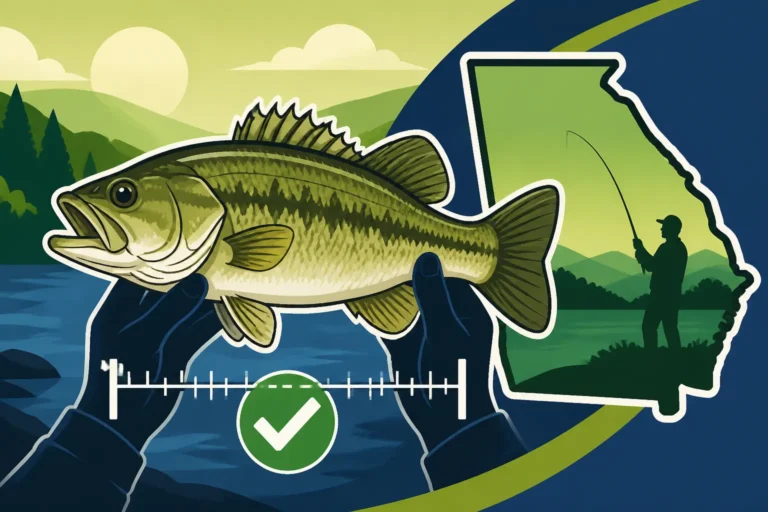
When you're out there, a reliable measuring device is your best friend. Many anglers use bump boards or even adhesive measuring tapes on their boats or kayaks. You can find excellent, durable options for fish measuring boards on platforms like Amazon, ensuring you accurately determine if your catch meets the specific PFA's size requirements.
Locating Current PFA Regulations
The single most important piece of advice for fishing any PFA is this: always check the current regulations before you go. PFA rules can change seasonally or annually based on fishery assessments.
- Georgia DNR Website: The Georgia Department of Natural Resources (DNR) Wildlife Resources Division website is your authoritative source. Each PFA usually has its own dedicated page listing specific regulations.
- On-Site Signage: When you arrive at a PFA, look for bulletin boards or signs near the boat ramp or parking areas. These will typically display the current rules for that specific PFA. Take a photo with your phone for easy reference throughout your trip.
- Contact the PFA: Many PFAs have local offices or managers whose contact information can be found on the DNR website. If you're unsure about a specific rule, don't hesitate to call ahead. It's much better to ask than to accidentally violate a regulation.
Remember, the responsibility to know and follow the rules rests squarely on the angler. Ignorance of a regulation is rarely an acceptable excuse if you're approached by a game warden.
The Science Behind PFA Bass Management Strategies
Understanding why certain rules are in place can make them feel less arbitrary and more logical, even when they seem restrictive. There's a lot of biological science that goes into managing these fishing areas.
Factors Driving Specific PFA Rules
The Georgia DNR's fisheries biologists don't just pull these numbers out of a hat. They conduct extensive studies, sampling the fish populations within each PFA to understand their health, growth rates, age structure, and overall density.
- Population Density and Growth: If a PFA has an overabundance of small, stunted bass, biologists might implement a rule encouraging anglers to harvest more smaller fish. This seems counter-intuitive, but it reduces competition for food, allowing the remaining bass to grow larger. Conversely, if the goal is to produce genuinely large, trophy bass, a slot limit or a high minimum size might be imposed to protect the fast-growing middle-sized fish that have the potential to reach impressive sizes.
- Forage Base and Habitat: The availability of baitfish and the quality of the aquatic habitat (e.g., submerged timber, aquatic vegetation, deep structure) significantly impact how well bass grow. Regulations are often set to align with the ecosystem's carrying capacity – how many fish it can realistically support. A PFA with a rich forage base might sustain a different kind of management than one with limited food resources. This focus on Bass fishing size limits by lake is a targeted approach for maximizing each body of water's potential.
- Angler Pressure: PFAs are generally popular and can experience heavy fishing pressure, especially during peak seasons. Regulations are also a tool to distribute that pressure and prevent overfishing, ensuring that the resource remains viable for everyone. This careful balance is key to keeping these areas as some of the Best Largemouth Bass Lakes in Georgia for public access.
How Angler Compliance Impacts PFA Success
These carefully crafted regulations are only effective if anglers understand and respect them. Every time an angler knowingly or unknowingly breaks a rule, it undermines the management goals for that fishery.
Think about a slot limit designed to protect future trophy bass. If anglers are routinely keeping fish within that protected slot, it directly compromises the PFA's ability to produce those larger fish down the line. Beyond size and creel limits, proper fish handling, especially for those you intend to release, is paramount. Using appropriate de-hooking tools and minimizing air exposure can significantly improve a fish's chances of survival. Neglecting these practices, or even fishing without the proper Georgia Fishing License Guide, can lead to serious Penalties for Fishing Without a License in Georgia or other violations. Your actions as an angler directly contribute to the long-term health and quality of the PFA fishing experience for yourself and others.
Preparing for a Successful PFA Bass Fishing Trip
A little preparation goes a long way, especially when you're fishing in a managed environment like a PFA. Knowing what to expect and having the right gear can make all the difference for a legal and enjoyable outing.
Essential Gear for Measuring and Handling Bass
Beyond your basic fishing rod and reel, there are a few items that become indispensable when fishing PFAs with specific size limits:
- Measuring Device: As mentioned, a solid, easy-to-read measuring board is crucial. Whether it's a dedicated bump board, a stick-on ruler on your cooler, or a foldable measuring tape, make sure it's accurate and easily accessible. Many anglers prefer a bright, floating measuring board, which you can easily find on Amazon, preventing it from sinking if accidentally dropped.
- Fish Grippers or Net: For handling bass that you intend to measure or release, a quality pair of fish grippers or a rubberized landing net can minimize stress on the fish and protect your hands from hooks and fins. This is especially important for larger bass that might be close to a slot limit.
- De-hooking Tools: Long-nose pliers or a dedicated de-hooker are essential for quickly and safely removing hooks, particularly if you're practicing catch-and-release. The less time a fish spends out of water and struggling, the better its chances of survival.
- Current Fishing License: Of course, you absolutely need a valid Georgia fishing license. You can easily How to Buy a Fishing License Online in Georgia before your trip, and having it with you, either printed or on your phone, is non-negotiable.
Reading the Water and Adjusting Your Approach
PFAs, while managed, are still wild environments. Bass behavior can change dramatically based on weather, water temperature, time of day, and even the amount of recent fishing pressure. Because PFAs are often smaller and more confined than large reservoirs, fish can become more wary.
Being observant of your surroundings can pay off big time. Look for signs of baitfish, changes in bottom contours, or any structure like submerged brush or docks. Consider the season; bass will behave differently in spring during the spawn than they will in the heat of summer. Your tackle choices also matter. You'll want to make sure your tackle box is properly stocked with a variety of lures and baits, which you can easily browse and purchase on platforms like Amazon, ensuring you're ready for any conditions. For a comprehensive setup, checking out a guide on Tackle Box Setup for Bass Fishing can provide excellent ideas. Sometimes a subtle approach with lighter line and smaller lures works best in pressured waters, while other times a noisy topwater lure or a deeply retrieved crankbait will trigger a strike.
Respecting the Environment and Fellow Anglers
Fishing a PFA is about more than just catching fish; it's about being a responsible steward of the resource and a courteous member of the angling community. Always practice "leave no trace" principles, packing out everything you pack in, including any discarded fishing line or bait containers. Respect other anglers' space and avoid loud noises that could disturb the peace or spook fish. Many PFAs have specific rules beyond fish limits, such as motor restrictions (e.g., electric motors only), designated fishing areas, or specific hours of operation. Adhering to these rules ensures everyone can enjoy the PFA. Even if you're Best Gear for Bank Fishing in Georgia, common courtesies like not casting over someone else's line go a long way in fostering a positive environment.
Disclaimer
Please note that fishing regulations, including size and creel limits at Georgia's Public Fishing Areas, can change. While this guide provides a comprehensive overview, it is your responsibility to consult the most current regulations published by the Georgia Department of Natural Resources (DNR) before each fishing trip. This article is for informational purposes only and should not be considered a substitute for official legal guidance.