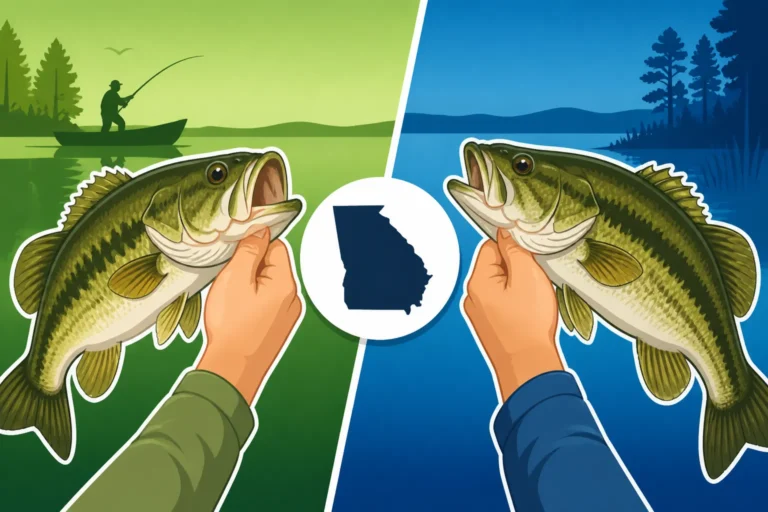
Is the bass limit different at Lake Lanier than elsewhere in Georgia?
It's incredibly frustrating when you're out on the water, having a great day, and suddenly that nagging doubt creeps in: "Wait, is the size limit for bass here different from other places?" You've heard whispers, seen signs, and maybe even gotten conflicting advice, leaving you wondering if you're holding a legal keeper or risking a fine. This guide is here to clear up that confusion, specifically addressing Lake Lanier's bass regulations and how they stack up against the rest of Georgia's waters.
Understanding Georgia's Statewide Bass Regulations
Before we dive into the specifics of Lake Lanier, it's really helpful to get a grasp on Georgia's general fishing rules. Think of it as the baseline, the default setting. Knowing these helps you understand why certain lakes or rivers might have special exceptions.
The General Largemouth Bass Rule
For most of Georgia's freshwater lakes, ponds, and rivers, the rules for largemouth bass are pretty straightforward, which is often where the confusion begins when special rules pop up. Typically, the statewide daily creel limit for largemouth bass is 10 fish. What's often overlooked, or perhaps just less emphasized, is that there's generally no minimum length limit on largemouth bass in these general regulation waters.
This means that if you're fishing a typical pond in rural Georgia or a small river, you can keep largemouth bass of any size, up to your 10-fish daily limit. It sounds simple, right? But this general rule is precisely why specific, localized regulations on popular reservoirs like Lake Lanier can throw anglers for a loop. You get used to the "no size limit" mentality, and then suddenly, there's a different expectation depending on where your boat is floating or where your line is cast. It's a classic case of assuming consistency where there isn't any, and it's a completely valid frustration. For a deeper dive into the overall rules, check out our comprehensive guide on Georgia Fishing Regulations Explained.
Why Specific Waters Have Different Rules
So, why do some bodies of water get special treatment with their own unique sets of rules? It's not just to make our lives harder, I promise! The Georgia Department of Natural Resources (DNR) implements these specific regulations for very good reasons, primarily focused on managing the fishery for optimal health, growth, and angler experience.
Imagine a highly pressured lake, one that sees thousands of anglers every year, all targeting bass. If there were no size limits, it's possible that too many smaller, younger fish would be harvested before they have a chance to grow into larger, breeding adults. This could decimate the population over time. Special regulations, like minimum length limits, are put in place to protect those younger fish, allowing them to reach a certain size, mature, and contribute to the next generation of bass. They're often designed to create trophy fisheries, or at least healthier, more robust populations, by ensuring fish can spawn multiple times and achieve larger sizes. These rules consider factors like forage base, water quality, and angler catch rates. It's all about finding that delicate balance to ensure great fishing for years to come.
The Specifics of Lake Lanier's Bass Limits
Now, let's get down to brass tacks about Lake Lanier, one of Georgia's most popular and heavily fished reservoirs. The reputation of its incredible fishing often comes with a bit of a learning curve when it comes to the rules.
Lake Lanier's Largemouth Bass Minimum Length
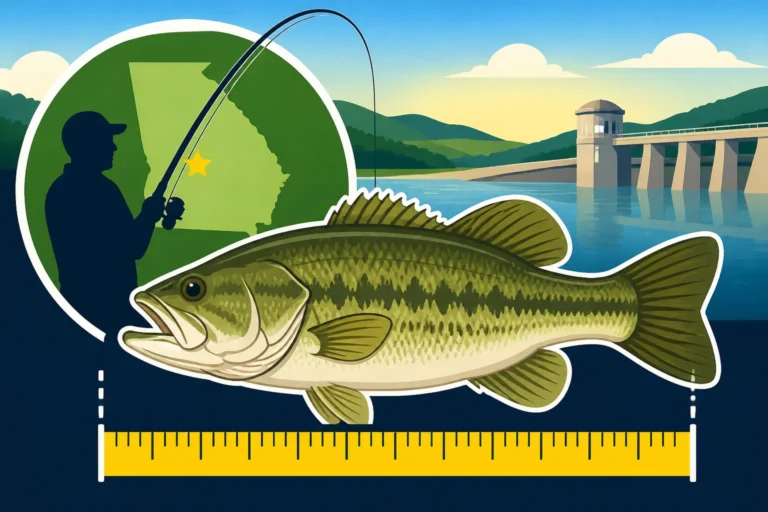
This is the big one, the regulation that often catches anglers by surprise if they're not used to it: Lake Lanier has a 14-inch minimum length limit for Largemouth Bass. This means that any largemouth bass you catch on Lake Lanier must be 14 inches or longer to be legally kept. If it's shorter, it has to go back in the water immediately.
The daily creel limit for largemouth bass on Lake Lanier remains 10 fish, just like the statewide rule. However, that 10-fish limit is only for fish that meet or exceed the 14-inch minimum. You can't just keep ten 12-inch bass, no matter how hungry you are for a fish fry! This regulation is incredibly important for protecting the younger bass population in Lanier and allowing them to grow. Lake Lanier is a renowned fishery, especially for its spotted bass, and this regulation helps maintain that balance by managing the largemouth population effectively. It’s definitely something you want to etch into your memory before heading out on the water. If you've ever wondered Why does Lake Lanier have a 14-inch bass minimum? this is precisely the reason.
Spotted Bass Regulations on Lake Lanier
Here's another point of common confusion that’s vital to understand. While largemouth bass on Lake Lanier have that strict 14-inch minimum, spotted bass in Lake Lanier generally follow the statewide regulations. This means there is no minimum length limit for spotted bass and the daily creel limit is 10 fish.
This distinction is absolutely critical. Spotted bass and largemouth bass can look very similar, especially to the untrained eye, and mistaking one for the other could lead to an unintentional violation. Spotted bass typically have a more streamlined body, a smaller mouth that doesn't extend past the eye (unlike a largemouth's), and often a rough patch of scales on their tongue. They also tend to have more pronounced, darker spots below their lateral line. It's worth taking the time to learn the differences. Many anglers carry a small, laminated fish identification guide or use a fishing app to help them out. You can even find helpful waterproof guides on Amazon that show the key features. Understanding these subtle differences is key to staying within the rules. Our article on Largemouth Bass vs Spotted Bass: How to Tell Them Apart in Georgia can be a real lifesaver here!
Comparing Lanier to Other Georgia Waters with Special Regulations
Lake Lanier isn't an anomaly. While it's one of the most prominent examples, there are several other fantastic fishing spots across Georgia that also have their own specific rules for bass, making it a little like navigating a patchwork quilt of regulations.
Other Reservoirs with 14-Inch Bass Minimums
It might surprise you to learn that Lake Lanier is not alone in its 14-inch minimum length limit for largemouth bass. Several other major Georgia reservoirs implement the same rule to promote healthy fisheries and larger fish. These include popular lakes like:
- Lake Oconee: A powerhouse for bass fishing, Lake Oconee also follows the 14-inch minimum for largemouth.
- West Point Reservoir: Located on the Georgia-Alabama border, this lake is a fantastic fishery, and its largemouth bass are managed with the same 14-inch rule.
- Walter F. George Reservoir (Lake Eufaula): Another border lake, famous for its bass, which adheres to the 14-inch minimum.
- Lake Blackshear: Down in southwest Georgia, Lake Blackshear also implements this standard for its largemouth population.
Knowing that these other significant bodies of water share the same regulation as Lanier helps put things into perspective. It shows that this isn't an arbitrary rule just for one lake but a proven management strategy applied where it makes the most sense for the bass population. It emphasizes the need to always check the specific regulations for any body of water you plan to fish, even if you're familiar with another lake's rules. For a complete list and details, check out Reservoirs with a 14-Inch Bass Minimum in Georgia.
Unique Slot Limits and Other Exceptions
Beyond the standard minimum length, Georgia also has a few truly unique bass regulations, often referred to as "slot limits" or other specific rules tailored to particular species or habitats. These are less common but equally important to be aware of.
A prime example is Lake Lindsay Grace, a public fishing area that stands out with its distinct slot limit for largemouth bass. On Lake Lindsay Grace, the rule is to release all largemouth bass that measure between 15 and 22 inches. This means you can keep bass under 15 inches and over 22 inches, but nothing in between. This kind of regulation is typically implemented to foster a trophy fishery, allowing a large number of fish to grow into that prime "keeper" size range before being harvested, while also protecting the largest, most productive breeders. It's a highly specialized rule that you won't find just anywhere. To learn more about this unique approach, see our article on Lake Lindsay Grace Bass Slot Limit.
Then there are species-specific rules, such as those for shoal bass. These native black bass primarily inhabit certain rocky, flowing rivers, most notably the Flint River. While many bass species fall under general statewide rules, shoal bass often have their own unique size and creel limits in specific stretches of river to protect this prized native species. For instance, parts of the Flint River might have an elevated minimum length or a reduced creel limit for shoal bass to ensure their populations remain healthy and thriving in their specialized habitats. If you're planning a trip to the Flint, you'll definitely want to read up on Shoal Bass Size Limit Rules, Georgia. These exceptions really highlight that, in Georgia fishing, there's no substitute for checking the exact regulations for your chosen location and target species.
How to Stay Informed and Avoid Penalties
Given the varied regulations across Georgia, it's pretty clear that staying on top of the rules is not just good practice—it's essential for a stress-free fishing trip. Nobody wants to face a penalty simply because they were unaware of a specific lake's unique requirements.
Checking the Latest Regulations
The absolute best way to stay informed and avoid any surprises is to always consult the current Georgia Department of Natural Resources (DNR) fishing regulations guide. This guide is updated annually and is the definitive source for all fishing rules, including creel limits, size limits, and any special exceptions for specific bodies of water or species.
You can easily access this guide in several ways:
- Online: The Georgia DNR Wildlife Resources Division website is an excellent resource. You can download the complete guide as a PDF or browse interactive maps and summaries.
- Physical Copy: Most fishing license vendors, tackle shops, and DNR offices will have free printed copies of the current year's fishing regulations. Grab one and keep it in your tackle box or boat!
- DNR App: Many state DNRs offer mobile apps that provide instant access to regulations, which can be super handy when you're already out on the water.
It's crucial to remember that regulations can change from year to year. A rule that was in place last season might be different this season, so relying on old information is risky. Always make it a habit to glance over the new guide each year before your first trip out. This simple step can save you a lot of headache and potentially expensive fines. Our guide on Georgia Fish Size and Creel Limits can help you understand the broader picture.
The Importance of Accurate Fish Identification
We've touched on this a bit already, but it bears repeating: knowing exactly what kind of fish you've caught is just as important as knowing the regulations for that fish. Misidentifying a fish, especially bass species, can lead to inadvertently violating length or creel limits. For instance, if you mistake a spotted bass (no minimum length on Lanier) for a largemouth bass (14-inch minimum on Lanier) and release it when it could have been a keeper, you might be missing out. More critically, if you keep a short largemouth thinking it's a legal spotted bass, you're breaking the law.
Here are a few tips for accurate identification:
- Study Key Features: Pay attention to mouth size (does it extend past the eye?), the presence of a rough patch on the tongue, lateral line patterns, and fin counts.
- Use Visual Aids: Keep a waterproof fish ID card or a photo on your phone handy. Books like "Fishes of Georgia" can be an invaluable resource. Even a quick search on an Amazon-bought fishing app can help in a pinch.
- Practice: The more fish you catch and examine, the better you'll become at telling them apart.
Don't be afraid to take a moment to positively identify your catch before deciding whether to keep it or release it. It’s part of being a responsible angler and ensures you’re respecting the fishery and the regulations designed to protect it. For a detailed breakdown of identification, refer to How to Identify a Largemouth Bass. Remember, facing Penalties for Fishing Without a License in Georgia or for violating size limits is a serious matter, so knowledge is your best defense!
Bass Limit Comparison Table
To help visualize the differences we've discussed, here's a quick comparison of bass limits across various Georgia waters. This table should make it easier to see at a glance why awareness of your specific location is so important.
| Water Body | Species | Minimum Length Limit | Daily Creel Limit | Notes |
|---|---|---|---|---|
| Most Georgia Waters | Largemouth Bass | None | 10 fish | The general statewide rule. |
| Lake Lanier | Largemouth Bass | 14 inches | 10 fish | Specific regulation for Lanier, Lake Oconee, West Point, Walter F. George, Lake Blackshear, etc. |
| Lake Lanier | Spotted Bass | None | 10 fish | Spotted bass on Lanier follow general statewide rules. Identification is key! |
| Lake Lindsay Grace | Largemouth Bass | Release 15-22 inches | 10 fish | Unique slot limit: must release fish within this size range. Keepers are <15" or >22". |
| Flint River (portions) | Shoal Bass | Varies | Varies | Highly specific rules depending on the exact river stretch; always check current DNR regulations. |
This table clearly illustrates that while a "general" rule exists, specific bodies of water, especially large reservoirs like Lake Lanier, often have their own carefully crafted regulations. It's a lot to keep track of, but it's crucial for sustainable fishing and avoiding legal trouble.
Disclaimer
Please remember that fishing regulations, including size and creel limits, can change. While this guide provides current and accurate information based on available data, it is always your responsibility to consult the most recent official Georgia Department of Natural Resources (DNR) fishing regulations before you go fishing. This content is for informational purposes only and should not be considered legal advice.