Best Life Jacket for Kayak Fishing
There's nothing quite like the freedom of being out on the water in your kayak, casting lines into a quiet coves, or paddling along a scenic Georgia river. But with that freedom comes a tremendous responsibility for your own safety. Many anglers, especially those new to kayak fishing, might think a PFD (Personal Flotation Device), or life jacket, is just a formality or an uncomfortable nuisance, but it's truly the single most crucial piece of gear you own. This guide is here to walk you through exactly why a life jacket isn't just a good idea, but essential, and how to choose the absolute best one for your kayak fishing adventures, ensuring you're safe, comfortable, and ready to reel in that next big catch.
Why a Life Jacket is Absolutely Non-Negotiable for Kayak Fishing
Let's be real, no one wants to think about falling out of their kayak. We picture serene days, perfect casts, and triumphant catches. But the reality is, accidents happen, and when you're on the water, whether it's the vast expanse of Lake Lanier or the winding bends of the Flint River, those accidents can turn serious in a heartbeat. A PFD isn't just a suggestion; it's your lifeline.
Unexpected Tumbles and Treacherous Waters
Kayaks, especially fishing kayaks loaded with gear, can be less stable than they appear, particularly when you're casting, re-rigging, or battling a feisty fish. A sudden shift in weight, an unexpected wake from a passing boat, or even snagging your line on a submerged branch can send you overboard faster than you can say "fish on!" When that happens, you might be disoriented, the water could be colder than you anticipated, and the current might be stronger. If you're wearing a PFD, you're immediately floating, keeping your head above water and conserving precious energy. Without it, you're fighting against the elements, trying to surface, maybe even struggling with heavy clothing, all while your kayak drifts away. It's a terrifying scenario that's easily preventable.
Think about those chilly mornings on a North Georgia mountain stream trying to hook a trout. Even on a hot summer day, deep reservoir water can be surprisingly cold. Cold water immersion can quickly lead to hypothermia and loss of muscle control. A PFD gives you those critical extra minutes to recover, reorient yourself, and get back to your kayak or shore. It also makes you visible to others, which is paramount for rescue. You can learn more about general safety by reading What Safety Equipment Is Required on a Georgia Boat.
Legal Requirements and Common Sense
Beyond personal safety, there are legal requirements for wearing life jackets, especially for certain age groups in Georgia. For instance, children under a specific age are almost always required to wear a PFD while on board a vessel, including kayaks. While adults might not always be legally mandated to wear one at all times in a kayak, having one readily accessible is universally required. But honestly, "accessible" isn't enough in a kayak. If you go overboard, your PFD might be floating away faster than you are.
Consider the potential penalties for not adhering to these rules, or worse, the unimaginable consequences of an accident. It's not just a fine; it's risking your life or the lives of others. The small discomfort of wearing a PFD pales in comparison to the peace of mind and the crucial seconds it buys you in an emergency. It's simply common sense to wear it, every single time. For specific rules regarding younger anglers, check out Life Jacket Requirements for Kids Under 13 in Georgia.
Key Features to Look For in a Kayak Fishing PFD
Not all life jackets are created equal, especially when it comes to kayak fishing. You need something that's not only safe but also functional for the unique demands of paddling and casting. Here's what to prioritize when you're shopping around.
Comfort and Mobility: Your Best Friend on the Water
This is arguably the most important factor for a kayak angler. If your PFD is uncomfortable, you won't wear it, and if you don't wear it, it can't save you. Kayak PFDs are designed differently from those bulky ones you might remember from rental boats. They should have:
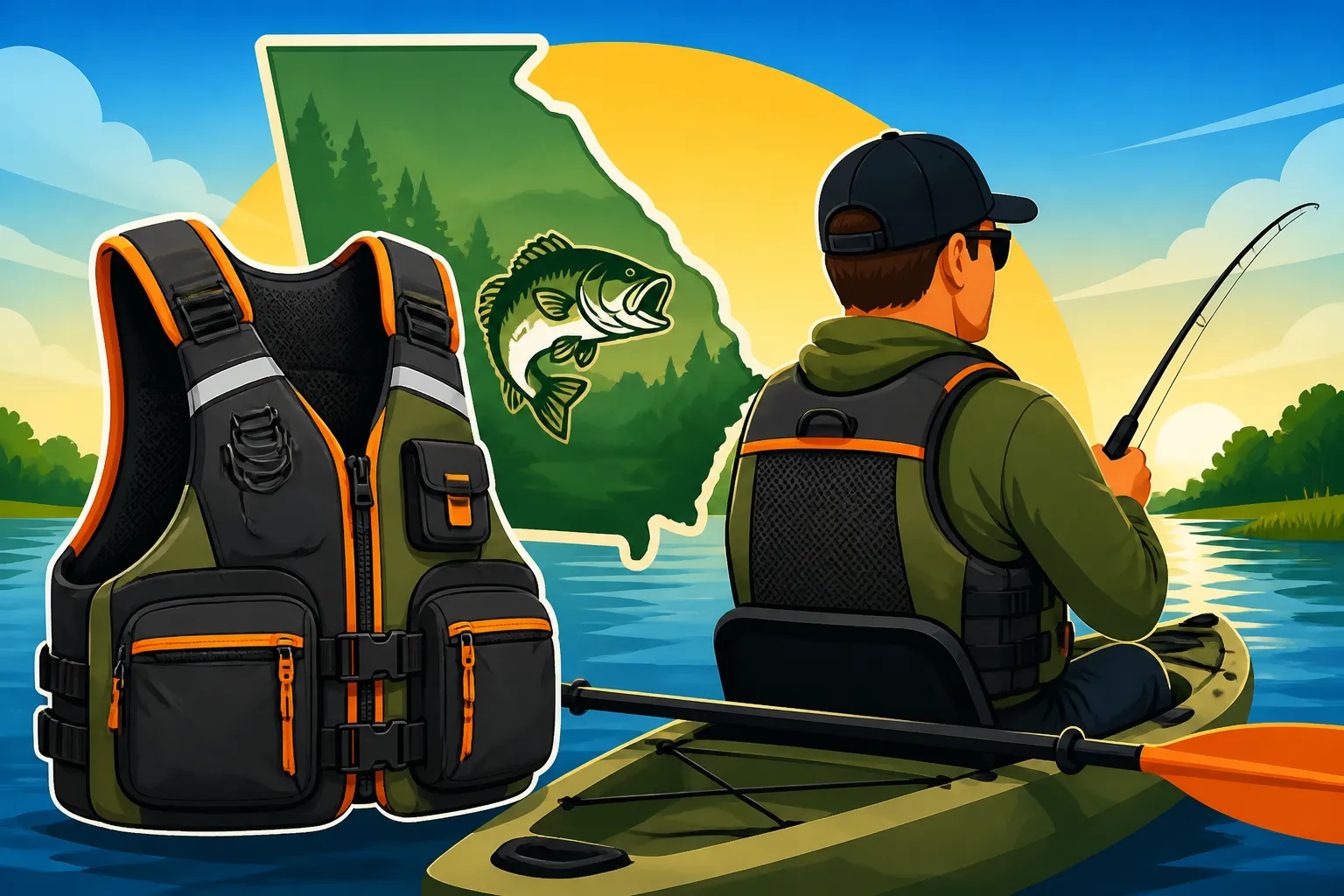
- High Back Design: Traditional life jackets often have thick padding that rides up your back, pushing into the seat of your kayak. This is incredibly uncomfortable and can make paddling difficult. Look for PFDs with a high-back design or thin foam in the back, ensuring it clears the seat back of your kayak. This allows you to lean back comfortably and maintain good posture while paddling and fishing.
- Large Armholes: Restrictive armholes limit your range of motion, making it tough to paddle effectively, cast with precision, or fight a fish without feeling constrained. Generous armholes are key for maximum mobility.
- Adjustability: Multiple adjustment points (shoulder, waist, sides) allow you to customize the fit, ensuring it's snug without being constricting. A well-fitted PFD won't ride up when you're in the water or chafe when you're paddling.
Brands like NRS, Stohlquist, and Astral are renowned for their angler-specific PFDs that really nail the comfort aspect. You can find a good selection of these on sites like Amazon or by visiting a Bass Pro Shops store to try them on.
Strategic Storage and Attachment Points
Kayak anglers often carry a lot of small gear – pliers, line cutters, a whistle, maybe even a small tackle box. Your PFD can be a great place to keep these essentials close at hand, rather than fumbling in your kayak's hatches.
- Pockets Galore: Look for multiple pockets, ideally zippered, to secure small items. Some PFDs even feature specialized pockets for things like a VHF radio or a small first-aid kit.
- Attachment Points: D-rings, loops, and lash tabs are incredibly useful for attaching tools, a whistle, or even a kill switch lanyard. These keep important items from falling overboard and make them easily accessible when you need them most.
- Integrated Tool Holders: Some high-end fishing PFDs have built-in holsters or sheaths for pliers or fishing knives, keeping them safe and ready for action.
Having these features means less clutter in your cockpit and quicker access to your tools, which can be a game-changer when you're in the middle of landing a trophy bass.
Ventilation and Material for Georgia's Climate
Let's face it, Georgia summers are hot and humid. A thick, poorly ventilated PFD can turn your fishing trip into a sweaty ordeal.
- Mesh Panels: Look for PFDs that incorporate mesh panels, especially on the back and sides, to allow for airflow and prevent overheating.
- Breathable Fabrics: Modern PFDs often use lighter, more breathable fabrics that wick away moisture, keeping you cooler and drier.
- Color Choice: Lighter colors absorb less heat from the sun, which can make a noticeable difference on those long, sunny days.
Choosing a PFD with good ventilation and appropriate materials will make your time on the water much more enjoyable, encouraging you to wear it consistently, which is the ultimate goal.
Different Types of PFDs and Which is Best for Kayaking
Navigating the world of PFD types can feel a bit like deciphering a secret code. But don't worry, for kayak fishing, we can simplify it quite a bit. The U.S. Coast Guard classifies PFDs into different "Types" based on their intended use and buoyancy.
Understanding PFD Types
Historically, there were Type I, II, III, IV, and V. For kayak fishing, you'll almost always be looking at Type III or Type V PFDs.
- Type III (Flotation Aid): These are by far the most common and popular for recreational boating, including kayaking. They offer excellent comfort and freedom of movement, making them ideal for situations where you're likely to be rescued quickly or can swim to shore. They're designed to keep you afloat in an upright or slightly reclined position. Most dedicated kayak fishing PFDs fall into this category.
- Type V (Special Use Device): These are designed for specific activities and often combine features of other types. Many inflatable PFDs fall into this category, as do some specialized rescue vests. They might require active user input (like manually inflating) or be specifically approved for certain uses.
The most important thing is that your PFD is Coast Guard-approved. You'll see a label inside that confirms this, along with its specific Type.
Inherent Buoyancy vs. Inflatable PFDs
This is a big choice for kayak anglers. Each has its pros and cons.
-
Inherent Buoyancy (Foam) PFDs: These are the traditional life jackets, filled with foam that provides permanent flotation.
- Pros: Always buoyant, no inflation required, often have more storage pockets and attachment points. Many dedicated kayak fishing PFDs are inherent buoyancy designs.
- Cons: Can be bulkier, especially for those who dislike the feeling of wearing a PFD. While modern designs are much better, they still add a layer of material.
- Best For: Most kayak anglers, especially those who prefer constant, reliable flotation, need lots of storage, or fish in rougher conditions where going overboard could be sudden and violent.
-
Inflatable PFDs: These are much less bulky and only inflate when activated, either manually (by pulling a cord) or automatically (upon immersion in water).
- Pros: Extremely low profile and comfortable to wear, almost feeling like a regular vest. They allow for maximum freedom of movement.
- Cons: Require user action to inflate (manual) or rely on a hydrostatic trigger (automatic). They also require maintenance, including periodic inspection and replacing CO2 cartridges after each inflation. They typically have less integrated storage. It's crucial to note that some inflatable PFDs are NOT approved for use in kayaks, especially those that require a certain amount of water depth to auto-inflate. Always check the label!
- Best For: Anglers who prioritize minimal bulk and maximum mobility, are confident swimmers, and are diligent about maintenance. They are often less suitable for whitewater or colder conditions where immediate, passive flotation is critical.
For the vast majority of kayak fishing in Georgia's lakes and slow-moving rivers, a high-quality inherent buoyancy Type III PFD is going to be your most reliable and functional choice. It offers the best combination of safety, comfort, and utility for an angler. Many anglers find excellent options from reputable brands at outdoor retailers like Bass Pro Shops or through online stores such as Amazon. If you're looking for more general PFD information, you might find Coast Guard-Approved Life Jackets for Georgia Boaters helpful.
| PFD Type Feature | Inherent Buoyancy PFDs (Foam) | Inflatable PFDs (Manual/Automatic) |
|---|---|---|
| Buoyancy | Always buoyant (passive) | Buoyant only when inflated (active) |
| Comfort | Generally good, can be bulkier | Excellent, low-profile, less restrictive |
| Storage | Often features multiple pockets | Limited to no pockets |
| Maintenance | Minimal (rinse, inspect) | Requires CO2 cartridge replacement after each use, periodic checks |
| Cost | Generally lower upfront | Can be higher upfront, ongoing cartridge costs |
| Best Use Case | General kayak fishing, cold water, rough conditions, those who want instant flotation | Anglers prioritizing extreme mobility, warm water, diligent about maintenance |
Ensuring the Perfect Fit and Proper Wear
Getting the right PFD is only half the battle; wearing it correctly is just as important. A poorly fitted PFD can be just as dangerous as not wearing one at all.
Sizing Up Your PFD
PFDs are typically sized by chest circumference and weight. Don't just guess; grab a tape measure!
- Measure Your Chest: Wrap a tape measure around the widest part of your chest.
- Check the Manufacturer's Chart: Every PFD will have a size chart, usually printed on the label or available on the product page (like on Amazon or Bass Pro Shops' websites). Match your chest measurement and weight to the recommended size.
- Try it On (Crucial!): If buying in person, try it on over the clothes you typically wear fishing. If ordering online, be prepared to return if the fit isn't right.
- Snug, Not Tight: The PFD should feel snug but not restrictive. You should be able to breathe deeply and move your arms freely.
- The "Lift Test": With all straps tightened, have someone gently lift the PFD by the shoulders. If it slides up past your ears or chin, it's too big. A properly fitted PFD will stay put.
Remember, a PFD that's too loose can ride up and potentially slip off in the water, negating its purpose entirely. One that's too tight will be so uncomfortable you won't want to wear it. It's a balance.
Adjustments and Proper Strapping
Once you have the right size, learning how to adjust it properly is key.
- Loosen All Straps: Start by loosening all the adjustment straps – shoulders, sides, and waist.
- Zip it Up (if applicable): If your PFD has a zipper, zip it up first.
- Start from the Waist: Begin tightening the waist straps first, then move to the side straps. This secures the PFD around your midsection.
- Finish with Shoulders: Finally, snug up the shoulder straps. You want them just tight enough so the PFD doesn't ride up, but not so tight that they pull uncomfortably.
- Re-Check Mobility: Once adjusted, paddle your imaginary kayak, mimic casting, and reach for items. Ensure you have full range of motion.
It might take a few tries to get the adjustments just right, but once you do, you'll hardly notice you're wearing it. This attention to detail ensures that your PFD will perform as intended should you ever need it. You can find more advice on what to wear for comfort and safety in Safety Gear Checklist for a Day on Lake Lanier.
Maintenance and Care for Your PFD
Your life jacket is a piece of safety equipment, and like any safety gear, it needs a little love and attention to ensure it performs when you need it most. Neglecting your PFD can compromise its buoyancy and structural integrity.
Cleaning and Storage for Longevity
Taking care of your PFD is simple but essential.
- Rinse After Use: After every trip, especially if you've been in saltwater or heavily soiled freshwater, rinse your PFD thoroughly with fresh water. This removes salt, dirt, fish slime, and any other contaminants that can degrade the fabric or stitching over time. Pay attention to zippers and buckles.
- Air Dry Completely: Hang your PFD in a well-ventilated area, out of direct sunlight, to air dry completely. Never store a wet PFD, as this can lead to mildew, which not only smells terrible but also weakens the materials.
- Store Properly: Once dry, store your PFD in a cool, dry place. Avoid leaving it crumpled in a hot car trunk for extended periods, as extreme heat can damage the foam and fabric. Hanging it on a sturdy hanger is ideal to maintain its shape.
Regular Inspections for Continued Performance
Even with proper cleaning and storage, PFDs can wear out. A quick inspection before each season, or even before each trip, can catch problems early.
- Check for Tears and Holes: Look over the entire PFD for any rips, tears, or punctures in the outer fabric. Even small holes can compromise the foam or allow waterlogging.
- Inspect Seams and Stitching: Examine all seams and stitching for signs of fraying or unraveling. Loose threads can quickly turn into weak points.
- Test Zippers and Buckles: Ensure all zippers glide smoothly and all buckles click securely into place and hold firm when tugged. Any broken or compromised hardware needs to be replaced or the PFD itself should be retired.
- Assess Buoyancy (for foam PFDs): Over time, the foam in PFDs can compress and lose buoyancy. While there isn't an exact test, if your PFD feels noticeably thinner or less rigid than it used to, it might be time for a replacement.
- Check Inflatable Mechanisms (for inflatable PFDs): If you have an inflatable PFD, follow the manufacturer's instructions for regular testing and CO2 cartridge inspection/replacement. This is absolutely critical for these types of PFDs.
If you find any significant damage, it's time to retire that PFD and invest in a new one. A damaged PFD is a false sense of security. Your safety isn't worth cutting corners. Looking for new gear? Check out options at Bass Pro Shops or search for specific models on Amazon.
Choosing the best life jacket for kayak fishing isn't just about complying with regulations; it's about making a conscious decision to prioritize your safety and enhance your enjoyment on the water. A well-chosen PFD will be so comfortable you'll forget you're even wearing it, allowing you to focus on the thrill of the catch and the beauty of Georgia's waterways. So, gear up responsibly, and I'll see you out there! For more tips on setting up your fishing kayak, consider reading How to Rig a Kayak for Fishing.
Disclaimer
This article is for general informational purposes only and does not constitute professional advice. Laws, prices and regulations vary by location and change over time. Consult a qualified professional for guidance on your specific situation.