Best Jon Boat for Georgia Rivers
Trying to navigate Georgia's diverse rivers, from the winding Chattahoochee to the more remote Flint, with a big, cumbersome boat can be a real headache. You're constantly worried about scraping the bottom, hitting submerged logs, or getting stuck in those beautiful, but often shallow, stretches. It can take all the joy out of a peaceful fishing trip! This guide is here to help you cut through the confusion and show you why a jon boat is often the perfect vessel for these waters, and what to look for to make it your ultimate river fishing machine.
Why Jon Boats Are a Smart Choice for Georgia Rivers
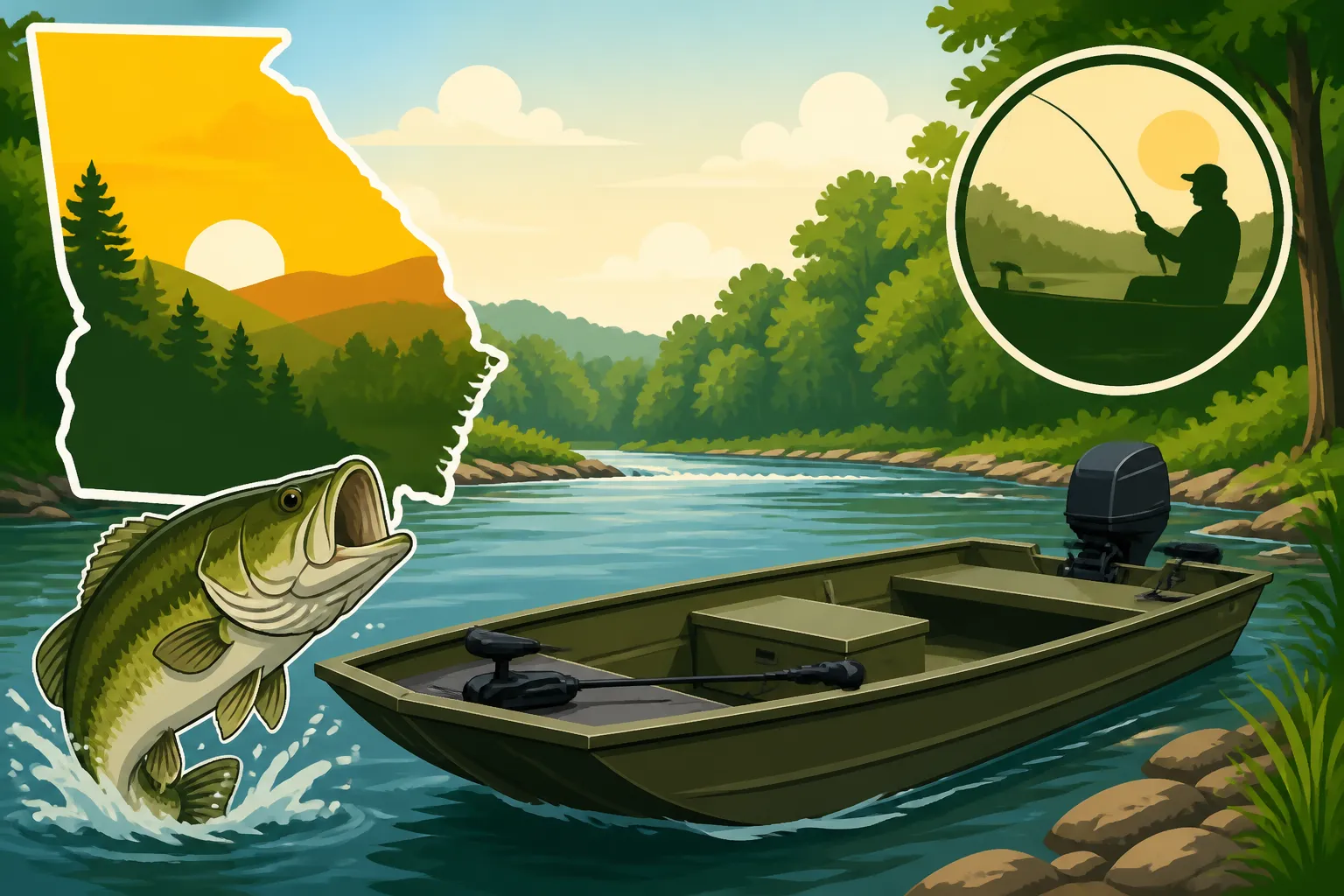
When you think about fishing Georgia's rivers, you're picturing anything from wide, slow-moving stretches like the lower Savannah to narrow, rocky shoals on the Etowah or the Flint. These aren't your typical deep, open lakes, and a traditional V-hull bass boat just won't cut it without a lot of heart-stopping moments. That's where the trusty jon boat shines, offering a practical, no-frills solution perfectly suited to the challenges and joys of river angling.
Navigating Shallow Waters and Obstacles
One of the biggest frustrations river anglers face is constantly worrying about water depth. Our Georgia rivers are beautiful, but they can be incredibly unforgiving, with sandbars, submerged rocks, and fallen timber lurking just beneath the surface. Jon boats, with their signature flat bottoms, are engineered precisely for this environment. They draw very little water, meaning you can often motor or even pole through stretches where a deeper V-hull would be high and dry. Imagine gracefully gliding over a shallow shoal on the Flint River where you know the shoal bass are hiding, without the gut-wrenching scrape that comes with a deeper boat. This ability to access skinny water opens up a whole new world of fishing spots that are simply inaccessible to other vessels. Plus, their wide, stable platform makes it easier to stand and cast, giving you a better vantage point for spotting those tricky river fish.
Durability and Low Maintenance
River fishing is tough on boats. There's no way around it. You're going to bump logs, scrape rocks, and occasionally run aground. This is where the robust construction of a jon boat really pays off. Most jon boats are built from aluminum, a material known for its strength-to-weight ratio and resistance to corrosion. Unlike fiberglass boats that can suffer from spider cracks and significant damage from minor impacts, an aluminum jon boat can take a beating and keep on floating. Small dents and scrapes are often just character marks, not structural failures. Maintenance is typically straightforward: a good rinse after each trip, occasional cleaning, and keeping an eye on your motor and trailer. You spend less time polishing and repairing and more time planning your next trip up the Best Rivers for Fishing in Georgia. This low-stress ownership is a huge plus for anglers who want to focus on the fishing, not the upkeep.
Versatility for Different River Activities
Beyond just fishing, a jon boat is a true utility player for river enthusiasts. While our focus here is angling, it's worth noting their adaptability. Many anglers use them not just for bass or catfish but also for duck hunting in the fall, or simply for transporting gear to remote campsites along the riverbanks. The open, customizable interior allows you to set it up exactly how you need it. You can add swivel seats for comfortable casting, mount specialized rod holders, or create custom storage solutions. This blank canvas approach means your jon boat can evolve with your needs, from a basic fishing platform to a fully outfitted river expedition vessel. It truly is a workhorse, designed to handle whatever you throw at it, making it an excellent investment for anyone who loves spending time on Georgia's waterways. Remember to always consult Georgia Fishing Regulations Explained for any specific rules related to your activities.
Key Features to Look for in a River Jon Boat
Choosing the right jon boat for Georgia's rivers isn't just about picking the first flat-bottomed boat you see. There are specific features that can significantly impact your experience, from how well it handles shallow water to its overall stability and durability. Paying close attention to these details will ensure you get a boat that truly meets the demands of our unique river systems.
Size and Beam Width Considerations
The size of your jon boat—both its length and beam (width)—is a critical decision dictated by the specific rivers you plan to fish and the type of fishing you'll be doing. For smaller, narrower streams or those with tight bends and lots of obstacles, a shorter jon boat (say, 12 to 14 feet) offers superior maneuverability. It's easier to navigate through tricky sections, and it's also lighter, making launching and retrieving a breeze, even at less-developed access points. Think about those secluded trout streams in North Georgia; a smaller boat might be essential, perhaps even like a Best Small Boat for North Georgia Trout Streams.
However, if you're primarily fishing wider rivers like the Chattahoochee through Atlanta or the Altamaha, or if you plan to carry multiple passengers and more gear, a longer jon boat (16 to 18 feet) might be more suitable. The extra length provides more deck space and can offer a slightly smoother ride in choppier sections. The beam width is equally important. A wider beam translates to greater stability, which is invaluable when you're standing up to cast, netting a fish, or moving around in the boat. This stability is particularly important in rivers where currents can be unpredictable. However, an excessively wide boat might struggle in very narrow channels or require more horsepower to move efficiently. It's a balance between stability and agility, so consider your typical fishing grounds carefully.
Hull Design: Modified V vs. Flat Bottom
While "jon boat" usually implies a flat bottom, there's a variation known as the modified-V hull. Understanding the difference is crucial for river applications.
- Flat Bottom Hull: This is the classic jon boat design. Its primary advantage is unparalleled shallow-water performance. The entire bottom of the boat distributes weight evenly over a large surface area, allowing it to float in incredibly shallow water. This is fantastic for accessing skinny backwaters, navigating sandbars, and reaching secluded fishing holes on rivers like the Flint River Fishing Guide, Georgia. Flat bottoms also offer exceptional stability at rest, which is great for standing and casting. The trade-off? In choppy water, a flat bottom can deliver a very jarring, "slapping" ride. However, on most of Georgia's rivers, which don't typically have large waves, this is often a minor concern.
- Modified-V Hull: A modified-V hull jon boat has a slight V-shape in the bow that gradually flattens out towards the stern. This design offers a compromise: it cuts through small chop more smoothly than a pure flat bottom, providing a more comfortable ride, especially if you're covering longer distances on wider rivers or occasional large lakes. You might also find it tracks a bit better at speed. The compromise is that it will draw slightly more water than a pure flat bottom, meaning it won't get into quite as shallow areas. For dedicated shallow-water river anglers, the flat bottom is usually preferred, but if your river occasionally gets a bit wavy, or you want a slightly softer ride, a modified-V might be worth considering.
Here’s a quick comparison:
| Feature | Flat Bottom Hull | Modified-V Hull |
|---|---|---|
| Shallow Water Access | Excellent (minimal draft) | Very Good (slightly more draft than flat) |
| Stability at Rest | Excellent (wide, flat surface) | Good (stable, but less so than pure flat) |
| Ride in Chop | Rough, "slaps" water | Smoother, cuts through chop better |
| Maneuverability | Excellent (pivots easily) | Excellent (tracks well) |
| Best For | Very shallow rivers, calm waters, still fishing | Rivers with occasional chop, covering distances |
Material and Construction Quality
When it comes to jon boats, aluminum is the material of choice, but not all aluminum is created equal. The thickness, or "gauge," of the aluminum is a key indicator of durability. Thicker gauge aluminum (e.g., .100 gauge vs. .064 gauge) will stand up to impacts from rocks and submerged timber much better, minimizing dents and potential punctures. While a heavier gauge means a slightly heavier boat, the added peace of mind on rocky Georgia rivers is well worth it.
Next, consider the construction method: welded or riveted.
- Welded Hulls: Often considered the gold standard for durability. Welds create a stronger, more rigid hull that is less prone to leaks over time, especially in high-stress areas. If you're frequently navigating rough or obstacle-laden rivers, a welded hull is often the preferred choice for its sheer toughness and longevity. Many higher-end jon boats feature fully welded seams.
- Riveted Hulls: These boats are typically less expensive to manufacture. While modern riveting techniques are very good, over time and with repeated impacts and flexing, rivets can loosen or leak. They tend to offer a bit more flex, which some argue helps absorb impacts, but they generally require more attention over the years to ensure watertight integrity. For casual use on calmer rivers, a riveted hull can be perfectly adequate, but for serious river abuse, many anglers lean towards welded construction.
Lastly, inspect the transom – the back of the boat where the motor mounts. It needs to be incredibly strong to support the weight and thrust of your outboard. Look for a solid, reinforced transom, ideally with an aluminum cap, to ensure it can handle years of river motoring.
Outfitting Your Jon Boat for Georgia River Fishing
Once you've chosen the perfect jon boat hull, the real fun begins: outfitting it to be your ultimate Georgia river fishing machine. This isn't just about throwing some gear in; it's about smart choices that enhance performance, comfort, and safety on the water.
Motor Selection: Outboards and Trolling Motors
The heart of your river jon boat setup is its propulsion. For Georgia rivers, you'll typically be looking at a combination of an outboard motor and an electric trolling motor.
-
Outboard Motor: For primary propulsion, especially when covering distances, a small to mid-range outboard (typically 5 to 25 horsepower for most jon boats) is ideal. Consider these points:
- Propeller vs. Jet Drive: Most outboards come with a standard propeller. These are efficient but vulnerable to damage in shallow, rocky rivers. For true shallow water enthusiasts, a jet drive outboard is a game-changer. Instead of a prop hanging down, it sucks water up and expels it out the back, allowing you to run in incredibly shallow water (often just a few inches deep). This is fantastic for navigating notorious shoal sections or getting into remote skinny waters, though they are less fuel-efficient and slightly less powerful than comparable prop motors.
- Horsepower: Don't go overboard. A smaller, lighter motor is easier to handle, more fuel-efficient, and less likely to cause structural stress on the transom. Many Georgia river anglers find that 9.9 HP to 20 HP is plenty for respectable speeds and maneuvering. Always check your boat's maximum horsepower rating.
-
Electric Trolling Motor: For stealthy approaches, precise boat positioning, and fishing tight cover, a bow-mounted electric trolling motor is indispensable.
- Thrust: Match the thrust (measured in pounds) to your boat's size and the river's current. A 55-pound thrust 12V motor is often sufficient for smaller jon boats on mild currents, but if you have a larger boat or fish stronger currents, you might want an 80-pound thrust 24V system.
- Battery Life: Invest in high-quality deep-cycle marine batteries. If you plan long days or frequently fight current, consider a multi-battery setup. Check out guides like Best Trolling Motor for Georgia Bass Boats for more in-depth advice on selection. The ability to silently hold your position against a current or creep along a bank is invaluable for catching wary river fish.
Essential Accessories and Customizations
A bare jon boat is just a hull. It's the accessories that truly make it shine for river fishing.
- Rod Holders: Securely storing your rods is crucial on a river where sudden stops or tight turns are common. Flush-mount, clamp-on, or rail-mount rod holders keep your expensive gear safe and organized.
- Storage: River fishing often means bringing tackle, rain gear, and snacks. Dry storage boxes, either built-in or portable, are essential for keeping your valuables safe from splashes and rain. Many anglers add a marine battery box to protect their trolling motor battery.
- Anchoring System: Forget traditional anchors for super shallow rivers. A stake-out pole or a shallow water anchor system (like those offered by Talon or Power-Pole) is incredibly effective for silently holding your position in depths up to 8-10 feet. For deeper holes, a small, collapsible grapple anchor with enough rope is still useful.
- Seating: While the boat comes with bench seats, adding comfortable, swiveling boat seats can dramatically improve your fishing experience, especially for long days. Just make sure they are securely mounted.
- Navigation Lights: If there's any chance you'll be on the water around dawn, dusk, or night, navigation lights are mandatory. A portable set is usually sufficient for a jon boat.
- Bilge Pump: Even a small amount of rain or spray can collect in a jon boat. A small, automatic bilge pump can keep your boat dry without you having to constantly bail it out.
- Electronics: A basic fish finder/GPS combo can be a huge asset for marking structure, finding depth changes, and navigating unfamiliar river sections. Brands like Humminbird and Garmin offer excellent entry-level options. You can often find deals on these types of accessories through online retailers like Amazon or by checking out stores like Bass Pro Shops.
Safety Gear and River Navigation
Safety on the river is non-negotiable, especially with the unique challenges of currents and obstacles.
- Personal Flotation Devices (PFDs): You and every passenger must have a U.S. Coast Guard-approved life jacket. Children have specific requirements, so be sure to understand Georgia Life Jacket Laws for Boaters and Kids. Wear them, don't just stow them.
- Paddles/Oars: If your motor quits or you run out of gas, a strong paddle or a set of oars can get you out of a bind.
- First-Aid Kit: A well-stocked kit for minor injuries is crucial.
- Whistle/Horn: Required by law for signaling other boats.
- Fire Extinguisher: For boats with an internal combustion engine, a marine-rated fire extinguisher is usually required. Consult Safety Gear Checklist for Georgia Boaters for a comprehensive list.
- River Navigation Skills: Beyond the gear, knowing how to read a river is paramount. Understand currents, identify eddies, recognize strainers (fallen trees that can trap boats), and be aware of sandbars and rocks. Always tell someone where you're going and when you expect to return. Being prepared and knowledgeable can prevent a minor inconvenience from becoming a major emergency. Learning How to Read Water for Trout Fishing can be beneficial even if you're not targeting trout, as it teaches fundamental river reading skills.
Where to Find Your Ideal River Jon Boat
The quest for the perfect river jon boat in Georgia involves navigating both new and used markets. Each approach has its own set of advantages and potential pitfalls, so understanding where to look and what to expect can save you time, money, and headaches.
New vs. Used Jon Boat Market
Deciding between a new or used jon boat often comes down to budget, desired features, and willingness to tackle potential repairs.
- Buying New:
- Pros: You get a factory warranty, the latest features and designs, and the peace of mind that comes with a fresh, undamaged hull and motor. You can often customize it exactly to your liking from the start. Many local marine dealerships or larger retailers like Bass Pro Shops will have new models in stock and can help you configure a package that includes the boat, motor, and trailer. This is a great option if you want to avoid the unknowns that can come with pre-owned boats.
- Cons: The most significant downside is the cost. New boats are a considerable investment, and that price tag goes up quickly as you add motors, trailers, and accessories. Depreciation also means your boat will lose value the moment you take it off the lot.
- Buying Used:
- Pros: This is often where you find the best value. Used jon boats can be significantly cheaper, allowing you to get a larger boat or a more powerful motor for your budget. Many used boats come already outfitted with some accessories like trolling motors, rod holders, or even electronics, which can save you even more money. You might find a boat that's already proven its river-worthiness.
- Cons: "Buyer beware" is especially true in the used market. You risk hidden damage, worn-out motors, or neglected trailers. Always inspect a used boat thoroughly: check the hull for major dents, cracks, or repaired leaks; test the motor (ideally on the water); and examine the trailer for rust, bad tires, and faulty lights. Don't be afraid to ask for maintenance records. If you're unsure, paying a reputable marine mechanic for a pre-purchase inspection can be a wise investment. When considering a used boat, also factor in potential costs for repairs or upgrades.
Reputable Dealers and Online Retailers
When you're ready to make a purchase, knowing where to look is just as important as knowing what to look for.
- Local Marine Dealers: For new boats, your local marine dealers are an excellent resource. They often carry popular jon boat brands and can provide expert advice tailored to Georgia's waterways. They'll handle the paperwork for Georgia Boat Registration Requirements Explained and offer service and support for your motor. They might also have a selection of certified pre-owned boats. Don't hesitate to visit several dealers to compare prices and options.
- Big Box Outdoor Retailers: Stores like Bass Pro Shops are major players in the boating market and often have a wide selection of new jon boats, motors, and all the accessories you could dream of. They can be a one-stop shop for everything from the boat itself to that Best Rod for Catfish Fishing on Georgia Rivers you've been eyeing. Their vast inventory can be a great place to start your research and compare models side-by-side.
- Online Marketplaces and Classifieds: For used boats, online platforms like Facebook Marketplace, Craigslist, and dedicated boating classifieds are treasure troves. You'll find a huge variety of boats, often at competitive prices. However, exercise caution: be wary of deals that seem too good to be true, always arrange to view the boat in person, and bring a knowledgeable friend if you're not an expert yourself. Sites like Amazon can also be a good source for smaller accessories, electronics, and even replacement parts for your jon boat once you've made your purchase.
By carefully considering these factors, from hull design to where you buy, you'll be well on your way to finding the perfect jon boat that will serve you faithfully on Georgia's incredible rivers for years to come.
Disclaimer
This article is for general informational purposes only and does not constitute professional advice. Laws, prices and regulations vary by location and change over time. Consult a qualified professional for guidance on your specific situation.