Georgia Sailboat Registration Rules for Boats Over 12 Feet
It can feel like navigating a maze when you're trying to figure out all the rules and regulations for enjoying our beautiful Georgia waterways, especially when you've invested in a sailboat that's more than just a small dinghy. Many anglers and boaters get tangled up in the details of registration, wondering if their particular vessel needs to be on the books. This comprehensive guide is here to untangle that knot, specifically breaking down the Georgia sailboat registration rules for boats over 12 feet, so you can sail confidently and legally.
Understanding Georgia's General Boat Registration Landscape
Before we dive specifically into sailboats, let's get a general lay of the land for boat registration here in Georgia. It’s crucial to understand that not all boats are created equal in the eyes of the law, and the rules can vary quite a bit depending on what kind of vessel you're operating. The Georgia Department of Natural Resources (DNR) is the agency responsible for overseeing these regulations, and their guidelines are what we all need to follow.
The primary purpose of registration is to provide a unique identification for your boat, much like a license plate for your car. This helps with law enforcement, safety, and recovery in case your vessel ever gets lost or stolen. It also helps the state track boating activity and manage resources. Getting caught without proper registration can lead to hefty fines and a whole lot of hassle, which is definitely something we all want to avoid when we're just trying to enjoy a peaceful day on Lake Lanier or a breezy afternoon off the coast.
Who Needs to Register and Who Doesn't
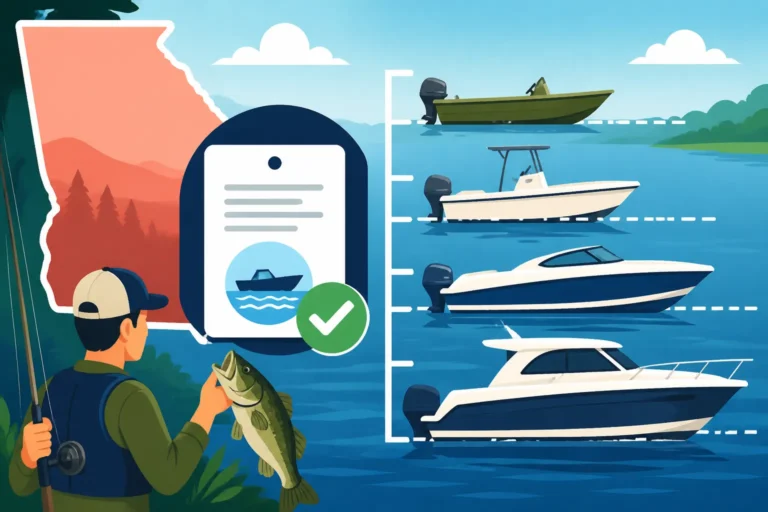
Generally speaking, in Georgia, most motorized vessels, regardless of length, need to be registered. This includes everything from bass boats and pontoon boats to jet skis. However, the rules get a little more nuanced when it comes to non-motorized vessels, which is where many sailboat owners find themselves scratching their heads.
For non-motorized boats, the key differentiator is usually size. Smaller vessels, like kayaks, canoes, and stand-up paddleboards, are often exempt from registration requirements. This is fantastic news for those who enjoy paddling around our many rivers and lakes, as it means less paperwork and more time on the water. However, once you start getting into larger non-motorized vessels, like many sailboats, the requirements can change. It’s not just about having a motor; it’s about the potential size and impact on the waterways. We covered some of these nuances in our article, Which Boats Are Exempt From Registration in Georgia.
The state views larger vessels differently, even if they're purely wind-powered. Think about it: a 25-foot sailboat has a much larger footprint and potential for interaction with other boats than a 10-foot kayak. This distinction is why it’s so important for sailboat owners to pay close attention to the specific length requirements, which we’ll delve into shortly.
The Difference Between Registration and Titling
It’s easy to confuse boat registration with boat titling, but they are two distinct processes that serve different legal functions. Understanding both is essential for responsible boat ownership in Georgia.
Registration, as we just discussed, is primarily about identification and permission to operate on state waters. When you register your boat, you receive a registration card and decals that must be displayed on your vessel. This registration is typically valid for a set period, after which it needs to be renewed. It's proof that your vessel is authorized to be out on the water. You can find more details on how this process works in our guide, Georgia Boat Registration Requirements Explained.
Titling, on the other hand, is about establishing legal ownership of the vessel. A boat title is similar to the title you receive for your car or truck. It's a legal document that proves you are the rightful owner. In Georgia, boats are typically required to be titled if they are 14 feet in length or longer, or if they are less than 14 feet but have a permanently attached motor, or if they are a personal watercraft. For many larger sailboats, both registration and titling will be required. This is a critical distinction, especially if you ever plan to sell your sailboat or if you purchase one from a previous owner. Without a proper title, proving ownership can become a nightmare, and transferring the vessel can be incredibly difficult. For a deeper dive into this, check out Georgia Boat Title vs Registration, What's the Difference and Georgia Boat Titling Process Explained.
Specifics for Sailboats Over 12 Feet
Now let's get down to the brass tacks for our sailing enthusiasts. The 12-foot mark is a significant threshold in Georgia's boating regulations when it comes to non-motorized vessels. If your sailboat measures over this length, you're generally going to need to take specific steps to ensure you're in compliance. This isn't just a suggestion; it's a legal requirement that keeps everyone on the water safer and accountable.
The reasoning behind this threshold is pretty straightforward. A smaller sailboat, like a Sunfish or a small dinghy, operates much differently than a larger cruising sailboat. Larger vessels have a greater draft, carry more sail, and often navigate in deeper, busier waters. They also represent a more significant investment and can cause more substantial issues if involved in an incident. The state wants to ensure these vessels are properly identified and their ownership tracked.
Why Sailboats Over a Certain Size Have Different Rules
The distinction for sailboats over 12 feet isn't arbitrary. It's rooted in practical considerations for safety, enforcement, and resource management on Georgia's lakes, rivers, and coastal waters. Imagine a bustling weekend on Lake Lanier, with everything from massive houseboats to small fishing skiffs. A 20-foot sailboat, with its mast and sails, demands a certain amount of space and attention, far more than a recreational paddleboard.
Here’s a quick breakdown of why these larger vessels fall under different scrutiny:
- Increased Visibility and Identification: A registered sailboat carries its unique identification number and decals, making it easily identifiable by DNR law enforcement officers, especially in an emergency. If your boat breaks down or goes adrift, that registration number is critical for its safe return or for rescue efforts.
- Safety Protocols: Larger vessels often navigate in more complex situations, requiring a better understanding of navigation rules and safety equipment. While registration itself doesn't directly dictate safety gear, it often goes hand-in-hand with ensuring a vessel meets certain standards. We will discuss safety gear in more detail below, but it's important to remember that safety and legal compliance are two sides of the same coin.
- Legal Ownership and Transfers: As mentioned, titling (which often accompanies registration for larger vessels) firmly establishes ownership. This is incredibly important for sales, inheritances, and resolving disputes. If you're looking to buy a used sailboat that's over 12 feet, always ensure the previous owner has a clear title to transfer to you. This protects both parties involved in the transaction.
- Revenue for Waterway Management: The fees associated with registration help fund vital programs related to waterway maintenance, safety patrols, public access points, and fish stocking efforts. So, while it might feel like another cost, your registration fee contributes directly to keeping Georgia's waterways enjoyable and safe for everyone.
The Registration Process for Your Sailboat
So, you've got a beautiful sailboat over 12 feet, and you're ready to get it registered. What's next? The process is generally straightforward, but it requires attention to detail and having all your paperwork in order. Here's a step-by-step guide to help you through it:
-
Gather Your Documents: This is often the most time-consuming part, but crucial. You'll typically need:
- Proof of Ownership: This could be a manufacturer’s statement of origin (MSO) for a new boat, a bill of sale if you purchased it used, or a previous Georgia title if you're transferring ownership. For homemade sailboats, you might need an affidavit of ownership and potentially a hull identification number (HIN) inspection.
- Proof of Georgia Residency: A valid Georgia driver's license or state ID will usually suffice. Non-residents who keep their boat in Georgia for an extended period might also need to register, though there are specific rules for out-of-state vessels.
- Boat Information: You'll need details like the make, model, year, hull identification number (HIN), length, and hull material.
Ensuring you have all these documents ready before you begin will save you a lot of back-and-forth. For new owners, this might seem daunting, but reputable boat dealers or private sellers should provide the necessary paperwork.
-
Complete the Application: The Georgia DNR provides the necessary application forms online or at their various offices. These forms require all the information you gathered in step one. Fill them out carefully and completely to avoid delays.
-
Pay the Required Fees: There are fees associated with both registration and titling, and these depend on the length of your vessel. For boats over 12 feet, your sailboat will likely fall into one of the higher fee tiers compared to smaller vessels. It's best to check the current fee schedule on the Georgia DNR website, as these can change. Remember, these fees contribute to the overall management and safety of Georgia's waterways. Our article, Georgia Boat Registration Fees by Boat Length, provides a good overview of how these costs are structured.
-
Submit Your Application: You can typically submit your application and documents either online, by mail, or in person at a DNR office or authorized agent. Online submission is often the quickest and most convenient method for many.
-
Receive Your Registration and Decals: Once your application is processed and approved, you'll receive your registration card and decals in the mail. The decals must be affixed to your sailboat in a specific location (usually on the bow) for easy visibility. Make sure to follow the instructions for proper placement. Your registration card should always be kept on board the vessel when in operation. If you ever need to replace a lost decal, you can usually do so through the DNR. You can learn more about proper decal placement in Where to Put Your Georgia Boat Registration Decal.
Here's a quick summary of the common documents you'll need:
| Document Type | Purpose | Notes |
|---|---|---|
| Proof of Ownership | Establishes who legally owns the sailboat | MSO (new), Bill of Sale (used), Previous Georgia Title, or Affidavit for homemade vessels |
| Valid ID | Verifies identity and residency | Georgia Driver's License or State ID |
| Completed Application | Official request for registration/title | Available online or at DNR offices |
| Boat Specifications | Provides details about the vessel | HIN, Make, Model, Length, Year, Hull Material |
| Payment for Fees | Covers registration and titling costs | Varies by boat length; check current DNR schedule |
Common Pitfalls and Important Considerations
Even with a clear understanding of the rules, it's easy to overlook small details that can lead to big headaches. When it comes to something as important as sailboat registration, being proactive and meticulous is your best defense against fines and frustrations. There are also unique situations, like owning a homemade vessel, that require special attention.
One common mistake is assuming that because your sailboat doesn't have a motor, it's automatically exempt. While this is true for smaller vessels, that 12-foot threshold for non-motorized boats is critical. Another pitfall is letting your registration lapse without realizing it. Life gets busy, and renewal notices can get lost in the shuffle.
Keeping Your Registration Current and Visible
Once you've gone through the effort of registering your sailboat, the next crucial step is to keep that registration current and ensure it's always properly displayed. Georgia boat registrations are typically valid for a set number of years before they need to be renewed.
- Renewal Reminders: The Georgia DNR usually sends out renewal notices as your expiration date approaches. However, it's always a good practice to mark your calendar or set a reminder yourself. Don't rely solely on a piece of mail that could get lost. Renewing on time prevents any lapse in your legal operating status. You can find more information on the renewal process in How to Renew Your Georgia Boat Registration.
- Displaying Decals Correctly: Your registration decals aren't just decorative stickers; they serve a legal purpose for identification. They must be visibly affixed to the forward half of both sides of your sailboat’s hull, above the waterline. The numbers should be contrasting in color to the hull and at least three inches high. It's not enough to just have them; they need to be displayed correctly and clearly visible at all times. A quick trip to a marine supply store like Bass Pro Shops can help you find high-quality, weather-resistant decals that will last.
- Carrying Your Registration Card: Always keep your current registration certificate onboard your sailboat whenever it's in operation. Think of it like your driver's license for your car. Law enforcement officers may ask to see it, and not having it readily available can cause unnecessary delays or issues. It's a small card, easy to keep in a waterproof bag or compartment.
What About Homemade or Undocumented Sailboats?
Sometimes, an angler might be embarking on a unique journey, perhaps building their own sailboat from scratch or acquiring an older, less formally documented vessel. These situations can add layers of complexity to the registration process, but they are by no means insurmountable.
- Homemade Sailboats: If you've poured your heart and soul into building a sailboat over 12 feet, congratulations! It's a tremendous accomplishment. However, you'll still need to register it. The primary challenge here is obtaining a Hull Identification Number (HIN) if one doesn't exist. The DNR will guide you through this process, which often involves an inspection to verify the boat's construction and assign a unique HIN. You'll also need to provide an affidavit of ownership, essentially a sworn statement that you built the boat and it belongs to you. This ensures that even unique vessels can be properly tracked and identified.
- Undocumented Vessels: An "undocumented" vessel generally refers to a boat that hasn't been registered or titled previously, or whose paperwork is lost or unclear. This can be common with older boats or vessels inherited without proper transfer documents. If you find yourself in this situation with a sailboat over 12 feet, it’s best to contact the Georgia DNR directly. They can provide specific guidance on how to establish a chain of ownership, obtain a title, and then proceed with registration. You might need to provide a bill of sale, photographs, or other evidence to prove you are the rightful owner. Don't try to circumvent the system; a little proactive work upfront can save you years of potential legal headaches. Many of the required forms for establishing ownership can be found on the DNR's website, and they are usually very helpful in these unique circumstances.
Sailing Legally and Responsibly in Georgia
Being a responsible boater in Georgia goes beyond just having your sailboat registered. It encompasses a broader commitment to safety, adherence to navigation rules, and a deep respect for our natural resources and fellow water users. A properly registered sailboat is a great start, but it's just one piece of the puzzle for a truly worry-free experience on the water.
This includes understanding other regulations, like those concerning fishing if you plan to cast a line from your sailboat, and general boating safety. It’s about being prepared for anything the water might throw at you and ensuring you’re not only compliant but also a good steward of our beautiful state.
Beyond Registration: Essential Safety Gear
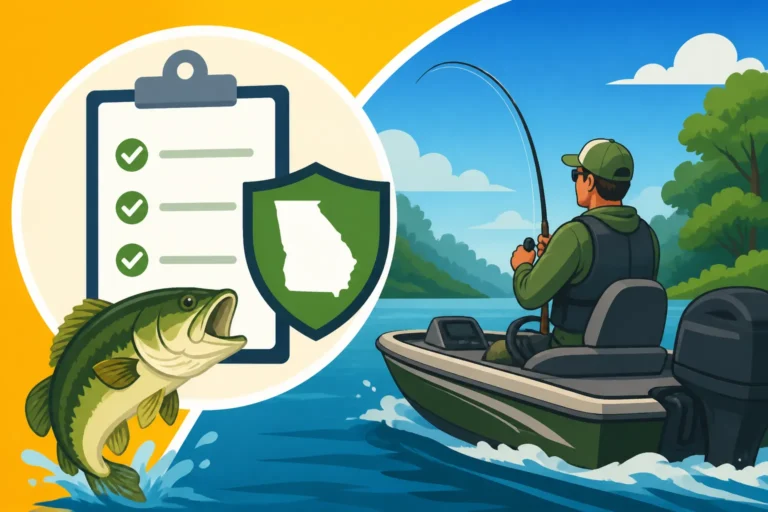
Just because your sailboat is legal doesn't mean it's safe. Every vessel, regardless of size, should be equipped with essential safety gear. This isn't just about avoiding a ticket; it's about protecting yourself, your passengers, and others on the water.
Here’s a look at some of the key safety items you should always have on board:
- Life Jackets (PFDs): This is non-negotiable. Every person on your sailboat must have a U.S. Coast Guard-approved wearable personal flotation device (PFD) readily accessible. Additionally, any child under the age of 13 must wear a PFD at all times when the vessel is underway. You can find a wide range of comfortable and reliable PFDs at retailers like Amazon or any local marine store. Knowing the specific rules for kids is vital, which we detail in Georgia Life Jacket Rules for Children Under 13.
- Throwable Flotation Device: For boats 16 feet and over (which many sailboats over 12 feet will be), you also need one throwable flotation device, like a cushion or a ring buoy. This is for someone who unexpectedly falls overboard.
- Visual Distress Signals: Unless your sailboat is less than 16 feet and used only during daylight hours, you’ll need visual distress signals. These can include flares, an orange distress flag, or an electronic distress signal. These are crucial for alerting others if you are in trouble.
- Sound-Producing Device: A whistle, horn, or bell is required to signal other vessels or alert them of danger, especially in low visibility.
- Fire Extinguisher: While not always mandatory for purely non-motorized sailboats without an enclosed fuel tank, it's a wise precaution, particularly if you have any auxiliary engine, a galley stove, or other potential ignition sources on board.
- Navigation Lights: If you plan to operate your sailboat between sunset and sunrise, or during periods of restricted visibility, you must have appropriate navigation lights displayed. This ensures other vessels can see you and understand your position.
- First-Aid Kit: A well-stocked first-aid kit can address minor injuries and make a big difference in an emergency.
Keeping a Safety Gear Checklist for a Day on Lake Lanier handy, even if you’re not on Lanier, is a great way to ensure you haven’t forgotten anything vital.
Planning for Smooth Sailing (and Avoiding Fines)
Beyond having all your paperwork and safety gear in order, truly responsible sailing in Georgia involves a bit of foresight and adherence to general boating etiquette and navigation rules.
- Know the Rules of the Road: Just like driving a car, there are specific "rules of the road" for boats. Understand right-of-way rules, especially when interacting with powerboats or other sailboats. Knowledge of navigation aids (buoys, markers) is also critical. A boater education course can be invaluable for new and experienced boaters alike.
- Check Weather Conditions: Always check the forecast before heading out, especially with a sailboat. Wind and storms can change rapidly, and being prepared means knowing when to stay docked.
- Respect No-Wake Zones and Speed Limits: These zones are in place for safety and to protect shorelines and other vessels. Even if your sailboat isn't making a big wake, understanding where these zones are is part of being a considerate boater.
- Environmental Responsibility: Pack out everything you pack in. Never litter, and be mindful of your impact on Georgia’s beautiful lakes, rivers, and coastal environments. Proper waste disposal is a key part of preserving our natural treasures.
- Fishing Licenses (if applicable): If you plan to drop a line from your registered sailboat, remember that you’ll also need a valid Georgia fishing license. A sailboat might be your vessel, but the rules for fishing apply whether you’re on a kayak or a yacht. Our Georgia Fishing License Guide can help you sort out those details.
- Understanding Penalties: If you're caught operating an unregistered boat, or without proper safety gear, you could face penalties. These can range from fines to more severe consequences, depending on the nature and severity of the violation. It's simply not worth the risk. Penalties for Fishing Without a License in Georgia touches on the importance of compliance, which extends to boat registration too.
By diligently following Georgia's sailboat registration rules for vessels over 12 feet, equipping your boat with essential safety gear, and practicing responsible boating habits, you're setting yourself up for countless enjoyable and stress-free days out on the water.
Disclaimer
This article is for general informational purposes only and does not constitute professional advice. Laws, prices and regulations vary by location and change over time. Consult a qualified professional for guidance on your specific situation.