Kayak Fishing Gear Guide for Beginners
Diving into kayak fishing can feel a bit like learning a new language – there's so much specialized gear, so many options, and it's easy to get overwhelmed trying to figure out what you really need to get started. Many aspiring anglers in Georgia dream of silently paddling through quiet coves or drifting down a peaceful river, but the sheer volume of choices can put the brakes on that dream before it even begins. This comprehensive guide is here to untangle the confusion, helping you understand the essential kayak fishing gear for beginners, making your entry into this fantastic sport both smooth and enjoyable.
Why Kayak Fishing is a Game-Changer for Georgia Anglers
Kayak fishing has exploded in popularity across Georgia, and for good reason! It offers a unique blend of adventure, tranquility, and incredibly effective fishing that traditional boats often can't match. If you've ever felt confined by boat ramps, limited by motor restrictions, or frustrated by the noise of an outboard, kayak fishing might just be your calling. It's a different way to experience Georgia's diverse waterways, from the mountain trout streams to the vast reservoirs and coastal marshes.
The Appeal of Stealth and Accessibility
One of the biggest draws of kayak fishing is the unparalleled stealth it offers. Imagine gliding silently along a shoreline, barely making a ripple, getting right into those shallow pockets where big bass love to hide without spooking them. Kayaks are incredibly quiet, allowing you to approach fish with a level of discretion that larger, noisier boats simply can't achieve. This stealth factor is a huge advantage, especially when targeting wary species like largemouth bass in our Georgia lakes or even spooky trout in clearer mountain streams.
Beyond stealth, kayaks unlock access to waters that are completely off-limits to traditional powerboats. Think about those hidden coves on Lake Lanier, the shallow backwaters of Lake Oconee, or the narrow tributaries leading into the Flint River. With a kayak, you can paddle into these untouched havens, often finding less pressured fish and enjoying a solitude that's hard to come by otherwise. This accessibility means more fishing grounds, more opportunities, and a more intimate connection with nature, which is often what draws us to the water in the first place. You'll discover hidden gems that few other anglers ever see.
Cost-Effectiveness Compared to Traditional Boats
Let's be honest, getting into boating can be a significant investment. The cost of a powerboat, trailer, maintenance, gas, and storage can quickly add up, creating a barrier for many anglers. Kayak fishing dramatically lowers that barrier. While there's certainly an initial investment for a fishing kayak and gear, it's generally a fraction of the cost of a motorized boat. This affordability makes kayak fishing an incredibly attractive option for beginners or those looking to expand their fishing horizons without draining their bank account.
Think about the ongoing expenses: no gas guzzling engines, often no need for expensive boat ramp fees or elaborate trailer setups, and significantly reduced insurance and maintenance costs. You can often car-top a kayak on your existing vehicle, eliminating the need for a dedicated trailer. This cost-effectiveness isn't just about the initial purchase; it's about the long-term savings that allow you to spend more time on the water, fishing, and less time worrying about budgets. It's truly a sport that opens up quality angling to a wider audience, letting more people enjoy Georgia's incredible fisheries.
Getting Started Without Breaking the Bank
While some high-end fishing kayaks can rival the price of a small car, you absolutely do not need to start there. For beginners, there are fantastic entry-level kayaks and essential gear options that are both affordable and highly functional. The key is to prioritize the necessities and gradually upgrade or add accessories as your skills and preferences evolve. Don't feel pressured to buy every gadget right away; focus on the core items that will get you safely and effectively on the water.
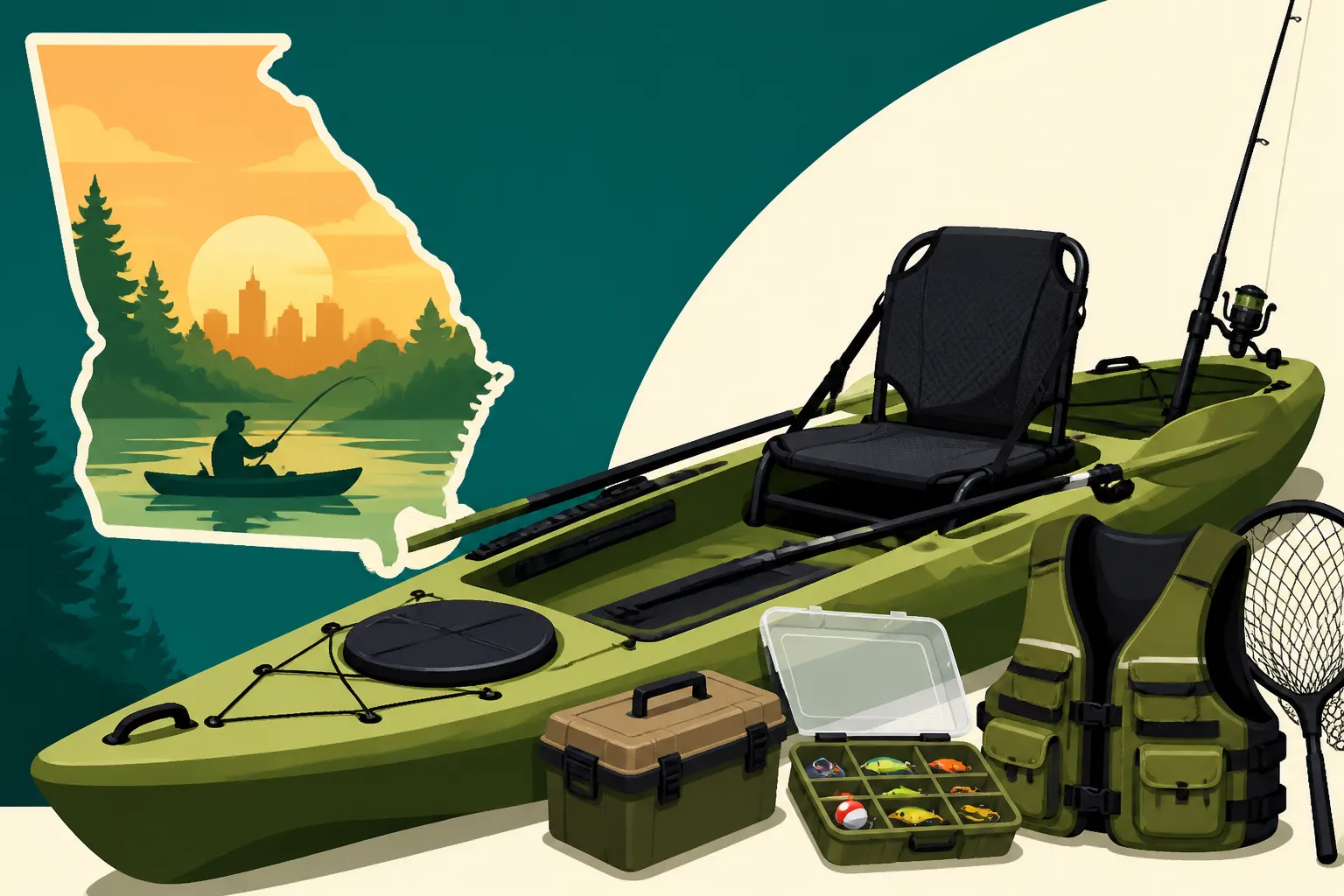
Many retailers, including big names like Bass Pro Shops and online giants like Amazon, offer a wide range of beginner-friendly kayaks and gear bundles. You can find solid, stable kayaks that are perfect for learning the ropes without overspending. Start with a basic sit-on-top kayak, a comfortable PFD, a reliable paddle, and your existing fishing rods. As you gain experience, you'll naturally figure out what additional items would truly enhance your specific fishing style and local Georgia waterways. The beauty is that you can ease into it, enjoying the process without the immediate financial strain.
Choosing Your First Fishing Kayak: Understanding the Options
The kayak itself is, of course, the cornerstone of your kayak fishing setup. With so many different designs and features, it can feel like a maze trying to pick the right one. But don't fret; understanding the basic categories and what they offer will simplify your decision significantly. The "best" kayak is truly the one that best fits your needs, the type of water you'll be fishing, and your budget.
Sit-on-Top vs. Sit-Inside Kayaks for Fishing
When it comes to fishing kayaks, the primary distinction you'll encounter is between sit-on-top (SOT) and sit-inside (SINK) models. For fishing, especially for beginners, sit-on-top kayaks are overwhelmingly the more popular choice, and for good reason. They are generally more stable, making them easier to get in and out of, and much simpler to re-enter if you happen to fall out, which is a big confidence booster for new paddlers. The open deck design provides ample space for gear, tackle boxes, and coolers, and scupper holes allow water to drain out, keeping you relatively dry even if a wave splashes over.
Sit-inside kayaks, while sometimes lighter and faster, enclose your lower body, which can feel restrictive for fishing. They have less open storage space, and re-entry after capsizing can be a significant challenge, especially in deeper water. While some anglers do fish from SINKs, for the vast majority of fishing applications in Georgia, particularly for bass, crappie, or even coastal redfish, a sit-on-top kayak will offer superior comfort, stability, and utility. Think about how much easier it is to maneuver a rod, handle a fish, or grab a lure when you have an open deck and unrestricted leg movement.
Here's a quick comparison of the two types:
| Feature | Sit-on-Top (SOT) Kayak | Sit-Inside (SINK) Kayak |
|---|---|---|
| Stability | Generally higher, especially wider models | Can be good, but often less forgiving for beginners |
| Re-entry | Very easy from the water | More challenging, requires specialized technique |
| Storage | Ample open deck space, tankwells, gear tracks | Limited open space, storage in bow/stern hatches |
| Comfort | Open feel, customizable seating | Enclosed cockpit, protection from elements |
| Fishing Focus | Excellent for most fishing, easy to stand (some) | Better for touring or specific techniques |
| Drainage | Scupper holes drain water | Cockpit can fill with water if capsized |
Pedal vs. Paddle vs. Motorized Kayaks
Once you've decided on a sit-on-top, the next big consideration is how you want to propel your kayak.
-
Paddle Kayaks: These are the most traditional and often the most budget-friendly option. You use a double-bladed paddle to move through the water. They are excellent for exercise, silent approaches, and navigating shallow, tight spaces. For a beginner, starting with a paddle kayak is a fantastic way to learn the basics of kayak handling and gain a feel for the water. Many excellent Best Kayaks for Fishing Georgia Lakes are paddle-powered.
-
Pedal Kayaks: These kayaks feature a pedal drive system (like a bicycle) that powers a propeller or fins underneath the boat. This frees up your hands for fishing, which is a huge advantage. Imagine being able to cast, retrieve, fight a fish, and even grab a net, all while maintaining position or slowly trolling. Pedal kayaks are often more expensive but offer incredible efficiency and hands-free operation. They excel in open water or when you need to cover significant distances.
-
Motorized Kayaks: Some kayaks are designed to accept small electric trolling motors, or you can add aftermarket kits to many paddle or pedal kayaks. These offer the ultimate in effortless propulsion, allowing you to cover vast distances with minimal physical exertion. However, they are the heaviest, most expensive, and require battery management. They also lose some of the "stealth" factor and introduce the need for registration in Georgia if the motor exceeds a certain horsepower or if the kayak is over a certain length and motorized. For a beginner, a motorized kayak might be an aspirational goal, but usually not the starting point.
For your first kayak, a paddle-driven SOT is often the wisest choice. It's the most affordable, teaches you fundamental paddling skills, and is perfectly capable of getting you into fantastic fishing spots all over Georgia. You can always add a pedal drive or motor later if you find yourself wanting those features.
Stability, Length, and Weight Considerations
When choosing your kayak, keep these factors in mind:
-
Stability: This is crucial, especially for beginners. Wider kayaks (30 inches or more) with flatter hulls tend to be more stable, giving you confidence as you learn to balance and move around. Some advanced fishing kayaks even allow you to stand up and cast, but for your first kayak, prioritize sitting stability. You want to feel secure on the water, not like you're about to tip over.
-
Length: Longer kayaks (12 feet and up) generally track straighter and are faster, making them good for covering distance on larger bodies of water like Lake Oconee or Clarks Hill Lake. Shorter kayaks (under 12 feet) are more maneuverable and lighter, which is great for smaller rivers, tight coves, or easier transport. A good all-around length for a beginner is often between 10 and 12 feet.
-
Weight: Consider how you'll be transporting your kayak. If you plan to car-top it alone, a lighter kayak (under 70 lbs) will be much easier to load and unload. Heavier kayaks (especially pedal or motorized models) often require a trailer or two people to move. Remember, you'll also be adding gear, so the total weight you're managing can be substantial. Think realistically about your physical capabilities and transportation setup when looking at kayak weight. You can often check specs on websites like Amazon or Bass Pro Shops.
Essential Paddle, PFD, and Safety Gear
You've got your kayak, now what? The next most critical items are your paddle, a reliable Personal Flotation Device (PFD), and a few key safety pieces. These aren't just accessories; they are non-negotiable for a safe and enjoyable experience on the water, especially in Georgia's diverse and sometimes unpredictable conditions. Skipping these items is simply not an option.
Selecting the Right Paddle
Your paddle is your engine, and a good one makes a world of difference in your comfort and efficiency. For sit-on-top kayaks, you'll typically need a longer paddle than for sit-inside models, generally between 230-260 cm, depending on your height and the width of your kayak. It's a common beginner mistake to choose a paddle that's too short, leading to awkward strokes and splashes.
When choosing a paddle, consider the following:
- Length: As mentioned, match it to your height and kayak width. A quick rule of thumb is to hold the paddle vertically in front of you; your top hand should reach the top of the blade or slightly above.
- Material: Aluminum paddles are affordable and durable, great for beginners. Fiberglass paddles are lighter and more efficient. Carbon fiber is the lightest and most expensive, offering peak performance. Start with aluminum or fiberglass for a good balance of cost and performance.
- Blade Shape: Wider, shorter blades are good for high-angle, powerful strokes. Longer, narrower blades are better for low-angle, efficient touring. For general fishing, a versatile mid-sized blade is usually ideal.
- Two-Piece Design: Many paddles break down into two pieces, making them much easier to transport and store. This is a very convenient feature for kayak anglers.
Investing in a decent paddle will reduce fatigue and make your paddling experience much more pleasant. You'll thank yourself after a long day chasing bass on the Chattahoochee. Don't forget to check out our guide on Best Kayak Paddle for Bass Fishing for more in-depth advice.
Personal Flotation Devices PFDs: Your Lifeline
This cannot be stressed enough: Always wear a PFD while kayak fishing. It's not just a recommendation; in many cases, it's a legal requirement, and more importantly, it's a matter of life or death. Even strong swimmers can get into trouble quickly if they fall into cold water, hit their head, or become disoriented. A PFD is your most critical piece of safety gear.
For kayak fishing, look for a PFD specifically designed for paddling or fishing. These often feature:
- Comfort: Modern fishing PFDs are designed to be comfortable and non-restrictive, with larger armholes to allow for casting and paddling movements.
- Pockets: Many include multiple pockets for small tackle boxes, pliers, or other essentials, acting like a wearable tackle vest.
- Adjustability: Multiple adjustment straps ensure a snug, secure fit.
- Ventilation: Good ventilation helps keep you cool on warm Georgia days.
Make sure your PFD is Coast Guard-approved and fits you properly. It should be snug but not uncomfortably tight, and it shouldn't ride up when you're in the water. Remember, a PFD only works if you're wearing it. Check out Best Life Jacket for Kayak Fishing for specific recommendations.
Anchors, Ropes, and Other Safety Must-Haves
Beyond the PFD, several other items are crucial for safety and control:
- Anchor: A small, lightweight anchor (1.5-3 lbs) with about 50 feet of anchor line is invaluable for holding your position in current or wind. A grapnel anchor that folds up is perfect for kayaks. You'll definitely want one for fishing specific spots on Georgia's larger reservoirs. Consider a drag chain or a homemade anchor for river fishing to slow your drift without completely stopping. For more information, see Best Kayak Anchor for Georgia Rivers.
- Anchor Trolley: This system allows you to easily move your anchor line from the bow to the stern of your kayak, letting you pivot and position yourself precisely against current or wind without having to pull the anchor and re-deploy it. It's a game-changer for control.
- Paddle Leash: This simple strap attaches your paddle to your kayak. If you accidentally drop your paddle while fighting a fish or reeling in, it won't float away. Trust me, it happens!
- Rod Leash: Similar to a paddle leash, this keeps your expensive fishing rod from becoming a permanent resident of the lake bottom.
- Sound Signaling Device: A whistle is legally required on boats (including kayaks) in many areas of Georgia. It's a small, inexpensive item that can be critical for signaling in an emergency. Do You Need a Whistle on a Kayak in Georgia? explains this further.
- Drain Plug: Don't leave the house without it! Even SOT kayaks have one, and you'll need it to keep water out of your hull.
- First-Aid Kit: A small, waterproof kit with basics for minor cuts, scrapes, and insect bites is always a good idea.
- Waterproof Bag/Dry Box: Keep your phone, keys, wallet, and other electronics safe and dry. A Best Dry Bag for Kayak Fishing Trips is essential.
- Headlamp/Navigational Light: If there's any chance you'll be on the water near dawn, dusk, or after dark, you must have proper lighting. A 360-degree white light (often an LED pole light) is typically required for visibility.
Being prepared with these safety essentials ensures that your focus can remain on the fishing, not on potential hazards. It's all about responsible angling.
Rods, Reels, and Tackle Management on a Kayak
Transitioning from bank fishing or larger boats to a kayak often means rethinking your rod and reel setup and, crucially, how you manage your tackle. Space is at a premium, and efficiency becomes key. You want to bring enough to be versatile, but not so much that you're cluttered or overloaded.
Kayak-Specific Rods and Reel Setups
While you can certainly start with the rods and reels you already own, many experienced kayak anglers opt for slightly shorter rods. A typical 7-foot bass rod might feel a bit long when sitting low in a kayak, especially when casting in tight quarters or trying to land a fish close to the boat. Rods in the 6'6" to 7' range are often preferred for kayak fishing, offering a good balance of casting distance and maneuverability.
Consider a medium-light or medium-action spinning rod for versatility, capable of handling a variety of lures and fish species you'll encounter in Georgia, from crappie to smaller bass. For those targeting larger bass or using heavier techniques, a medium-heavy baitcasting setup might be more appropriate. The key is to have rods that are comfortable to handle from a seated position and that allow for easy, controlled casting without hitting the kayak itself. Two to three rigged rods are usually plenty for a day on the water, allowing you to quickly switch between presentations without retying.
Creative Tackle Storage Solutions
This is where kayak fishing really demands some innovation. You can't just throw a big tackle box onto the deck. Space is precious, and everything needs to be secure to prevent it from floating away if you capsize or hit rough water.
Here are some popular and effective tackle management strategies:
- Small, Waterproof Tackle Boxes: Instead of one large box, use several smaller, waterproof boxes, each dedicated to a specific type of lure (e.g., one for crankbaits, one for soft plastics, one for jigs). These can fit into hatches, tankwells, or even the pockets of your PFD.
- Milk Crates/Storage Bins: A simple plastic milk crate or a dedicated kayak storage crate (often with rod holders built-in) fits perfectly in the stern tankwell of most sit-on-top kayaks. You can customize these with PVC tubes for rod holders or bungee cords to secure your tackle boxes and a small cooler.
- Bags and Pouches: Waterproof bags and soft tackle bags designed for kayaks are excellent for keeping items organized and protected. Many anglers use soft-sided cooler bags for bait, drinks, and even small tackle boxes.
- Gear Tracks and Mounts: Many modern fishing kayaks come equipped with gear tracks. These allow you to mount various accessories like rod holders, fish finder displays, and camera mounts without drilling holes into your kayak. This modularity is fantastic for customizing your setup.
The goal is to keep essential tackle easily accessible but securely stowed. There's nothing more frustrating than losing your favorite lure to the deep or having your tackle scattered across the deck after hitting a wake.
Rod Holders and Mounts for Hands-Free Fishing
Rod holders are absolutely essential for kayak fishing. They allow you to:
- Troll: Drag a lure behind you as you paddle or pedal.
- Hold Unused Rods: Keep multiple rods rigged and ready for quick changes.
- Keep Rods Safe: Secure your rods while paddling, landing a fish, or re-tying.
There are several types of rod holders:
- Flush Mount Holders: These are built into the kayak and offer a low-profile way to store rods, usually in the stern.
- Deck Mount Holders: These screw into the deck (or attach to gear tracks) and allow you to position your rod at various angles. Many are adjustable and rotate. Brands like Scotty and Ram Mounts are very popular for their versatility and durability. You can find these at Bass Pro Shops or via Amazon.
- Crate Rod Holders: As mentioned, many storage crates have integrated rod holders or allow for easy attachment of PVC tubes to serve as holders.
Having multiple rod holders gives you flexibility. You might want one for trolling directly behind you, and another off to the side for a bait rig or to simply hold your primary rod while you net a fish. Learning How to Rig a Kayak for Fishing effectively often starts with smart rod and tackle management.
Navigational and Electronic Aids for Kayak Anglers
While the simplicity of kayak fishing is part of its charm, a few electronic aids can significantly enhance your experience, helping you find fish, navigate safely, and make the most of your time on Georgia's waters. For beginners, start simple, and expand as you gain confidence and experience.
Basic Fish Finders and GPS Units
A fish finder might seem like an advanced piece of gear, but even a basic model can be a huge asset. Modern kayak-friendly fish finders are compact, battery-powered, and relatively easy to install. They do more than just "find fish"; they help you:
- Map Bottom Structure: Identify ledges, humps, brush piles, and drop-offs where fish often congregate.
- Read Water Depth: Crucial for safety and locating target species.
- Monitor Water Temperature: Another key factor influencing fish behavior.
- Spot Baitfish Schools: Where there's bait, there are usually predators.
Many entry-level units combine a fish finder with basic GPS capabilities, allowing you to mark waypoints for productive fishing spots or navigate back to your launch point. This is invaluable, especially on larger, unfamiliar lakes like Lake Lanier or Lake Hartwell. Brands like Humminbird and Garmin offer excellent compact models perfect for kayaks. You don't need the biggest screen or the most advanced features to get a lot of value from a fish finder; a simple clear display of depth and structure is enough to start.
Powering Your Electronics: Batteries and Chargers
If you opt for a fish finder, you'll need a way to power it. Most kayak electronics run on small 12-volt sealed lead-acid (SLA) batteries or increasingly popular lithium-ion batteries.
- SLA Batteries: These are affordable and reliable, though heavier and larger than lithium options. A 7Ah or 10Ah SLA battery is usually sufficient to power a fish finder for a full day of fishing.
- Lithium Batteries: Lighter, more compact, and hold a charge longer, but they are more expensive. They are becoming the preferred choice for serious kayak anglers.
Whichever type you choose, ensure you have a dedicated waterproof battery box or bag to protect the battery from splashes and moisture. A good quality smart charger is also essential to keep your battery topped up and extend its lifespan. Always check the battery's charge level before heading out, as a dead battery can quickly turn a productive day into a frustrating one.
Lights and Visibility for Low-Light Conditions
Safety on the water, especially during low light, is paramount. If you plan to be on the water before sunrise, after sunset, or anytime visibility is low (fog, heavy clouds), proper lighting is legally required and critical for your safety.
- 360-Degree White Light: The most important light. This is typically a bright white LED light mounted on a pole (often telescoping) that illuminates 360 degrees around your kayak, making you visible to other boaters. This is a must-have for early morning or late evening fishing.
- Headlamp/Flashlight: A waterproof headlamp is incredibly useful for tying knots, rummaging through your tackle, or navigating in the dark. It frees up your hands for other tasks.
- Reflective Tape: Adding reflective tape to your paddle blades and the sides of your kayak can increase your passive visibility, especially if another boat shines a light on you.
Always err on the side of caution when it comes to visibility. Other boaters, especially those in larger, faster vessels, may not expect to see a small kayak. Making yourself as visible as possible is a critical aspect of safe kayak fishing.
Comfort and Convenience: Making Your Trip Enjoyable
Kayak fishing is an endurance sport, especially if you plan on spending several hours on the water. Prioritizing comfort and convenience isn't a luxury; it's a necessity that directly impacts how much you enjoy your time and how long you can comfortably fish. From staying dry to protecting yourself from the sun, these items make a big difference.
Kayak Seats and Back Support
The factory seat that comes with an entry-level kayak is often basic and can lead to discomfort, even pain, after just an hour or two. This is one of the first areas where many beginners choose to upgrade. A comfortable seat makes all the difference for extending your fishing day.
Look for aftermarket kayak seats that offer:
- Ample Padding: Thick, supportive padding for your bottom and back.
- Adjustable Back Support: High backrests that can be adjusted to support your lumbar region are crucial.
- Breathable Material: Mesh materials help with ventilation, preventing sweat and discomfort.
- Elevated Seating: Some premium seats are designed to sit higher off the kayak floor, offering a better vantage point and making it easier to stand (on very stable kayaks).
A comfortable seat reduces fatigue, allows for better posture, and keeps you focused on fishing instead of fidgeting. Don't underestimate the power of a good seat – it can transform your kayak fishing experience.
Hydration, Coolers, and Dry Storage
Staying hydrated and keeping your provisions secure are key to a successful and comfortable trip. Georgia summers can be brutal, and dehydration can set in quickly.
- Water Bottle/Hydration Pack: Always bring more water than you think you'll need. A large reusable water bottle or a hydration pack (like a CamelBak) that fits into your PFD or seat pocket is ideal.
- Small Cooler: A soft-sided or small hard-sided cooler (like a Yeti or RTIC personal cooler) is perfect for keeping drinks, snacks, and any fish you decide to keep for dinner. Secure it in your tankwell with bungee cords. Many anglers choose coolers that fit neatly under their seat or in a designated space.
- Dry Bags/Containers: Beyond the critical items like phones and keys, having additional dry storage for extra layers of clothing, a towel, or other personal items is smart. Even if your kayak has dry hatches, using dry bags within them offers an extra layer of protection, especially for valuable electronics. Best Dry Bag for Kayak Fishing Trips is highly recommended.
Remember to pack out everything you pack in. Leave no trace!
Protecting Yourself from the Elements
Being out on the water means direct exposure to the sun, wind, and potentially rain. Protecting yourself is vital for health and comfort.
- Sun Protection: This is paramount in Georgia.
- Sunscreen: High SPF, waterproof sunscreen applied liberally and frequently.
- Wide-Brimmed Hat: Protects your face, neck, and ears.
- Sunglasses: Polarized sunglasses not only protect your eyes but also cut glare, helping you spot fish and submerged structure.
- UPF Clothing: Long-sleeved shirts and pants made from quick-drying, UPF-rated fabric offer excellent sun protection. Look for lightweight, breathable materials.
- Rain Gear: Even if the forecast looks clear, a lightweight, packable rain jacket is a smart item to stow in your dry bag. Pop-up showers can happen quickly in Georgia.
- Layers: Depending on the season, dress in layers. Mornings can be cool, while afternoons can get very warm. Being able to shed or add layers helps regulate your body temperature.
Think about how much time you'll be spending in direct sunlight. Preventing sunburn and heat exhaustion ensures you can enjoy your entire day, and many more days on the water in the future.
Transporting and Launching Your Kayak
One of the biggest advantages of kayak fishing is the ease of transport and launch compared to larger boats. However, there are still some considerations, especially if you're venturing out solo or to less developed launch points. Planning this part of your trip correctly can save you a lot of back pain and frustration.
Car Topping vs. Trailers
How you get your kayak from home to the water largely depends on its weight, your vehicle, and your physical capabilities.
-
Car Topping: For lighter kayaks (under 70-80 lbs), car topping is often the preferred method.
- Roof Racks: A sturdy roof rack system (crossbars) is essential. Kayak specific cradles or foam blocks on the crossbars protect your kayak and keep it secure.
- Tie-Down Straps: Always use bow and stern tie-downs in addition to straps over the middle of the kayak. This prevents the kayak from shifting or lifting at highway speeds.
- Loading Aids: Loading a kayak onto a tall vehicle can be tricky alone. Look into loading aids like rollers or side-loading extensions that make the process much easier.
- Pros: No need for a separate trailer, easier to access tight launch spots.
- Cons: Can be physically demanding, especially with heavier kayaks or taller vehicles.
-
Trailers: For heavier, longer kayaks, or if you plan to transport multiple kayaks, a small utility or kayak-specific trailer is a great investment.
- Kayak Trailers: These are designed specifically for kayaks, often with multiple bunks or cradles. They are lightweight and easy to tow.
- Utility Trailers: A small flatbed trailer can be adapted for kayak transport with some DIY modifications.
- Pros: Easier loading and unloading, especially for heavy kayaks; can transport more gear.
- Cons: Additional cost for the trailer, registration, and maintenance; requires a vehicle with a hitch; limits access to certain launch points.
Consider how often you'll be transporting your kayak and over what distances. For local trips to spots like the local Public Fishing Areas, car topping might be fine. For longer hauls to Lake Seminole or the coast, a trailer could be more comfortable.
Launching Techniques for Solo Anglers
Launching and retrieving your kayak, especially alone, requires a bit of technique and the right gear. Many of Georgia's boat ramps are designed for powerboats, not necessarily easy kayak access, but with practice, you'll become a pro.
- Kayak Carts: A Best Kayak Cart for Boat Ramp Launches is a lifesaver. These wheeled devices allow you to easily roll your fully loaded kayak from your vehicle to the water, saving your back and making solo launches much more feasible. Look for carts with robust wheels that can handle various terrains.
- Shallow Water Launch: If possible, find a shallow, gently sloping bank or a dedicated kayak launch. This allows you to float your kayak in minimal water and then easily step in.
- Boat Ramp Etiquette: When using a busy boat ramp, be quick and efficient. Prepare all your gear before backing down the ramp. Get your kayak off the ramp as soon as it's launched to allow others to use it.
- Tidal Launches (Coastal Georgia): If you're fishing saltwater, pay close attention to tide charts. Launching at high tide might be easy, but a low-tide return could mean a long, muddy portage.
Practicing your launch technique a few times when it's not busy will build confidence. The easier you make the launch and retrieve, the more often you'll want to go fishing.
Kayak Carts and Mobility Aids
As mentioned, a kayak cart is truly one of the best investments for a kayak angler. It transforms a heavy, awkward load into something manageable.
- Wheel Type: Pneumatic tires are great for soft sand or rough terrain, while solid rubber wheels are durable and maintenance-free, ideal for pavement and hard-packed trails.
- Frame Design: Look for a sturdy, corrosion-resistant frame (aluminum is common). Some carts are designed to strap to the middle of the kayak, while others slide through scupper holes.
- Portability: Many carts fold down for easy storage inside your kayak or vehicle.
Beyond the cart, simple things like a small, retractable tape measure for checking fish size, a sturdy pair of pliers for hook removal, and a fish gripper can make handling fish much safer and easier. Remember Georgia Fish Size and Creel Limits before you decide to keep anything!
Maintenance and Longevity of Your Kayak Gear
Just like any other piece of fishing equipment, your kayak and gear will last longer and perform better with proper care and maintenance. A little effort after each trip goes a long way in protecting your investment and ensuring everything is ready for your next adventure on the water.
Post-Trip Cleaning and Storage
This is probably the most overlooked aspect for many beginners, but it's crucial.
- Rinse Your Kayak: After every trip, especially from saltwater or brackish water, thoroughly rinse your kayak with fresh water. This removes salt, sand, mud, and any other debris that can cause wear and tear or dull the finish. Pay special attention to pedal drive wells or scupper holes.
- Clean Gear: Rinse your PFD, paddle, rods, reels, and any other gear that got wet. Dry everything completely before storing to prevent mildew and corrosion.
- Remove Electronics: Always remove your fish finder unit, battery, and any other electronics from the kayak and store them separately in a dry, temperate place.
- Store Properly:
- Out of Direct Sunlight: UV rays are a kayak's worst enemy, causing plastic to degrade and become brittle over time. Store your kayak in a garage, shed, or under a tarp.
- Off the Ground: Store your kayak on sawhorses, a wall rack, or a dedicated kayak stand to prevent flat spots on the hull and allow for proper airflow.
- Loose Tie-Downs: If storing on a trailer or rack, loosen tie-down straps to prevent permanent deformation of the hull.
- Keep Hatches Open (slightly): If your kayak has dry hatches, opening them slightly allows air circulation and prevents mildew.
A clean, properly stored kayak is a happy kayak, and it will be ready to go when you are.
Routine Checks and Minor Repairs
Before and after each trip, take a few minutes to inspect your kayak and gear.
- Hull Inspection: Look for any dings, deep scratches, or cracks in the hull. Most minor plastic kayak damage can be repaired with a heat gun or specialized plastic welding kits.
- Hardware Check: Ensure all screws, bolts, and rivets are tight on rod holders, seat attachments, and other mounted accessories. Loose hardware can lead to lost gear or compromised stability.
- Bungee Cords/Straps: Check bungee cords and tie-down straps for fraying or elasticity loss. Replace them as needed. These are vital for securing your gear.
- Paddle Blades: Inspect your paddle blades for chips or cracks.
- PFD Condition: Check the PFD for tears, degraded foam, or broken buckles. A damaged PFD might not perform correctly in an emergency.
- Rod and Reel Function: Give your reels a quick check for smooth operation, and ensure rod guides aren't bent or broken.
Catching minor issues early can prevent them from becoming bigger, more expensive problems down the line. Preventative maintenance is always cheaper than reactive repairs.
Winterizing Your Kayak for the Off-Season
While Georgia's mild winters often mean year-round fishing opportunities, if you do decide to put your kayak away for an extended period, especially in colder climates, some "winterizing" steps are beneficial.
- Deep Clean: Give your kayak a thorough wash, inside and out. Remove all gear.
- Lubricate Moving Parts: If your kayak has a pedal drive, rudder system, or other moving parts, consult the manufacturer's guide for lubrication points.
- Remove Batteries: Take out all batteries from fish finders, trolling motors, and store them in a cool, dry place. Charge them periodically throughout the off-season.
- Cover: If storing outdoors, use a breathable kayak cover to protect it from the elements while allowing moisture to escape. Avoid airtight covers which can trap condensation.
- Rod/Reel Maintenance: Perform annual cleaning and lubrication on your rods and reels before storing them.
- Inflate Tires (if applicable): If your kayak cart has pneumatic tires, ensure they are properly inflated before storing to prevent flat spots.
Taking these steps ensures that when spring rolls around, and you're ready to hit the Best Spring Bass Fishing Spots in Georgia, your kayak will be in prime condition, ready for many more seasons of angling adventures.
Disclaimer
This article is for general informational purposes only and does not constitute professional advice. Laws, prices and regulations vary by location and change over time. Consult a qualified professional for guidance on your specific situation.