Redfish: One of Georgia’s Official State Fish
Oh, the Georgia coast holds so many treasures, and one of the most exciting, and often misunderstood, is the magnificent redfish. If you've ever cast a line into our saltwater estuaries, you know the thrill of a powerful tug, but understanding the fish on the other end can make all the difference. This guide is all about shining a light on Georgia's beloved redfish – from why it holds a special place in our state's angling heart to how you can best encounter and appreciate this feisty coastal dweller.
Redfish: Georgia's Official Coastal Ambassador
It's easy to just think of redfish as another game fish, but here in Georgia, they're much more than that. They represent the vibrant health of our coastal ecosystems and offer an incredible angling experience that draws people to our beautiful marshlands year after year. For many, the sight of a redfish tailing in the shallows is the ultimate signal of a perfect day on the water.
What Makes Redfish a Georgia State Fish?
When we talk about our state's official fish, many anglers immediately think of the largemouth bass for freshwater or maybe even the brook trout in our mountain streams. But our saltwater environments are equally important, and that's where the redfish truly shines as a representative. It's officially recognized as one of Georgia's three state fish (along with the largemouth bass and brook trout), a testament to its ecological importance and its popularity among recreational anglers. This recognition isn't just symbolic; it highlights the critical role redfish play in our coastal economy and conservation efforts. It means that there's a concerted effort to ensure these fish thrive for generations to come, which is something every angler can appreciate. They are truly an iconic species that defines the unique fishing culture of our coast.
Identifying a Georgia Redfish
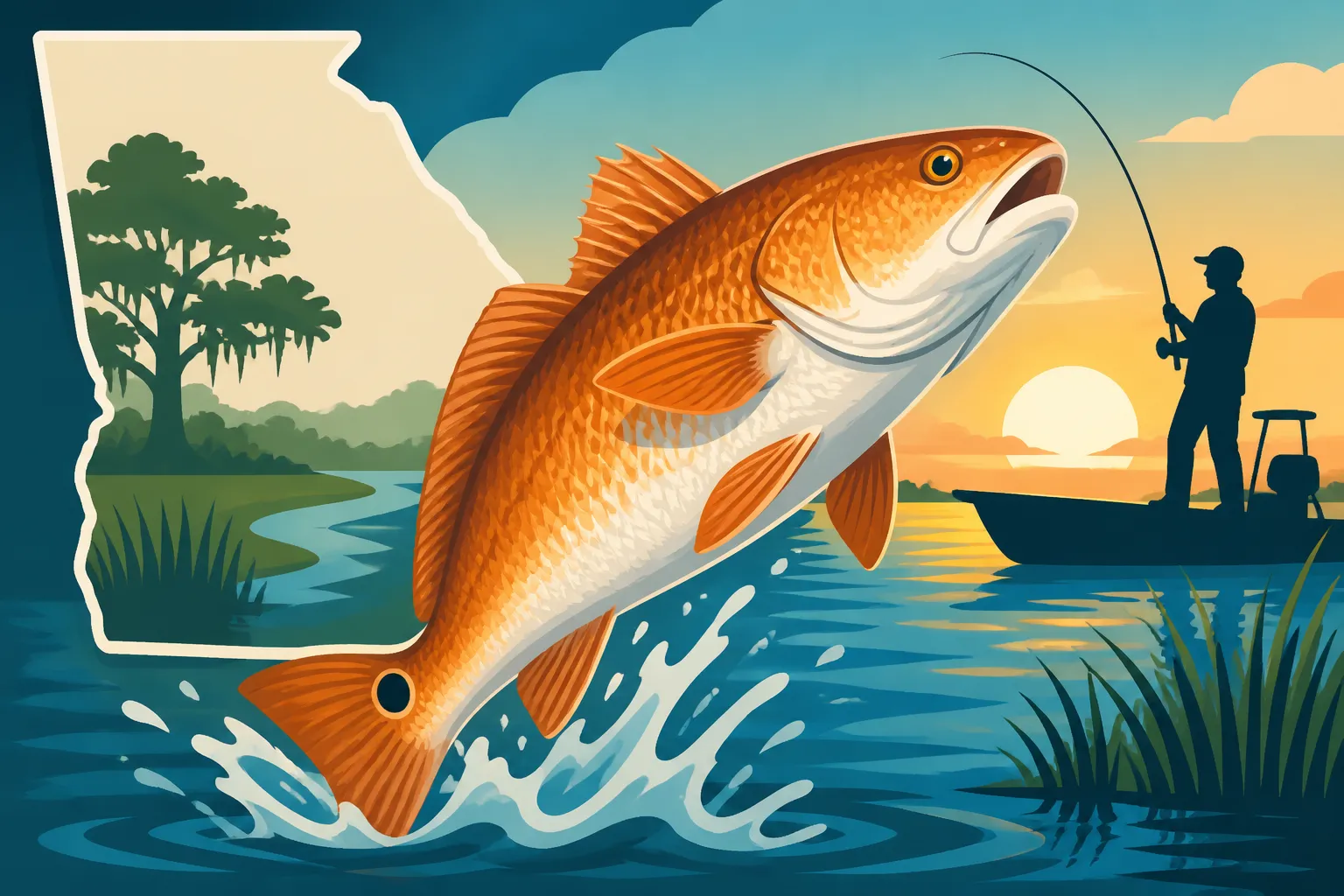
The redfish, also known as red drum, channel bass, or spot-tail bass, is a distinctive creature of our inshore waters. Their bodies are typically coppery-bronze to reddish-brown on the back, fading to a lighter, almost white, belly. This coloration helps them blend seamlessly into the tannin-stained waters of our marshes and mudflats. The most iconic feature, however, is the prominent, usually single, black spot at the base of their tail fin, though some individuals might have multiple spots or even none at all. This spot is believed to confuse predators by making them strike at the tail rather than the head, giving the redfish a chance to escape. Their strong, streamlined bodies and powerful tails are built for bursts of speed and endurance, making them formidable fighters on the end of a line. Knowing how to identify a redfish quickly can save you from mistakenly keeping an out-of-season or undersized fish, so it's a great skill to hone. For a deeper dive, check out our guide on How to Identify a Redfish.
Where to Find Redfish in Georgia
Georgia's coast is a vast, intricate network of salt marshes, tidal creeks, and estuaries, providing the perfect habitat for redfish. Unlike some other species that might migrate offshore, redfish are true residents of these inshore waters, making them a reliable target for anglers willing to explore. From Brunswick to St. Simons Island, the opportunities abound.
Coastal Habitats and Preferred Zones
Redfish absolutely thrive in the shallow, brackish waters of Georgia's estuaries. They love areas with plenty of natural structure, like oyster beds, spartina grass lines, and submerged snags. These spots offer both ambush points for feeding and protection from larger predators. You'll often find them cruising the edges of marsh grass at high tide, rooting around for crabs and shrimp, or hunkering down in deeper pockets and creek bends during low tide. The key is to think like a redfish: where would you find food and safety? Our Coastal Georgia Fishing Spots Guide offers a fantastic overview of these areas. From the intricate backwaters near Darien to the broader expanses around Savannah, the habitat is rich and diverse, providing ample opportunities for anglers. Don't forget that understanding these specific areas can greatly increase your success rate.
Best Times and Tides for Redfish Action
Timing is everything when it comes to redfish. While you can technically catch them year-round, certain seasons and tides offer better chances. Spring and fall are often considered prime time, as the water temperatures are moderate, and the fish are actively feeding. During these seasons, large schools of "bull reds" (larger, breeding-sized redfish) might congregate in deeper channels and near inlets, offering a different challenge than the smaller, solitary fish found in the skinny water.
Tides are perhaps even more crucial than the season for inshore redfish. Moving water is almost always better than slack tide.
- Incoming Tide: As the tide floods the marsh, redfish push into the grass to hunt for crustaceans and small baitfish that have been uncovered. This is a fantastic time for sight fishing if the water is clear enough, as you can often spot their tails breaking the surface.
- Outgoing Tide: As the water recedes, redfish often stage at the mouths of small creeks or along oyster bars, waiting for bait to be swept out of the marsh. This can be a great time for ambush predators to strike a well-placed lure or bait.
Knowing these patterns can significantly impact your success. Check out St. Simons Island Redfish Fishing Spots for ideas on where these tidal patterns create prime opportunities. Remember, a Georgia Saltwater Information Permit Explained is typically needed for saltwater fishing, even if it's free, so make sure you're squared away before heading out!
Gear Up for Georgia Redfish
Getting the right equipment makes a huge difference, especially when you're battling a powerful redfish. You don't need to break the bank, but having gear that can stand up to the fight and the harsh saltwater environment is essential.
Recommended Rods, Reels, and Line
For general inshore redfish fishing, a medium-heavy spinning rod or baitcasting rod, around 7 to 7.5 feet in length, is a versatile choice. This length gives you good casting distance and enough backbone to handle a strong fish without being too cumbersome in tight quarters. The action should be fast, meaning the rod bends primarily in the tip, which allows for quick hook sets.
When it comes to reels, choose something durable and saltwater-resistant. A 3000 to 4000 series spinning reel or a low-profile baitcasting reel with a good drag system will suffice for most inshore reds. Spool your reel with 15 to 20-pound braided line. Braid offers superior casting distance, sensitivity, and strength for its diameter. I typically add a 2-3 foot leader of 20 to 30-pound fluorocarbon line, which is less visible to the fish and more abrasion-resistant against oyster shells and other structures. You can find excellent options for rods, reels, and braided line on Amazon, often with helpful reviews from other anglers.
Top Baits and Lures for Redfish
Redfish aren't particularly picky eaters, which is great news for anglers! They're opportunistic feeders, and a variety of baits and lures can entice them.
| Bait/Lure Type | Description | Best Use Case |
|---|---|---|
| Live Shrimp | The quintessential redfish bait. Fished under a popping cork or free-lined. | Almost always effective, especially in clear water. |
| Mud Minnows / Finger Mullet | Live baitfish that redfish can't resist. Often fished on a Carolina rig or under a float. | Great for targeting larger reds or when shrimp aren't available. |
| Cut Bait | Chunks of mullet, pogies, or blue crab. Their strong scent attracts reds from a distance. | Excellent for fishing murky water or targeting fish on the bottom. |
| Soft Plastic Swimbaits | Paddle tail grubs or shrimp imitations rigged on a jig head. | Versatile; can be retrieved steadily, bounced, or twitched. |
| Spoons | Weedless spoons, gold or silver, imitating baitfish. | Effective when reds are actively chasing bait in open water. |
| Topwater Plugs | Poppers or walk-the-dog style lures. | Unforgettable blow-ups during low light conditions or when reds are aggressive. |
For artificials, always have an assortment of soft plastics in natural colors like "new penny," "chartreuse," or "root beer" with a gold flake. You'll also want a few jig heads in varying weights (1/8 to 1/4 oz is common for the shallows). Many anglers find great deals on various soft plastics and jig heads through Amazon, allowing them to stock up without leaving home. Our Best Bait for Redfish guide goes into even more detail on specific choices and rigging techniques.
Techniques for Catching Redfish
Catching redfish isn't just about showing up with the right gear; it's about understanding their behavior and adapting your approach. Georgia's coastal environment presents unique challenges and opportunities.
Inshore Fishing Strategies
Georgia's inshore fishing for redfish is incredibly diverse, offering something for every angler.
- Sight Fishing: This is perhaps the most exhilarating method. It involves slowly polling a skiff or kayak through shallow flats, looking for "redfish tails" (the fish's tail breaking the surface as it feeds head-down) or the fish itself. Once spotted, a precise, quiet cast is critical. It's a game of stealth and accuracy, often done in the vast marshlands around Brunswick, Georgia Saltwater Fishing Spots.
- Casting to Structure: Redfish love to hug structure. Cast your bait or lure tight to oyster bars, the edges of spartina grass, fallen trees, or even dock pilings. These areas hold bait and offer protection. Work your lure slowly, allowing it to bump along the bottom or twitch erratically.
- Drifting and Trolling: In larger estuaries or channels, particularly when targeting larger bull reds, drifting with live bait or slow-trolling with artificials can be effective. Pay attention to your fish finder for schools of bait or deeper anomalies where redfish might be holding.
Remember that for these methods, having reliable gear, easily purchased from Amazon, can make all the difference when you're out on the water. It’s also important to check if you need a Do you need a permit for saltwater fishing in Georgia? as the answer is typically yes, even for the free version.
Catch and Release Practices for Redfish
Redfish are a precious resource, and responsible angling means practicing proper catch and release, especially for the larger "bull reds" which are the primary spawners. Many areas have slot limits, meaning you can only keep fish within a certain size range to protect these breeding individuals.
When you do hook a redfish:
- Fight it quickly: Don't prolong the fight unnecessarily, as it can exhaust the fish.
- Handle with care: Use a wet hand or glove to support the fish horizontally. Avoid holding it vertically by the jaw, which can damage internal organs.
- Use dehooking tools: Have pliers or a dehooking tool ready to quickly remove the hook. If the hook is deep, cut the line as close to the hook as possible.
- Revive if necessary: If the fish seems sluggish, hold it gently in the water, facing into the current, until it regains strength and swims off on its own.
By following these practices, you help ensure that Georgia's redfish populations remain healthy for future generations of anglers. It's a vital part of being a good steward of our natural resources, especially for a fish that holds such an important place as a state symbol.
Redfish on the Table: Is It Good to Eat?
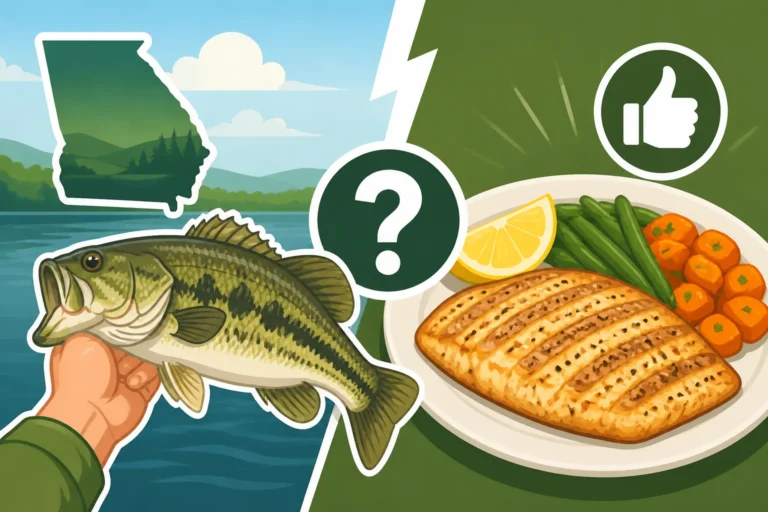
Beyond the thrill of the catch, many anglers wonder about the culinary quality of redfish. The good news is, redfish is an excellent eating fish, known for its firm, white, flaky meat and mild flavor.
Table Quality and Taste Profile
Redfish has a reputation for being a delicious game fish, and for good reason! Its flesh is firm, white, and has a clean, mild flavor that isn't overly "fishy." This makes it incredibly versatile in the kitchen, appealing to a wide range of palates, even those who might be hesitant about seafood. The texture holds up well to various cooking methods, from grilling to frying. Smaller redfish, particularly those within the slot limit (usually 18-27 inches in Georgia), tend to have the best table quality. Larger bull reds, while impressive fighters, often have coarser meat and are best released to continue their spawning duties. If you're looking for specifics on Redfish table quality and taste, you'll find it's highly regarded.
Cooking Tips and Preparation
Preparing redfish is a delightful experience, and there are countless ways to bring out its best flavors.
- Cleaning: Start by properly cleaning and filleting your catch. Remove all skin and any dark red meat along the lateral line, as this can sometimes have a stronger flavor.
- Grilling: This is a popular method. Season the fillets with your favorite herbs and spices (Cajun seasoning is a classic choice for redfish!). A little olive oil helps prevent sticking. Grill until the fish flakes easily with a fork.
- Blackening: A true Southern classic! Heat a cast-iron skillet to very high heat, add butter and a generous amount of blackening seasoning, then sear the fillets quickly on each side. The result is a wonderfully spicy, crusty exterior and moist interior.
- Baking/Broiling: For a lighter option, bake or broil the fillets with a squeeze of lemon, a pat of butter, and fresh herbs.
- Frying: When done right, fried redfish is a treat. A light cornmeal or flour dredge gives a crispy coating.
Pair your redfish with fresh seasonal vegetables, a side of rice, or even some creamy grits for a truly Southern meal. No matter how you prepare it, fresh Georgia redfish is a culinary delight that beautifully rounds out the angling experience.
Disclaimer
This article is for general informational purposes only and does not constitute professional advice. Laws, prices and regulations vary by location and change over time. Consult a qualified professional for guidance on your specific situation.