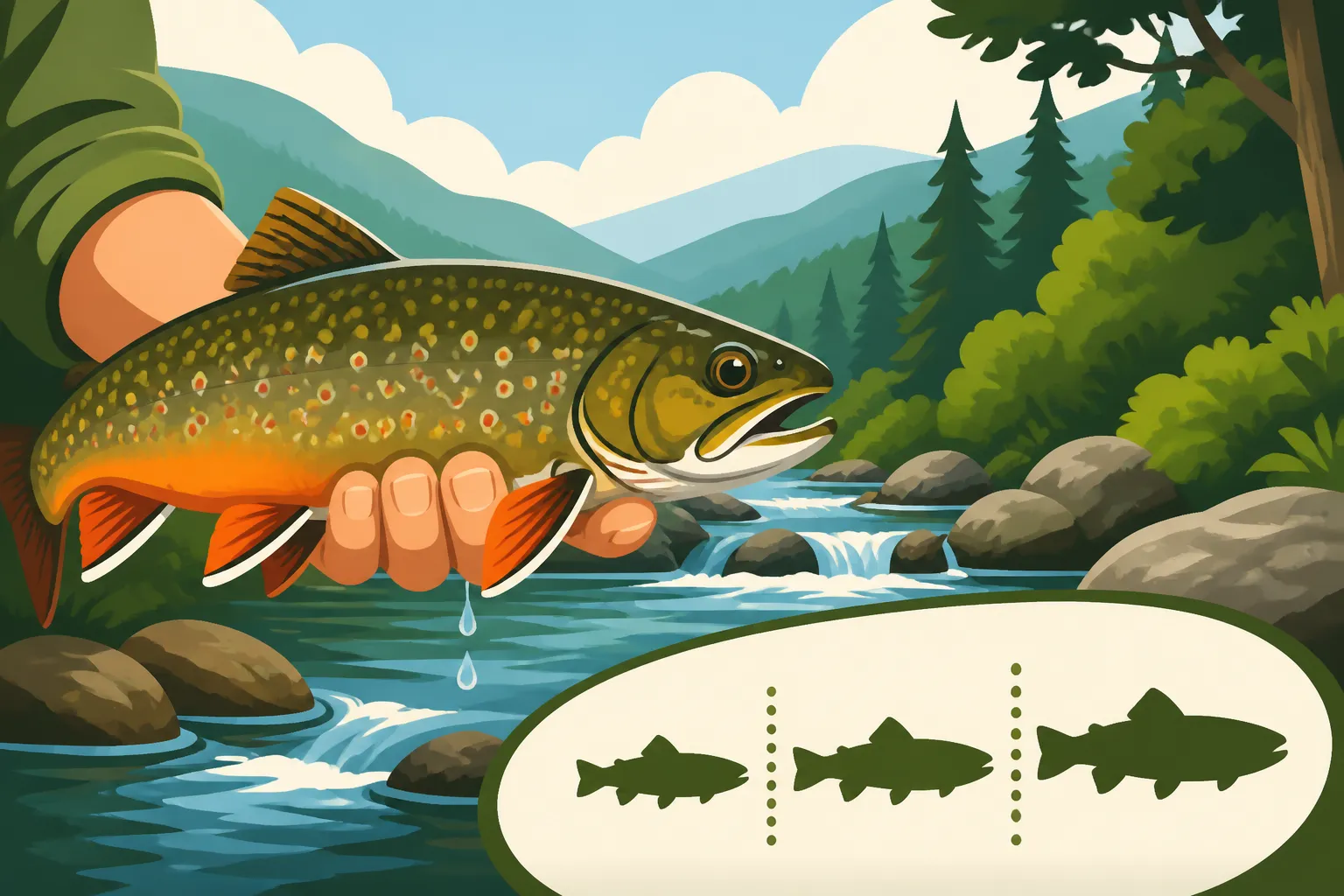
Brook Trout Size in Georgia Mountain Streams
If you've ever cast a line into Georgia's pristine mountain streams with dreams of landing a monster brook trout, you might have been met with a bit of a reality check. Many anglers, especially those used to catching larger bass or even robust stocked rainbow trout, are often surprised by the diminutive size of our native brookies. This guide is here to shed light on what makes Georgia's brook trout unique, what size you can genuinely expect, and why these small, vibrant fish are still one of our state's most cherished angling treasures.
The Truth About Brook Trout Size in Georgia Streams
It's easy to picture a brook trout as a hefty, vibrant specimen from pictures you see online or in magazines. However, when you're wading through a small, clear stream in the North Georgia mountains, the reality can be quite different. Our native brook trout, often called "specks" or "brookies," are generally on the smaller side, and understanding why can help manage expectations and deepen appreciation for these resilient fish.
Why Georgia's Brook Trout Are Often Smaller
Georgia is at the southern edge of the native brook trout's range, and this geographic position plays a significant role in their size. The streams they inhabit are typically small, high-gradient mountain creeks, characterized by cold, clean water, dense canopy cover, and often limited food resources. Think about it: a small stream simply can't support the same biomass of large fish that a big lake or a wide, nutrient-rich river can.
These headwater streams, while pristine and beautiful, don't offer an endless buffet. The insect life, while healthy, might not be as abundant or diverse as in larger river systems. Furthermore, these streams are often highly susceptible to changes in temperature and water flow, which can impact a brook trout's ability to grow quickly. They're survivors in a tough environment, and that often means conserving energy rather than bulking up. Brook Trout: Georgia's Native Trout Species are a testament to adaptation.
General Size Expectations for Wild Brook Trout
When you're fishing for wild brook trout in Georgia, most of your catches will likely fall into the 6- to 9-inch range. A 10-inch brook trout is considered a very respectable fish, and anything over 12 inches is truly a trophy-class catch in many of our waters. These aren't the broad-shouldered, 20-inch behemoths you might hear about in more northern states with larger, richer watersheds.
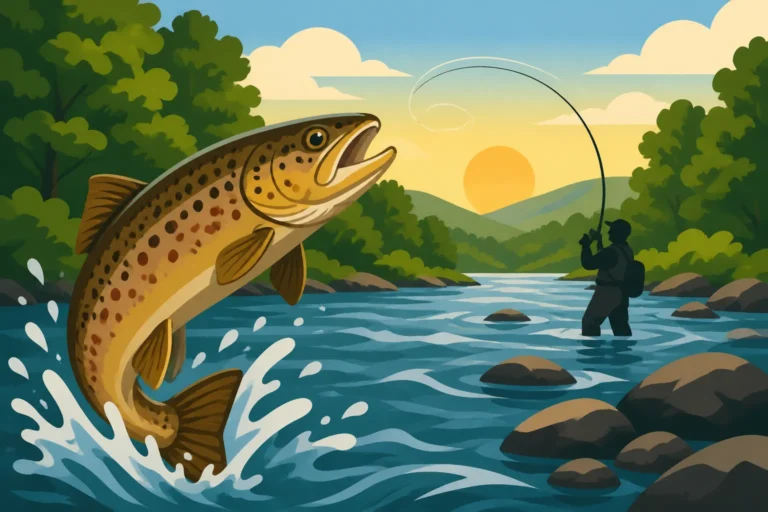
Compared to stocked trout, which are raised in hatcheries with abundant food and then released into larger, more accessible waters, wild brook trout lead a much leaner existence. Stocked rainbows, for instance, are often put in at 9-12 inches, sometimes even larger, specifically to provide a readily catchable fish for anglers. Wild brookies, however, have to fend for themselves from the moment they hatch. Their vibrant colors – the intricate vermiculation patterns, the fiery red fins tipped with white – are often what truly captivates anglers, far more than their length on a tape measure. You can learn more about how they compare in Brook Trout vs Rainbow Trout vs Brown Trout.
Factors Influencing Brook Trout Growth and Size
Several environmental and ecological factors converge to dictate the potential size of a brook trout in any given Georgia mountain stream. It's a delicate balance, and understanding these elements helps us appreciate the unique challenges these fish face.
Habitat Quality and Water Conditions
Brook trout are incredibly sensitive to their environment. They demand very specific conditions: exceptionally cold, highly oxygenated water. This is why you find them primarily in the headwaters of mountain streams, often under dense forest canopies that keep the water shaded and cool, even during Georgia's hot summers. Where to Catch Native Brook Trout in Georgia often points to these specific types of locations.
The availability of good cover – such as fallen logs, undercut banks, deep pools, and boulder formations – also plays a crucial role. These features provide refuge from predators and strong currents, and they also create prime ambush points for feeding. Streams with abundant, diverse habitat features can support more fish, and potentially slightly larger fish, because they offer more protection and more opportunities to find food without expending too much energy. A stream that suffers from siltation, warmer temperatures, or lack of cover due to deforestation will generally produce smaller, fewer fish, or no brook trout at all.
Food Availability and Competition
The menu for a wild brook trout in a mountain stream primarily consists of aquatic insects (larvae, nymphs, and adults), terrestrial insects that fall into the water, and sometimes very small baitfish or even smaller salamanders. The abundance and variety of these food sources directly influence how much a brook trout can eat and, consequently, how much it can grow. Streams with more consistent insect hatches and diverse invertebrate populations tend to support healthier, potentially larger fish.
Competition for these limited resources is another significant factor. In many Georgia streams, brook trout coexist with other species, most notably rainbow trout and brown trout, which are often non-native and introduced. Rainbows and browns can outcompete brook trout for food and habitat, especially in larger stream sections or in waters that become slightly warmer. This competition can further limit the growth potential of brook trout. Where brook trout are found in isolation, without competing species, they often exhibit slightly better growth rates.
Angler Pressure and Catch-and-Release Practices
Let's be realistic: if a stream is easily accessible and heavily fished, the chances of an individual brook trout growing to a significant size are reduced. Anglers naturally target the larger fish, and if too many of those are removed, the average size of the population tends to decrease. This isn't just about harvest; even catch-and-release fishing, if not done properly, can cause stress and mortality.
This is why proper How to Catch and Release Trout Properly techniques are so vital, especially for native species like brook trout. Using barbless hooks, minimizing handling, keeping the fish in the water as much as possible, and reviving them gently before release are all critical for ensuring that these fish survive to grow larger and reproduce. Many anglers practicing catch-and-release have a profound impact on maintaining healthy populations for future generations to enjoy.
Where to Find Larger Brook Trout in Georgia
While "larger" is a relative term when it comes to Georgia brook trout, there are definitely certain characteristics and locations that tend to produce slightly more robust specimens. It often comes down to finding those hidden gems where conditions are just right.
Identifying Prime Brook Trout Waters
The general rule of thumb for finding bigger brook trout is to look for waters that are harder to access, more remote, and exhibit exceptional habitat. These are typically the highest-elevation streams, often requiring a good hike through dense wilderness areas. The less pressure a stream sees, the more likely the fish have had the opportunity to grow undisturbed.
Look for streams that have:
- Dense Canopy Cover: This keeps water temperatures consistently cold, even during the hottest months.
- Complex Structure: Lots of fallen trees, large boulders, deep pools, and undercut banks provide plenty of hiding spots and feeding lies.
- Stable Flows: Streams that don't experience extreme fluctuations in water levels are generally more productive.
- Limited Competition: The best brook trout streams are often free of rainbow or brown trout, allowing brookies to dominate the ecosystem.
While naming specific creeks might be tempting, the truly exceptional brook trout waters are often discovered through dedicated exploration and a bit of local knowledge. Respecting these spots and practicing strict catch-and-release helps keep them special. Best Small Streams for Brook Trout in North Georgia might provide some starting points for your research.
| Stream Characteristic | Impact on Brook Trout Size | Typical Brookie Size Expectation (inches) |
|---|---|---|
| Small, Accessible Creeks | High angler pressure, limited food, frequent temperature swings | 5-7 |
| Remote, High-Elevation | Low pressure, consistent cold water, good cover | 7-10 |
| Competition Present | Food and habitat competition with other species | 5-8 |
| Brook Trout Only | Less competition, more resources for growth | 7-11+ |
| Rich Insect Life | Abundant food source allows faster growth | 8-12+ (rarer) |
The Role of Conservation Efforts
The Georgia Department of Natural Resources (DNR) and various conservation groups play a crucial role in protecting and enhancing brook trout populations. This includes habitat restoration projects, managing stream access, and setting specific Georgia Trout Stream Size Limits by Creek and Daily Creel Limits for Trout in Georgia to ensure sustainable fishing. For instance, some headwater streams are designated as "wild trout" streams, where stricter regulations are often in place to protect these native populations.
Anglers themselves are vital conservationists. By adhering to regulations, reporting any observed violations, and advocating for healthy aquatic ecosystems, we all contribute to the future of Georgia's brook trout. Protecting the small, cold streams they call home is paramount, as even minor changes can have a significant impact on their fragile existence. Every time you cast a line, you're interacting with a delicate balance of nature.
Angler Expectations and Enjoying the Experience
Ultimately, fishing for brook trout in Georgia is less about landing a massive fish for a photograph and more about the experience itself. It's about connecting with nature, challenging your skills, and appreciating the wild beauty of these unique native fish.
Shifting Your Mindset Beyond Size
If you go into a brook trout stream expecting to catch a wall-hanger, you might leave disappointed. However, if you go with an open mind, ready to appreciate the intricate beauty of a 7-inch wild brook trout, the pristine surroundings, and the challenge of navigating small, brushy creeks, you're in for an unforgettable experience. These fish are feisty, stunning, and often found in some of the most beautiful, secluded parts of our state.
The real joy comes from the hunt: stalking through dense rhododendron thickets, making precise casts with a light Best Fly Rod for North Georgia Trout Streams or a Best Lures for Stocked Trout lure into tight pockets of water, and witnessing the flash of vibrant colors as a brookie strikes. It’s an intimate form of fishing, requiring stealth and patience, and the reward is often in the connection with the wilderness. Consider bringing a small, lightweight fishing setup that you might find on retailers like Amazon, perfect for these close-quarters battles. How to Fish for Trout in a Mountain Stream offers great advice on this.
Best Practices for Handling and Releasing Brook Trout
Because Georgia's brook trout are often smaller and inhabit delicate ecosystems, proper catch-and-release techniques are absolutely paramount to their survival. These aren't hardy pond bluegill; they require utmost care.
Here are a few tips for ensuring their survival:
- Wet Your Hands: Always wet your hands thoroughly before touching the fish. Dry hands can remove the protective slime coat, making the fish vulnerable to disease.
- Minimize Handling: Try to keep the fish in the water as much as possible. Unhooking them while they're still submerged is ideal.
- Use Barbless Hooks: Crushing the barb on your hook or using hooks that are already barbless makes removal much easier and less damaging.
- Avoid Squeezing: Never squeeze a trout, especially around its belly or gills.
- Revive Gently: If the fish seems sluggish, hold it gently in the current, facing upstream, until it swims away under its own power. Don't throw it back into the water.
- Quick Photo (if any): If you must take a photo, do it quickly with the fish barely out of the water, and return it swiftly.
Embracing these practices means that every small brook trout you catch and release can grow larger and contribute to the next generation of these incredible native fish in Georgia's mountain streams.
Disclaimer
This article is for general informational purposes only and does not constitute professional advice. Laws, prices and regulations vary by location and change over time. Consult a qualified professional for guidance on your specific situation.