Where to Find Brown Trout in North Georgia
It's incredibly frustrating to spend a beautiful day on the water in North Georgia, casting your line with high hopes, only to come up empty-handed when you're specifically targeting those elusive brown trout. Many anglers know the thrill of the chase, but sometimes it feels like brown trout have a secret club only they know how to find. This comprehensive guide will pull back the curtain on where to find brown trout in North Georgia, offering insights into their preferred habitats and specific waterways where you're most likely to encounter these magnificent fish.
The Allure of Brown Trout in North Georgia Waters
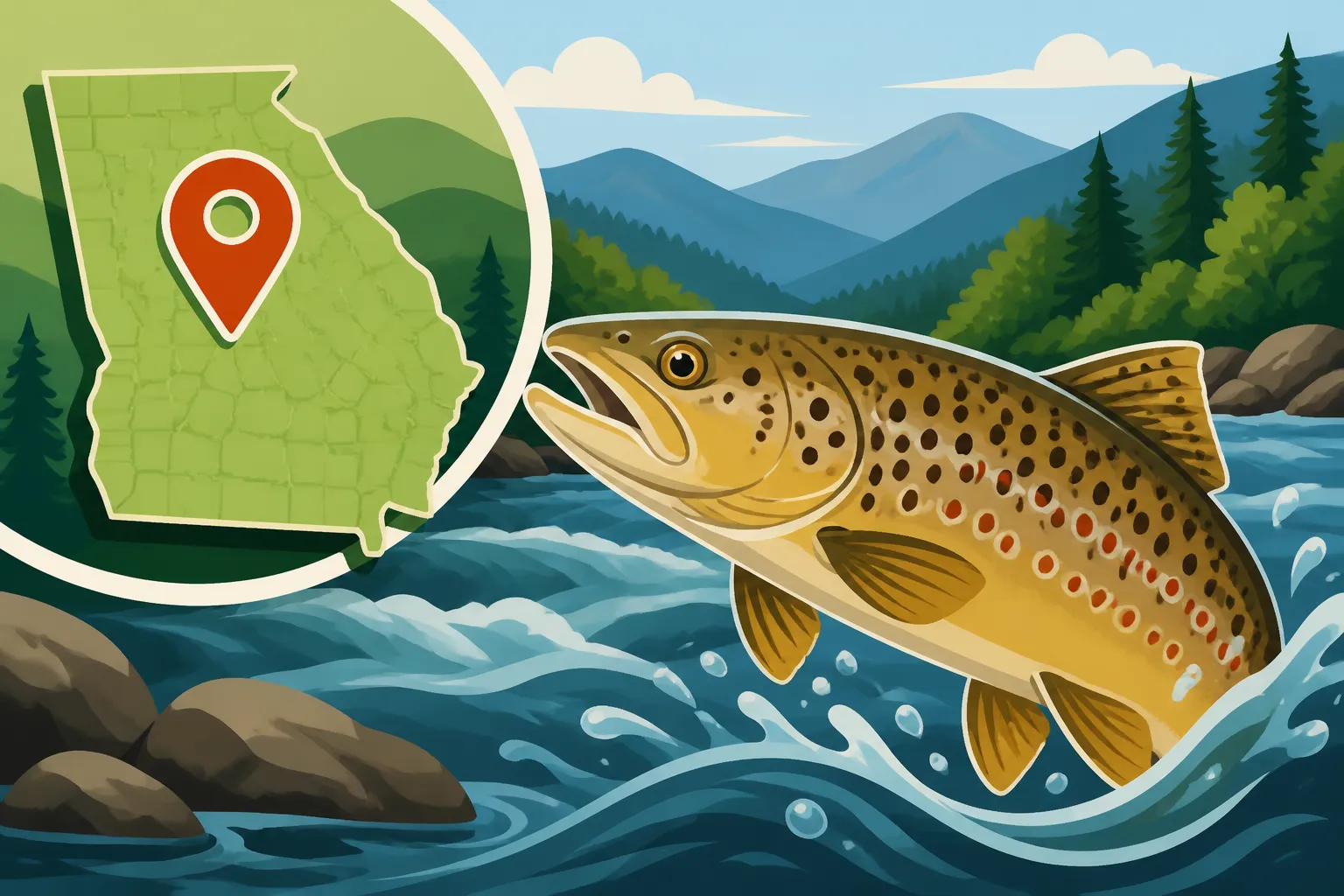
Brown trout are a true prize for any angler in North Georgia. They're not native to Georgia, having been introduced from Europe, but they've adapted beautifully to many of our cooler, clearer mountain streams and rivers. What makes them so special? Well, for starters, they're often larger and more aggressive than their rainbow trout cousins, offering a truly spirited fight when hooked. They're also incredibly wily, with a keen sense of their surroundings, which means catching one often feels like a genuine accomplishment.
Their preference for hiding under cover, whether it's submerged logs, undercut banks, or large boulders, makes them a challenge to locate and entice. Unlike stocked rainbow trout that might be found congregating in open pools right after a stocking, brown trout are masters of camouflage and ambush. This reclusive nature adds to their mystique and makes the quest to find them all the more rewarding. Plus, the North Georgia mountain scenery where they thrive is simply breathtaking, making every fishing trip an escape into nature's finest.
Understanding Brown Trout Behavior and Habitat
Before we dive into specific locations, it's crucial to understand what makes a particular spot appealing to a brown trout. Knowing their preferences can help you "read" the water and identify potential holding lies even in unfamiliar territory. They aren't just anywhere; they choose their homes carefully.
Preferred Lies and Cover
Brown trout are incredibly structure-oriented. They love anything that provides cover from predators (like ospreys or even larger fish) and a current break where they can wait for food without expending too much energy. Think of them as opportunistic ambush predators. This means you'll often find them tucked away.
Look for deep pools with plenty of structure, such as large rocks, fallen trees, or overhanging vegetation that creates shaded areas. Undercut banks, where the current has eroded the soil beneath the surface, are prime real estate for brown trout. They can sit underneath, completely out of sight, and dart out to snatch passing insects or baitfish. Even subtle changes in depth or current can create a good lie. If you're on a stream and see a boulder, chances are there's a brown trout holding on the downstream side, out of the main current. Understanding these tendencies is key to finding them, even on streams that aren't specifically known for brown trout. You might even want to check out articles like How to Read Water for Trout Fishing to hone your eye for these prime spots.
Diet and Feeding Habits
Brown trout are voracious eaters and their diet can vary widely depending on the size of the fish and the available food sources. Younger brown trout will primarily feed on aquatic insects like mayflies, caddisflies, and stoneflies, along with terrestrial insects that fall into the water. As they grow larger, they become more piscivorous, meaning they'll actively hunt and feed on smaller fish, crawfish, and even salamanders.
This shift in diet has a huge impact on where you'll find them. The biggest brown trout are often found in areas where there's an abundant supply of baitfish. This might be in deeper sections of rivers, near riffles that churn up food, or even in larger pools where schools of smaller fish gather. Knowing what they're likely eating can also guide your lure or fly selection, whether you're using a streamer imitation on a fly rod or a minnow-imitating crankbait on a spinning rod. You can find more specific advice on lures in Best Lures for Brown Trout in Georgia.
Major Rivers and Streams for Brown Trout
North Georgia is blessed with numerous waterways that hold brown trout, but some stand out as premier destinations. These rivers and their tributaries offer the ideal cold, oxygenated water and abundant habitat that brown trout require to thrive.
The Chattahoochee River System
The Chattahoochee River, especially its upper sections and tailwater below Lake Lanier, is arguably one of Georgia's most famous brown trout fisheries. This river offers diverse fishing experiences, from small, wild trout sections in its headwaters to a renowned trophy trout fishery downstream of the dam.
The cold-water discharge from Buford Dam creates a consistent, year-round cold-water environment that is absolutely ideal for brown trout. Anglers often target the Chattahoochee below the dam near locations like Jones Bridge Park or the various public access points in the Atlanta metro area. While it might seem counterintuitive to find trout so close to a bustling city, the river here is a designated trout stream, and it holds some truly impressive brown trout, some of which grow to trophy sizes. These larger brown trout are notoriously difficult to catch, often holding in the deepest holes and undercut banks. For more detailed information on this stretch, check out Brown Trout Fishing on the Chattahoochee River.
The Toccoa River
Flowing through some of the most scenic parts of Fannin County, the Toccoa River is another jewel for brown trout enthusiasts. The upper Toccoa, above Lake Blue Ridge, is a freestone stream that offers a mix of wild and stocked trout, including good numbers of browns. It's characterized by its beautiful runs, riffles, and deep pools, providing excellent habitat.
Below Lake Blue Ridge, the Toccoa River transforms into a tailwater fishery, much like the Chattahoochee. However, the Toccoa tailwater has its own unique character. It's known for strong currents and large boulders, making it a fantastic habitat for brown trout that prefer turbulent water and ample cover. Access points like the Tammen Park or Curtis Switch offer good starting points. Anglers often wade or use drift boats to cover water effectively. Targeting the seams where fast water meets slow water is a great strategy here, as brown trout will position themselves to ambush prey. For a deep dive into this river, look at Toccoa River Trout Fishing in Georgia.
Specific North Georgia Hotspots for Brown Trout
While the major rivers are well-known, several other streams and specific sections are worth exploring for brown trout. These spots might be a bit more challenging to access, but they often reward persistent anglers with quality fish.
Amicalola Creek and its Tributaries
Amicalola Creek, near Dawsonville, is a popular destination for trout anglers, and while it's heavily stocked with rainbow trout, it also holds a healthy population of wild brown trout, particularly in its smaller tributaries and less accessible sections. The creek flows through Amicalola Falls State Park, offering stunning scenery.
To find the brown trout here, you often have to venture away from the main public access points and explore the feeder streams. These smaller waters, often overgrown with rhododendrons and mountain laurel, provide the perfect secluded environment that brown trout prefer. They thrive in the pockets, plunge pools, and under banks where the water stays cool and there's plenty of cover. It's not uncommon to find browns hiding in seemingly small stretches of water. This kind of fishing often requires a bit of bushwhacking and careful wading, but the reward of a wild North Georgia brown trout is well worth the effort.
Cooper Creek
Located in the Cooper Creek Scenic Area within the Chattahoochee National Forest, Cooper Creek is another excellent brown trout stream. It's managed under special regulations, often involving artificial lures only and catch-and-release, which helps to foster a healthier wild trout population, including good numbers of browns.
The creek is a beautiful freestone stream with clear, cold water, numerous riffles, runs, and deep pools. The surrounding forest provides ample shade, keeping water temperatures ideal. Anglers often find success by carefully working their way upstream, targeting the deeper pockets and areas with submerged logs and rock structures. The browns here can be quite wary, so a stealthy approach and precise casts are often necessary. It's a fantastic place to hone your stream craft and appreciate the beauty of Georgia's wilderness. You'll find that having a good pair of waders, easily found on Amazon, can make all the difference in covering the water effectively.
Noontootla Creek and Waters Creek
These two creeks, both located in the Cohutta Wilderness and surrounding areas, are legendary among North Georgia trout anglers, especially for those seeking quality brown trout. They are managed as "trophy trout" streams with specific size and creel limits, which allows brown trout to grow to impressive sizes. Noontootla Creek Trout Minimum Length and Waters Creek Brook Trout Minimum Length can give you specifics on regulations.
Noontootla Creek, particularly, is known for its challenging yet rewarding fishing. It's primarily a catch-and-release, artificials-only stream for much of its length, creating an environment where browns thrive and grow large. You'll often find them in the deepest pools and complex current seams. Waters Creek, another gem, is famous for its wild brown trout. Access can be a bit more limited and requires effort, but the quality of the fish is often unparalleled. These creeks truly embody the wild trout experience, demanding skill, patience, and a willingness to explore. When fishing these technical waters, having a compact fly box with a variety of patterns, like those available on Amazon, is essential.
Seasonal Strategies for Locating Brown Trout
Brown trout behavior, and therefore their location, can shift with the seasons. Understanding these patterns will significantly increase your chances of finding them throughout the year.
Spring and Fall: Peak Activity
Spring and fall are often considered the prime seasons for brown trout fishing in North Georgia. In the spring, as water temperatures begin to rise but remain cool, brown trout become more active, feeding heavily after the leaner winter months. They'll often be found in areas where insect hatches are occurring, moving into shallower riffles and runs to feed on emerging insects. Spring Bass Fishing Patterns on Georgia's Reservoirs might give you ideas for other species, but trout have their own spring patterns.
Fall is another fantastic time, especially for targeting larger brown trout. This is when brown trout begin their spawning rituals. They'll move into shallower, gravelly areas to spawn, often becoming more aggressive and territorial. During this time, targeting areas upstream of deep pools and slower runs can be very productive. Larger flies and lures that imitate baitfish or crawfish can be particularly effective as they defend their territory and feed aggressively before and after spawning. This is a time when the biggest browns might be more visible and vulnerable.
Summer and Winter: Adjusting Your Approach
During the warmer summer months, brown trout will seek out the coldest, most oxygenated water available. This usually means retreating to deeper pools, spring-fed sections of streams, or higher elevations where water temperatures remain tolerable. Fishing early in the morning or late in the evening when water temperatures are at their coolest can be more productive. Focus on shaded areas and the mouths of cooler tributaries.
In winter, brown trout become less active, conserving energy. They'll often move into slower, deeper pools and runs, hugging the bottom. Their feeding windows can be short, so patience is key. Using slower presentations with smaller baits or flies, fished close to the bottom, can be effective. While fishing can be challenging in the colder months, the reward of a winter brown trout can be truly special. Packing proper layers and rain gear, easily found on Amazon, is crucial for comfort during these colder trips.
Gear and Tactics for Finding and Catching Brown Trout
Successfully targeting brown trout often requires specific gear and a thoughtful approach. They are not always easy to catch, which adds to their appeal.
Rods, Reels, and Line Choices
For most North Georgia brown trout fishing, a medium-light spinning rod (6-7 feet) with a fast action, paired with a small spinning reel, is a versatile choice. Spool your reel with 4-6 lb test monofilament or fluorocarbon line. Fluorocarbon is particularly good because it's less visible underwater and has good abrasion resistance for fishing around rocks and logs.
If you're fly fishing, a 4-weight or 5-weight fly rod (7.5-9 feet) is ideal for stream work. A weight-forward floating line is standard, with a tapered leader and tippet to present flies naturally. For larger streams or when throwing bigger streamers, a 6-weight rod might be more appropriate. You can find excellent selections of rods and reels on Amazon for any budget.
Lure and Bait Recommendations
For spinning anglers, small jerkbaits, crankbaits, and soft plastic grubs or worms can be incredibly effective. Minnow imitations in natural colors (silver, brown, gold) are often excellent choices. For bait fishing, live or dead minnows, worms, and crawfish imitations can work wonders, especially for larger browns.
Fly anglers should carry a diverse selection of flies. Dry flies mimicking prevalent insect hatches (caddis, mayflies) are great for surface feeding fish. Nymphs (like Prince Nymphs, Hare's Ears, Pheasant Tails) fished dead-drift under an indicator are often deadly. Streamers (Woolly Buggers, Sculpzillas, or articulated baitfish patterns) are fantastic for enticing aggressive, larger brown trout, particularly when stripped through deeper pools and runs. You might even discover new, effective patterns by browsing fishing forums or specialized fly shops.
Stealth and Presentation
Brown trout are incredibly wary. A heavy footfall on the bank, a careless shadow cast over the water, or an unnatural presentation can send them scurrying for cover. Stealth is paramount. Approach fishing spots cautiously, stay low, and try to make your first cast count.
Your presentation should be as natural as possible. Whether you're drifting a nymph, twitching a jerkbait, or retrieving a spinner, try to mimic the natural movement of their prey. Cast upstream and allow your offering to drift naturally downstream into suspected holding lies. Minimize drag on your line when fly fishing, and ensure your spinning lures are retrieved at a speed that makes them irresistible but not suspicious. Remember, these fish didn't get big by being careless; they're smart, and they demand respect.
Table: Key Brown Trout Waters in North Georgia
This table summarizes some of the best places to target brown trout in North Georgia, highlighting their characteristics.
| Waterway Name | Location (General Area) | Type of Water | Primary Brown Trout Population | Key Characteristics for Anglers | Best Time of Year |
|---|---|---|---|---|---|
| Chattahoochee River | Below Buford Dam (Atlanta) | Tailwater | Wild, Stocked (Trophy potential) | Deep pools, strong currents, urban access, year-round cold water | Fall, Spring, Winter |
| Toccoa River | Fannin County | Freestone, Tailwater | Wild, Stocked (Good size) | Scenic, diverse sections, abundant cover, good wading & floating | Fall, Spring |
| Amicalola Creek | Dawsonville | Freestone | Wild (Elusive) | Stocked sections, wild browns in tributaries, beautiful scenery | Spring, Fall |
| Cooper Creek | Chattahoochee National Forest | Freestone | Wild (Quality) | Special regulations, pristine environment, challenging access | Spring, Fall |
| Noontootla Creek | Cohutta Wilderness Area | Freestone | Wild (Trophy potential) | Technical, artificials only, difficult access, large browns | Spring, Fall |
| Waters Creek | Cohutta Wilderness Area | Freestone | Wild (Trophy potential) | Technical, artificials only, difficult access, large browns | Spring, Fall |
Conservation and Responsible Angling Practices
Finding and catching brown trout is an exhilarating experience, but it's important to remember our role in protecting these incredible fish and their habitats. Practicing responsible angling ensures that future generations can enjoy the same opportunities we do.
Always be mindful of local regulations regarding size and creel limits, which can vary significantly by stream and season. Many of the best brown trout streams in North Georgia have special regulations designed to protect their wild populations. If you plan to release fish, handle them as gently as possible. Minimize their time out of water, use wet hands, and support their body properly. Barbless hooks can also make releasing fish much easier and less harmful.
Beyond handling, make sure to leave no trace. Pack out everything you pack in, and avoid disturbing stream banks or natural vegetation. These small actions contribute significantly to the health and longevity of our precious brown trout fisheries. For more information on trout care, an article like How to Catch and Release Trout Properly is a must-read.
Disclaimer
This article is for general informational purposes only and does not constitute professional advice. Laws, prices and regulations vary by location and change over time. Consult a qualified professional for guidance on your specific situation.