Do Brown Trout Get Bigger Than Rainbow Trout in Georgia?
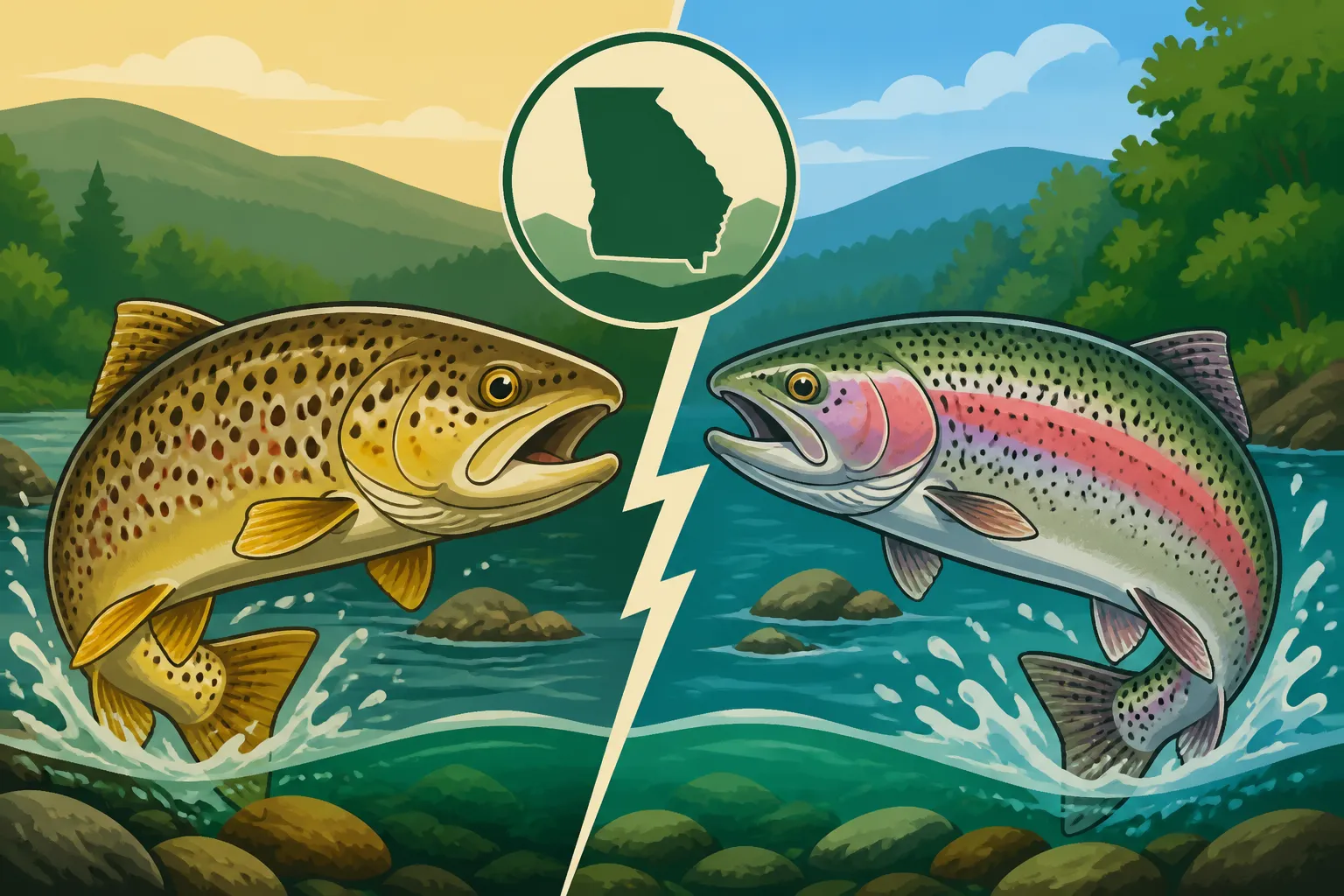
It's a question many Georgia anglers ponder as they plan their next trip to our beautiful mountain streams: when it comes to brown trout and rainbow trout, which one truly has the potential to grow larger? You're not alone in wondering this, as the quest for a trophy-sized fish is a big part of the allure of trout fishing. This guide will dive deep into the growth patterns, habitat preferences, and factors influencing the size of both brown and rainbow trout right here in Georgia, helping you understand what to expect and where to focus your efforts for that impressive catch.
Understanding Brown Trout in Georgia: The Elusive Giants
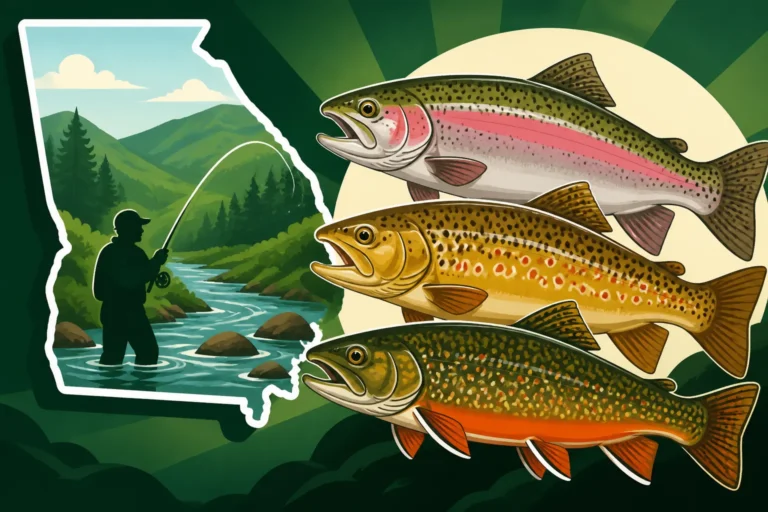
Brown trout are often considered the apex predators of many Georgia trout streams, renowned for their elusive nature and impressive size potential. While rainbows are often the first trout many anglers encounter, browns hold a special mystique for their ability to grow into genuine lunkers. They are not native to Georgia but have adapted incredibly well to our colder mountain waters, thriving in environments that offer good cover and a steady food supply.
Growth Characteristics and Size Potential
Brown trout are known for their slower, more sustained growth rate compared to rainbow trout in many environments, but they have a longer lifespan, which ultimately allows them to reach significantly larger sizes. A typical brown trout caught in a Georgia stream might be in the 10-14 inch range, especially in heavily fished areas or smaller tributaries. However, these fish can grow much, much bigger. We're talking about the kind of fish that makes your heart pound when it takes your fly or lure. They have a reputation for being able to survive and thrive in conditions that might stress other trout, contributing to their longevity and eventual heft.
What allows some brown trout to become truly massive is their diet. As they grow, brown trout become increasingly piscivorous, meaning they start actively preying on other fish, including smaller trout, sculpins, and various minnows. This shift in diet provides them with a rich protein source, fueling their growth beyond what an insect-only diet could sustain. It's not uncommon to hear tales of browns in the 20-inch range, and even larger specimens, taken from rivers like the Chattahoochee or the Toccoa. The state record for brown trout in Georgia stands as a testament to this potential. If you're looking for that truly big fish, the brown trout is often your best bet in Georgia waters. Brown Trout Fishing on the Chattahoochee River is a great resource if you want to target these beauties.
Preferred Habitats and Behavior
Brown trout are masters of their environment, preferring areas that offer ample cover and a ready ambush point. You'll often find them lurking under undercut banks, submerged logs, large boulders, or in deep pools. They are less tolerant of direct sunlight and prefer slightly warmer water temperatures than brook trout, but can handle a wider range than many expect. Their nocturnal feeding habits, especially for larger specimens, also contribute to their elusive nature. This means if you're targeting big browns, low light conditions, like dawn, dusk, or even night fishing, can be incredibly productive.
Their territorial nature means that once a large brown finds a prime feeding and hiding spot, it's likely to stay there, defending its turf from competitors. This behavior is key for anglers: if you find a good piece of holding water, there’s a strong chance a respectable brown trout is living there. They are also known for their powerful, stubborn fights, often hugging the bottom or trying to dive for cover, making them a thrilling challenge on lighter tackle. When fishing for them, stealth and presentation are paramount, as they are incredibly wary. Understanding their preferred lies and feeding windows is critical to success.
Getting to Know Rainbow Trout in Georgia: The Energetic Fighters
Rainbow trout are probably the most recognizable and widely stocked trout species in Georgia, making them a favorite among both seasoned anglers and beginners. They're often the go-to species for many public fishing areas and stocked streams, providing consistent action and a lively fight. While they might not reach the colossal sizes of their brown trout counterparts, rainbows offer a fantastic angling experience, known for their acrobatic jumps and spirited runs.
Growth Characteristics and Size Potential
Rainbow trout, particularly those found in Georgia's stocked waters, tend to grow at a faster initial rate than browns, especially if food is abundant. However, their lifespan is generally shorter, which naturally limits their ultimate size. Most rainbows caught in Georgia will be in the 8-16 inch range. These are the fish that dominate the creel in many of our popular trout streams, especially those managed for put-and-take fishing. It's a fantastic size for dinner, and they put up a great fight.
While a 20-inch rainbow is certainly a trophy in Georgia, and larger ones are caught, they are far less common than brown trout of similar impressive dimensions. Wild populations of rainbow trout, found in some of our pristine headwater streams, tend to be smaller, often in the 6-12 inch range, due to limited food resources and more challenging living conditions. Stocked rainbows, which make up the vast majority of our catch, are typically grown in hatcheries to a catchable size before release. This means their size upon encounter is largely predetermined by the stocking program. Still, some stocked fish survive and grow, adapting to the wild and adding a few inches over time. You can learn more about where to find them in Rainbow Trout Fishing in North Georgia Streams.
Preferred Habitats and Behavior
Rainbow trout are a bit more gregarious and less reclusive than brown trout. They often prefer faster-moving, oxygen-rich water, making them common inhabitants of riffles, runs, and the heads of pools where currents bring food to them. While they appreciate cover, they are less dependent on it than browns and are more likely to be found actively feeding in open water. This makes them a bit easier to locate and catch, especially for those new to trout fishing.
Their diet is primarily insect-based, feasting on aquatic and terrestrial insects, crustaceans, and small worms. This diverse diet keeps them active and feeding throughout the day, which is why you often find them willing to bite a well-presented fly or spinner. When hooked, rainbow trout are famous for their aerial acrobatics, often leaping clear of the water in an attempt to shake the hook. This energetic fighting style is what makes them such a joy to catch, even if they aren't the largest fish in the stream. If you're exploring Chattahoochee River Headwaters Trout Fishing, you're likely to encounter plenty of rainbows.
Factors Influencing Trout Size in Georgia Streams
The size a trout ultimately achieves isn't just about its species; it's a complex interplay of environmental factors, food availability, genetics, and fishing pressure. Understanding these elements can give you a better grasp of why some fish grow large and others remain relatively small, regardless of whether they're brown or rainbow trout.
Food Availability and Diet
This is perhaps the single most critical factor in trout growth. Streams with an abundant supply of aquatic insects, baitfish, and other forage will produce larger trout. As discussed, brown trout's tendency to switch to a fish-heavy diet as they mature gives them a significant advantage in terms of size potential. A stream rich in sculpins, dace, or even smaller stocked trout provides a high-protein buffet that allows brown trout to pack on weight.
Rainbow trout, while primarily insectivorous, can also grow larger in waters with rich invertebrate populations. Consider a spring creek or a tailwater fishery like the Chattahoochee below Buford Dam. These waters often have consistent cold water flows and prolific insect hatches, allowing both species to reach impressive sizes. Conversely, small, nutrient-poor headwater streams, while home to beautiful wild trout, simply don't offer the caloric intake needed to produce giants.
Water Temperature and Oxygen Levels
Trout are cold-water fish, and stable, cool water temperatures are essential for their health and growth. Optimal water temperatures for growth generally range from the mid-50s to low 60s Fahrenheit. When water temperatures get too warm, trout become stressed, growth slows, and they become more susceptible to disease. Streams that maintain these cooler temperatures year-round, often fed by cold springs or deep reservoirs, are prime candidates for supporting larger fish.
High oxygen levels are also crucial. Fast-flowing, well-aerated riffles and runs are oxygen-rich, promoting healthy fish activity and metabolism. Stagnant or low-oxygen water can stunt growth and even be lethal to trout. This is why you'll often find both brown and rainbow trout congregating in areas with good current, though browns might retreat to deeper, cooler pools during the warmest parts of the day.
Stream Size, Cover, and Habitat Diversity
Larger rivers and reservoirs generally have the capacity to support larger trout. They offer more expansive territories, greater food diversity, and more varied habitat, including deep pools, strong currents, and plenty of cover. Think of the broad expanse of the Chattahoochee or the Toccoa River compared to a narrow, high-gradient mountain feeder creek. The larger water bodies simply have more space and resources.
Crucially, the presence of ample cover – fallen trees, undercut banks, large boulders, and deep pockets – provides security for larger trout. Big fish are smart fish, and they know where to hide from predators (like ospreys, otters, and even other larger fish) and where to ambush their prey. Streams lacking such structural complexity, even if they have good food, often don't hold many truly large trout, as they lack the necessary refuge for them to feel safe and grow.
Genetics and Stocking Practices
Genetics play a role, too. Some strains of trout are simply predisposed to grow larger than others. In Georgia, the brown trout population has often been supplemented with strains known for their robust growth. For rainbow trout, the vast majority in our waters are hatchery-reared and released at a "catchable" size. While some of these stocked fish survive and grow, their genetic potential might not be geared towards trophy size in the same way some wild brown trout strains are.
Stocking practices also dictate what size of fish you'll encounter. Rivers that receive regular stockings of smaller, fingerling brown trout might eventually produce larger fish as those fingerlings grow up in the wild. Conversely, streams stocked primarily with 8-10 inch rainbows for immediate harvest will naturally have fewer large specimens. Understanding the Georgia Trout Stocking Schedule can help you set your expectations for the size of fish you might encounter.
Fishing Pressure and Regulations
Heavy fishing pressure can thin out the population of larger, older fish, reducing the average size. If every legal-sized fish is kept, fewer fish survive to reach trophy proportions. This is why areas with special regulations, such as catch-and-release only sections or those with Georgia Trout Stream Size Limits by Creek, often produce larger fish. These regulations allow trout the time they need to mature and grow.
For example, on Delayed Harvest Trout Streams in Georgia, where catch-and-release is mandatory for several months, trout can grow unmolested, leading to a higher density of larger fish by the time the harvest season opens. This is a critical management tool to balance angler opportunity with the desire for larger, more challenging fish.
Practical Implications for Georgia Anglers
So, armed with this knowledge, what does it mean for your next Georgia trout fishing adventure?
Targeting Trophy Trout
If your ultimate goal is to catch a truly large trout in Georgia, your best bet is to focus on brown trout. Look for larger, established rivers like the Chattahoochee River (especially below Buford Dam and in sections of the Chattahoochee National Forest) or the Toccoa River. Focus your efforts during low light conditions (dawn, dusk, or night) and target areas with significant cover – deep pools, undercut banks, and large woody debris. Use larger flies or lures that imitate baitfish, as these big browns are often focused on a piscivorous diet. Stealth and patience are key.
| Feature | Brown Trout (Georgia) | Rainbow Trout (Georgia) |
|---|---|---|
| Size Potential | Higher potential for trophy-sized fish (20+ inches) | Generally smaller, but 16-18 inches is a good fish |
| Growth Rate | Slower, longer lifespan allows for greater ultimate size | Faster initial growth, but shorter lifespan limits ultimate size |
| Primary Diet | Opportunistic; shifts to piscivorous as they grow | Primarily insectivorous; some crustaceans/worms |
| Preferred Habitat | Deep pools, undercut banks, submerged logs, heavy cover | Riffles, runs, heads of pools, faster-moving water |
| Fighting Style | Strong, stubborn runs, often staying deep | Acrobatic jumps, spirited runs, fast action |
| Elusiveness | More wary and nocturnal, harder to catch | More aggressive, often found actively feeding during the day |
| Common Origin | Stocked fingerlings, wild-reproducing populations | Primarily hatchery-reared, stocked at catchable size |
Enjoying Consistent Action
If you're more interested in consistent action, a lively fight, and perhaps taking home a few fish for dinner, rainbow trout are your go-to. Head to heavily stocked streams, particularly after a recent Georgia Trout Stocking Schedule release. These fish are generally more aggressive and willing to strike a variety of baits and lures, making them ideal for beginners or those simply looking for a fun day on the water. While you might not land a monster, you'll likely have plenty of opportunities for exciting catches. Many of Georgia's State Parks offer excellent family-friendly fishing opportunities, often stocked with rainbows. Best Bait for Rainbow Trout in Georgia can guide you on what to use.
Remember that while brown trout can get bigger than rainbow trout in Georgia, it doesn't mean every brown you catch will be massive, nor every rainbow small. There are always exceptions! The joy is in the pursuit and the unique challenge each species presents. So grab your rod, check the Georgia Fishing Regulations Explained, and hit the water. You can find some excellent gear for your next trip on Amazon, from reliable spinning reels to durable waders. Good luck out there!
Disclaimer
This article is for general informational purposes only and does not constitute professional advice. Laws, prices and regulations vary by location and change over time. Consult a qualified professional for guidance on your specific situation.