Georgia Trout Fishing: Rainbow, Brown, and Brook Trout Explained
If you've ever stood by a chilly North Georgia stream, rod in hand, feeling the crisp mountain air, you know there's a certain magic to trout fishing. But let's be honest, it can also be incredibly confusing trying to figure out which trout species you're chasing, where to find them, and what regulations apply. This guide is here to untangle that mystery, giving you a deep dive into the fascinating world of Rainbow, Brown, and Brook trout found in Georgia's beautiful waters, so you can spend less time scratching your head and more time reeling in a beautiful catch.
Understanding Georgia's Trout Landscape: More Than Just "Trout"
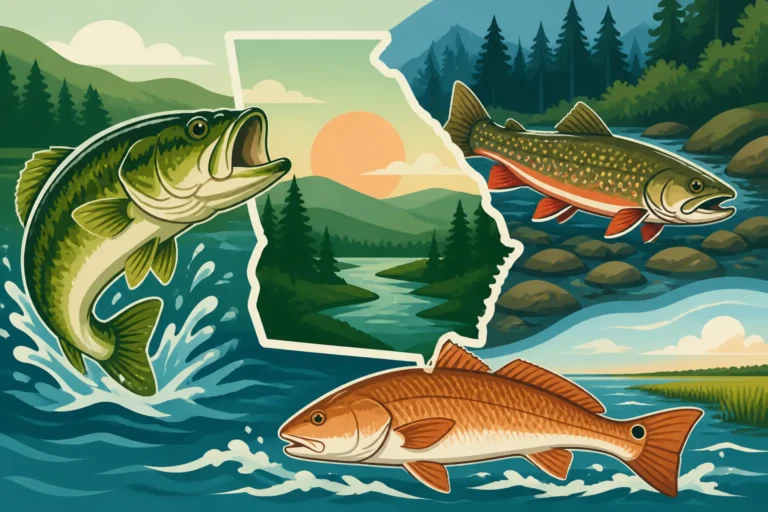
When folks talk about "trout fishing" in Georgia, it's easy to just lump all those sleek, spotted fish into one category. But trust me, that's like saying all bass are the same – a cardinal sin among anglers! Our mountain streams and coldwater rivers are home to three distinct species, each with its own quirks, preferred habitats, and even different fighting styles. Knowing these differences isn't just for bragging rights; it's absolutely crucial for successful fishing and for adhering to conservation efforts that keep these populations healthy.
Why Species Identification Matters
It might seem like a small detail, but knowing which trout species you've hooked can make all the difference. For starters, Georgia Fish Size and Creel Limits often vary by species and by specific water bodies. You wouldn't want to accidentally keep a fish that's protected or undersized for its particular species and location. Beyond the rules, different trout have different behaviors. Some are eager biters, while others are incredibly wary. Understanding their unique characteristics helps you choose the right bait, the right lure, and even the right time of day to target them. It’s about becoming a more skilled and ethical angler, truly connecting with the natural world around you.
Imagine reeling in what you think is a stocked rainbow, only to realize it’s a delicate, native brook trout that might need a gentler hand during release. Or perhaps you're using tactics perfect for aggressive browns, but you're in water primarily holding smaller, shyer rainbows. These scenarios play out all the time, leading to frustration if you don't have the foundational knowledge. This guide aims to equip you with that knowledge, transforming your approach from hopeful casting to targeted angling.
Stocked vs. Wild Trout: A Key Distinction
One of the most important things to grasp about Georgia's trout fishery is the difference between stocked trout and wild trout. It's a topic that often sparks lively debates among anglers, and for good reason. Stocked trout are fish raised in hatcheries and then released into designated public waters to enhance fishing opportunities. These are typically fast-growing, pellet-fed fish that might not be as wary as their wild counterparts. They provide a fantastic "put-and-take" fishery, especially in easily accessible areas and during peak seasons.
Wild trout, on the other hand, are fish that were born and raised in the stream, having survived on their own from the egg stage. They are often smaller, leaner, and incredibly sensitive to environmental changes. Catching a wild trout, especially a native brook trout, is a badge of honor for many, representing a true connection to the untouched wilderness. They are also much harder to fool, having honed their survival instincts from birth. Georgia's wildlife agencies work tirelessly to balance these two populations, managing some streams for wild trout conservation and others for abundant stocking. Understanding this distinction can help you appreciate the specific type of fishing experience each stream offers.
The Rainbow Trout: A Colorful and Popular Catch
Ah, the Rainbow Trout! For many, this is the first fish that comes to mind when they think of trout fishing in Georgia. And it’s no wonder – these vibrant fish are widespread, often stocked in great numbers, and put up a spirited fight on the line. They are, in many ways, the backbone of Georgia's recreational trout fishery, providing countless hours of enjoyment for anglers of all skill levels. Their adaptability means you can find them in a variety of water conditions, from roaring rivers to serene, smaller creeks.
Identifying the Beautiful Rainbow
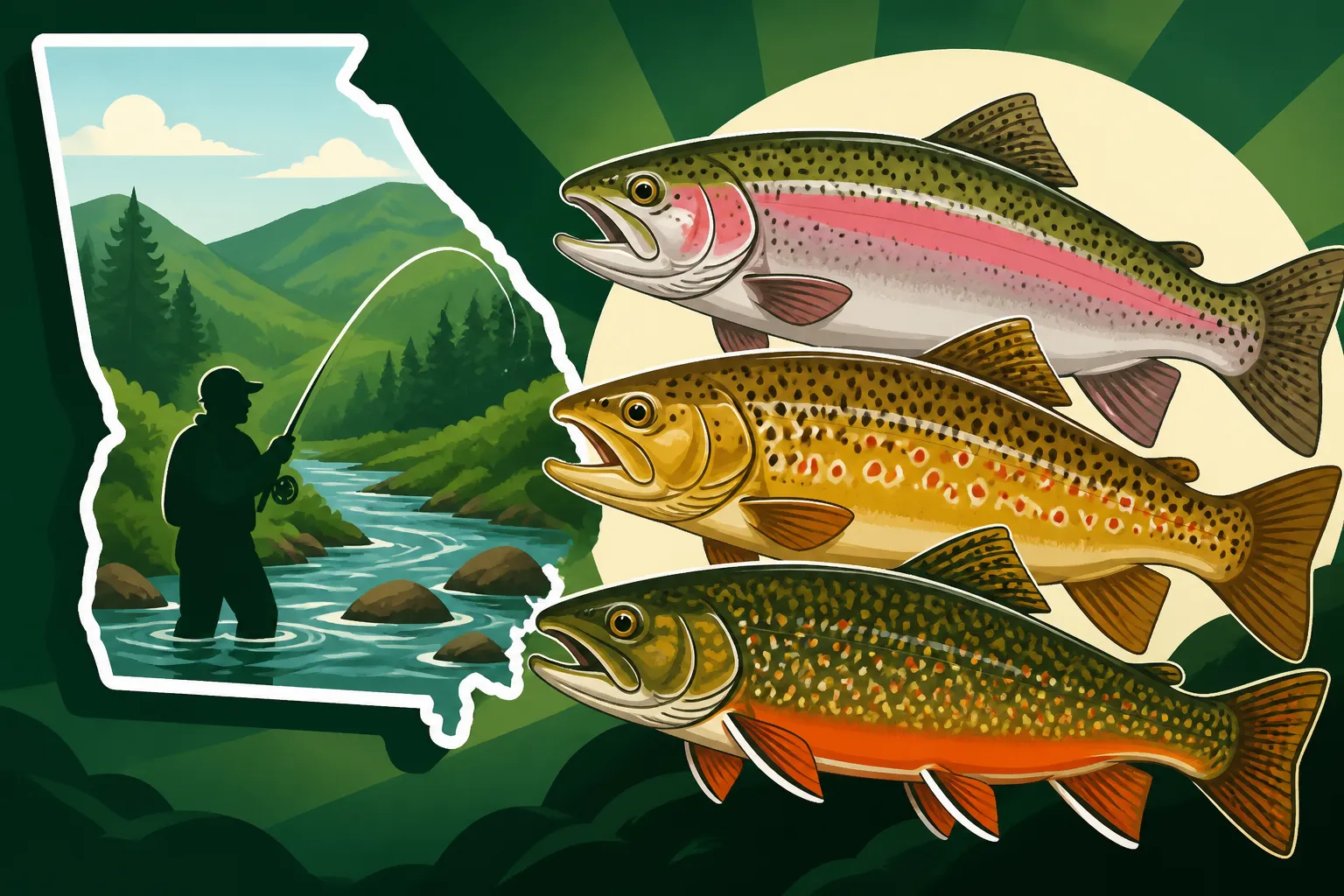
The Rainbow Trout (Oncorhynchus mykiss) gets its name from that distinctive, iridescent pinkish-red stripe running horizontally along its flanks. It’s like nature painted a blush right down its side! Beyond that lovely stripe, you'll notice numerous small, dark spots scattered over its back, fins, and tail. Its tail fin is typically broad and slightly forked, and its overall body shape is sleek and torpedo-like, perfectly designed for navigating swift currents. Their coloration can vary quite a bit depending on their environment and diet – fish from clear, wild streams might be darker and more intensely colored, while hatchery-reared fish might appear lighter or more silvery.
When you're out there, pay attention to these details. Sometimes a young brown trout might have faint spots that could be mistaken, but the rainbow's signature stripe is usually a dead giveaway. They also tend to have a more prominent adipose fin (that small, fleshy fin near the tail) compared to some other species. Taking a moment to truly observe your catch before releasing it or placing it in your creel not only helps with identification but also deepens your appreciation for these stunning creatures.
Stocked Rainbows: The Angler's Friend
Most of the Rainbow Trout you'll encounter in Georgia, especially in easily accessible public waters, are hatchery-reared and stocked by the Georgia Department of Natural Resources (DNR). These fish are a blessing for anglers, ensuring consistent opportunities even in areas with limited natural reproduction. They are usually more accustomed to human presence and often less finicky about what they'll eat, making them a great target for beginners and seasoned anglers alike. You can often find them shortly after stocking events, which are published in the Georgia Trout Stocking Schedule.
They’re often found in popular fishing destinations like the Chattahoochee River tailwater below Lake Lanier, or many of the smaller streams in areas like the Blue Ridge WMA. These fish are typically robust and eager to bite, making them excellent sport. When fishing for stocked rainbows, don't be afraid to try a variety of baits and lures. PowerBait, corn, small spinners (like Rooster Tails or Mepps), and even simple worms are often highly effective. Many anglers grab their favorite spinners from places like Amazon before hitting the water. They're not always the pickiest eaters, which is part of their charm and why they're so popular!
Wild Rainbows: A North Georgia Treasure
While most rainbows are stocked, Georgia does boast some incredible populations of wild Rainbow Trout, particularly in the colder, higher-elevation streams of North Georgia. These wild fish are a different beast entirely. They are usually smaller than their hatchery cousins, typically ranging from 6 to 12 inches, but they are incredibly feisty and cunning. Their colors are often more vibrant and natural, blending perfectly with their rocky, clear-water homes. Catching a wild rainbow requires a more subtle approach, keen observation, and often lighter tackle.
These fish are masters of their environment, holding in deep pools, under fallen logs, or behind large rocks, waiting for insects to drift by. Fly fishing is particularly effective for wild rainbows, as matching the hatch with tiny nymphs, dries, or emergers can be incredibly rewarding. If you're spin fishing, opt for smaller, more natural-looking lures and retrieve them subtly. The fight from a wild rainbow, even a small one, is something special – a testament to their inherent strength and wild spirit. Seeking out these wild populations is often what truly defines the pursuit of Rainbow Trout Fishing in North Georgia's Mountain Streams.
The Brown Trout: Elusive and Wily Warriors
If the Rainbow Trout is the friendly, accessible neighbor, the Brown Trout is the reclusive, grizzled veteran of the stream. Known for their intelligence, wariness, and impressive size potential, Brown Trout (Salmo trutta) present a formidable challenge that many experienced anglers actively seek out. They are opportunistic predators, often growing large by preying on smaller fish and even mice or frogs that fall into the water. This predatory nature makes them incredibly exciting to target, especially for those who love a good chess match with their quarry.
Identifying the Beautiful But Cunning Brown
Brown Trout have a distinct look that sets them apart. Their bodies are typically golden-brown or olive-brown on the back, fading to yellowish or creamy white on the belly. The most striking feature is their pattern of dark spots, often surrounded by lighter halos, scattered over their sides and back. Many also have reddish or orange spots, sometimes with light halos, primarily below the lateral line. Unlike rainbows, their tails are usually square or only slightly forked, and they lack the prominent pink stripe. Their fins can sometimes have a yellowish tint.
A common mistake is to confuse a small brown with a rainbow, but the lack of a strong pink stripe and the presence of haloed spots are key indicators. Their head shape can also appear slightly more elongated than a rainbow's, giving them a more predatory look. Pay close attention to these subtle differences. It's often easier to spot a brown in clear water when you can see its full coloration. They are truly magnificent fish, perfectly camouflaged in the shadows of Georgia's diverse stream environments.
Brown Trout Behavior: Masters of Disguise and Deception
Brown Trout are infamous for their elusive nature. They are incredibly sensitive to vibrations, shadows, and unnatural movements. This means approaching a brown trout stream requires stealth and patience. They often prefer to hide in areas with plenty of cover: undercut banks, submerged logs, deep pools with overhanging vegetation, or underneath large rocks. These hiding spots offer them both protection from predators and prime ambush points for unsuspecting prey.
Their diet is varied and can change with the seasons. While they will certainly eat insects, larger browns often key in on baitfish, crayfish, and even small rodents. This makes them a fascinating species to target, as you might need to adapt your lure or fly selection more frequently. Early morning and late evening are often prime times for brown trout, as they become more active when light levels are low, providing them with a natural advantage over their prey. Many anglers find the challenge of outsmarting a wary brown trout to be the ultimate reward in trout fishing. This is where patience and observation truly pay off, as one wrong move can send them scattering for cover.
Hunting for Big Browns: The Thrill of the Chase
While many Brown Trout in Georgia's streams are of moderate size, often between 8 and 14 inches, they have a reputation for growing to impressive dimensions. Trophy browns, sometimes reaching lengths of 20 inches or more, are the stuff of legends among Georgia anglers. These larger fish are incredibly powerful and will put your tackle and your skills to the ultimate test. Landing one is a truly memorable experience. You'll often hear tales of monstrous browns caught in the larger rivers like the Chattahoochee below Buford Dam or parts of the Toccoa.
Targeting these bigger browns often means using larger baits or lures that mimic their preferred food sources. Big streamers, hefty spoons, crankbaits, or even live minnows can entice a strike from a territorial leviathan. Fly anglers might opt for articulated streamers or mice patterns fished at night. The pursuit of these large, wily fish can be addictive. It's not just about the catch; it's about the challenge, the anticipation, and the sheer joy of matching wits with one of nature's most cunning predators. For more on where these elusive fish hide, check out Brown Trout in Georgia: Where to Find Them.
The Brook Trout: Georgia's Native Gem
If there's a crown jewel in Georgia's trout waters, it's undoubtedly the Brook Trout (Salvelinus fontinalis). This isn't just another trout; it's Georgia's only native trout species, a true remnant of the ice age, found in the purest, coldest headwaters of our mountain streams. Catching a brook trout is often less about its size and more about the experience – the pristine wilderness, the delicate beauty of the fish, and the connection to a truly wild, ancient lineage.
Georgia's Only Native Trout Species
Brook Trout have called Georgia home for thousands of years, long before any other trout species were introduced. They thrive in the very highest reaches of the mountains, in streams so small and cold that often only these resilient fish can survive. Their presence is a strong indicator of excellent water quality and a healthy ecosystem. Because they are native and generally smaller, brook trout streams are often managed for conservation, with strict catch-and-release regulations or limited harvest to protect their fragile populations. Respecting these regulations is paramount for preserving this unique part of Georgia's natural heritage.
Many anglers consider catching a native "brookie" to be the ultimate Georgia trout fishing experience. It's a privilege, not just a casual fishing trip. These are the streams where you might not see another soul all day, where the sounds of the forest are your only companions. This makes every encounter with a brook trout even more special, a reminder of the wild beauty that still exists in our state. For a deeper dive into their unique status, read Brook Trout: Georgia's Only Native Trout Species.
Identifying the Exquisite Brookie
Brook Trout are arguably the most strikingly beautiful of the three species. Their backs are typically olive green to dark brown, marked with intricate, worm-like patterns known as "vermiculations." Their sides are often adorned with vibrant red or orange spots, sometimes with blue halos, making them look like living jewels. What truly sets them apart is the brilliant white leading edges on their lower fins (pelvic, anal, and caudal), often bordered by a thin black stripe, followed by a vivid orange or red color. This "white-tipped fin" is a classic identification marker.
Their bodies are usually more stout and robust compared to the sleeker rainbow or brown. The tail is square or only slightly notched. The vermiculations on their backs are unique to brook trout and a very reliable identifying feature. Often, especially males during spawning season, their bellies can turn a deep, fiery orange or red, adding to their breathtaking appearance. They might be small, typically ranging from 4 to 9 inches in Georgia, but their beauty is immense and unmistakable.
Protecting the Delicate Brook Trout Habitat
Brook Trout are incredibly sensitive to habitat degradation. They require exceptionally cold, clean, oxygen-rich water to survive and reproduce. Siltation from erosion, pollution, and increased water temperatures can quickly decimate their populations. This is why many of the streams where you find brook trout are remote, often requiring a hike to reach, and are frequently protected within designated wilderness areas or wildlife management areas. When fishing for brook trout, it's essential to practice ethical angling, which includes careful catch-and-release.
Using barbless hooks, minimizing handling time, and keeping the fish in the water as much as possible are all crucial practices. Even a short time out of the water can be fatal for these delicate fish, especially in warmer conditions. Their survival depends on our respect for their fragile environment. When you venture into a brook trout stream, remember you're entering a special place. Take only pictures, leave only footprints (and maybe a few educated casts). Every effort to protect these environments contributes to the longevity of Georgia’s native trout.
Where to Find Georgia's Trout Species: Habitat & Hotspots
Knowing what trout you're looking for is only half the battle; knowing where to find them is the other, equally important piece of the puzzle. Georgia's trout waters are primarily concentrated in the northern part of the state, nestled in the Appalachian foothills and mountains. These cold, clear waters are what make trout fishing possible in our otherwise warm state. Each species, however, has its preferred type of aquatic real estate.
North Georgia's Mountain Streams
The vast majority of Georgia's trout streams are found winding through the scenic North Georgia mountains. These are typically smaller to medium-sized creeks and rivers, characterized by rocky bottoms, swift currents, deep pools, and plenty of overhead cover from rhododendrons and towering hardwoods. This is where you'll find a mix of all three species, though specific streams might favor one over the others.
- Rainbow Trout: These are widespread in stocked streams throughout the region. Popular spots include the Chattahoochee River's tailwaters below Lake Lanier, the Toccoa River (especially the upper sections and Delayed Harvest waters), and many streams within the Chattahoochee National Forest. They're adaptable and can tolerate a slightly wider range of temperatures than brookies. You'll find them in both fast riffles and deeper, calmer pools. Check out Toccoa River Trout Fishing in Georgia for a popular spot.
- Brown Trout: Browns often coexist with rainbows, but they tend to prefer larger, more established streams with good cover and a healthy population of forage fish. They can be found in the larger sections of the Chattahoochee River, the Toccoa, and the Chattooga River. Their ability to grow large means they often stake out prime feeding lies, like the edges of strong currents or beneath undercut banks.
- Brook Trout: To find brook trout, you generally need to go higher and deeper into the wilderness. They inhabit the very smallest headwater streams, often requiring a hike to reach. Look for streams with dense canopy cover, crystal-clear water, and consistent cold temperatures, usually above 2,500 feet elevation. Examples include remote tributaries of the Toccoa and Amicalola rivers, or specific high-elevation streams within wildlife management areas. These are truly wild places.
Tailwaters and Public Fishing Areas
Beyond the wild mountain streams, Georgia also offers excellent trout fishing in regulated tailwater fisheries and designated public fishing areas (PFAs).
- Tailwater Fisheries: The most famous example is the Chattahoochee River below Buford Dam. This section of the river, fed by the deep, cold water released from Lake Lanier, maintains year-round temperatures suitable for trout. It's heavily stocked with Rainbow Trout and holds some truly massive Brown Trout. The consistent flow and cold water make it a fantastic, productive fishery, though it can get crowded. Other tailwater sections, though less famous for trout, can also offer opportunities. Chattahoochee River Headwaters Trout Fishing is a good resource for exploring upstream options as well.
- Public Fishing Areas (PFAs): Georgia’s Wildlife Resources Division manages several PFAs that include trout streams or ponds. These areas are often well-maintained, easily accessible, and regularly stocked. They're fantastic options for families or anglers looking for a more relaxed fishing experience with a higher chance of success. Always check the specific regulations for each PFA, as they can have unique rules regarding creel limits and tackle.
Navigating Georgia Fishing Regulations Explained
Before you even wet a line, it is absolutely vital to be familiar with Georgia's fishing regulations. These rules are in place for a reason: to protect our precious fisheries and ensure sustainable angling for future generations. Not knowing the rules is no excuse, and wardens patrol these waters diligently.
The key areas to pay attention to include:
- License Requirements: Everyone aged 16 and older needs a valid Georgia fishing license. If you're targeting trout in designated trout waters, you'll also need a Georgia Mountain Trout License in addition to your basic fishing license. This is a common point of confusion for many anglers. Check out Georgia Fishing License Requirements for all the details.
- Creel Limits: This refers to the maximum number of fish you can keep in a day. It varies significantly by species and even by specific stream sections. For example, general trout waters might have a daily creel limit of 8 trout, while special regulation areas (like Delayed Harvest streams during certain months or wild trout streams) might have much lower limits, or even be strictly catch-and-release.
- Size Limits: Some waters have minimum or maximum size limits for trout. This is particularly true for brown trout, where specific lengths might be enforced to protect larger breeding fish. Always measure your fish carefully if you plan to keep them.
- Tackle Restrictions: Certain special regulation areas, particularly some wild trout or Delayed Harvest streams, may have restrictions on the type of tackle you can use (e.g., artificial lures only, single barbless hooks). Always consult the Georgia DNR fishing regulations digest or website before heading out.
Ignorance of the law is never an excuse, and a friendly chat with a game warden can quickly turn into a costly citation if you're not compliant. Make it a habit to review the current regulations before each fishing season or when visiting a new water body.
Gear, Techniques, and Seasons for Success
Once you know your trout and where they live, the next step is figuring out how to catch them. The beauty of trout fishing is its versatility; you can pursue them with a variety of gear and techniques. What works best often depends on the species you're targeting, the water conditions, and the time of year.
Choosing the Right Gear: Rods, Reels, and Line
Having the right equipment can make a significant difference in your success and enjoyment. You don't need to break the bank, but investing in decent quality gear suitable for trout will pay off.
- Rods:
- Spinning Rods: For most Georgia trout fishing, a lightweight spinning rod (5' to 6'6" in length) with a fast to moderate action is ideal. This allows for accurate casting of light lures and baits. A shorter rod is great for tight, brushy streams, while a longer rod offers more casting distance on wider rivers.
- Fly Rods: For fly fishing, a 3-weight to 5-weight fly rod, typically 7'6" to 9' in length, is standard. A 3-weight is perfect for delicate presentations on small streams for brookies, while a 5-weight is versatile enough for larger rainbows and browns on wider waters.
- Reels:
- Spinning Reels: Pair your spinning rod with a small, lightweight spinning reel (size 1000 or 2000). Smooth drag is crucial for fighting strong trout on light line.
- Fly Reels: A matching fly reel for your rod weight (e.g., a 4/5 weight reel for a 5-weight rod) is appropriate. Its primary function is to hold line and provide drag, not to actively retrieve fish like a spinning reel.
- Line:
- Spinning Line: Ultra-light monofilament or fluorocarbon line in 4 to 6-pound test is usually sufficient. Fluorocarbon is less visible in clear water and has better abrasion resistance.
- Fly Line: Choose a weight-forward floating line that matches your rod weight. You'll attach a leader (tapered monofilament or fluorocarbon) of typically 7.5 to 9 feet, ending with a tippet section of 4x to 6x (which is roughly 3-6 pound test).
When shopping for gear, don't overlook online retailers like Amazon. They often have a wide selection of rods, reels, and lines to suit various budgets and preferences, making it easy to build your trout fishing arsenal.
Spin Fishing Techniques for All Trout Species
Spin fishing is a popular and effective method for all three trout species, especially for those who are just starting out or prefer a more active style of fishing.
- Baits:
- Worms/Live Bait: Red wigglers, mealworms, and even small crickets are classic, effective baits, especially for stocked trout. They're natural and trout find them irresistible.
- PowerBait/Dough Baits: These scented, moldable baits are fantastic for stocked rainbows. They come in various colors and shapes, and many float, allowing you to present them off the bottom.
- Corn: Believe it or not, a few kernels of canned corn on a small hook can be incredibly effective, particularly for recently stocked trout.
- Lures:
- Spinners: Small inline spinners (e.g., Mepps Aglias, Rooster Tails, Panther Martins) in sizes #0 to #2 are deadly. Their flashing blades and vibrating action attract trout from a distance. Gold, silver, and fire-tiger patterns are often productive.
- Spoons: Tiny casting spoons (e.g., Little Cleo, Dardevle) can be effective, especially for larger trout. Their wobbling action mimics injured baitfish.
- Small Crankbaits: Micro crankbaits that dive a few feet can entice aggressive strikes, particularly from brown trout.
- Techniques: Cast upstream or across the current, letting your bait or lure drift naturally downstream while maintaining a tight line. Retrieve spinners and spoons with a steady, slow retrieve, varying the speed until you find what works. For bait, use a small split shot or a float to present it at different depths. For a deeper dive into these methods, check out Spin Fishing Techniques for Trout.
Fly Fishing: The Art of Imitation
Fly fishing is often considered the quintessential trout fishing experience, offering a delicate and engaging way to pursue these fish. It's particularly effective for wild trout and in catch-and-release waters.
- Flies:
- Nymphs: These imitate aquatic insect larvae and are incredibly effective subsurface. Popular patterns include Pheasant Tail, Hare's Ear, Prince Nymph, and Squirmy Wormy.
- Dry Flies: These imitate adult insects on the surface. Caddis, Adams, and Parachute Adams are excellent choices when trout are actively feeding on top.
- Streamers: Larger flies that imitate baitfish, leeches, or crayfish. Woolly Buggers (black, olive, brown) are incredibly versatile and effective for all trout species, especially larger browns.
- Techniques:
- Casting: Learning to cast a fly rod effectively is a skill in itself, requiring practice and patience. The goal is to present the fly gently and accurately.
- Drift: The most critical aspect is achieving a "drag-free drift," where your fly moves at the same speed as the natural current, making it appear lifelike.
- Reading Water: Understanding where trout hold – in riffles, pools, runs, and eddies – is fundamental to placing your fly in the right spot. For those just starting their fly fishing journey, Fly Fishing Basics for Trout provides an excellent foundation.
Seasonal Approaches to Georgia Trout Fishing
Trout behavior changes with the seasons, largely influenced by water temperature, food availability, and spawning cycles. Adapting your approach to the time of year can greatly improve your success.
- Spring (March-May): This is often considered prime trout fishing season. Water temperatures are rising, insects are becoming more active, and trout are feeding aggressively. Many streams are heavily stocked during this time. Nymphing and small spinners are often very effective. This is also when Georgia Trout Stocking Schedule really ramps up.
- Summer (June-August): As water temperatures climb, trout become more sluggish and seek colder, deeper water. Focus on early mornings, late evenings, or shaded areas. High-elevation streams remain productive. Terrestrial patterns (like ant or grasshopper imitations) can be deadly for fly anglers.
- Fall (September-November): Another fantastic season! Water temperatures cool, and Brown and Brook trout begin their spawning rituals. Trout become aggressive, and larger fish can be caught. Streamers and larger lures can be very effective. Fall is also a popular time for Delayed Harvest Trout Streams in Georgia, which switch to catch-and-release only.
- Winter (December-February): Trout are less active, but still catchable. Focus on slower-moving, deeper pools and fish during the warmest part of the day. Small nymphs and subtle presentations are key. Many anglers find the quiet solitude of winter trout fishing incredibly rewarding.
Conservation and Responsible Trout Fishing
As anglers, we have a responsibility to protect and preserve Georgia's trout fisheries for future generations. This isn't just about following rules; it's about adopting an ethos of respect for the fish and their environment. Every decision we make on the water, from how we handle a fish to what we leave behind, has an impact.
Understanding Georgia Freshwater Fishing Rules and Regulations
Beyond the general license and trout stamp requirements, specific regulations are often put in place to protect vulnerable populations or enhance certain fisheries.
- Special Regulation Areas: Some streams, especially those managed for wild trout or during Delayed Harvest seasons, will have unique rules. These might include:
- Artificial Lures Only: No live bait allowed. This minimizes mortality by preventing deeply swallowed hooks.
- Single Barbless Hooks: Barbs can cause more tissue damage, and barbless hooks make release much easier and quicker. You can often buy barbless hooks on Amazon, or simply crimp the barb down on existing hooks with pliers.
- Catch and Release Only: Absolutely no harvesting of fish is permitted.
- Species-Specific Regulations: Pay close attention to rules that differentiate between Rainbow, Brown, and Brook trout. For example, some native brook trout streams might have extremely restrictive limits, or even be completely closed to harvest, to ensure their survival. Understanding Georgia Trout Stream Size Limits by Creek is crucial, as these can vary dramatically from one water body to another. Always consult the Georgia DNR fishing regulations for the most current information.
Practicing Ethical Catch and Release
Even if you're in an area where harvest is permitted, practicing catch and release, especially for larger breeding fish or native species, is a hallmark of responsible angling. When you do catch a fish you intend to release, follow these guidelines:
- Minimize Handling: Keep the fish in the water as much as possible. Avoid touching its eyes or gills.
- Wet Your Hands: Always wet your hands before handling a fish. Dry hands can remove the protective slime layer, leaving the fish vulnerable to disease.
- Barbless Hooks: As mentioned, barbless hooks make removal quick and easy, causing minimal damage.
- Support the Fish: If you must lift the fish for a quick photo, support its body horizontally. Never hold a large fish vertically by the jaw or tail, as this can damage its internal organs and spine.
- Revive Gently: If the fish seems sluggish, hold it gently in the current, facing upstream, until it regains its strength and swims away on its own. Don't "pump" it back and forth, as this can force water the wrong way over its gills.
Leave No Trace: Protecting Our Natural Resources
The "Leave No Trace" principles extend beyond just trash. It's about minimizing your impact on the environment you're enjoying.
- Pack It In, Pack It Out: This means everything. Even biodegradable items like orange peels or apple cores can take a long time to break down and attract unwanted wildlife.
- Stay on Trails: Avoid trampling vegetation or disturbing sensitive stream banks, which can lead to erosion and harm fish habitat.
- Respect Wildlife: Observe animals from a distance. Do not feed them or disturb nesting areas.
- Be Considerate of Others: Share the water respectfully, especially in popular spots. Keep noise levels down and avoid crowding other anglers.
By following these guidelines, you're not just being a good angler; you're being a good steward of Georgia's incredible natural beauty.
Common Misconceptions and Troubleshooting
Even with all the best intentions and information, trout fishing can still throw you some curveballs. There are a few common misunderstandings that trip up even seasoned anglers, and knowing how to troubleshoot common issues can save a day on the water.
"If There's No Hatch, There's No Catch"
This is a classic fly fishing misconception. While a strong insect hatch can certainly lead to incredible surface action, it's far from the only time trout feed. In fact, trout spend the vast majority of their time feeding subsurface, on nymphs, larvae, and other aquatic organisms. Even when no bugs are visible, there's often plenty of food drifting along the bottom.
- Troubleshooting: If you don't see any fish rising, don't despair! Switch your focus to nymphing. Rig up a weighted nymph pattern with an indicator and get it down deep where the fish are feeding. Spin anglers can try small jigs, weighted plastics, or deeply retrieved spinners and spoons. Often, the fish are there, just not looking up.
"Trout Only Bite When It's Cold"
While trout are coldwater species and prefer lower water temperatures, this doesn't mean they stop biting when the mercury rises. It just means their behavior changes, and you need to adjust your approach.
- Troubleshooting: In warmer months, trout will seek out cold water refuges. Look for areas with deep pools, spring feeds, shaded sections, or even the tailwaters of dams that release cold water. Fish during the cooler parts of the day – early morning or late evening. Slow down your presentation, as fish might be less active. Using smaller, more subtle baits and lures can also be effective. Remember, fish still need to eat!
The "Honey Hole" Myth
We all love the idea of a secret spot where the fish are always biting, but relying too heavily on one "honey hole" can limit your success. Fish are constantly moving, influenced by water levels, food sources, pressure from other anglers, and environmental changes.
- Troubleshooting: Be willing to explore and adapt. If your favorite spot isn't producing, move on. Walk upstream or downstream, try different types of water (riffles, runs, pools), and even switch to a completely different stream. Use online resources, forums, and local tackle shops to get updated information on where fish are currently biting. Don't be afraid to experiment with new techniques or lures if your usual go-to isn't working. Sometimes, it's the willingness to try something new that leads to the best catches.
Understanding and Using a Fish Finder (If You Have One)
For anglers using boats on larger trout waters (like parts of the Chattahoochee River), a fish finder can be an invaluable tool, but only if you know how to interpret what it's telling you. It's not just a magical "fish detector."
- Troubleshooting: A fish finder reveals depth contours, underwater structure (like ledges, humps, or submerged timber), and sometimes even schools of baitfish or individual larger fish. Learn to distinguish between these readings. Trout often relate to structure and depth changes. For instance, in winter, trout might suspend in deeper water over humps, while in summer, they might hug the bottom near cold springs. The device helps you locate potential holding areas, but it's still up to your angling skills to entice a bite. Think of it as a map, not a guarantee. You can find a range of fish finders on Amazon, from basic models to advanced units, depending on your needs.
By understanding these common issues and being prepared to adapt, you'll find that your time on Georgia's trout waters becomes far more productive and enjoyable. It's all part of the continuous learning process that makes fishing such a rewarding pursuit.
Comparing Georgia's Trout Species: A Quick Reference
To help you keep track of the unique characteristics of each trout species, here's a handy comparison table. This is a quick glance, but remember, individual fish can vary!
| Feature | Rainbow Trout | Brown Trout | Brook Trout |
|---|---|---|---|
| Scientific Name | Oncorhynchus mykiss | Salmo trutta | Salvelinus fontinalis |
| Native to Georgia | No (Introduced) | No (Introduced) | Yes (Only Native Trout) |
| Distinctive Markings | Pink/red horizontal stripe, numerous small black spots on body & tail. | Dark spots, some with light halos; often red/orange spots below lateral line; no pink stripe. | Worm-like (vermiculated) patterns on back; red/orange spots with blue halos; white leading edges on lower fins. |
| Typical Size (GA) | 6-18 inches (stocked larger) | 8-20+ inches (can grow very large) | 4-9 inches (smaller, delicate) |
| Preferred Habitat | Moderate-sized streams, rivers, tailwaters; adaptable. | Larger rivers, streams with good cover, deep pools. | Small, high-elevation, pristine headwater streams; very cold water. |
| Behavior | Eager biters, aggressive, often school. | Wary, elusive, opportunistic predators; often nocturnal. | Delicate, shy, inhabit small pockets; highly sensitive. |
| Difficulty to Catch | Beginner-Friendly (especially stocked) | Intermediate to Advanced | Intermediate (due to habitat and size) |
| Conservation Status | Stable (heavily stocked) | Stable | Sensitive (managed for preservation) |
Disclaimer
This article is for general informational purposes only and does not constitute professional advice. Laws, prices and regulations vary by location and change over time. Consult a qualified professional for guidance on your specific situation.