How to Jig for Crappie
Seasonal water temperature changes, fish habits, and specific Georgia lake structures help anglers catch crappie successfully.
Match the method to the moment.
Seasonal patterns, proven tactics, rigging and presentation basics, bait choices, and how to adapt as conditions change.
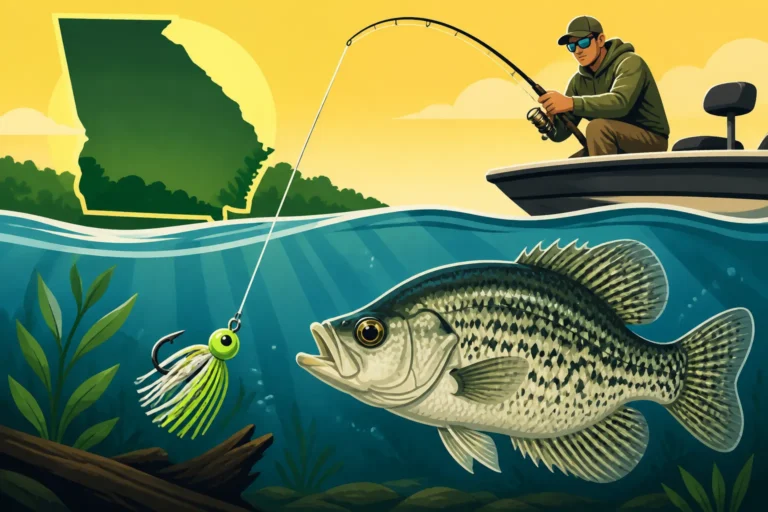
Seasonal water temperature changes, fish habits, and specific Georgia lake structures help anglers catch crappie successfully.
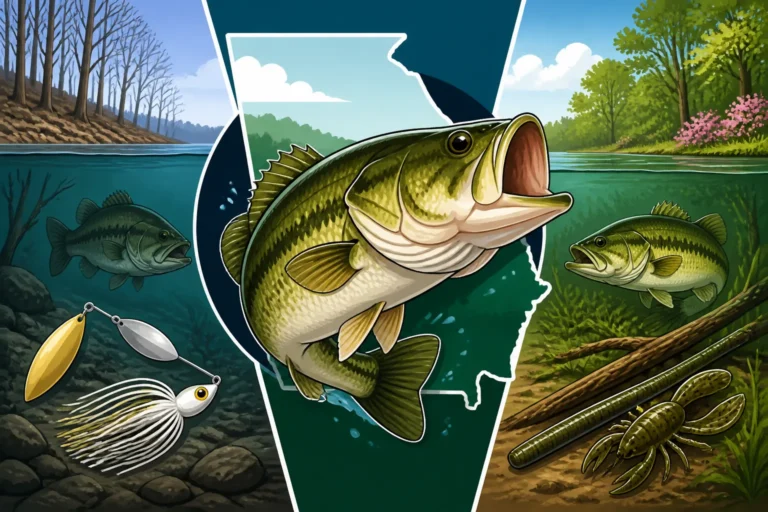
Bass fishing techniques and water temperature patterns explain how to catch largemouth and spotted bass during Georgia transition periods.
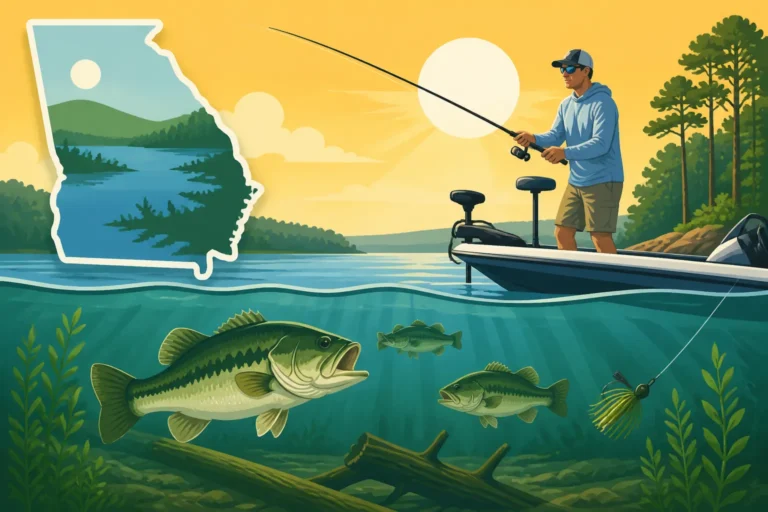
Summer water temperature stratification and the thermocline explain why fish concentrate at specific depths on Georgia big lakes.
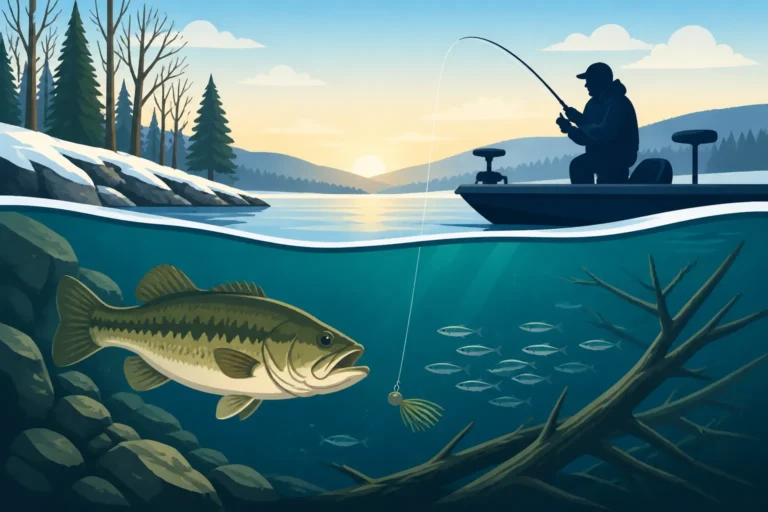
Winter fishing patterns on Georgia reservoirs explain how water temperature drops, lake levels, and clarity affect fish behavior.
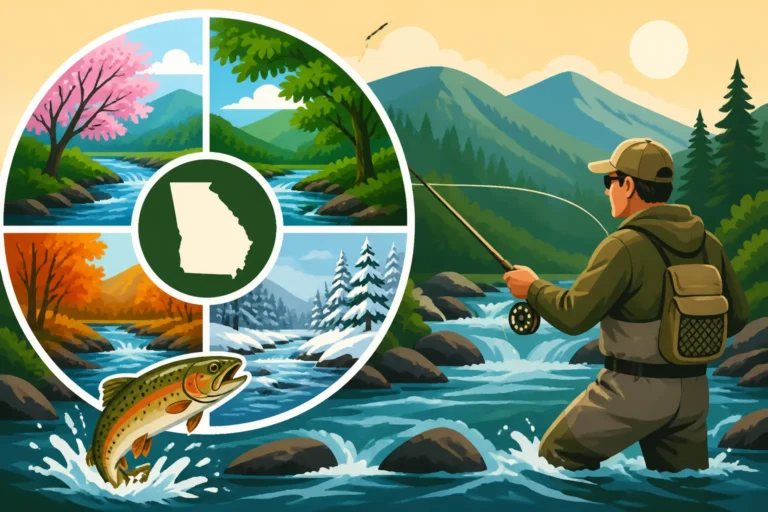
Georgia mountain streams offer prime trout fishing during specific months based on seasonal water temperatures and species behaviors.
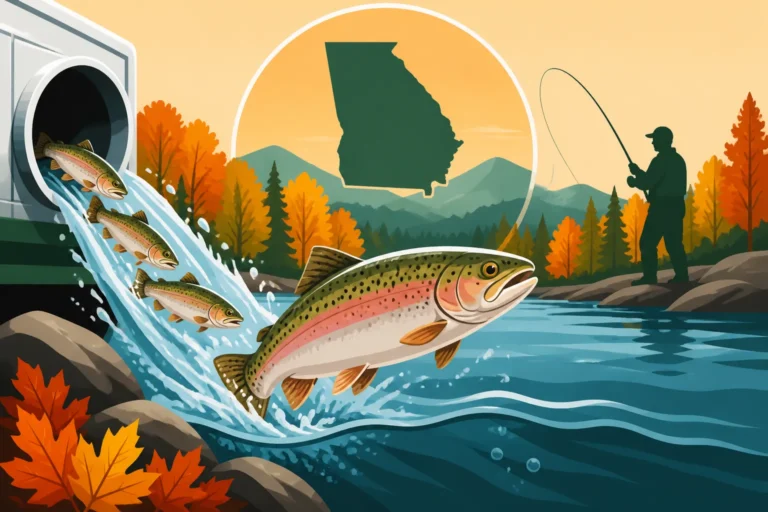
Georgia fall trout stocking by the Department of Natural Resources provides active rainbow and brown trout fishing opportunities.
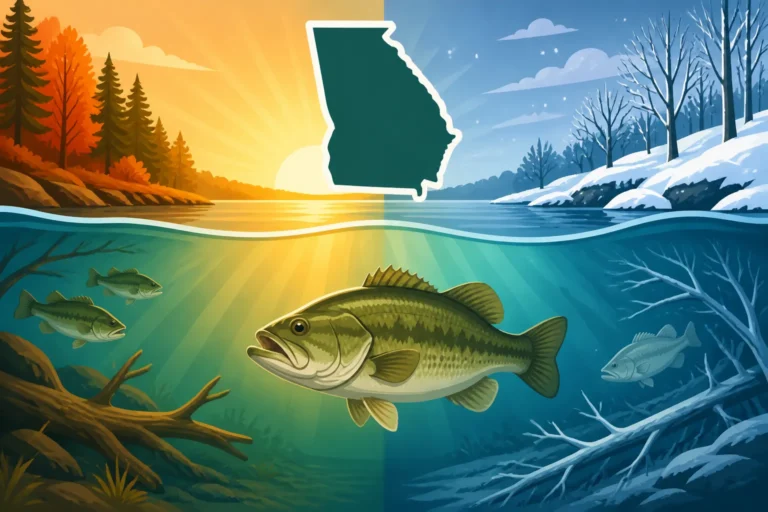
Plant Scherer cooling water discharge and Piedmont geography keep Lake Sinclair warm, maintaining fish metabolism all winter.
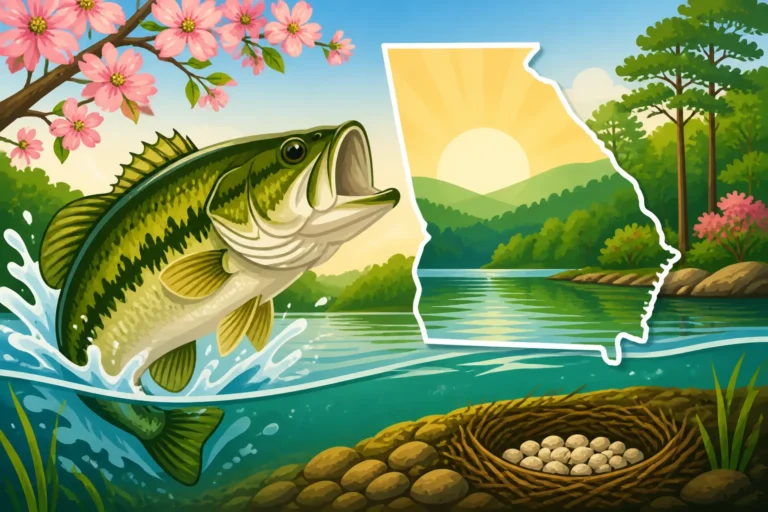
Spring bass spawn timing in Georgia lakes relies on water temperatures reaching mid fifties to sixties degrees for bedding.
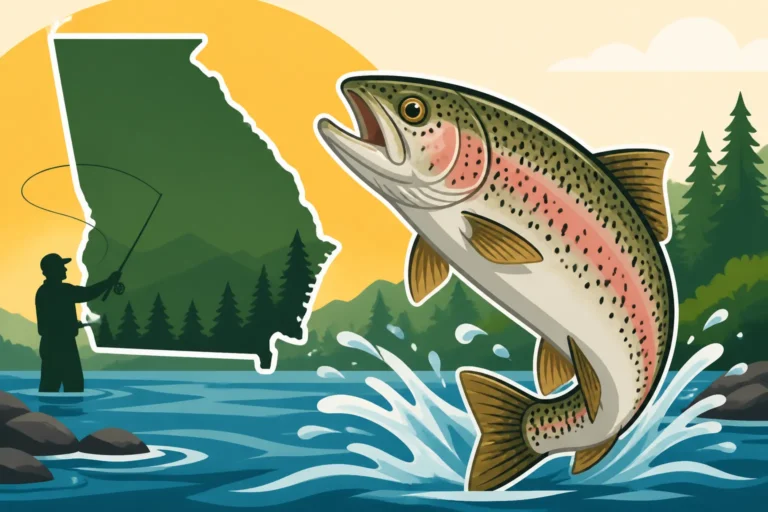
Georgia Delayed Harvest trout regulations require catch and release from November 1st through May 14th, shifting to harvest rules on May 15th.
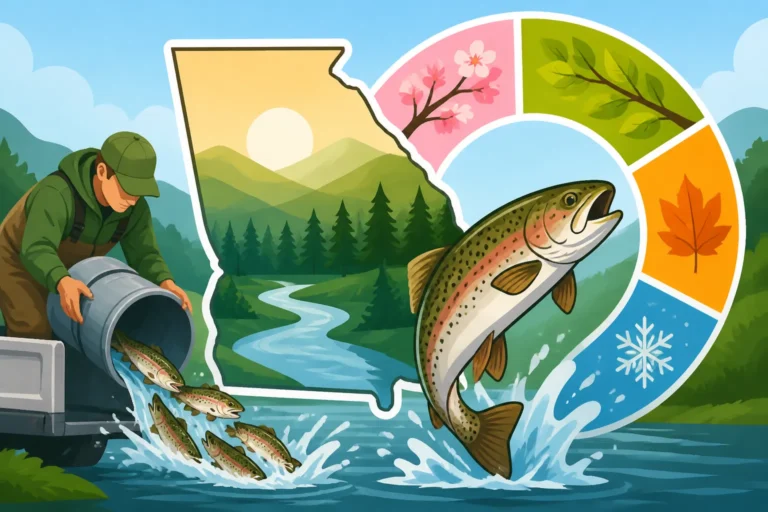
Georgia trout stocking schedules from March to October help anglers plan fishing trips to North Georgia streams and hatcheries.