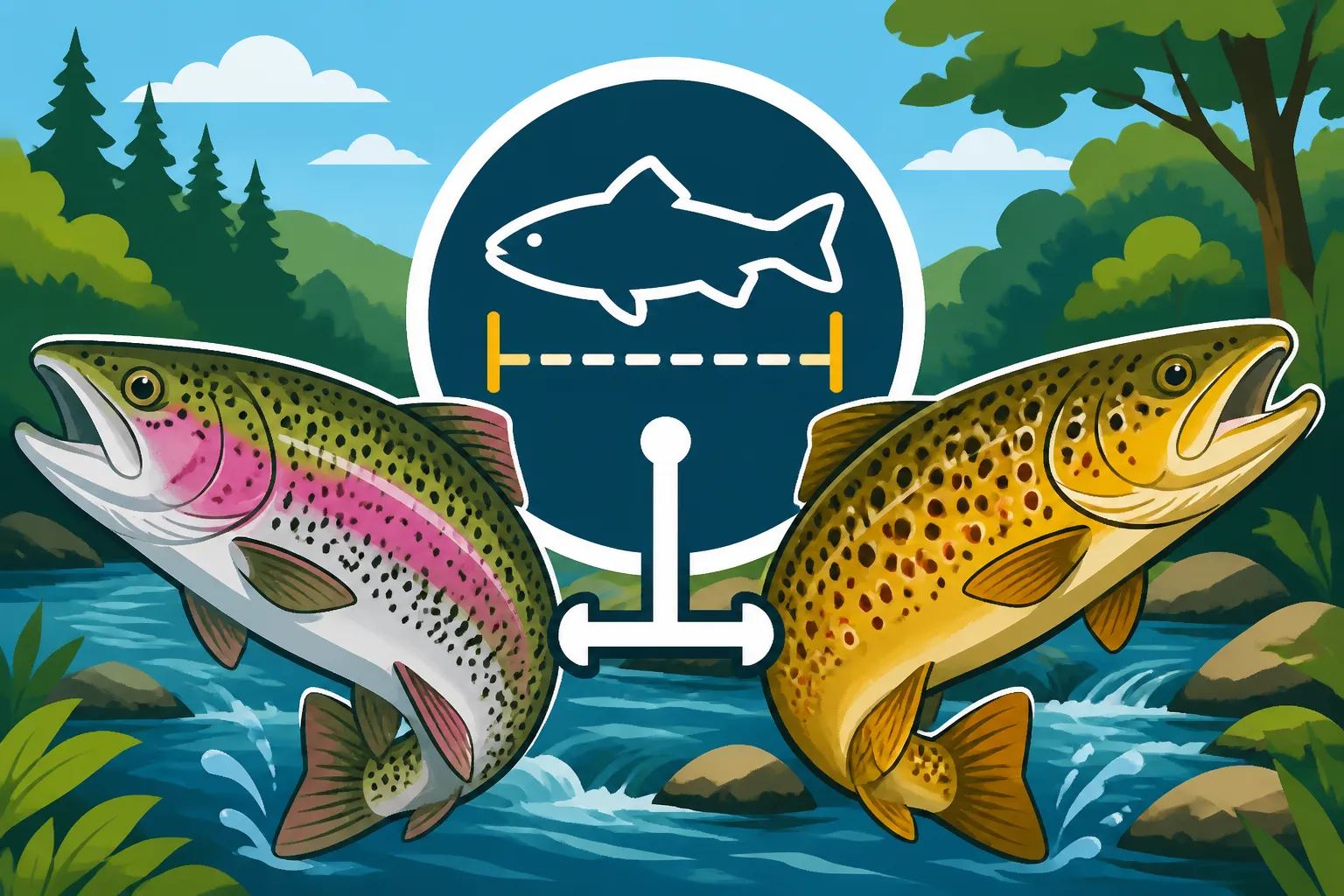
Rainbow and brown trout size limit on Waters Creek
Anglers often get frustrated navigating the labyrinth of Georgia's fishing regulations, especially when specific streams have unique rules that differ from the statewide norms. Waters Creek is one of those special places, renowned for its trophy trout but also notorious for its distinct size and creel limits for rainbow and brown trout. This comprehensive guide is here to untangle those complexities, ensuring you understand exactly what's required before you cast your line into these productive waters.
Unraveling Waters Creek's Special Trout Regulations
The Peach State offers an incredible diversity of fishing, from bass-filled reservoirs to coastal saltwater adventures. However, for those of us who love chasing trout in the cooler mountain streams, it's easy to assume a "one size fits all" approach to regulations. This couldn't be further from the truth, and nowhere is that more apparent than at Waters Creek. This stream operates under its own set of rules, often to the pleasant surprise (and sometimes initial confusion) of visiting anglers.
Why Waters Creek Isn't Your Average Trout Stream
Waters Creek isn't just another pretty mountain stream nestled in the Chattahoochee National Forest; it's meticulously managed by the Georgia Department of Natural Resources (DNR) as a designated "trophy trout water." This special classification means it operates under much stricter guidelines than many other trout streams in North Georgia. The goal here isn't just to provide a place to catch fish, but to cultivate an environment where trout can grow to impressive sizes, offering a truly unique angling experience that focuses on quality over quantity. If you've ever found yourself scratching your head, wondering why the rules here seem different, it's because they are designed to protect and enhance that trophy potential, validating the effort anglers put into seeking out such special destinations.
This distinction can be a real head-scratcher for even seasoned anglers. You might be used to a standard creel limit of eight trout per day on general regulation waters, but then you arrive at Waters Creek only to find completely different numbers staring back at you from the signage. This isn't an oversight or an error; it's a deliberate management strategy. The DNR invests significant resources into these waters, often through targeted stocking and habitat improvement, to ensure they live up to their "trophy" billing. Understanding this underlying philosophy helps to make sense of the seemingly complex rules and appreciate the unique opportunity Waters Creek provides.
It's not uncommon for anglers to travel from all corners of Georgia, and even neighboring states, specifically to target the larger fish that thrive in Waters Creek. Because of this popularity and the desire to maintain a high-quality fishery, the DNR implements these site-specific regulations. It ensures that the pressure on the fish population is managed, allowing enough trout to survive and grow to those coveted larger sizes. So, while it might feel like an extra hurdle to memorize these particular rules, it’s all for the greater good of keeping Waters Creek a premier destination on par with other celebrated Best Trout Streams in Georgia.
Contrasting Waters Creek Rules with General Georgia Trout Limits
The most significant difference you'll encounter at Waters Creek, compared to what you might expect from general trout waters in Georgia, lies in the daily creel limits and the minimum size requirements. On many other streams, you might be allowed to keep a higher number of fish, and the minimum size for keeping a trout could be as low as 7 inches. However, Waters Creek dramatically raises the bar, reflecting its focus on bigger fish and sustainable harvest. This means anglers need to be extra vigilant about measuring their catches accurately and releasing anything that doesn't meet the stringent criteria.
For instance, if you're accustomed to fishing a stream with a standard eight-fish creel limit and a 7-inch minimum, arriving at Waters Creek and finding a limit of two fish and a much larger minimum size can be quite a shock. This isn't about making fishing harder; it's about shifting the focus from quantity to quality. It encourages anglers to practice catch-and-release more often, especially for the smaller fish that represent the future of the trophy fishery. It’s a subtle but important shift in mindset that every angler visiting Waters Creek needs to embrace, understanding that patience and conservation are part of the thrill.
It's worth noting that these specialized regulations are often posted clearly at access points to Waters Creek. Always take a moment to read these signs, even if you think you know the rules, because regulations can change. Ignorance of the law is never an excuse, and the Georgia Wildlife Resources Division takes these rules seriously. Ensuring you’re up-to-date helps avoid any unfortunate encounters with game wardens and keeps the experience enjoyable for everyone. For a broader understanding of state rules, you might also want to check out the official Georgia Fishing Regulations Explained document online. It offers invaluable context for how Waters Creek fits into the larger regulatory framework.
Here's a quick comparison of Waters Creek's unique rules versus general trout stream regulations in Georgia:
| Feature | Waters Creek Trophy Trout Water | General Georgia Trout Waters |
|---|---|---|
| Rainbow Trout Minimum Size | 16 inches | 7 inches |
| Brown Trout Minimum Size | 16 inches | 7 inches |
| Daily Creel Limit (Combined Rainbow & Brown) | 2 fish | 8 fish |
| Brook Trout Regulations | Catch-and-Release Only | Varies, often 7 inches minimum/8 fish creel, or special regulations |
| Purpose | Trophy Fishery Management | General Recreation/Harvest |
| Required Licenses | Basic Fishing License + Mountain Trout License | Basic Fishing License + Mountain Trout License (for designated streams) |
Detailed Size and Creel Limits for Waters Creek's Trout
Now that we understand why Waters Creek has special rules, let's dive into the specifics that you need to memorize before your next trip. Getting these details wrong can not only lead to penalties but also undermines the very conservation efforts that make Waters Creek such an incredible place to fish. Anglers often get confused by the varying rules, so let's clear up exactly what's expected for rainbow and brown trout here.
Rainbow and Brown Trout Minimum Size and Daily Creel
Alright, let's get down to the nitty-gritty specifics for Waters Creek. For both rainbow trout and brown trout, the regulations are designed to protect the breeding population and ensure fish have ample opportunity to grow large. On Waters Creek, you are only allowed to keep two (2) trout per day, and these trout must be at least sixteen (16) inches in length. Yes, you read that right – 16 inches! This is a significant jump from the general state minimums and is a clear indicator of the trophy management strategy in place. It's truly one of Georgia's Georgia's toughest trout size limits.
This 16-inch minimum applies to both rainbow and brown trout, meaning if you catch a beautiful 14-inch brown, you must release it, even if it's the only fish you've caught all day. It takes a lot of discipline, especially when you're just itching to take something home, but it's crucial for the health of the fishery. These larger size limits mean that any fish you do legally keep from Waters Creek will truly be a trophy-sized catch, making the effort and adherence to regulations all the more rewarding. It's a testament to patience and respect for the resource.
The daily creel limit of two fish is also quite restrictive compared to other streams, where an angler might be able to keep eight. This lower limit further reduces fishing pressure, allowing more fish to survive and contribute to the impressive population of larger trout. So, when you're fishing Waters Creek, every fish you encounter is a valuable part of this unique ecosystem, and handling them with care, especially those you release, is paramount. This rule applies to the combined total of rainbow and brown trout, emphasizing the overall conservation effort for these prized species.
Now, it’s interesting to note that while rainbow and brown trout have this 16-inch minimum, Waters Creek also hosts brook trout, which are Georgia's only native trout species. The regulations for brook trout on Waters Creek are even stricter, often requiring immediate release regardless of size to protect this precious native population. So, be mindful of what you're catching! You can learn more about specific rules for Waters Creek brook trout minimum length if you plan to target them, as distinguishing between species quickly is essential.
The Importance of Accurate Measurement and Responsible Release
Given the strict 16-inch minimum size limit, accurate measurement is absolutely vital. Falsely estimating a fish's length can lead to penalties if you're found with an undersized fish, and honestly, it goes against the spirit of conservation that Waters Creek embodies. It's always a good idea to carry a reliable measuring tape or a bumping board. Lay the fish gently on the wet measuring device, ensuring its mouth is against the stopper and its tail is compressed. Take a quick photo if you like, and then get that fish back in the water as quickly and carefully as possible. Remember, stress can be deadly for trout.
Speaking of releasing fish, practicing responsible catch-and-release techniques is not just good sportsmanship; it’s a requirement for conservation, especially when dealing with such a precious fishery. Always wet your hands before handling a fish to protect its delicate slime coat, which is its primary defense against disease. Use barbless hooks or crimp down the barbs on your hooks to make removal easier and reduce injury to the fish. If a fish has swallowed the hook deeply, cut the line as close to the hook as possible rather than trying to yank it out, which can cause internal damage, something no ethical angler wants.
When releasing a fish, gently hold it upright in the water, facing upstream, until it regains its strength and swims away on its own. Don't just toss it back in; give it a chance to recover. This is especially important for the larger, older fish that are so vital to the future of the Waters Creek fishery. Every successfully released fish contributes to the overall health and trophy potential of the stream. For more details on statewide limits and practices, see our guide on Daily Creel Limits for Trout in Georgia, which covers general guidelines applicable beyond Waters Creek.
Strategies for Successful and Ethical Waters Creek Fishing
Beyond just knowing the rules, success at Waters Creek often comes down to adapting your fishing strategy and, just as importantly, your mindset. These aren't your typical stocked trout that will hit anything flashy; these are often more mature, warier fish that demand a thoughtful approach. Plus, being a good steward of the environment ensures everyone can continue to enjoy this special place.
Recommended Tackle and Lure Choices for Trophy Trout
Fishing for trophy trout in Waters Creek often demands a different approach than chasing smaller, freshly stocked trout in general regulation streams. These larger fish are typically warier and more discerning, having survived numerous encounters with anglers. Many experienced spin anglers favor lighter lines, often 4-6 pound test fluorocarbon or monofilament, to present lures and baits more naturally. A medium-light action rod, around 6 to 7 feet, offers enough backbone to handle a larger fish while still providing the sensitivity needed for subtle bites.
When it comes to lures for spin fishing, smaller, natural-looking presentations often yield the best results. Spinners like those from Mepps or Panther Martin in sizes #0 or #1, in natural silver or gold finishes, can be effective, especially when fished upstream and retrieved just fast enough to get the blade spinning. Small, suspending jerkbaits or twitch baits, 2-3 inches long, can also entice larger, more aggressive trout, mimicking their natural prey. Don't overlook soft plastics either; tiny grub tails or trout worms, fished on a small jig head, can be incredibly productive, especially when the fish are finicky. You can find a fantastic selection of these specialized trout lures and more on Amazon, offering convenience and a wide variety of options.
Fly fishing is also incredibly popular and often highly effective on Waters Creek, arguably the most popular method given the nature of the fishery. Matching the hatch is key, but if you're unsure, reliable patterns like Woolly Buggers (in olive or black), Pheasant Tail Nymphs, Hare's Ear Nymphs, and various dry flies mimicking caddis or mayflies can produce consistent results. For those targeting larger, predatory fish, streamers fished on a heavier tippet can often trigger aggressive strikes. Consider carrying a variety of patterns to adapt to changing conditions and bug activity. Our guide on Fly Fishing Gear for Georgia's Trout Streams offers more in-depth advice on equipment specific to the Peach State's waters.
Embracing Conservation and Angler Etiquette
Visiting a special management area like Waters Creek isn't just about catching fish; it's about being a steward of a precious resource. Your actions directly impact the quality of the fishery for both yourself and future generations of anglers. Always pack out everything you pack in, including discarded fishing line, bait containers, and food wrappers. Even a small piece of trash can detract from the natural beauty and harm wildlife, disrupting the pristine environment that makes Waters Creek so appealing.
Respecting other anglers is also a crucial part of etiquette. Waters Creek can get busy, especially on weekends or during peak Georgia Trout Stocking Schedule times. Give other anglers ample space; don't crowd someone's fishing spot. If you arrive at a section of the stream where someone is already fishing, either move further upstream or downstream, or politely ask if it's okay to fish nearby. A simple nod or wave can go a long way in fostering a friendly and respectful atmosphere on the water. We're all out there to enjoy nature, after all.
Furthermore, remember that Waters Creek is surrounded by natural habitat, so tread lightly. Be mindful of stream banks, avoiding unnecessary trampling or erosion that can degrade the aquatic environment. If you're wading, do so carefully to avoid disturbing redds (fish spawning beds, especially during spawning seasons) or crushing aquatic insects that are a vital food source for trout. These small actions collectively contribute to the long-term health and productivity of one of Georgia's most cherished trout waters, preserving it for everyone.
Essential Permits and Gear for Your Waters Creek Adventure
Fishing Waters Creek is an experience, and like any good adventure, it requires proper preparation. This isn't just about what lures to tie on, but about ensuring you have all your legal ducks in a row and the right equipment to make your day comfortable and successful. The last thing you want is to have your day cut short by a missing permit or inadequate gear.
Required Licenses and the Mountain Trout License
Before you even think about putting a line in Waters Creek, you absolutely must have the proper licenses. Every angler aged 16 and older needs a valid Georgia fishing license. This is your basic entry ticket to fishing in the state's public waters, a foundational requirement no matter where you cast. You can purchase these online through the Georgia Department of Natural Resources website, at most major outdoor retailers like Bass Pro Shops or Cabela's, or at authorized license agents across the state. It's quick, easy, and essential, ensuring you're compliant from the start.
However, for Waters Creek and other designated trout waters, your basic fishing license isn't enough. You'll also need to purchase a Mountain Trout License add-on, often referred to simply as a trout stamp. This additional license is specifically required for anyone fishing in designated trout streams, which Waters Creek certainly is. Without this add-on, your basic fishing license won't cover you for trout fishing in these special areas, and you could face fines, which can be a real damper on your day. This requirement helps fund the trout stocking and management programs that make places like Waters Creek so special, including those specific size limits you just learned about. You can read more about this in our Trout license requirements for north Georgia mountain streams article.
The cost of these licenses is quite reasonable, especially when considering the fantastic fishing opportunities they unlock. Make sure you have both your basic fishing license and your Mountain Trout License with you whenever you're on the water at Waters Creek. A physical copy is always a good idea, or at least a digital copy easily accessible on your phone, as game wardens regularly patrol these popular fishing areas. Don't let a simple licensing oversight ruin an otherwise perfect day on the stream. Our Georgia Fishing License Guide and How to Buy a Fishing License Online in Georgia posts have all the details you need to ensure you're fully prepared.
Geared Up for Waters Creek Success
Beyond your licenses, having the right gear can significantly enhance your experience and success at Waters Creek. As mentioned, lighter lines are key to presenting your offerings naturally to wary trout. Carrying a selection of small spinners, spoons, and soft plastics in a compact tackle box is a smart move for spin anglers. For fly fishers, a good vest or pack with a variety of nymph, dry fly, and streamer patterns, along with spare tippet and leaders, is indispensable for adapting to conditions. You can find reliable brands for fishing line like Seaguar or quality fly tying materials on Amazon.
Wading gear is almost a necessity for effectively navigating Waters Creek. The best spots are often only accessible by entering the water. Neoprene or breathable waders, paired with sturdy wading boots that have good traction, will allow you to access prime fishing spots safely and comfortably. The water can be chilly, even in warmer months, so good insulation is a plus, ensuring you stay warm throughout your session. Don't forget a wading staff for stability, especially if you're traversing slippery rocks or strong currents; safety first!
Finally, always prioritize safety and comfort for a long day on the water. Bring a small first-aid kit, especially if you're in a more remote section of the creek where help isn't immediate. Sunscreen, a wide-brimmed hat, and polarized sunglasses are essential for protecting your skin and eyes, as well as for spotting fish beneath the surface. A small cooler with water and snacks will keep you hydrated and energized throughout your fishing day. And, of course, a net with a rubber or knotless mesh is crucial for safely landing and releasing those precious trout without damaging their fins or delicate slime coat, reinforcing that commitment to responsible angling. For more general gear advice, check out our guide on Best Rods and Reels for Georgia Fishing to help you select the perfect setup.
Disclaimer
The information provided in this guide is for general informational purposes only and is based on current available regulations. Fishing regulations, license requirements, and creel limits are subject to change by the Georgia Department of Natural Resources (DNR). It is the angler's responsibility to consult the most up-to-date official Georgia fishing regulations guide or the Georgia DNR website before fishing to ensure full compliance. Failure to comply with regulations can result in fines and penalties.