Best Time of Day to Fish for Bass
One of the most common frustrations I hear from fellow anglers, myself included, is trying to figure out the "magic hour" for bass fishing. You spend all this time planning, packing your gear, and getting out on the water, only to wonder if you've completely missed the boat – literally! But here's the good news: bass don't just bite at one specific time of day. Instead, their activity is dictated by a fascinating interplay of light, temperature, and feeding instincts. This guide is all about helping you understand those daily patterns, so you can increase your chances of hooking into some fantastic largemouth, spotted, and shoal bass right here in Georgia.
The Early Bird Gets the Bass: Dawn and Early Morning Fishing
Ah, dawn. There's a reason so many anglers, myself included, are willing to drag themselves out of bed before the sun even thinks about rising. That quiet, cool, pre-sunrise and immediate post-sunrise window often holds some of the best bass fishing action of the entire day. It’s not just a myth; there's real science and bass behavior behind it.
Why Fish Bite Better at Dawn
As the sun begins to peek over the horizon, several critical factors converge to make bass incredibly active. First, the water temperature is usually at its coolest point, especially after a warm Georgia night. This drop in temperature makes the water more oxygenated and comfortable for bass, encouraging them to move out from deeper cover and shallower feeding grounds. Second, the low light conditions provide bass with a distinct advantage over their prey. Their eyes are well-adapted to dim light, making it easier for them to ambush unsuspecting baitfish or crawfish. This is a prime time for them to fill their bellies before the bright, harsh sun drives them back into deeper, shadier retreats.
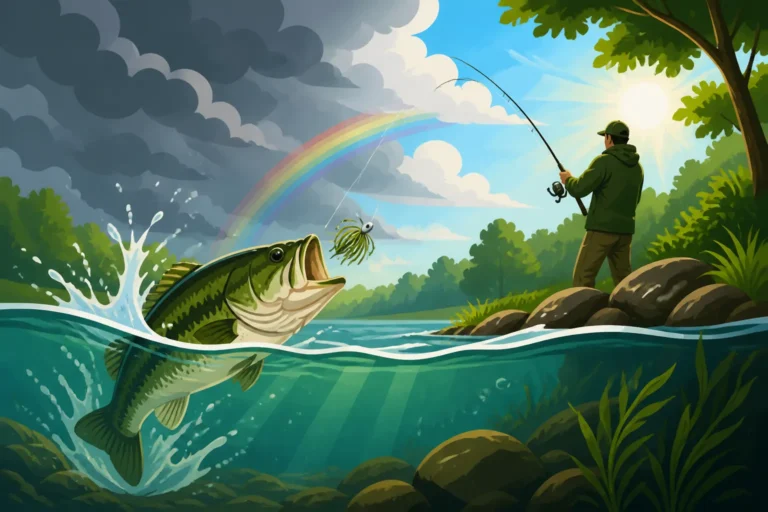
Think about those crisp spring mornings on Lake Lanier or a quiet autumn day on Lake Oconee. The air is still, the fog might be lifting, and suddenly, you hear the unmistakable smash of a bass exploding on the surface. That’s why you're out there! Surface activity, from baitfish scattering to bass blowing up on topwater lures, is a clear sign that the feeding frenzy is on. This window, often referred to as the "golden hour" for good reason, is when aggressive strikes are most likely, and you can really capitalize on the bass's natural instincts to feed. It's a truly exhilarating experience.
Topwater Tactics and Post-Sunrise Adjustments
During this magical morning window, topwater lures are often king. Think about poppers, walk-the-dogs, and prop baits mimicking struggling baitfish on the surface. These lures create commotion and draw bass from a distance, appealing to their predatory nature in low light. The less light available, the more bass rely on sound and vibration, making topwater baits incredibly effective. Try working them slowly at first, letting them sit for a few seconds after the cast, then imparting subtle twitches. As the sun gets a little higher, and bass become slightly more wary, you might need to pick up the pace or switch to a faster-moving topwater.
Once the sun is fully up and starting to hit the water, the topwater bite often slows down. This doesn't mean the bass have stopped biting entirely, but they've likely moved deeper or tighter to cover. This is when I start to adjust my approach. I might switch to shallow-running crankbaits, spinnerbaits, or even a Texas rig fished around visible cover like docks, laydowns, or grass lines. The key is to follow the shade and look for areas where bass can ambush prey without being exposed to direct sunlight. Remember, understanding how to adjust your approach is key to consistently catching fish, and this is especially true when it comes to the best time of day to fish for bass.
Navigating the Mid-Day Lull: Daytime Strategies
As the sun climbs higher and beats down on the water, many anglers pack up, assuming the fishing is over. While it's true that the frenetic morning bite often subsides, dedicated anglers know that bass can still be caught, albeit with different tactics. The midday sun doesn't make bass disappear; it simply changes their preferred hangouts and feeding patterns.
The Mid-day Hideout
During the brightest parts of the day, bass typically retreat to deeper, cooler, and shadier water. They become less active and often seek refuge from the intense sunlight and higher surface water temperatures. This means you won't find them cruising the shallow flats as readily as they did at dawn. Instead, you'll want to focus your efforts on areas that offer protection: deep boat docks, submerged timber, brush piles, rock ledges, creek channels, and even the shade lines created by overhanging trees. Any structure that provides a dark, cool sanctuary is a potential bass hideout.
I remember a particularly tough summer day on Clarks Hill Lake when nothing seemed to be working. I decided to pull up to a deep, shady dock that stretched out over 15 feet of water. Using a weighted worm, I meticulously pitched it under every crossbeam and around every pilings. After several minutes of slow, patient work, I felt that tell-tale thump and reeled in a nice largemouth that had been hunkered down in the coolest, darkest part of that dock. It just goes to show that while the bite might be slower, bass are still there, and they can be caught if you present your lure directly to them in their comfort zone.
Afternoon Activity and Cloud Cover
While the deepest parts of midday can be tough, sometimes the late afternoon, as the sun begins its descent, can spark another brief feeding window. As the sun's intensity wanes and shadows lengthen, bass might move slightly shallower to feed again before dusk. This is a great time to experiment with medium-diving crankbaits or even a jig fished slowly along ledges and drop-offs. If you encounter a cloudy day in Georgia, consider yourself lucky! Cloud cover acts like a giant diffuser, reducing the harsh sunlight and often extending the active feeding windows throughout the day. Bass are generally more comfortable and willing to roam in lower light conditions, so an overcast sky can turn a slow midday into a productive one.
When fishing on a cloudy day, I often stick with some of my morning tactics longer, like throwing spinnerbaits or ChatterBaits around cover. The reduced light means bass don't feel as exposed, and they'll chase down moving baits more readily. The key is to observe the conditions and be willing to adapt. If the sun pops out, you might need to go back to those deep, shady spots. If it stays overcast, keep working those shallower ambush points. This adaptability is crucial for successful fishing, particularly during the variable conditions of the day.
The Evening Bite: Dusk and Twilight Fishing
Just as dawn offers a prime opportunity, dusk and the transition into twilight are another fantastic time to target bass. It's often a mirror image of the morning bite, with bass moving back into shallower waters to feed as light fades and temperatures begin to cool.
Dusk Feeding Frenzy
As the sun dips below the horizon, the light conditions again favor the bass. The water often cools slightly, and the low light gives bass the upper hand in ambushing prey. This is when you can often experience another burst of aggressive topwater action or a strong shallow-water bite. Baitfish, which have been hiding during the day, become more active, and bass follow suit, looking for an easy meal before the darkness fully sets in. This window can be short but incredibly productive, making it a favorite time for many anglers to hit the water.
I've had some unforgettable evenings on Lake Sinclair where the last hour of daylight turned into a non-stop topwater show. Bass would blow up on frogs around lily pads or chase down a buzzbait thrown parallel to a seawall. The energy on the water at dusk is palpable, and it's a feeling every bass angler lives for. It’s also a time when you might find some of the larger, more cautious bass willing to venture out from their daytime cover, making it a great time to target that trophy catch. Thinking about Best Time of Day to Fish for Bass definitely includes this golden evening hour.
Twilight Tactics and Lure Choices
Similar to dawn, topwater lures shine during the twilight hours. However, as it gets darker, lures that create more disturbance, such as buzzbaits or noisy poppers, can become even more effective, helping bass locate them by sound. Spinnerbaits with large thumping blades or dark-colored chatterbaits are also excellent choices for probing shallow cover. Bass rely heavily on their lateral line system in low light, so vibrations are key.
If the topwater bite isn't happening, or as it gets really dark, consider switching to a dark-colored jig and pig, a soft plastic worm, or a creature bait. These baits, fished slowly along the bottom or around submerged structure, mimic crawfish or other nocturnal prey. The key is to match your lure choice and presentation to the diminishing light. Darker lures create a better silhouette against the low light, making them easier for bass to spot. Always remember to consider these specific tactics when planning your evening excursion.
Unlocking the Secrets of Night Fishing
While many anglers call it a day after sunset, some of the most exciting and productive bass fishing in Georgia happens under the cover of darkness. Night fishing for bass is a different ballgame entirely, requiring specialized techniques and a different mindset, but the rewards can be incredible, especially for big bass.
Why Bass Go Nocturnal
The reasons bass become active at night are similar to the dawn and dusk periods, but amplified. The complete absence of direct sunlight eliminates any visual advantage for prey, giving bass the ultimate ambush opportunity. Water temperatures are also consistently cooler, making the entire water column more comfortable for bass, especially during the sweltering Georgia summer months. Larger, more cautious bass, which might be too wary to feed aggressively during the day, often come out to play under the cloak of night. This can lead to some truly memorable catches, particularly on larger reservoirs like Lake Lanier or Lake Oconee. If you're wondering, Does Night Fishing Work for Bass?, the answer is a resounding yes!
During summer, when daytime temperatures can push bass deep and make them lethargic, night fishing offers a welcome reprieve. The cooler air and water can re-energize bass, prompting them to move into shallower feeding areas they wouldn't dare approach in broad daylight. I've had nights where the fishing was absolutely dead during the day, only for the same spots to come alive after dark.
Night Fishing Gear and Safety Tips
Night fishing requires a bit more preparation than your typical daytime trip. First and foremost, safety is paramount. Always let someone know where you're going and when you expect to be back. A reliable headlamp (and spare batteries!) is essential for tying knots, unhooking fish, and navigating your boat or bank. You might also want a spotlight for checking hazards on the water. Beyond lighting, your gear should include dark-colored lures that create a lot of vibration or disturbance. Large spinnerbaits, dark jigs, buzzbaits, and even large worms or creature baits are excellent choices. Often, bass will strike more aggressively at night, so be prepared for a solid hookset.
Consider a good fishing kayak equipped with navigation lights if you're venturing out on smaller waters, or ensure your boat's navigation lights are fully functional. Many anglers find success using scented baits or adding rattles to their lures to help bass locate them in the dark. For anglers serious about chasing those nocturnal giants, a trip to Amazon can help you stock up on specialized night fishing gear, from glow-in-the-dark lures to UV flashlights for charging them. Remember, it's a different world out there after dark, and being prepared makes all the difference. For more insights into specialized techniques, explore topics like How to Jig for Crappie, which, while different species, shares principles of targeting fish in low visibility.
Factors That Influence Daily Bass Patterns
While general daily patterns exist, bass fishing is rarely a "one size fits all" endeavor. Several external factors can significantly alter when and how bass feed throughout the day. Understanding these influences can help you adapt your strategy on the fly and increase your success.
Weather's Role: Cloudy Days and Cold Fronts
The weather plays a massive role in bass behavior. As mentioned, cloudy days often extend the prime feeding windows because the sun's intensity is diffused, making bass more comfortable in shallower water for longer periods. Conversely, bright, sunny, high-pressure days tend to push bass deeper and make them more cautious. Knowing How to Catch Bass on a Cloudy Day is a huge advantage.
Cold fronts are notorious for shutting down a bass bite. After a cold front passes, the sky is often clear, winds shift, and temperatures drop sharply. This usually sends bass into a funk, making them less active and much harder to catch. They tend to move to deeper, more stable water, become lethargic, and are unwilling to chase fast-moving lures. During these times, slow, bottom-oriented presentations like jigs or drop-shots fished meticulously in deep cover are often your best bet. It’s definitely a time when you might need to reconsider your timing; a strong morning bite might be non-existent after a significant temperature drop. Understanding Fishing After a Cold Front can save your day.
Water Temperature and Seasonal Shifts
Water temperature is arguably the most critical factor influencing bass behavior, and it fluctuates throughout the day, especially in shallower waters. Bass are cold-blooded, so their metabolism and activity levels are directly tied to the water temperature. In spring, as water warms up, bass move shallower to spawn, and their feeding activity can be strong throughout the day as they prepare. In summer, when surface temperatures soar, the coolest parts of the day (dawn and dusk) or the depths become their comfort zones. Conversely, in winter, the warmest parts of the day (midday) might be the most productive as bass seek out whatever warmth they can find. If you're considering Best Lures for Early Spring Fishing, you're thinking about water temperature.
The specific body of water also matters. A large, deep reservoir like Lake Lanier will heat and cool differently than a shallow, muddy pond. Understanding these seasonal shifts and How Water Temperature Affects Fish Behavior can help you predict when and where bass will be most active. For instance, in a clear mountain stream, trout and bass might be active in the cool mornings, whereas in a large, warm southern reservoir, bass might only move shallow to feed under the cover of night.
Summary of Daily Bass Fishing Patterns
To help you visualize these patterns, here's a quick overview of what you can generally expect throughout a typical day on Georgia waters. Remember, these are guidelines, not hard-and-fast rules, and local conditions always play a role!
| Time of Day | Light Conditions | Water Temperature | Bass Activity Level | Preferred Locations | Effective Lure Types |
|---|---|---|---|---|---|
| Dawn/Early Morning | Low to increasing | Coolest | Very High | Shallow flats, points, banks, cover | Topwater lures (poppers, buzzbaits), spinnerbaits, shallow crankbaits |
| Mid-Morning | Increasing to bright | Warming | Moderate | Moving to deeper cover, shade lines, ledges | Shallow crankbaits, jigs, Texas rigs, jerkbaits |
| Mid-Day | Bright/High Sun | Warmest | Low | Deep cover, heavy shade, drop-offs, creek channels | Jigs, Carolina rigs, deep diving crankbaits, drop-shots |
| Late Afternoon | Decreasing | Cooling | Moderate | Transition areas, edges of deep cover, shade lines | Jigs, crankbaits, worms, spinnerbaits |
| Dusk/Evening | Decreasing to low | Cooling | High | Shallow flats, points, banks, cover | Topwater lures, spinnerbaits, shallow crankbaits, dark jigs |
| Night | Dark | Cool | Moderate to High | Shallow cover, points, humps, baitfish concentrations | Large dark jigs, buzzbaits, worms, creature baits (often scented or rattled) |
This table provides a generalized roadmap, but the most successful anglers are always experimenting and adjusting based on what the bass are telling them on any given day. Sometimes, you'll find the bass defying expectations, which is part of the fun and challenge of fishing! Keeping a few Best Topwater Lure for Georgia Bass and Best Crankbait for Largemouth Bass options handy will always serve you well. For a different approach, consider how a Best Jig for Spotted Bass Fishing might perform during these various times too.
Ultimately, there's no single "best" time of day that guarantees bass fishing success. The truth is, bass can be caught at any hour, but understanding their natural rhythms and how they respond to environmental changes is your most powerful tool. So, whether you're an early riser, a midday warrior, or a nocturnal angler, get out there and explore!
Disclaimer
This article is for general informational purposes only and does not constitute professional advice. Laws, prices and regulations vary by location and change over time. Consult a qualified professional for guidance on your specific situation.