How to Catch Crappie From a Dock
There’s nothing quite like the itch to get out on the water and land some fish, but what if you don't have a fancy boat or even a kayak? Many anglers find themselves staring at a beautiful lake or river, wishing they could get to where the fish are. The good news is, you absolutely don't need a boat to find success, especially when it comes to catching crappie. Fishing from a dock can be incredibly productive, and this guide is all about showing you how to target those delicious panfish right from shore.
Understanding Crappie Behavior Around Docks
Before you even cast a line, knowing a little about why crappie hang around docks can make all the difference. These aren't random spots; crappie seek them out for very specific reasons that directly influence how and when you should fish them.
Why Crappie Love Docks and Structure
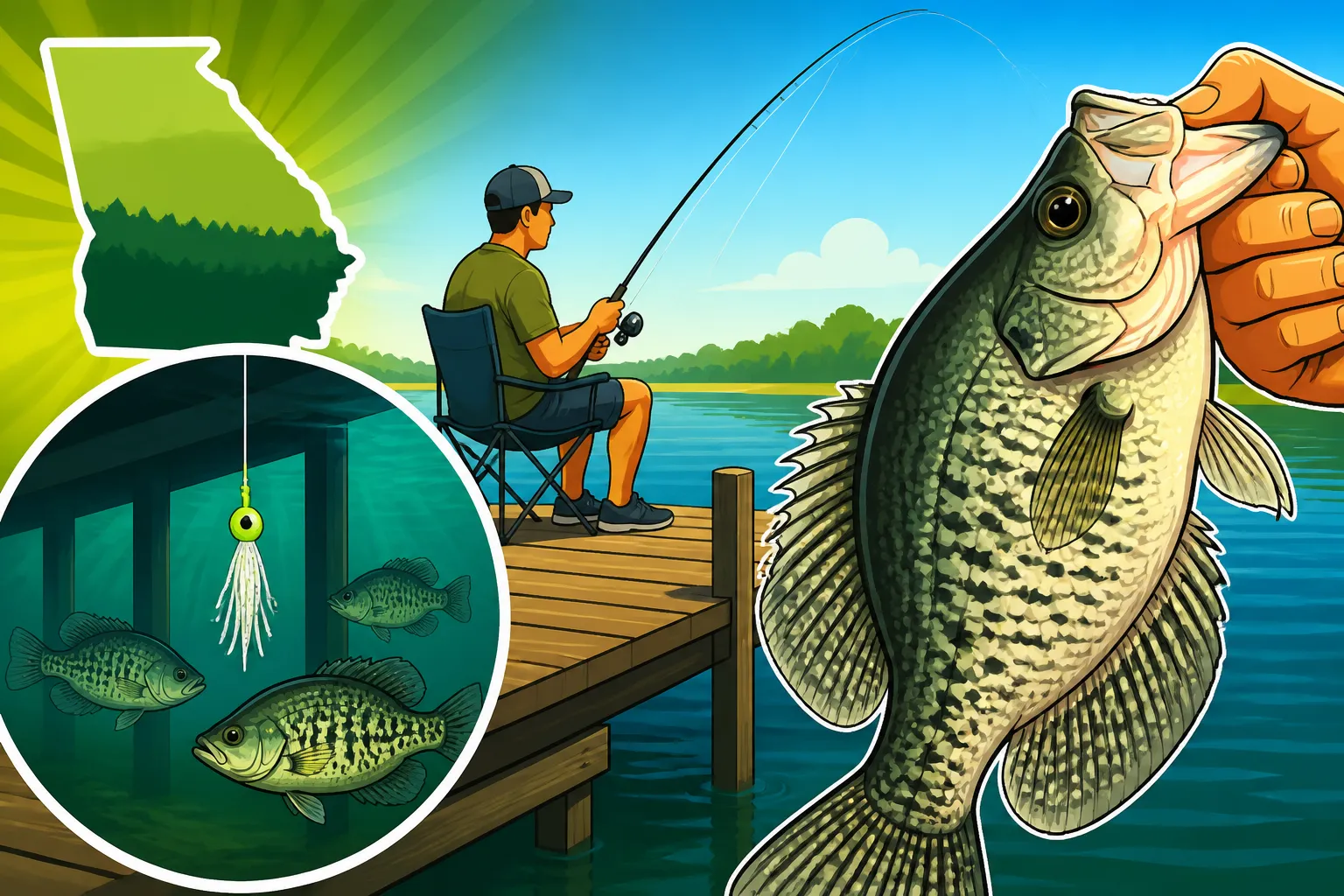
Crappie are masters of ambush, and docks provide them with an ideal hunting ground. Think about it: a dock creates a huge shadow, offering shade from the glaring sun, which crappie appreciate. This shade also attracts smaller baitfish, like shad and minnows, which in turn brings the crappie right to their dinner table. Beyond the shade, the physical structure of the dock itself – the pilings, crossbeams, and any submerged debris that has accumulated around it – provides excellent cover. These nooks and crannies are perfect hideouts for crappie, allowing them to dart out and grab an unsuspecting meal.
Moreover, many docks aren't just bare wood extending into the water. Anglers often intentionally sink brush piles, Christmas trees, or other structures near their docks to create artificial reefs. These submerged structures become magnets for baitfish and crappie alike, offering even more cover and feeding opportunities. If you can locate a dock with such added structure, you’ve likely found a crappie goldmine.
Seasonal Movements and Dock Selection
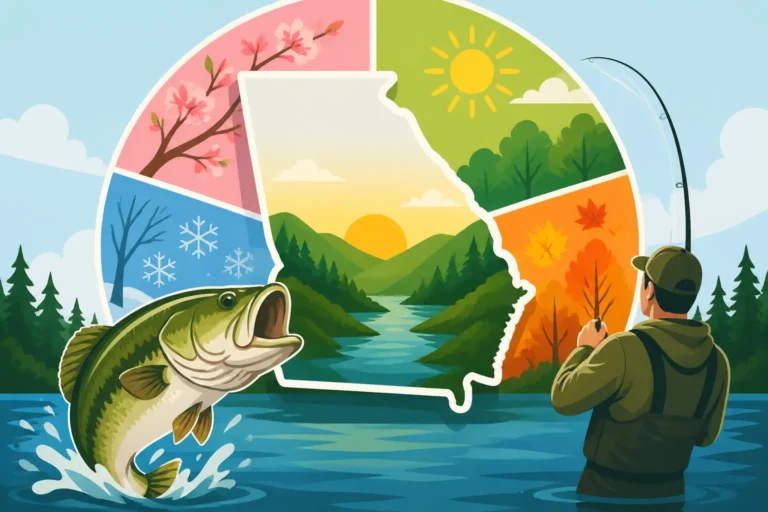
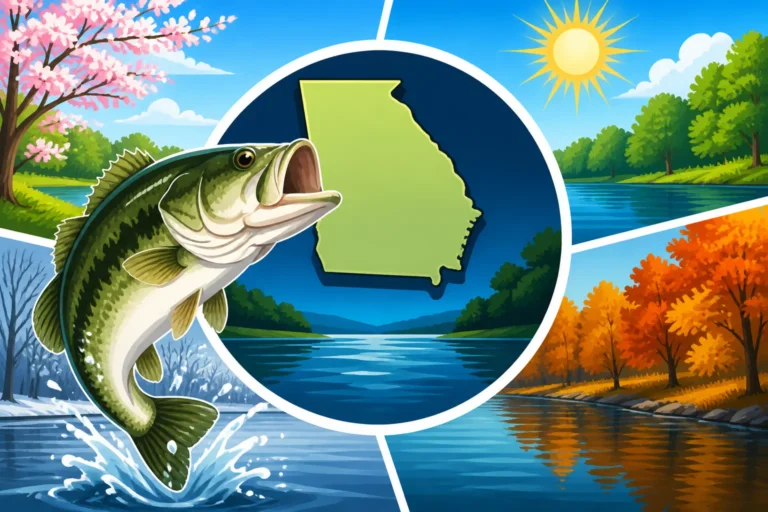
Just like us, crappie change their habits with the seasons, and understanding these shifts is key to consistent dock fishing success. During the spring, as water temperatures begin to rise, crappie move into shallower waters to spawn. This is a fantastic time for dock fishing, as they'll often be found concentrated around docks that have access to deeper water nearby but also offer protected, shallow areas for nesting. Docks with muddy bottoms or submerged vegetation in a foot or two of water are prime candidates. This is when they're most accessible and often the easiest to catch from a fixed position.
As summer heats up, crappie tend to retreat to deeper, cooler waters. However, they don't abandon docks entirely. Instead, they'll congregate under the deepest, shadiest docks, often suspending near the bottom or around submerged brush piles for thermal comfort and cover. Looking for docks on points or near old creek channels that drop off quickly into deeper water can be highly productive. In the fall, as temperatures cool again, crappie become more active and start schooling up to feed heavily in preparation for winter. They'll follow baitfish, and docks that are close to open water or main lake channels can be excellent spots as they intercept schools of bait moving around.
During the colder winter months, crappie generally go deep, often suspending over structure or in deep pockets. Fishing from a dock in winter might require you to find structures that extend into very deep water, or docks situated over ledges and sharp drop-offs. The bites can be extremely subtle, but if you find a school, you can catch a lot of fish. Understanding these general patterns will help you pick the right dock at the right time.
Essential Gear for Dockside Crappie Fishing
You don't need a boatload of specialized equipment to catch crappie from a dock, but having the right tools for the job will definitely increase your chances of success and make the experience much more enjoyable. Think lightweight, sensitive, and efficient.
Rods, Reels, and Line for Dock Fishing
When it comes to rods, light to ultralight action is the way to go for crappie. These rods, typically 5 to 7 feet long, are incredibly sensitive, allowing you to feel even the slightest tap from a crappie, which can sometimes be as subtle as a tiny vibration. A fast tip action is also beneficial, giving you the backbone to set the hook quickly without ripping it out of a crappie's soft mouth. For reels, a small spinning reel in the 500 to 1000 series range is perfect. These reels are lightweight, easy to cast, and provide the smooth drag needed for fighting crappie, especially if you hook into a larger slab. You can find some fantastic deals and reliable options for these setups on Amazon, making it easy to get started without breaking the bank.
For fishing line, a 4 to 6-pound test monofilament or fluorocarbon line is generally ideal. Monofilament is more forgiving with its stretch and is less visible than braided line, which can be an advantage in clear water. Fluorocarbon offers even less visibility and excellent abrasion resistance, which is great around dock pilings or submerged brush. Both are thin enough to allow your small jigs to sink naturally and present a subtle profile to wary crappie. Learning about different line types and how they perform with your chosen rod and reel is part of the fun in a Georgia Fishing License Guide.
Lures, Baits, and Tackle Box Essentials
Crappie are suckers for small jigs and live minnows, so these should be the mainstays of your dock fishing arsenal. For jigs, pack a variety of sizes, from 1/32 ounce up to 1/16 ounce, and don't be shy with colors. Chartreuse, white, black, pink, and various natural shades are popular choices, and often, what works one day won't work the next, so having options is key. Small soft plastic bodies, like tube jigs, curly-tail grubs, and tiny swimbaits, rigged on these jig heads, are incredibly effective.
Live minnows, such as shiners or fatheads, are often irresistible to crappie. Hook them lightly through the lips or just behind the dorsal fin, and present them either under a bobber or on a small jig head. A good minnow bucket, easily found on Amazon, is crucial for keeping your bait lively. Slip bobbers are invaluable for dock fishing because they allow you to easily adjust your fishing depth without having a long line dangling from your rod tip. You’ll also want a selection of small hooks (size 2-6 light wire), split shot weights, and some crappie nibblers or scent attractants to tip your jigs. Having a solid Tackle Box Setup for Crappie Fishing will ensure you're ready for anything.
Must-Have Accessories for Comfort and Success
Fishing isn't just about the rod and reel; it's about the entire experience. From a dock, you'll want to ensure you're comfortable and prepared. A comfortable folding chair is a game-changer for long sessions, especially if you're waiting for a bite. A small cooler or insulated bucket is essential for keeping your catch fresh and for storing drinks and snacks. Don't forget a ruler to ensure your fish meet any local size limits and a pair of long-nose pliers or a hook remover to safely unhook fish. A small landing net is also incredibly useful for scooping up crappie, preventing lost fish at the last moment, especially larger ones.
For those adventurous enough to try night fishing from a dock – which can be incredibly productive – a headlamp or a small lantern is absolutely necessary. Not only does it help you see, but a light shining into the water can attract baitfish, drawing in the crappie. Safety items like sunscreen, insect repellent, and a small first-aid kit are also smart additions. You can find many of these practical fishing accessories, often bundled together, through a quick search on Amazon.
Master the Techniques for Dock Crappie
Now that you've got your gear sorted, let's talk about the "how-to" of actually catching crappie from a dock. It's more than just casting and waiting; specific techniques can dramatically increase your hook-up ratio.
Vertical Jigging and Dropping Live Bait
One of the most effective techniques for dock crappie is vertical jigging. Since you're often fishing directly over or next to structure, precision is key. Instead of long casts, you'll be dropping your jig or live bait straight down. The trick is to lower your offering to the desired depth, then gently raise and lower your rod tip a few inches, imparting a subtle jigging motion. Crappie often hit on the fall, so pay close attention as your bait descends. This technique is especially potent when you've located a school of fish on your fish finder (if you have one) or through trial and error, and you can drop your bait right into the strike zone. You might be surprised at how many crappie you can catch with this simple, direct approach.
Another fantastic method is "shooting" a jig. This involves holding the jig between your thumb and forefinger, putting a bend in the rod, and then releasing the jig and the line simultaneously. This allows the jig to skip across the water and slide under docks or boat lifts where crappie love to hide, reaching spots you couldn't otherwise cast to. For live bait, using a slip bobber rig is ideal. Set the bobber stop to the depth where you believe the crappie are holding, then simply drop your minnow-rigged line into the water. The bobber will sit on the surface, indicating bites with a dip or sideways movement. This setup keeps your bait in the strike zone longer and allows for a natural presentation, which can be irresistible to crappie. Understanding How to Jig for Crappie is a skill that will serve you well.
Targeting Specific Dock Features
Docks aren't just uniform structures; they have distinct features that can concentrate crappie. The shady side of a dock is almost always a better starting point than the sunny side, especially on bright days. Crappie use the shadows to hide from predators and ambush prey. Also, pay close attention to any brush piles, sunken trees, or old tires you can see or feel with your line around the dock pilings. These submerged structures are prime crappie real estate. Make repeated drops and casts around these areas, moving slowly and methodically.
Boat lifts and pontoon boats tied to docks are also excellent crappie magnets. The submerged portions of these vessels provide additional cover and shade, creating perfect ambush points. Try to work your bait or jig into these tight spots, often requiring that "shooting" technique mentioned earlier. Even the corners where dock sections meet can hold fish. The key is to be observant, patient, and willing to experiment with different depths and angles around every potential hiding spot. Some of the best crappie fishing often happens in specific spots like those found at Lake Sinclair Fishing Spots or Lake Blackshear Fishing Spots in Georgia, where docks are abundant.
Reading the Water and Adjusting Your Approach
Successful crappie fishing from a dock isn't about rigid adherence to one technique; it's about constantly reading the water and adapting. Pay attention to water clarity – in clear water, crappie can be warier, requiring lighter line and more natural bait colors. In stained or murky water, brighter colors like chartreuse and orange can stand out better. Water temperature also plays a huge role; cooler water often means crappie are deeper and less active, while warmer water can bring them shallower and make them more aggressive.
Look for signs of baitfish activity, like flickering minnows near the surface or subtle swirls, which indicate crappie might be feeding nearby. If you're not getting bites at one depth, try another. Crappie often suspend at very specific depths, sometimes just a few feet off the bottom or midway up the water column. If you're using a slip bobber, adjust the stop incrementally until you find the fish. If one jig color isn't working, switch to another. Sometimes, simply changing your retrieve speed or the cadence of your jigging motion can trigger a strike. Patience is paramount, but so is the willingness to experiment.
Maximizing Your Dock Crappie Haul
You've got the gear, you understand crappie, and you're employing effective techniques. Now, let's talk about the finer points that can truly maximize your crappie haul from any given dock.
Best Times of Day and Night for Dock Crappie
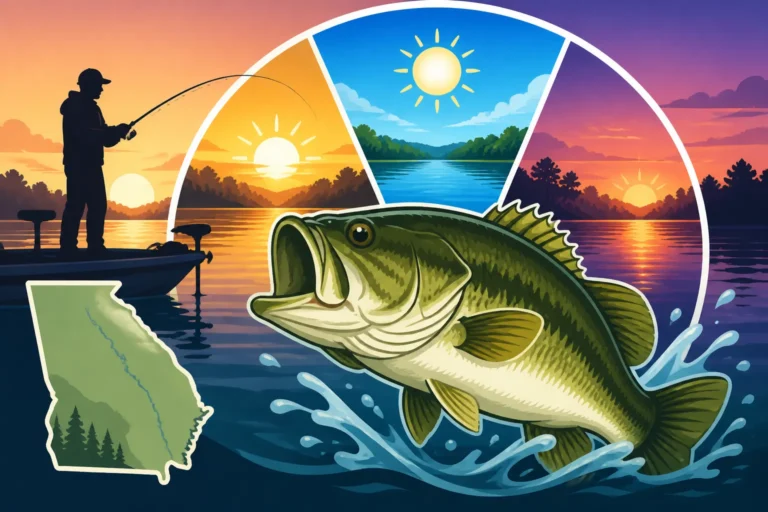
Crappie are often most active during low-light conditions, making dawn and dusk prime times for dock fishing. As the sun rises or sets, the light penetration into the water changes, often triggering feeding activity. During these transitional periods, crappie become bolder and move more freely around the dock structure. Overcast days can also provide excellent fishing conditions, as the reduced sunlight mimics twilight, encouraging crappie to stay shallower and more active throughout the day.
However, don't underestimate the power of night fishing for crappie, especially during warmer months. Do Crappie Bite Better at Night? is a question many anglers ask, and the answer is often a resounding yes! Many crappie anglers swear by it. Using submersible lights (green or white) can be incredibly effective. These lights attract plankton, which draws in baitfish, and the baitfish, in turn, draw in the crappie. Dropping a small jig or minnow directly into the illuminated zone can lead to fast and furious action. Always remember to check local regulations regarding night fishing and the use of lights.
Churning the Water: Attracting Crappie to Your Dock
While you can't exactly "chum" for crappie in the same way you might for saltwater species, there are subtle ways to make your dock more attractive to them. If permitted, adding your own structure, such as a PVC tree or a brush pile, can create a long-term crappie hangout. Be sure to check with property owners if you're fishing a private dock, or local authorities if it's a public dock.
For a more immediate effect, using crappie attractants on your jigs or adding a few small pieces of chopped up minnows or corn (again, check local regulations for baiting) can help create a scent trail that draws in curious crappie from nearby. The constant presence of a submersible light at night, especially if deployed regularly, can condition crappie to associate that light with an easy meal, making your dock a consistent producer. Remember that patience is a virtue in crappie fishing, and sometimes the best way to attract them is simply to wait them out. This is especially true for those looking for the Best Month to Catch Crappie in Georgia across the different seasons.
Comparing Dock Crappie Techniques
To help you visualize the core differences in common dock crappie techniques, here’s a quick comparison:
| Technique | Best For | Gear Focus | Pros | Cons |
|---|---|---|---|---|
| Vertical Jigging | Precise depth, tight cover, active fish | Ultralight rod, small jigs (1/32-1/16 oz), sensitive line | Excellent for pinpointing schools, subtle presentation | Requires boat positioning (or careful dock-side angling) |
| Slip Bobber + Minnow | All depths, less active fish, natural presentation | Light rod, slip bobber, live minnows, small hooks | Highly effective for wary crappie, visual bite indicator | Can be slower, minnows require careful handling/storage |
| Shooting Jigs | Reaching under docks, tight overhead cover | Ultralight rod, small jigs, flexible wrist | Accesses otherwise unreachable spots, fast and efficient | Requires practice and technique to master |
| Night Fishing w/ Lights | Summer nights, attracting baitfish/crappie | Headlamp/submersible light, jigs/minnows, patience | Can produce incredible numbers of fish, unique experience | Requires specific equipment, can be chilly, safety concerns |
Knowing your options and when to deploy them will greatly enhance your dock fishing prowess. Understanding these variations will also contribute to your overall success with various Tightlining Techniques for Crappie.
Disclaimer
Fishing regulations, including license requirements, size limits, and creel limits, can change. Always consult the Georgia Department of Natural Resources (GDNR) or local regulations before heading out to fish. The information provided in this guide is for general informational purposes only and should not be considered legal advice.