Fall Bass Fishing Patterns on Georgia’s Lakes
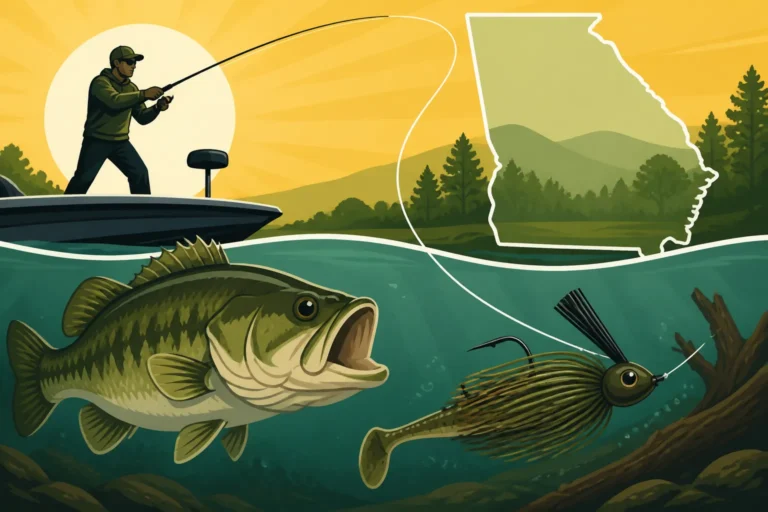
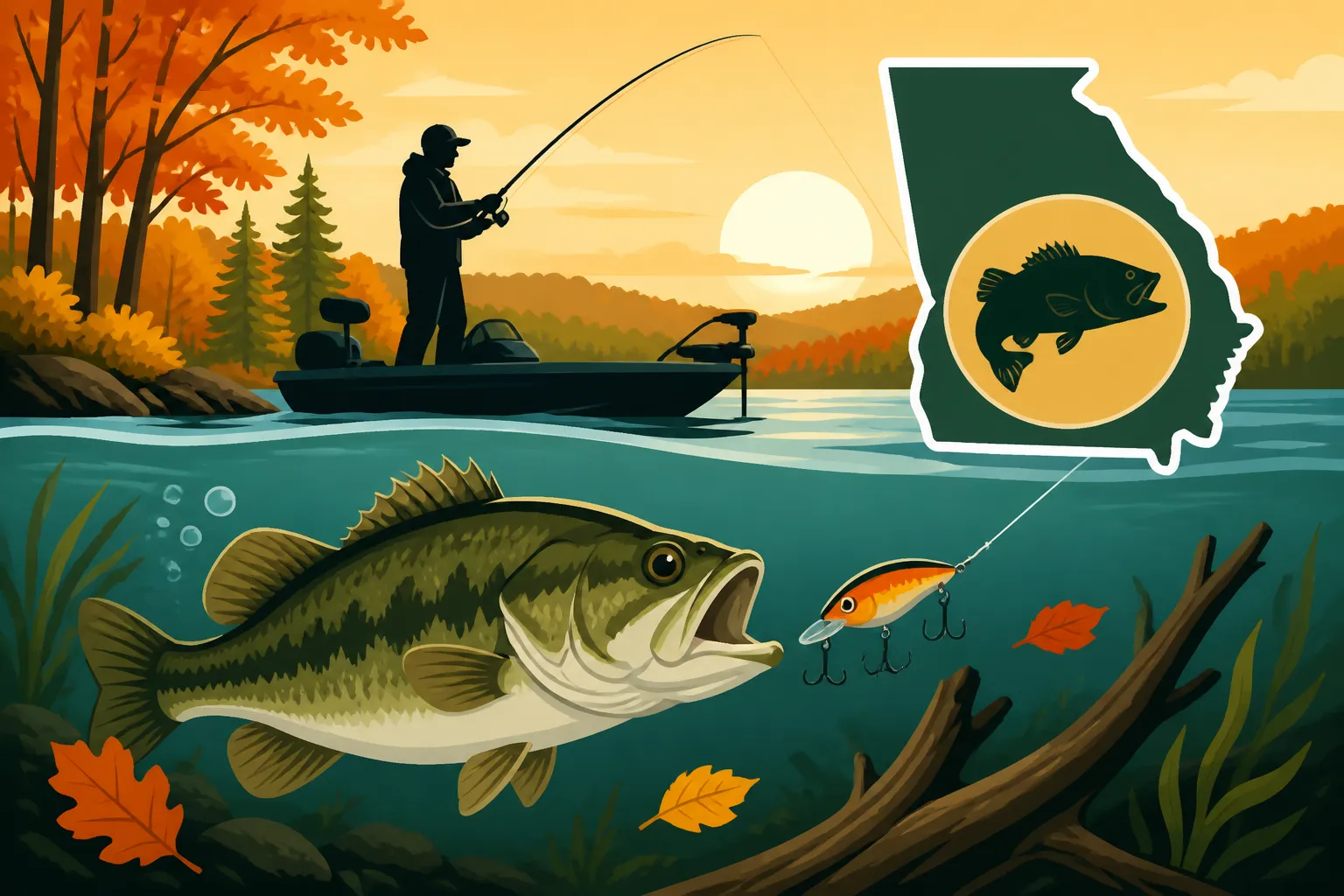
The crisp air of autumn brings a bittersweet feeling to Georgia anglers. While the blistering summer heat finally gives way to comfortable days on the water, many find themselves scratching their heads, wondering where all the bass have gone. That frustration is real, and it’s a common complaint when the lakes start to change. This guide is here to unravel the mysteries of fall bass fishing patterns on Georgia's lakes, helping you understand how these magnificent fish react to the season's shifts and how to adapt your strategies for continued success.
Understanding the Fall Turnover and Its Impact on Bass
One of the biggest game-changers in fall fishing, especially on our deeper Georgia reservoirs, is the phenomenon known as "lake turnover." It's something many anglers hear about but don't always fully grasp, and it absolutely dictates where bass will be and how they'll behave.
The Science Behind Lake Turnover
Imagine your favorite Georgia lake throughout the summer. You have distinct layers of water: a warm, oxygen-rich layer on top (the epilimnion), a rapidly cooling middle layer (the thermocline) where temperatures drop sharply, and a cold, often oxygen-depleted bottom layer (the hypolimnion). Bass and baitfish usually hang around the thermocline, where temperatures are comfortable and oxygen is sufficient. As fall progresses and air temperatures drop, the surface water begins to cool. When this surface water becomes denser and heavier than the water below it, it starts to sink. This sinking action pushes the deeper, warmer (but oxygen-poor) water upwards. This process continues until the entire water column reaches a fairly uniform temperature and oxygen level. It’s essentially the lake "mixing itself up," and it can take several weeks on larger bodies of water like Lake Lanier or Clarks Hill Lake.
This mixing can churn up a lot of sediment, debris, and even gases from the lake bottom, sometimes making the water look murky or smell a bit funky. For a short period, it can be a bit chaotic for the fish. The comfortable temperature and oxygen zones they relied on all summer disappear, forcing them to adjust. If you've ever found your favorite spots suddenly devoid of fish, or if the bite just inexplicably died, turnover might be the culprit. It's a natural, vital process for the lake's health, but it definitely throws a wrench in our fishing plans.
How Bass React to Post-Turnover Conditions
Initially, during the most active phase of the turnover, bass can be completely scattered and disoriented. They're searching for stable conditions, and nothing feels quite right. This can make fishing tough, as they might be suspended in open water, or hiding deep, and not actively feeding. However, once the turnover process completes, and the water column stabilizes with more uniform temperatures and oxygen levels, a new pattern emerges—and it's one of the most exciting times to be on the water!
With oxygen now available throughout most depths and temperatures becoming more consistent, the entire lake becomes usable habitat for bass. This, combined with falling water temperatures, triggers what anglers affectionately call the "fall feeding frenzy." Bass know winter is coming, and they need to pack on calories. Their primary goal becomes chasing down abundant baitfish, which are also reacting to the seasonal changes. This post-turnover period is when you'll see aggressive schooling activity, often near the surface, as bass gorge themselves. Understanding these seasonal shifts in How Water Temperature Affects Fish Behavior is crucial for pinpointing where the best action will be.
Key Fall Bass Patterns on Georgia's Lakes
As the fall turnover settles and the feeding frenzy begins, bass behavior becomes highly predictable, centering mostly around their forage.
Following the Baitfish Migrations
The single most important factor in locating fall bass is finding the baitfish. On Georgia's lakes, this typically means shad (gizzard and threadfin), blueback herring, and sometimes even smaller bream or sunfish. As the main lake body cools, these baitfish often migrate from deeper, open water into the backs of major creeks and shallower coves. They're looking for warmer water, which retains heat longer in the shallower areas, and they're also following nutrient sources that get washed in by rain.
Think of larger lakes like Lake Lanier or Lake Oconee. You'll often find massive schools of baitfish pushed up into the creeks, sometimes so thick they look like dark clouds on your fish finder. And right on their heels, or even in them, will be the bass. These bass become opportunistic predators, herding and corralling baitfish against seawalls, points, or the backs of coves. If you find the bait, you're almost guaranteed to find the bass. This migration makes creeks and their mouths prime targets, offering some of the Best Bass Fishing Lakes in Georgia during this period.
Targeting Shallow Water & Ambush Points
With baitfish pushed shallow, it only makes sense that bass will follow. This means that structure and cover in shallower water become absolute magnets for actively feeding bass. Look for docks, especially those on points or adjacent to creek channels. Bass will stage under these docks, waiting to ambush unsuspecting baitfish. Laydowns—fallen trees extending into the water—are another classic spot. They provide cover, shade, and an excellent ambush point.
Rocky points and humps that extend into creek channels or main lake arms are fantastic, acting as natural highways and feeding stations for both bass and bait. Don't overlook remaining grass beds, either. While some aquatic vegetation may start to die off with cooler temperatures, healthy patches still offer incredible cover for bait and bass alike. The key here is looking for areas where bass can easily trap or ambush prey. You might find bass schooling on top of these shallow structures during active feeding periods, then retreating to the sides or deeper edges when less aggressive. Knowing where to look for Best Spots for Bass Fishing on Lake Lanier during this season will give you a huge advantage.
The Deep-Water Holdouts and Transitional Zones
While a significant portion of the bass population moves shallow, it's important to remember that not all bass will be in the very backs of creeks. Especially on bigger, deeper reservoirs, some bass might take longer to transition, or they might simply prefer deeper structure. These "deep-water holdouts" might be found on offshore humps, ledges, or deep channel swings, particularly near the mouths of major creeks or along the main lake.
These bass are often still feeding on larger baitfish like herring that might not push as far back into the shallowest water. They're in transitional zones, slowly moving shallower as the season progresses and conditions stabilize. Fishing these areas often requires different tactics than the fast-paced shallow bite, potentially involving slower presentations or even live bait fished vertically. It’s a good idea to keep an eye on your electronics for suspended schools of bait or bass in these deeper areas, particularly in the mid-lake sections of sprawling bodies of water. For a full breakdown of the yearly shifts, check out our guide on Seasonal Bass Fishing Patterns in Georgia.
Essential Lures and Techniques for Fall Bass
Now that we know where the bass are likely to be, let's talk about how to catch them. Fall fishing often means diverse tactics, as bass can be incredibly aggressive one moment and surprisingly finicky the next.
Fast-Moving Baits for Aggressive Bass
When bass are actively chasing baitfish, especially during the peak fall feeding frenzy, fast-moving baits are your best friends. They allow you to cover a lot of water quickly and provoke reaction strikes from schooling fish.
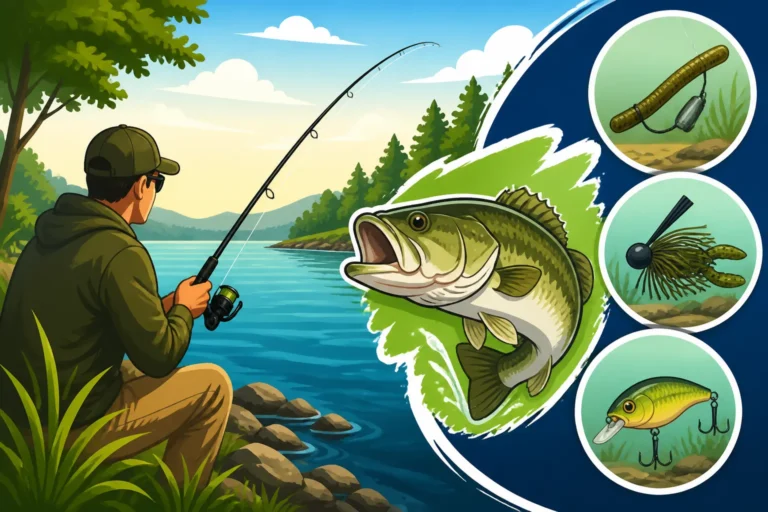
- Crankbaits: Lipless crankbaits, like a Rat-L-Trap or a Strike King Red Eye Shad, are phenomenal for covering shallow flats, running over submerged grass, or ripping through schooling bait. Their loud rattles and tight wobble imitate fleeing baitfish perfectly. Squarebill crankbaits, such as those from Amazon Basics Fishing, are great for deflecting off shallow cover like stumps and rocks without getting hung up. Medium-diving crankbaits can be deadly around points and creek channel bends. Choose shad or crawfish patterns, depending on your lake's forage.
- Spinnerbaits: These versatile lures, explored more deeply in How to Fish a Spinnerbait for Bass, excel in various fall conditions. They're excellent around dying grass, laydowns, and docks. Use tandem willow leaf blades for a flashier, faster retrieve in clearer water, or Colorado blades for more thumping vibration in stained water or around heavy cover. White, chartreuse, or combinations of both are classic fall colors.
- Topwater Lures: In early to mid-fall, especially on calm mornings or evenings, topwater action can be explosive. Walking baits (like a Heddon Super Spook) or poppers (such as a Rebel Pop-R) imitate dying or frantic baitfish on the surface. When bass are actively busting schools, a topwater lure cast right into the frenzy can trigger an immediate strike. Make sure you're using the right size and color to "match the hatch" of the baitfish the bass are keying on. For more tips on surface lures, read our article on How to Fish Topwater Lures for Bass.
Finesse and Slower Presentations for Picky Biters
Even during the fall feeding frenzy, there will be times when bass are less aggressive or when fishing pressure makes them wary. This is when finesse techniques shine, allowing you to tempt those less-active fish.
- Jigging Spoons: When you find bass or baitfish suspended over deeper water, especially in creek channels or main lake humps, a jigging spoon can be incredibly effective. Drop it down to the depth of the fish, then sharply snap your rod tip up and let the spoon flutter back down on a semi-slack line. The erratic, dying baitfish action is irresistible. Chrome, silver, or white are standard colors.
- Drop Shot Rigs: This technique is a fantastic choice for targeting bass on specific pieces of deep structure or when they're schooling tightly. It allows you to present a small plastic bait (like a finesse worm or small shad imitation) directly in the strike zone, subtly twitching it without moving your weight. This is especially good for highly pressured fish or in clear water conditions.
- Shaky Heads: A shaky head jig rigged with a worm or creature bait can be deadly around docks, rocks, or sparse cover. Its subtle presentation and upright bait profile often entice bites from hesitant bass. Slowly drag, shake, or hop it along the bottom. Green pumpkin, black, or natural baitfish colors are great starting points.
Live Bait and "Match the Hatch" Strategies
Sometimes, nothing beats live bait, especially for larger or particularly finicky bass that have seen every lure in the tackle box.
- Live Shiners or Shad: If you can catch or buy local shiners or shad, they can be absolute dynamite. Present them on a simple Carolina rig or a free-line setup (just a hook and perhaps a split shot) near schooling bass or around known baitfish concentrations. The natural movement and scent are often irresistible. This is particularly effective for targeting trophy-sized fish.
- Blueback Herring: On lakes where blueback herring are prevalent (like Lanier or Hartwell), they are a primary forage for striped bass and larger spotted and largemouth bass. Free-lining live bluebacks around main lake points, humps, or suspended schools can lead to epic bites. These baits are typically larger, so be sure your gear can handle it. When looking for the Best Lures for Georgia Largemouth Bass, sometimes the best "lure" is simply a live one.
- Matching the Hatch: Whether you're using live bait or artificials, paying attention to the size and color of the actual baitfish in the lake is paramount. If bass are feeding on tiny threadfin shad, using a giant crankbait might not be as effective as a small swimbait or a tiny jig. Observe what the bass are spitting up, or what you see schooling on your electronics or around the banks.
Seasonal Progression and Adapting Your Approach
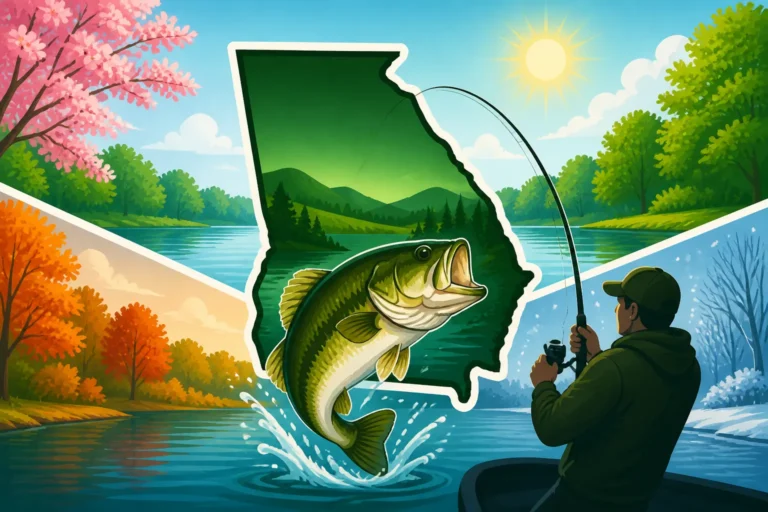
Fall fishing isn't a static event; it's a dynamic progression. Understanding the nuances of early, mid, and late fall can make a huge difference in your success.
Early Fall: Still Feeling Like Summer
When September rolls around, many parts of Georgia still feel like summer, especially on the water. Water temperatures might be in the high 70s or even low 80s. During this time, the lake turnover might just be starting, or it could be a few weeks away. Bass haven't fully committed to the shallower creek patterns yet.
You might still find bass deeper on main lake points or humps, much like their summer patterns, especially during the heat of the day. However, those cooler mornings and evenings can bring fish up to chase bait on the surface, making for some exciting topwater action. Think about targeting the transition areas where main lake points blend into creek mouths. Focus on covering water quickly with topwater baits, spinnerbaits, or faster-moving crankbaits. As the sun gets high, transition to deeper presentations like shaky heads or jigs fished on the edges of channels.
Mid-Fall: The Peak Feeding Frenzy
This is arguably the most exciting time for bass fishing in Georgia. Usually hitting its stride from late September through October, and sometimes into early November, mid-fall is when water temperatures consistently drop into the 60s. The turnover has largely completed, and bass are in full-on feeding mode.
This is the prime time to follow the baitfish into the backs of creeks and shallow flats. Schooling activity can be intense, with bass busting shad on the surface. Fast-moving baits like lipless crankbaits, spinnerbaits, and even swimbaits become incredibly effective. Don't be afraid to throw large buzzbaits or walking baits in the early mornings. Pay close attention to points, docks, and any cover that bass can use to trap bait. This is when you'll find some of the most consistent and aggressive bites of the year. For those who love the hunt, this season offers some of the Best Fishing Spots in Georgia.
Late Fall: Preparing for Winter
As November progresses and temperatures continue to drop, moving into the 50s and even high 40s, bass begin to slow down and prepare for the colder winter months. The intense schooling activity might diminish, and bass often start to move deeper again, though they might not abandon the creeks entirely.
During late fall, bass might be found transitioning to main lake points, deeper docks, or offshore humps and ledges. They're still feeding, but their metabolism is slowing, meaning slower presentations often become more effective. Think jigs, shaky heads, or drop shot rigs fished meticulously around cover. Vertical presentations with jigging spoons or even slow-rolled Alabama rigs can be effective on deeper fish. You might still find some active fish in the backs of creeks on warmer days, but generally, the fish are becoming more lethargic. You’ll need to adapt your retrieve speed and be more patient. For those considering purchasing new equipment, a robust Best Baitcasting Reel for Bass Fishing or a versatile Best Spinning Reel for Beginners will serve you well across these seasonal shifts.
Fall Bass Lure and Technique Guide
| Lure Type | Best Conditions (Water Temp/Location) | Key Retrieve/Technique | Target Bass Behavior | Examples to Consider (Check Amazon!) |
|---|---|---|---|---|
| Lipless Crankbait | Mid-Fall, 60s, Shallow Flats, Grass, Creek Backs | Fast, erratic retrieve; stop-and-go | Aggressive, schooling, chasing bait | Rat-L-Trap, Strike King Red Eye Shad |
| Spinnerbait | Early/Mid-Fall, 60s-70s, Docks, Laydowns, Grass | Medium-fast retrieve, slow-rolling | Ambush, reaction, moderate activity | Strike King, BOOYAH, Nichols Lures |
| Topwater (Popper/Walker) | Early Fall, Calm mornings/evenings, 70s+ | Walk-the-dog, pop-and-pause | Surface feeding, breaking schools | Heddon Super Spook, Rebel Pop-R |
| Squarebill Crankbait | Mid-Fall, 60s, Shallow Rocky Banks, Stumps | Deflect off cover, erratic speed | Ambush, reaction, shallow feeding | KVD Squarebill, Bill Lewis SB-50 |
| Jigging Spoon | Mid/Late Fall, 50s-60s, Deep suspended fish | Vertical jigging, flutter-fall | Suspended, schooling, lethargic | Nichols Lake Fork, P-Line |
| Shaky Head | Mid/Late Fall, 50s-60s, Docks, Rocks, Sparse Cover | Slow drag, subtle shake, hop | Finicky, cover-oriented, slower bite | Z-Man, Picasso, VMC |
| Drop Shot Rig | Mid/Late Fall, Clear water, Deep structure | Vertical presentation, subtle twitch | Pressured, deep, suspended, finicky | Gamakatsu hooks, Yamamoto worms |
| Jigs (Football/Flipping) | Mid/Late Fall, 50s-60s, Docks, Ledges, Brush | Hop, drag, swim, pitch into cover | Ambush, deeper cover, slower bite | Strike King, Gary Yamamoto, Zoom |
Remember, adapting to what the bass are telling you on any given day is the ultimate key to success. Don't be afraid to try different lures and techniques until you crack the code!
Disclaimer
Fishing conditions and regulations in Georgia can change. Always consult the latest Georgia Department of Natural Resources (DNR) guidelines and local advisories before heading out on the water. Stay safe and fish responsibly.