Spring Bass Fishing Patterns on Georgia’s Reservoirs
The arrival of spring in Georgia ignites a fire in every angler's soul, but it also brings a unique set of challenges and opportunities for bass fishing. That tricky transition from cold winter lethargy to the frenzied pre-spawn and spawning periods can leave even seasoned anglers scratching their heads. This comprehensive guide is here to unravel the mysteries of spring bass fishing patterns across Georgia's diverse reservoirs, helping you anticipate their movements and dial in your approach for a successful season.
Understanding the Spring Transition: From Winter Slump to Pre-Spawn Buzz
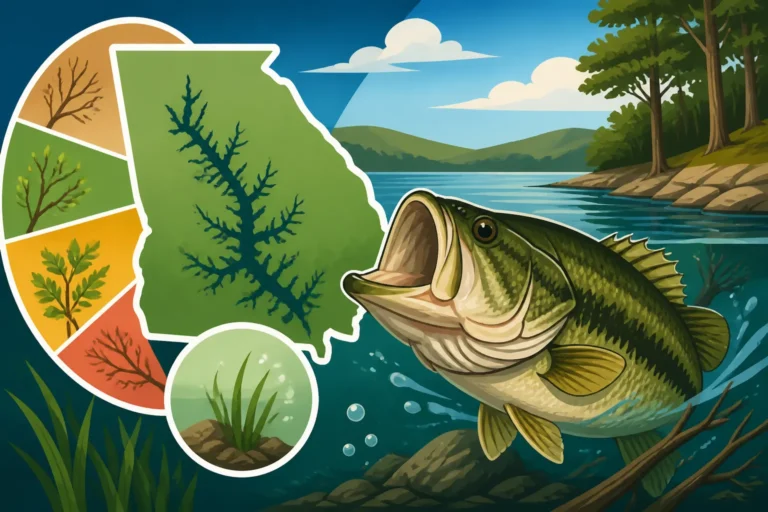
Spring in Georgia isn't a flip of a switch; it's a gradual awakening for largemouth and spotted bass, heavily influenced by rising water temperatures and increasing daylight. As the days lengthen and the sun's warmth penetrates the water, bass begin to shed their sluggish winter habits and embark on a mission to feed and reproduce. This transition period, often starting in late February and lasting through May, is characterized by distinct phases that dictate where bass will be and what they'll be willing to bite.
The Early Warm-Up: Following the Sun
When those first consistent warm fronts roll through, usually in March, the water temperatures in reservoirs like Lake Lanier or Lake Oconee might still be in the low to mid-50s. Bass are waking up, but they're not quite ready for a full sprint. Instead, they're looking for comfort and easy meals. This means they'll often hold in areas that warm up fastest. Think about the north-facing banks or shallow, dark-bottomed coves that absorb sunlight more efficiently. These spots can be several degrees warmer than the main lake, making them attractive to bass seeking to raise their body temperature.
At this stage, bass are typically still in deeper water adjacent to these warming flats or coves. They're making short forays into the shallower zones to feed, especially during the warmest parts of the day. A subtle approach is key here. Slower retrieves and baits that don't require aggressive pursuit are often most effective. Consider working a jig or a shaky head worm along the bottom in these transitional zones. Understanding How Water Temperature Affects Fish Behavior is crucial during this phase, as even a couple of degrees can make all the difference.
Pre-Spawn Migration: Staging for the Feast
As water temperatures steadily climb into the upper 50s and low 60s, typically by late March into April, bass kick into high gear. This is the fabled pre-spawn period, when fish are actively feeding to bulk up for the energy-intensive spawning ritual. They start migrating from their deeper wintering grounds towards shallower spawning areas. However, they don't just swim directly to the beds. Instead, they "stage" in intermediate depth zones, often around points, humps, ledges, or submerged cover near the mouths of spawning coves.
These staging areas are prime locations for anglers to intercept large numbers of active, hungry bass. Fish will move up and down these structures throughout the day, depending on light conditions, baitfish movement, and water temperature fluctuations. This is a time of incredible opportunity, as bass are focused on foraging and are often less finicky than during other times of the year. Targeting these staging zones is a foundational element of successful Seasonal Bass Fishing Patterns in Georgia.
Pre-Spawn Strategies: Targeting Hungry Bass Before the Bed
The pre-spawn phase is arguably the most exciting time for many bass anglers in Georgia. The fish are aggressive, feeding heavily, and often congregated in predictable areas. The key is to understand their staging habits and present baits that trigger their feeding instincts.
Locating Staging Areas
Staging areas are critical. Look for transition points where deeper creek channels or main lake structure meet shallower flats or coves known for spawning. On a lake like Clarks Hill, you'd target points leading into major creeks like Little River or Soap Creek. On Lake Sinclair, focus on secondary points within the larger arms. Submerged timber, rock piles, or old roadbeds in these 10-25 foot depths can hold massive schools of pre-spawn bass. These areas act as their waiting rooms before they commit to the shallow water.
Another excellent way to pinpoint these zones is by using your electronics. Look for baitfish schools and arcs representing larger predator fish nearby. Bass will often hold slightly deeper, waiting to ambush bait as it moves over structure. If you don't have a boat, many public fishing areas on reservoirs also offer shore access to points or creek mouths that can be productive staging areas. Remember, these fish are feeding up, so they're looking for substantial meals.
Bait and Lure Choices for Aggressive Biters
During the pre-spawn, bass are often looking for a hearty meal, making a variety of baits highly effective.
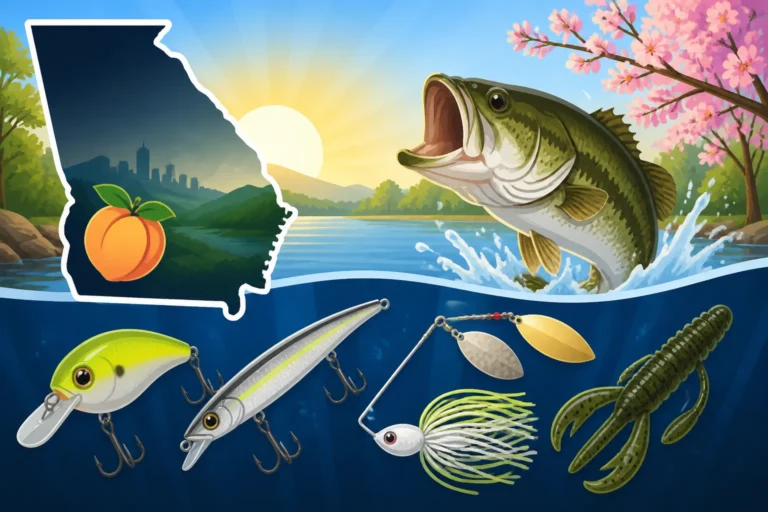
- Jigs: A tried-and-true classic, a football or arkie-style jig in 3/8 to 3/4 ounce paired with a crawfish-imitating trailer is deadly on rocky points and ledges. Colors like green pumpkin, black and blue, or brown work well. The slow, bottom-hopping presentation often triggers reactionary strikes from lethargic but hungry bass. You can find a wide selection of jigs and trailers on Amazon, often from brands like Strike King or Booyah.
- Crankbaits: Deep-diving crankbaits that reach the 10-20 foot range are fantastic for covering water and eliciting strikes from active bass. Choose colors that mimic local baitfish, like shad patterns, or go with bright crawfish colors like red or orange, especially when water clarity allows. The Rapala DT series or Strike King 6XD are popular choices. This is where you can learn more about the Best Crankbait for Largemouth Bass.
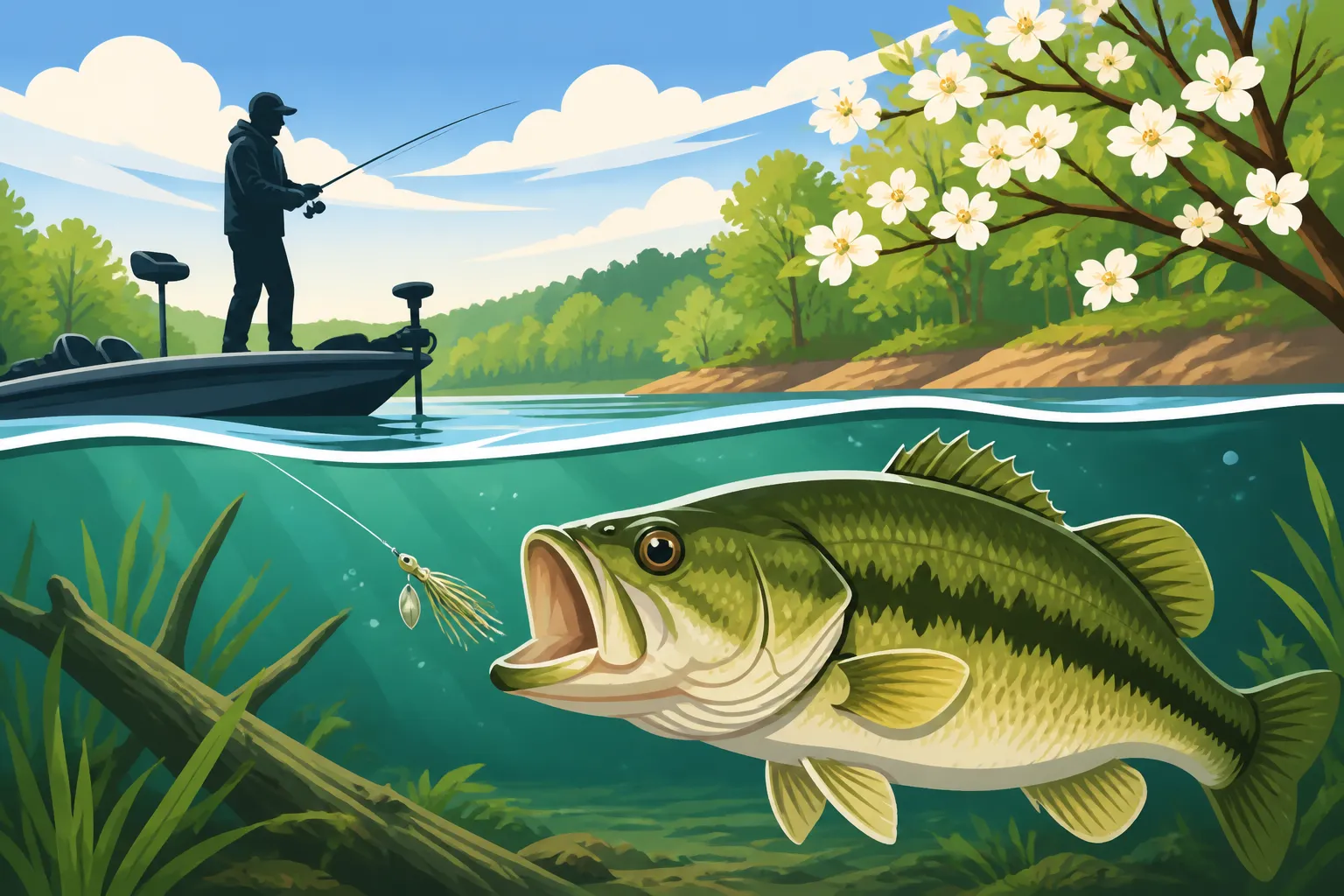
- Spinnerbaits and Chatterbaits: These are excellent for active fish in shallower staging areas (5-15 feet) or around submerged cover. The flash and vibration can draw strikes from a distance. White and chartreuse combinations are versatile. A Z-Man ChatterBait with a soft plastic swimbait trailer can be irresistible.
- Soft Plastics: Texas-rigged worms or creature baits, especially in larger sizes (8-10 inches), fished slowly along the bottom can entice bigger bass. Consider Zoom's Ol' Monster worm or a NetBait Paca Craw. The How to Fish a Texas Rig for Bass guide can help you master this technique.
- Swimbaits: Both hard and soft swimbaits can be incredibly effective, especially when bass are keying in on larger baitfish. A paddle-tail swimbait rigged on a weighted swimbait hook or an Alabama rig can draw multiple strikes.
The Spawn: Where, When, and How to Approach Bedding Bass
When water temperatures consistently hit the mid-60s to low 70s, typically from April into May across most Georgia reservoirs, it's go-time for the spawn. This is when bass move into the shallowest, protected areas to create nests, lay eggs, and guard their fry.
Identifying Spawning Grounds
Bass will seek out hard-bottomed areas in protected coves, pockets, and shallow backs of major creeks, often near some form of cover like docks, laydowns, lily pads, or reeds. Look for circular, cleared-out depressions on the bottom – these are bass beds. The males typically move up first to fan out the beds, followed by the females. The When Largemouth Bass Spawn on Georgia's Lakes article dives deeper into these critical periods.
Visibility is key for sight fishing during the spawn. On clearer lakes like Lanier or Hartwell, you might spot beds in 2-5 feet of water. On more stained reservoirs like Lake Oconee or Walter F. George, they might be in shallower water, or you might have to rely on subtle cues like movement or shadows. Polarized sunglasses are absolutely essential for spotting beds.
Fishing Bedding Bass: A Delicate Dance
Fishing for bedding bass is often a mix of patience and precision. The goal isn't necessarily to make the bass eat out of hunger, but rather to provoke a strike out of irritation or territoriality.
- Targeting the Bed: Cast your bait just beyond the bed and slowly work it onto the nest. Let it sit there for a moment, then twitch it subtly. The male bass, guarding the nest, will often push the bait away. This is your cue. Keep presenting the bait, often irritating the fish until it bites to remove the perceived threat.
- Bait Choices: Small, compact baits that can be precisely placed are best. Texas-rigged soft plastics (lizards, craws, or small creature baits) in natural colors are excellent. A white jig or tube bait can also work, as it stands out visually. Drop shots with small worms or finesse jigs can also be deadly.
- Ethics of Bed Fishing: While effective, bed fishing raises ethical considerations. Many anglers advocate for catch-and-release, especially for larger females, to ensure the successful reproduction of the species. If you do catch a bedding fish, try to release it quickly back to its bed so it can continue guarding its eggs.
Here's a quick reference for optimal spring bass conditions in Georgia:
| Spring Phase | Typical Water Temperature | Preferred Depths | Key Baits/Lures | Bass Behavior |
|---|---|---|---|---|
| Early Warm-Up | 50-58°F (10-14°C) | 15-30 ft, adjacent to warming flats | Jigs, Shaky Heads, Lipless Crankbaits | Slow, seeking warmth, brief shallow forays |
| Pre-Spawn | 58-65°F (14-18°C) | 10-25 ft (staging) | Jigs, Crankbaits, Spinnerbaits, Large Soft Plastics, Swimbaits | Actively feeding, staging on points/ledges |
| Spawn | 65-72°F (18-22°C) | 1-8 ft (bedding) | Texas Rigs, Jigs, Tubes, Drop Shots | Protecting beds, territorial, sometimes finicky |
| Post-Spawn (Early) | 70-78°F (21-26°C) | 5-15 ft (recovery) | Topwaters, Swim Jigs, Finesse Worms | Recovering, less aggressive, guarding fry |
Post-Spawn Recovery: Finding the Cruising and Feeding Bass
After the intensity of the spawn, bass enter a recovery phase, typically from late May into early June. This can be one of the more challenging times to locate and catch them, as their behavior becomes a bit more scattered. The fish are often exhausted from spawning and may not be actively feeding in large groups.
The Lull Before the Summer Rush
Initially, after they leave the beds, many bass will linger in slightly deeper water nearby, often suspended or moving lethargically. The females, especially, need time to recover their energy after expending so much during the spawning process. They might be found near the nearest deep water access from the spawning grounds, perhaps a creek channel or a deeper stump field.
During this early post-spawn, you'll want to focus on baits that are easy for a recovering fish to grab. Smaller finesse worms, shaky heads, or slow-moving swim jigs can tempt them. You might also find some males still guarding fry in very shallow water, so a topwater bait like a popper or a frog worked slowly around cover could elicit a strike. This period is definitely a shift from the Pre-Spawn Bass Timing on Georgia's Reservoirs.
Refocusing on Baitfish and Summer Patterns
As they recover, bass will begin to shift their focus back to feeding, and their behavior will start to resemble early summer patterns. They'll often move out towards main lake points, humps, and brush piles, following baitfish schools. These fish are looking for easy ambush points where they can conserve energy while still finding food.
Topwater action can pick up significantly during this time, especially in the early mornings or late evenings when bass are more willing to chase. Look for schooling activity on the surface, particularly on lakes like West Point or Walter F. George where baitfish are abundant. Carolina rigs, deep-diving crankbaits, and even jigging spoons can be effective as bass start to settle into their summer haunts. Keep an eye on local fishing reports for specific reservoirs, as the post-spawn transition can vary slightly year to year. You might even want to check online retailers like Amazon for specific tackle storage solutions to keep your wide array of spring baits organized!
Disclaimer
Fishing conditions and regulations in Georgia can change. Always check the latest Georgia Department of Natural Resources (DNR) rules and advisories before heading out. This guide is for informational purposes only and does not substitute for official regulations or personal judgment.