How Many Georgia Streams Get Trout Stocked by the End of March
There's nothing quite like that feeling of anticipation as winter's chill finally gives way to the promise of spring, and if you're a trout angler in Georgia, that means one thing: trout stocking! It can be frustrating trying to figure out exactly when and where the Georgia Department of Natural Resources (DNR) is putting fish in the water, especially when you're itching to get out there. This comprehensive guide will pull back the curtain on Georgia's early spring trout stocking efforts, giving you a clear picture of how many streams typically receive trout by the end of March and how you can best prepare to greet those fresh fish.
Understanding Georgia's Trout Stocking Program by Early Spring
The Georgia DNR's trout stocking program is a monumental effort, designed to ensure that anglers across the state have ample opportunities to enjoy a quality fishing experience, particularly in the beautiful North Georgia mountains. It’s not just about tossing fish into a stream; it's a carefully managed operation that supports both recreational fishing and the health of the aquatic ecosystem.
The Georgia DNR's Commitment to Trout Fishing
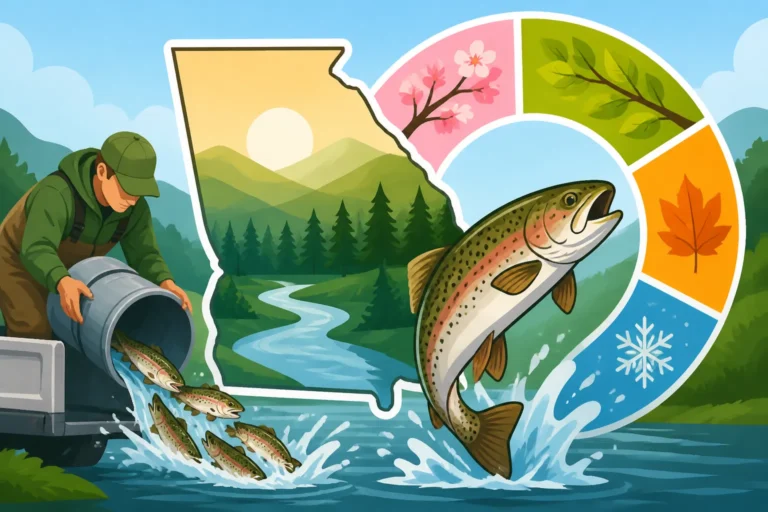
The primary goal of the Georgia DNR's Wildlife Resources Division (WRD) trout program is to provide diverse angling opportunities. While Georgia does have native brook trout, and some wild populations of rainbow and brown trout, the vast majority of the trout caught by recreational anglers are fish that have been raised in state hatcheries. These fish, predominantly rainbow trout, along with a good number of brown trout and even some brook trout, are introduced into public waters to supplement existing populations and create "put-and-take" fisheries. This approach allows for sustainable fishing pressure on wild populations while offering abundant chances for anglers to fill their creels.
The stocking schedule is designed to coincide with suitable water temperatures and angler demand, with spring being one of the busiest times. The WRD manages several hatcheries, including Summerville, Burton, and Buford, which collectively produce hundreds of thousands of trout annually. These facilities are the backbone of the state's trout fishing program, ensuring a steady supply of healthy, catchable fish for Georgia's streams.
How Many Streams See Stocking Action by the End of March
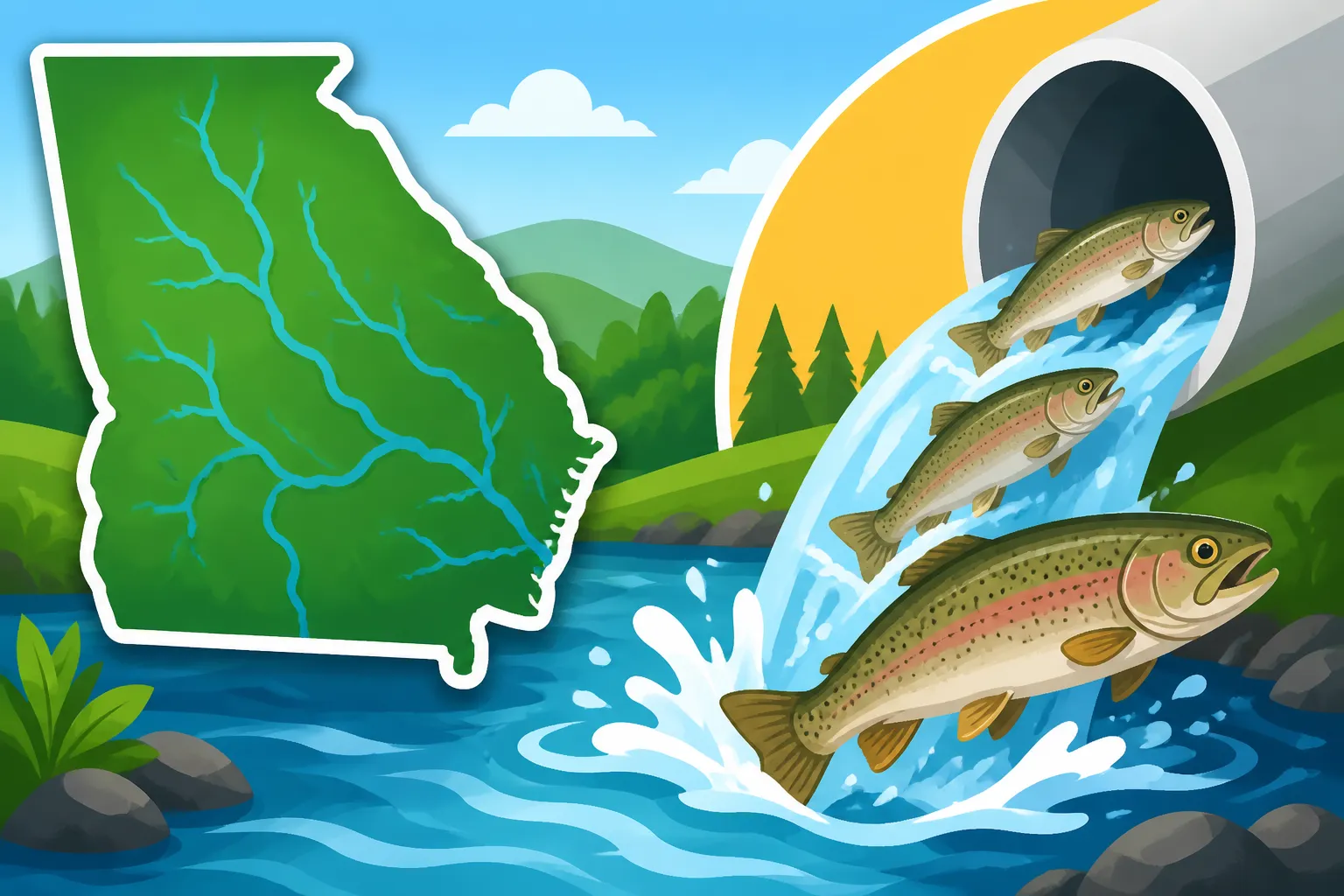
This is the golden question, isn't it? While the exact, cumulative number of streams stocked by the very end of March can fluctuate from year to year based on various factors like weather, water levels, and fish availability, you can confidently expect a significant ramp-up in activity. By the time March draws to a close, the Georgia DNR typically stocks dozens of trout streams across North Georgia.
Think of it this way: Georgia has approximately 100 designated trout streams and tributaries that are managed for trout fishing. As the spring season truly takes hold in March, the DNR begins to intensely stock the most accessible and popular of these waterways. Many of these streams will have already received their first, and sometimes even second, stocking of the year. This initial burst often includes major rivers and creeks that can handle higher angler pressure, such as sections of the Toccoa River, Amicalola Creek, Cooper Creek, and many others within popular Wildlife Management Areas (WMAs).
The DNR works diligently to spread these fish out to provide widespread opportunities. So, while it's not every single trout stream in the state, it's a substantial portion of the key fisheries that are easy for anglers to access and enjoy. This early-season stocking sets the stage for months of excellent fishing as temperatures remain cool enough for trout to thrive.
The March Stocking Schedule: A Springtime Kick-Off
March is a pivotal month for trout fishing in Georgia. It marks the real transition from the slower, more unpredictable winter fishing into the bustling, highly anticipated spring season. As water temperatures begin to rise steadily but remain cool, trout become more active and willing to feed. This makes it an ideal time for the DNR to kick their stocking operations into high gear.
The stocking schedule typically starts picking up steam in early March, with increasing frequency as the month progresses. By the last week of March, weekly stockings are usually well underway in many streams. This means that if you plan your trip for late March, you're likely to find freshly stocked fish that are often less wary and more eager to bite. It's truly a springtime kick-off, signaling the start of consistent trout fishing opportunities that will last through late spring and early summer.
Navigating the Freshest Waters: Finding and Fishing Stocked Streams
Once you understand the sheer volume of trout being stocked by late March, the next step is knowing how to find them and how to fish for them effectively. It's not just about casting a line; it's about being informed and prepared.
Your Go-To Resources for Stocking Updates
The absolute best resource for up-to-date trout stocking information in Georgia is the Georgia DNR's Wildlife Resources Division website. They typically publish weekly trout stocking reports that list which streams have been stocked and often what species were introduced. This is your bible for planning a successful trip. Check it religiously before you head out! You might even find details on specific stocking locations within larger waterways.
Beyond the official channels, local bait and tackle shops near popular trout fishing areas are invaluable. Shop owners and staff often have insider knowledge, not just about recent stockings but also about local conditions, effective baits, and techniques that are currently working. Online fishing forums and social media groups dedicated to Georgia fishing can also be a great source of real-time information from fellow anglers. Just remember to verify information from unofficial sources with the DNR's official reports.
Before hitting the water, remember you'll need the appropriate licenses. A basic Georgia fishing license is required for most anglers, and if you're heading to the mountain streams, you'll also need to pick up the specific Mountain Trout License Add-On in Georgia. Ensure you understand all the Georgia Fishing Regulations Explained before you go.
Prime Locations for Early Season Trout
While the DNR stocks a wide array of streams, some locations are consistently popular and receive heavy stocking attention, especially in early spring. These are excellent places to start your search by the end of March:
- Toccoa River (Coopers Creek section and others): A well-known North Georgia trout fishery, the Toccoa offers both easy access and more remote sections. Stocking here is frequent. If you're looking for prime spots, check out Toccoa River Trout Fishing in Georgia.
- Amicalola Creek (Dawson County): This is another popular spot, known for its scenic beauty and consistent stockings.
- Cooper Creek (Union County): Often stocked with good numbers of rainbow trout, it's a favorite for many.
- Tallulah River (Rabun County): Offers beautiful scenery and good trout opportunities.
- Chattahoochee River (especially above Lake Lanier): While known for its tailwater trout fishery below Buford Dam, many upstream sections and tributaries are also regularly stocked. You can learn more about Chattahoochee River Headwaters Trout Fishing in this area.
- Dukes Creek (White County): This stream is often part of the stocking rotation, offering excellent fishing.
- Moccasin Creek (Rabun County): Another reliable spot with good access.
Many of these streams are situated within Wildlife Management Areas (WMAs), which often provide good access points and facilities. Some of these areas may also feature Delayed Harvest Trout Streams in Georgia, which have special catch-and-release rules during certain times of the year, offering a different kind of angling challenge.
Essential Gear and Techniques for Newly Stocked Trout
Newly stocked trout can sometimes be less selective than their wild counterparts, but having the right gear and techniques still makes a huge difference. You don't need to break the bank, but a few key items will enhance your success. You can find a lot of reliable, affordable gear on platforms like Amazon to get started or upgrade your existing kit.
For bait fishing, popular choices for stocked trout include:
- PowerBait or Trout Dough: These brightly colored, scented baits are highly effective. Try various colors like chartreuse, orange, or rainbow.
- Corn: Believe it or not, canned corn is a classic and very successful bait for stocked trout. They're often fed corn at the hatcheries, so it's a familiar food source.
- Worms (nightcrawlers or red wigglers): Live bait is almost always a good option, especially for a more natural presentation.
If you prefer lures, small spinners and spoons are incredibly effective. Brands like Rooster Tail, Panther Martin, and Mepps are staples in any trout angler's tackle box. Small inline spinners in gold, silver, or brightly colored patterns can entice strikes. Spoons, particularly in silver or gold, also work well, mimicking small baitfish. You can easily stock up on a variety of these from Amazon before your trip.
For fly anglers, newly stocked trout can be quite aggressive. While they might not be as picky about specific insect patterns, nymphs like Prince Nymphs, Hare's Ears, and Pheasant Tails are consistently productive. Streamers, especially woolly buggers in olive or black, can also trigger a strong bite. Wet flies and smaller dry flies might also get attention, particularly on warmer days in late March. To refine your approach, consider reading up on Spin Fishing Techniques for Trout or exploring resources on fly fishing for beginners.
When fishing for stocked trout, it's often best to use lighter tackle. A light to ultra-light spinning rod (5-6 feet) paired with a small spinning reel spooled with 4-6 pound test monofilament or fluorocarbon line is ideal. This allows for better casting of light baits and lures and makes fighting even smaller trout a lot of fun.
Beyond the Numbers: Making the Most of Georgia's Early Trout Season
Knowing how many streams are stocked is just one piece of the puzzle. To truly maximize your early season trout fishing in Georgia, you need to understand the nuances of the season, the regulations, and how to prepare responsibly.
The Dynamic Nature of Stocking and Environmental Factors
It's crucial to remember that while the DNR aims for consistency, trout stocking schedules are always subject to change. Environmental factors play a significant role. Heavy rainfall can lead to high, muddy water conditions that are unsafe for stocking operations and make fishing extremely difficult. Conversely, periods of drought can result in critically low water levels and warm temperatures, which are detrimental to trout survival and can cause stocking to be temporarily halted or redirected.
Water temperature is another key factor. Trout are coldwater fish, thriving in temperatures generally below 68°F. As spring progresses towards summer, some lower elevation streams may become too warm, causing stocking efforts to shift to higher elevation, colder waters. Always check conditions before you go, ideally by looking at local stream gauges and weather forecasts in addition to the DNR's stocking reports. Flexibility in your plans will lead to more successful outings.
Respecting the Resource: Catch and Release and Regulations
While stocked trout are primarily for harvest, practicing responsible angling is vital. If you plan to keep fish, be sure to know the current Georgia Fish Size and Creel Limits for the waters you are fishing. These limits can vary depending on the stream, especially in special regulation areas like Delayed Harvest streams or trophy waters. Generally, on most stocked streams, the daily creel limit for trout is eight fish, with no minimum size limit, but it's always best to confirm. For instance, the Daily Creel Limits for Trout in Georgia provide specifics.
For any fish you intend to release, employ proper How to Catch and Release Trout Properly techniques to ensure their survival. Use barbless hooks, handle fish minimally with wet hands, and release them quickly into the water. This practice helps ensure that fish survive to be caught again, or at least contribute to the ecosystem.
Key Georgia Trout Stocking Streams (By End of March)
Here’s a general overview of some prominent streams and areas that are typically part of Georgia's early spring trout stocking efforts. Keep in mind that exact dates and specific streams vary by year and week. Always consult the official Georgia DNR stocking schedule for the most current information.
| Stream/Area | County | Primary Species Stocked | Typical March Stocking Frequency | Notes |
|---|---|---|---|---|
| Toccoa River (Coopers Cr.) | Fannin | Rainbow, Brown | Weekly/Bi-weekly | Popular, accessible, often good numbers. |
| Amicalola Creek | Dawson | Rainbow | Weekly | Scenic, easy access, heavily fished. |
| Cooper Creek | Union | Rainbow, Brown | Weekly/Bi-weekly | Popular for families, consistent stocking. |
| Tallulah River | Rabun | Rainbow | Weekly | Beautiful setting, can be more challenging. |
| Chattahoochee River | White/Habersham | Rainbow, Brown | Occasional/As needed | Upstream sections and tributaries. |
| Moccasin Creek | Rabun | Rainbow | Weekly | Good access at Moccasin Creek State Park. |
| Vogel State Park Lake | Union | Rainbow | Bi-weekly | Good for beginners and kids. |
| Dockery Lake | Lumpkin | Rainbow | Bi-weekly | Small lake, good for easy access. |
| Smith Creek | White | Rainbow | Weekly | Located at Unicoi State Park, often stocked. |
Planning Your Early Spring Trout Adventure
With dozens of streams getting stocked by the end of March, the opportunities are abundant. My best advice for any angler is to plan, but be ready to adapt. Keep an eye on the DNR's official Georgia Trout Stocking Schedule as it gets updated. This will show you exactly which waters have received fish recently. Consider investing in a good pair of waders, especially if you plan to explore more remote sections of rivers, as the water can still be quite cold in March. You can find excellent options for waders on Amazon, ensuring you stay dry and comfortable during your early season trips.
Also, think about what kind of fishing experience you're looking for. Are you hoping for easy access and plenty of company, or do you prefer a more solitary experience in a remote wilderness setting? Georgia has a wide variety of trout streams, from wide, accessible rivers to small, intimate creeks. You can find some excellent ideas for places to visit in the Best Trout Streams in Georgia guide.
Ultimately, by the end of March, Georgia's trout streams are buzzing with activity, both fish and angler alike. It's a fantastic time to get out and enjoy the beauty of the North Georgia mountains and the thrill of trout fishing.
Disclaimer
Fishing conditions and regulations in Georgia can change. Always consult the official Georgia Department of Natural Resources (DNR) website or contact them directly for the most current information on fishing licenses, regulations, and stocking schedules before planning your trip. The information provided in this guide is for general informational purposes only and should not be considered legal advice.