Best Month to Catch Crappie in Georgia
Trying to figure out the absolute best time to catch crappie in Georgia can feel like chasing a phantom sometimes, especially when you hear conflicting advice from different anglers. You want to maximize your time on the water, and nobody wants to spend a beautiful day fishing only to come home empty-handed because they were out during the wrong moon phase or water temperature. This guide is here to unravel the mystery, focusing on the most productive month and offering strategies to keep you reeling in those tasty slabs all year long.
The Unrivaled Reign of Spring for Georgia Crappie
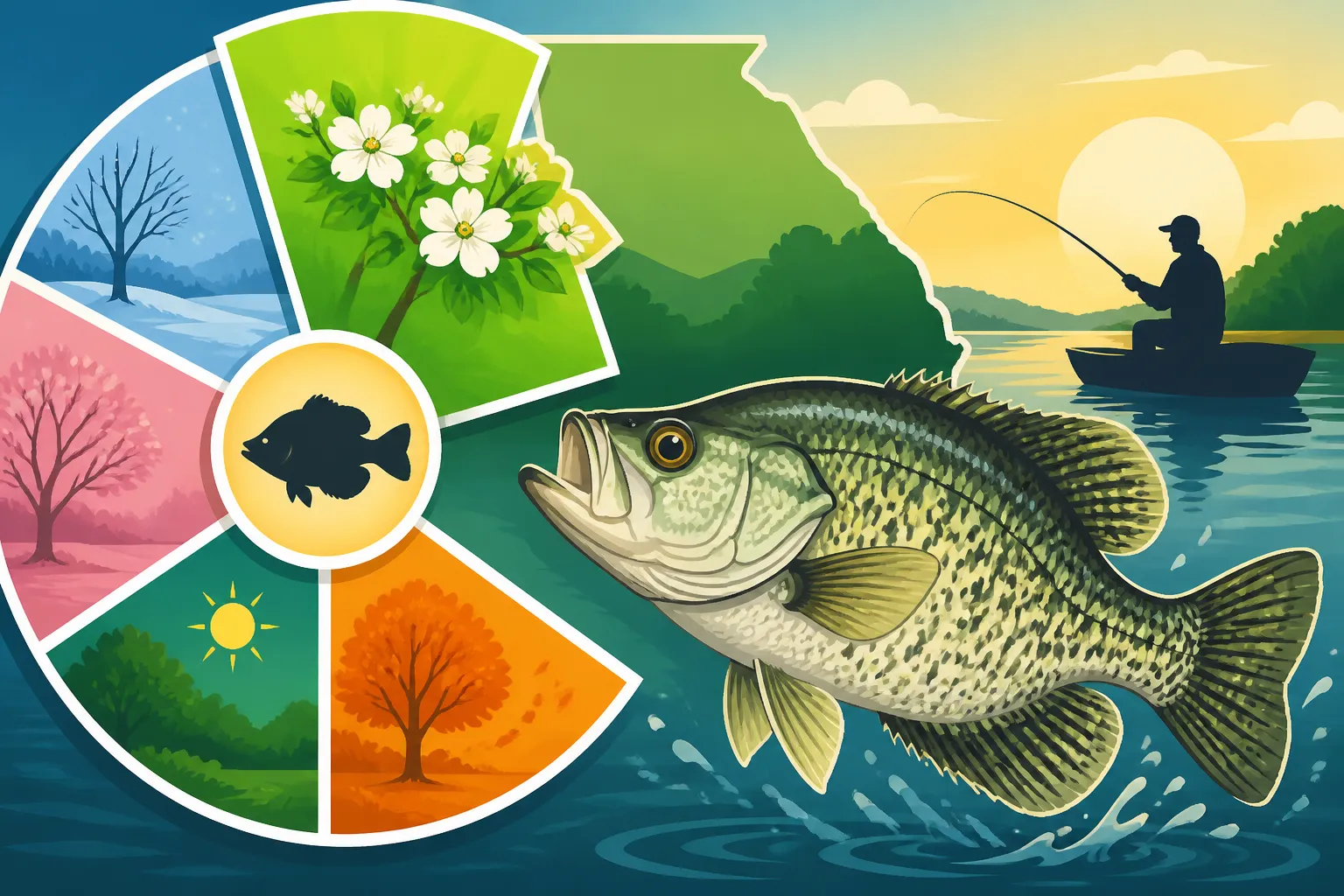
When it comes to pinpointing the single best month to catch crappie in Georgia, most seasoned anglers will tell you without hesitation: March. While April is also fantastic, March often kicks off the crappie frenzy in a way that’s hard to beat. This isn't just hearsay; it's rooted deeply in the crappie's biological imperatives, primarily their spawning cycle, which is heavily influenced by rising water temperatures after the long chill of winter.
Early Spring Excitement: Pre-Spawn Pushing In
As February fades and March breezes in, the water temperatures in Georgia's lakes and reservoirs start to inch upwards, usually hitting that sweet spot between 50 and 60 degrees Fahrenheit. This is when the pre-spawn action truly ignites. Crappie, both black and white, begin to stage in preparation for their annual reproductive ritual. They're hungry, aggressive, and moving from their deeper winter haunts towards shallower areas.
During this pre-spawn phase, you’ll find crappie congregating in transitional zones. Think creek channels, the mouths of coves, and areas where deeper water meets potential spawning grounds like submerged timber or brush piles. They're essentially fueling up for the energy-intensive spawn, making them incredibly eager to strike. Anglers often find success by targeting these staging areas with small jigs or minnows fished vertically. The fish aren't quite on the banks yet, but they're definitely on their way, making them relatively predictable if you know where to look for these migration routes. This can be a fantastic time to practice your Tightlining Techniques for Crappie, as the fish are often grouped tightly.
The Spawning Spectacular: Crappie on the Beds
As March progresses and water temperatures consistently climb into the mid-50s to low-60s, the crappie move fully into the shallow spawning areas. This is often what anglers envision when they talk about the "best" crappie fishing. They'll seek out hard bottoms, often near wood cover like submerged stumps, brush, or fallen trees, in water ranging from just a couple of feet deep to sometimes five or six feet. Males will move in first to prepare the nests, followed by the females.
During the spawn, crappie are focused on reproduction, but they will fiercely guard their nests and strike at anything perceived as a threat. This makes them highly catchable. You can often sight-fish them in clearer waters or target visible cover with precise casts. Small jigs, particularly those in natural colors or chartreuse, become irresistible. Live minnows, fished under a bobber, are also deadly. The key here is stealth and patience. Getting too close or making too much noise can spook them off their beds. Some of the Best Crappie Lakes in Georgia, like Lake Sinclair and Lake Oconee, really shine during this period, offering abundant shallow cover for crappie to move into.
Post-Spawn Recovery: Still Good, Just Different
Towards the end of March and into early April, the crappie start to finish up their spawning duties. They'll be a bit lethargic immediately after the spawn, but they don't move far. Instead, they often retreat to slightly deeper cover adjacent to their spawning grounds. Think about those brush piles or submerged structure just outside the shallow flats. They're still hungry, but perhaps not as aggressively defending a nest.
This post-spawn period requires a slight adjustment in tactics. Instead of targeting super shallow areas, you might want to look for them suspended around brush piles in 8-15 feet of water. How to Find Crappie Around Brush Piles becomes a crucial skill here, often requiring good electronics. Small jigs, slowly retrieved, or minnows, are still the baits of choice. This phase is still incredibly productive, offering consistent catches, though perhaps not the same fast-paced action as the peak spawn. This is also when some of the larger females, exhausted from spawning, might be found recuperating.
Crappie Fishing Beyond March: Year-Round Opportunities
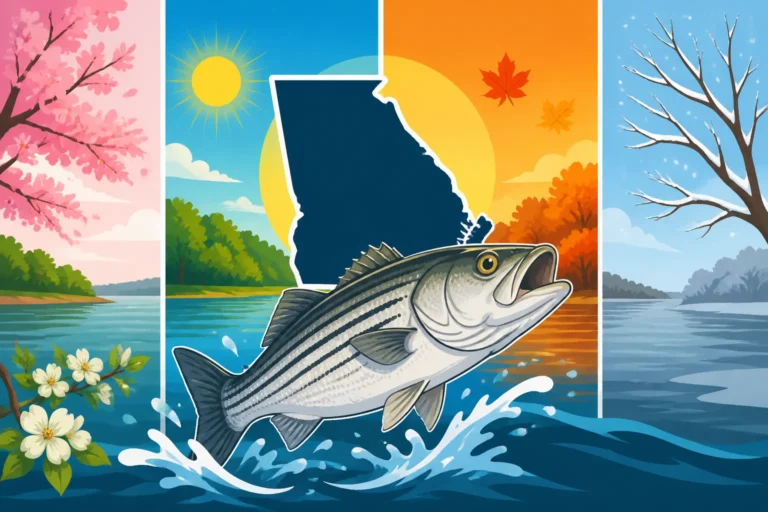
While March takes the crown, it's a huge misconception that crappie fishing ends with spring. Georgia offers fantastic crappie action throughout the year, provided you understand their seasonal patterns and adjust your tactics accordingly.
Summer Slabs: Deep Water Dwellers
When the oppressive Georgia heat settles in, usually from late May through August, crappie will retreat to deeper, cooler, and more oxygenated waters. They'll often suspend in the water column, often relating to submerged brush, timber, or bridge pilings in 15-30 feet of water, sometimes even deeper. The frustration here is that they can be anywhere, making them harder to locate without good electronics.
Techniques for summer crappie often involve "spider rigging" – fishing multiple rods with jigs or minnows at various depths until you pinpoint the fish. Downlining live minnows directly over submerged structures is also very effective. Light lines, like 4-6 pound test, are crucial for detecting those subtle summer bites. Many anglers also find success fishing for crappie at night during the summer, as the cooler temperatures and absence of direct sunlight can bring them shallower, making them more active. You might even find them congregating around artificial lights, which attract baitfish. If you're wondering, Do Crappie Bite Better at Night?, the answer is often a resounding yes in summer! Finding the Best Jig Colors for Crappie Fishing can also make a big difference when they are deeper and light penetration is low. You can find a fantastic array of deep-water crappie jigs on Amazon, making it easy to experiment with different colors and weights.
Fall Frenzy: Following the Baitfish
As autumn arrives, bringing cooler temperatures and shorter days, crappie fishing can once again pick up considerably. Water temperatures begin to drop, often energizing the crappie and making them more active. They'll start to follow baitfish, which are also becoming more active and schooling up in preparation for winter.
In fall, crappie can be found in a variety of depths, often moving between deeper channels and the shallower flats, chasing schools of shad. Look for them around points, creek channels, and submerged cover. Trolling with small crankbaits or jigs can be very effective as crappie are on the move. Vertically jigging over brush piles in 10-20 feet of water is also a productive method. This season can offer some of the most consistent fishing, as crappie are aggressively feeding to build up reserves for the colder months. It's a great time to experiment with different jigging techniques, much like those described in our guide on How to Jig for Crappie.
Winter Wonders: Slow and Steady
Don't let the cold deter you from crappie fishing in winter. While the bites might be more subtle and the fish less active, winter can produce some of the biggest "slab" crappie of the year. Crappie move to their deepest winter haunts, often suspending over deep creek channels, submerged timber, or in the deepest parts of coves, frequently at depths of 20-40 feet or more. Their metabolism slows down, so they won't chase a bait aggressively.
The key to winter crappie is slow, deliberate presentations. Vertical jigging with tiny jigs (1/32 to 1/16 ounce) or very small minnows is paramount. Fishing slowly and precisely, often using a fish finder to locate schools, is the name of the game. On sunny days, crappie might move up slightly shallower on south-facing banks that absorb more heat, offering a brief window of opportunity. It's a patience game, but the reward can be some truly massive crappie. Before heading out in the cold, many anglers check Amazon for warm fishing gloves and thermal layers to stay comfortable. You can also learn more about How to Rig a Minnow for Crappie for effective winter presentations.
Key Factors Influencing Crappie Success
Beyond the calendar, several other factors play a significant role in your crappie fishing success in Georgia. Understanding these can help you adapt and find fish even when the "best" month isn't quite cooperating.
Water Temperature: The Crappie Thermometer
Water temperature is arguably the most critical factor influencing crappie behavior. As we've discussed, it dictates their spawning cycle and overall activity levels.
- Below 45°F: Crappie are deep and lethargic. Focus on slow, vertical presentations in deep channels.
- 45-55°F: Pre-spawn staging. Crappie move towards shallower water, often suspending in creek channels or around deeper cover near spawning areas.
- 55-65°F: Peak spawn. Crappie are on the beds in shallow cover.
- 65-75°F: Post-spawn and early summer. Crappie might move slightly deeper, still relating to cover near spawning areas.
- Above 75°F: Summer deep-water patterns. Crappie seek cooler, deeper water, often suspending.
Always check local water temperature reports or use a temperature gauge on your boat. This single piece of information can tell you more about crappie location than almost anything else.
Cover and Structure: Crappie Condos
Crappie are ambush predators and absolutely love cover and structure. Whether it's submerged timber, brush piles, boat docks, bridge pilings, or even rock piles, they use these features for protection, to ambush baitfish, and for spawning.
Knowing how to read your electronics to identify these features is invaluable. Many anglers create their own brush piles, sinking Christmas trees or other natural materials in strategic locations to attract crappie. Public fishing areas often have marked brush piles that are regularly maintained by the Georgia Department of Natural Resources (GADNR). If you're fishing from shore, targeting How to Catch Crappie From a Dock can be surprisingly productive, as docks often offer both shade and submerged structure. For those looking to upgrade their sonar, Amazon offers a wide selection of portable fish finders that can be invaluable for locating these underwater havens.
Bait and Lure Selection: Matching the Menu
Crappie generally prefer smaller baits and lures. Live minnows are a universal crappie catcher, often outperforming artificials, especially when fish are less active. However, jigs are incredibly versatile and allow you to cover more water and fish different depths effectively.
| Season | Typical Depths (Approx.) | Crappie Behavior | Recommended Techniques | Preferred Baits/Lures |
|---|---|---|---|---|
| Spring (March-April) | 2-15 feet | Pre-spawn staging, spawning, post-spawn recovery | Vertical jigging, casting to cover, tightlining | Live minnows, small tube jigs, hair jigs, spider rigging |
| Summer (May-August) | 15-35+ feet | Seek cooler, deeper, oxygenated water; less active | Deep vertical jigging, spider rigging, trolling, night fishing | Live minnows, small jigs (light colors), small crankbaits |
| Fall (Sept-Nov) | 5-25 feet | Actively feeding, following baitfish, migrating | Trolling, vertical jigging over structure, casting | Live minnows, small jigs, crankbaits, small spinnerbaits |
| Winter (Dec-Feb) | 20-40+ feet | Deep, lethargic, schooling tightly | Slow vertical jigging, dead sticking minnows | Tiny jigs (1/32 oz), minnows (fished very slow) |
When choosing jigs, consider size (1/32 to 1/8 ounce are common), color (chartreuse, white, black, pink, and natural baitfish colors are popular), and tail action. Sometimes a subtle feather jig works best, other times a curly-tail grub is the ticket. Having a variety on hand, easily obtainable from a retailer like Amazon, will prepare you for any situation. Don't forget to check out our detailed guides on Black Crappie Identification: A Georgia Angler's Guide and White Crappie Identification Guide to better understand what you're catching.
Final Thoughts: The Crappie Chase is a Year-Round Adventure
While March undeniably stands out as the prime month for crappie fishing in Georgia due to the intense spawning activity, the truth is, you can enjoy fantastic crappie action almost any time of year. It simply requires understanding their seasonal movements, adapting your techniques, and having the right gear. Whether you're targeting big slabs in the chilly depths of winter or reeling them in from shallow brush in the spring, Georgia's crappie fishery offers consistent rewards for those willing to learn and adapt. So, get out there, embrace the challenge, and enjoy the thrill of the crappie chase!
Disclaimer
The information provided in this guide is for general informational purposes only and should not be considered a substitute for official regulations. Fishing regulations, license requirements, and local conditions can change frequently. Always consult the latest Georgia Department of Natural Resources (GADNR) rules and regulations before heading out on the water. Fishing inherently involves risks, and adherence to safety guidelines and proper boating practices is essential.