How to Choose the Right Bait and Lure for the Season
It can be incredibly frustrating to head out to your favorite Georgia fishing spot, full of anticipation, only to have a slow day without a single bite. Often, it's not about where you're fishing, but what you're offering the fish and when. The truth is, fish behavior changes dramatically with the seasons, impacting what they're willing to eat. This comprehensive guide will peel back the layers of seasonal fish behavior and forage, helping you select the perfect bait and lure for success on Georgia's diverse waters, no matter the time of year.
Understanding Seasonal Fish Behavior and Forage
Before we even talk about specific baits, it’s crucial to understand why fish respond differently at various times of the year. It all comes down to their biology and their environment. Just like we change our wardrobes and diets with the seasons, fish alter their metabolism, their preferred depths, and what they’re actively seeking out for food. Ignoring these fundamental shifts is a sure-fire way to end up with an empty livewell.
How Water Temperature Impacts Fish Metabolism and Location
Water temperature is arguably the single most important factor influencing fish activity. Fish are cold-blooded creatures, meaning their body temperature mirrors that of their surroundings. This directly affects their metabolism, energy levels, and even their digestive processes. When the water is cold, their metabolism slows down significantly, making them less active and less inclined to chase fast-moving baits. They become lethargic, conserving energy, and often hold in deeper, more stable water where temperatures fluctuate less. Think about how you feel on a brisk winter morning – you’re not usually jumping up and down with boundless energy, are you? Fish are similar.
Conversely, as water temperatures rise in spring and summer, their metabolism speeds up. They become more active, needing to eat more frequently to fuel their increased energy demands. This is when you'll find them in shallower water, often aggressively chasing baitfish. However, extremely hot water can also stress fish, driving them deeper to seek cooler, oxygen-rich environments. Understanding this thermal relationship is your first step to choosing the right offering. For a more in-depth look at how these dynamics play out, check out our guide on How Water Temperature Affects Fish Behavior.
Matching the Hatch: Seasonal Forage in Georgia Waters
Another critical aspect of choosing the right bait is understanding what the fish are actually eating, or "matching the hatch." Just like a chef knows what ingredients are in season, a smart angler knows what the natural prey of their target species is at any given time. This isn't just about fish – it includes insects, crawfish, frogs, and even small mammals that might fall into the water.
In spring, for instance, many insect larvae hatch, and small baitfish become active, offering easy meals. In summer, schools of shad and other baitfish are abundant in open water, while crawfish are more active on the bottom. Fall often sees massive schools of baitfish migrating, causing feeding frenzies. By observing the water, checking local fishing reports, and even looking inside the stomach of a caught fish (if you plan to keep it), you can gain invaluable insights into what to present. If you see shad flickering on the surface, throwing a shad-imitating lure is a no-brainer.
Spring Fishing: The Pre-Spawn and Spawn Frenzy
Spring in Georgia is a magical time for anglers. The water warms, fish become active, and many species move shallow to begin their annual spawning rituals. This period is characterized by aggressive feeding as fish bulk up for the spawn, and then a more territorial, protective behavior during the actual nesting phase. This is a prime time for big catches if you know where to look and what to throw.
Largemouth and Spotted Bass: Aggressive Bites and Bedding Tactics
As Georgia's waters creep into the 50s and then 60s Fahrenheit, largemouth and spotted bass begin their pre-spawn migration from deeper wintering holes to shallower staging areas. This is an incredible feeding window, as they're hungry and looking to pack on weight before the energy-intensive spawn. During this time, aggressive lures that mimic baitfish are key. Think lipless crankbaits, jerkbaits, and spinnerbaits retrieved quickly along points, humps, and creek channels leading to spawning flats. These lures can trigger reactionary strikes from active fish.
Once water temperatures consistently hit the mid-60s, bass move onto beds in shallower, protected areas. This is when they become very territorial. While they might not be actively feeding, they will strike at anything perceived as a threat to their nest. Soft plastics like lizards, creature baits, and senkos pitched onto beds are highly effective. You're not trying to get them to eat, but to annoy them into striking. Remember to practice catch-and-release when targeting bedding bass to help sustain populations. Our detailed guide on Spring Bass Spawn Timing on Georgia's Lakes can offer even more specific timing.
Crappie and Bream: Shallow Water Bonanza
Crappie, another popular Georgia panfish, follow a similar pattern to bass, moving shallow to spawn when water temperatures reach the high 50s to low 60s. They often relate to submerged brush, docks, and timber in shallow coves. Small jigs, particularly those with soft plastic bodies in chartreuse, white, or black-and-chartreuse combinations, are deadly. Tipping these jigs with a small live minnow can be irresistible. Fishing these vertically or slow-reeling them through brush piles are excellent tactics.
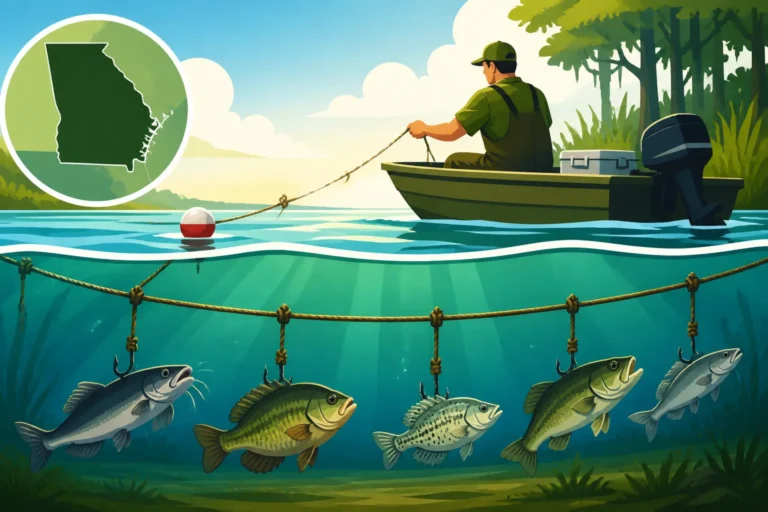
Bream, which include bluegill, shellcracker, and other sunfish, spawn slightly later, typically when water temperatures are firmly in the upper 60s and 70s. They create "beds" in shallow, sandy areas, often in large colonies. These fish are less finicky than bass and are perfect for introducing kids to fishing. Live worms (like redworms or crickets) fished under a bobber are classic and highly effective. Small jigs or tiny spinners (like a "Beetle Spin") can also catch them in droves. Look for sandy or gravelly spots in protected coves or along shallow points.
Trout: Post-Winter Awakening in Mountain Streams
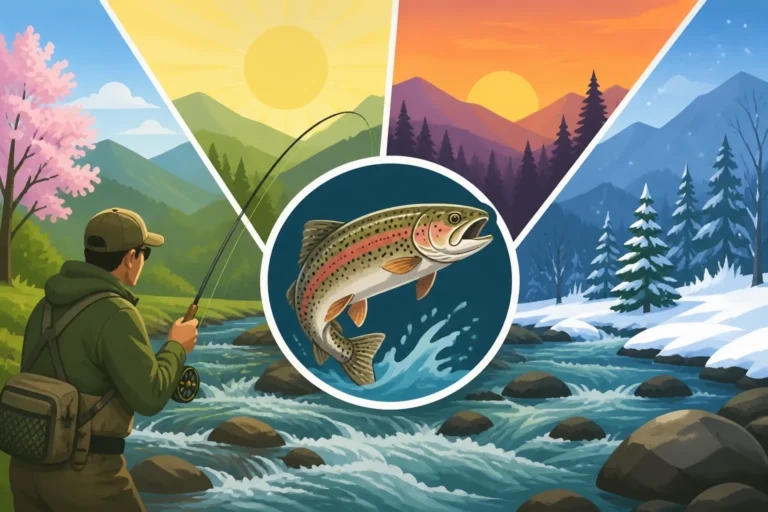
In Georgia's beautiful mountain streams, spring signals an awakening for rainbow, brown, and native brook trout. As snowmelt subsides and water temperatures become more stable, insect activity increases, and trout become much more active after their winter lethargy. Early spring might still call for slightly slower presentations, but as the season progresses, they'll chase flies and lures with vigor.
For fly anglers, spring is prime time for nymphing and emerger patterns as insects become active subsurface. Later in spring, dry fly fishing can be excellent during hatches. Spin fishermen will find success with small inline spinners (e.g., Rooster Tails, Panther Martins) in silver or gold, fished upstream and reeled back with the current. Small spoons and live bait like worms or corn can also be very productive, especially for recently stocked trout. The cool, clear waters of the Toccoa River and other North Georgia streams come alive. Learn more about the best times to fish these waters in Best Months to Fish Georgia's Mountain Streams.
Summer Fishing: Deep Water and Early/Late Day Strategies
Summer in Georgia brings heat, bright sun, and often stable weather patterns. While many anglers might think fishing slows down, it simply shifts. The key to summer success is understanding that fish will seek comfort and food in different places and at different times. The midday sun can be brutal for both anglers and fish, making early mornings, late evenings, and even night fishing highly productive.
Bass: Deep Dwellers and Topwater Mornings
As summer progresses and surface water temperatures climb into the 80s, largemouth and spotted bass often retreat to deeper, cooler water. They'll relate to structure like submerged timber, ledges, humps, and brush piles at depths of 15-30 feet or even more. Carolina rigs, deep-diving crankbaits, football jigs, and shaky head worms become go-to choices for probing these depths. Electronics like fish finders are invaluable for locating these deeper holding areas.
However, don't dismiss the shallows entirely! During low-light conditions – dawn, dusk, and cloudy days – bass will often push up into shallower water to feed aggressively, especially on baitfish like shad. This is prime time for exciting topwater action using poppers, walking baits, and buzzbaits. The explosive strikes can be exhilarating! When the sun gets high, though, they'll retreat, so adjust your strategy accordingly. Consider these tactics for Summer Fishing Patterns on Georgia's Big Lakes.
Catfish: Nocturnal Feasting and Bottom Bouncing
Summer is prime time for catfish in Georgia, particularly the larger channel, blue, and flathead varieties. While they can be caught during the day, these whiskered warriors are often most active after dark or during periods of low light. They're scavengers and opportunistic feeders, making them a great target for those who enjoy a more relaxed, stationary style of fishing.
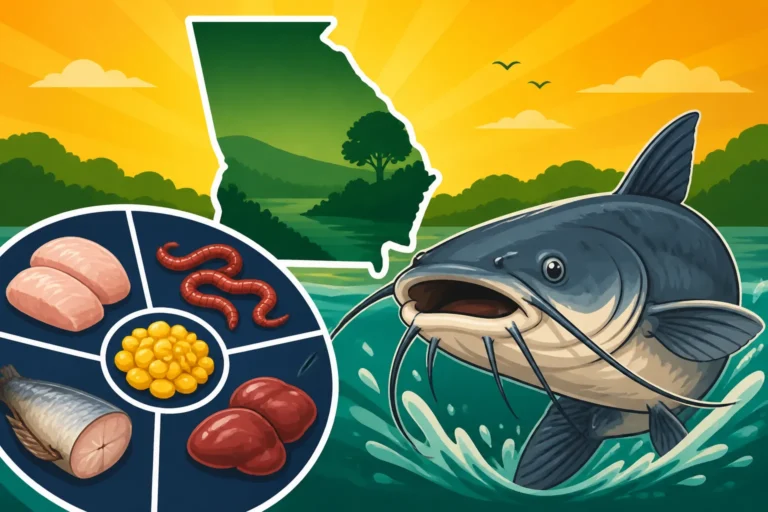
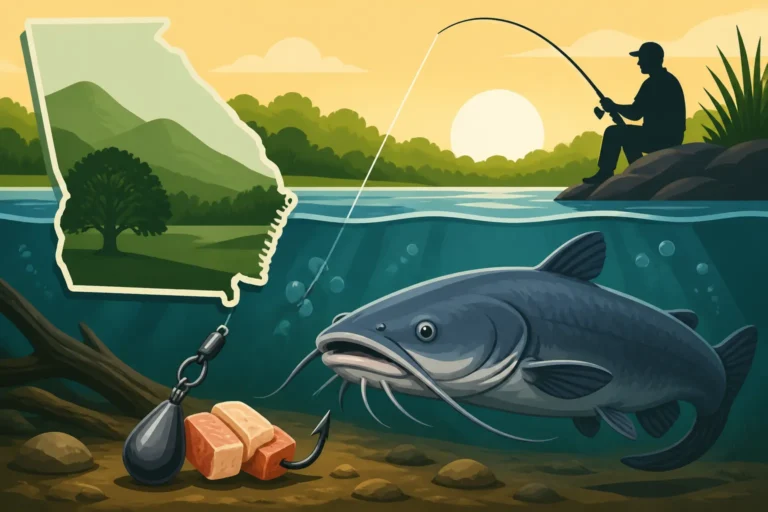
For channel and blue catfish, prepared stink baits, cut bait (like shad or chicken livers), and even chunks of hot dogs are incredibly effective. Fish these on the bottom using a slip-sinker rig in river bends, deep holes, or along channel edges in lakes. Flatheads, however, are predatory and prefer live bait, such as small bream or goldfish, fished on heavy tackle near log jams or rocky structure. Night fishing for catfish is a popular pastime, offering cooler temperatures and often more consistent action. You can find many of these specific baits on retailers like Amazon if your local tackle shop has a limited selection. For more on catching these giants, look into Catfish Bottom Fishing Basics.
Striped and Hybrid Bass: Open Water Chasing
Striped bass and their hybrid cousins are powerful, schooling fish that provide incredible fights, especially in Georgia's larger reservoirs like Lake Lanier, Lake Oconee, and Clarks Hill Lake. In summer, these fish often follow massive schools of baitfish, primarily threadfin and gizzard shad, into the open water. This makes them challenging to find but rewarding to catch.
Deep trolling with bucktail jigs, umbrella rigs, or large swimbaits that imitate shad is a popular and effective method for locating and catching these schooling predators. Live bait, like blueback herring or shad, fished on downlines or freelines at the depth where bait schools are present (often revealed by your fish finder) can also be deadly. Early mornings and late evenings might see them busting schools on the surface, offering thrilling topwater opportunities with large spoons or pencil poppers. These are truly impressive fish that demand robust tackle and a willingness to cover water.
Fall Fishing: The Feeding Frenzy Before Winter
Fall is another fantastic season for fishing in Georgia, often rivaling spring in terms of activity and angler success. As water temperatures begin to cool, fish sense the approaching winter and embark on a feeding frenzy to store up energy. This "fall turnover" can briefly slow things down as water mixes, but once it stabilizes, fish become highly aggressive and predictable.
Bass: Schooling and Shad Chasing
As Georgia's autumn air cools the surface water, bass become incredibly active, chasing baitfish with relentless abandon. This is particularly true for spotted bass, which are renowned for their schooling behavior in the fall. Look for schools of shad in open water, often near creek channels, points, and humps. Bass will herd these baitfish to the surface, creating explosive "topwater boils" that are impossible to resist. When you see this, cast topwater lures, walking baits, or chrome-colored lipless crankbaits right into the action.
When bass aren't actively busting on the surface, they'll often be holding just below, picking off stragglers. Jerkbaits, spinnerbaits, and swimbaits are excellent choices for covering water and mimicking fleeing baitfish. As the season progresses and temperatures drop further, bass might move to the backs of coves and creek arms, where remaining baitfish seek warmer water. This is when fishing becomes a bit more diverse, allowing for slower presentations with jigs or Texas-rigged worms near cover. You can find more specific advice for Fall Bass Fishing Patterns on Georgia's Lakes.
Crappie and Bream: Transitioning to Deeper Cover
Crappie and bream also respond to the cooling temperatures and increased baitfish activity in the fall. While they might still be caught shallow early in the season, they often begin to transition towards deeper cover as winter approaches. Crappie will often be found suspended around submerged timber, brush piles, or bridge pilings in 10-25 feet of water.
Vertical jigging with small hair jigs or soft plastic crappie jigs (often tipped with a minnow) is very effective. Use your electronics to pinpoint schools of crappie and present your bait directly to them. Bream will also seek deeper brush or structure, but often closer to the bottom. They can still be caught on worms or crickets, but you might need to use a slightly heavier sinker to get your bait down to them. Look for them around deeper dock pilings or submerged rock piles.
Trout: Increased Activity and Fall Stocking
Fall is a phenomenal time for trout fishing in Georgia, especially with the cool, crisp air making for comfortable days on the water. Wild trout become very active, feeding heavily in preparation for winter, and this is also a prime time for Georgia's extensive fall trout stocking program. Many streams receive fresh stockings, meaning there are plenty of hungry fish to catch.
Fly anglers will find success with a variety of patterns, including streamers mimicking baitfish, nymphs, and even some dry flies on warmer afternoons. Spin fishermen should stick with inline spinners, small spoons, or small soft plastic grubs. Live bait, like redworms or PowerBait, can be incredibly effective, especially for freshly stocked fish that are less wary. Head to streams like the Toccoa River or Amicalola Creek. For detailed information on where and when trout are stocked, consult the Georgia Trout Stocking Schedule Explained.
Winter Fishing: Slow and Steady Wins the Race
Winter fishing in Georgia can be challenging, but it's far from impossible. In fact, some of the biggest fish of the year are caught in the colder months. The key is to understand that fish metabolism has slowed considerably, so your presentations need to be subtle, slow, and often directly in front of the fish. Patience and persistence are paramount.
Bass: Deep, Slow Presentations
During winter, bass generally move to their deepest haunts, seeking stable water temperatures and minimal current. They'll often school up tightly on main lake points, channel swings, humps, and submerged timber, sometimes in depths exceeding 30-40 feet. Their metabolism is at its lowest, so they won't chase baits very far or very fast.
Slow, deliberate presentations are key. Jigging spoons dropped directly onto fish (which you'll need a good fish finder to locate) can be very effective. Blade baits, shaky head worms, and football jigs crawled slowly along the bottom are also excellent choices. Another tactic is fishing suspending jerkbaits over deep water, letting them sit motionless for extended periods between twitches. The colder the water, the longer the pause. This slower approach often yields fewer bites but can result in larger, healthier fish. Get more insights into Winter Fishing Patterns on Georgia's Reservoirs.
Crappie: Vertical Jigging and Suspended Fish
Crappie in winter often school up in large numbers, making them a fantastic target if you can find them. They typically suspend in deep water, often over brush piles, timber, or along bluff walls, seeking baitfish that are also holding deep. They might be anywhere from 15 to 40 feet deep, but often still above the bottom.
Vertical jigging is the name of the game for winter crappie. Use small, 1/16 to 1/8 ounce jigs tipped with tiny soft plastics or live minnows. Drop your offering down to the exact depth where you see crappie on your electronics. Patience is vital, as bites can be incredibly subtle, feeling like just a little "tick" or added weight. Many anglers use sensitive rods with light line to detect these faint takes. This is where good electronics really shine, allowing you to stay on the fish. For techniques, refer to How to Jig for Crappie.
Catfish: Deep Holes and Prepared Baits
While not as active as in summer, catfish can still be caught reliably during the winter in Georgia. They tend to concentrate in deep holes, river channels, and slack water areas where currents are minimal and food might drift by easily. They'll be sluggish, but if a tempting meal is placed right in front of them, they'll usually take it.
Focus on the deepest parts of rivers and lakes, particularly areas with significant drop-offs or humps near deep water. Heavy cut bait (like shad, mullet, or skipjack) or large chunks of chicken liver fished on the bottom with a sturdy slip-sinker rig are good choices. Give the fish plenty of time to find and eat the bait. Sometimes, just leaving your bait soak for 30 minutes to an hour in a productive spot can yield results. Don't be afraid to use a bit more scent or a larger bait to entice a bite from these cold-water dwellers.
Choosing Baits and Lures by Species
While seasonal patterns are essential, understanding the general preferences of each fish species can further refine your bait and lure selection. Some fish are picky eaters, while others will strike at almost anything. Knowing their typical diet and predatory instincts helps tremendously.
Freshwater Bass: Lure Families and When to Use Them
Freshwater bass, including largemouth, spotted, and shoal bass, are perhaps the most popular game fish in Georgia, and they respond to an incredible array of lures.
- Crankbaits: These lipped lures dive to different depths depending on their design and retrieve speed. Shallow-divers are great for spring and fall, especially around sparse cover. Deep-divers excel in summer and winter for probing ledges and humps. Lipless crankbaits are fantastic for covering water and generating reaction strikes in cooler water.
- Soft Plastics: Worms, creature baits, lizards, and senkos are incredibly versatile. Rigged Texas-style, Carolina-style, or on a shaky head, they imitate a wide variety of prey and can be fished in almost any cover. They are particularly effective when bass are lethargic or holding tight to cover, as their subtle action is less intimidating. They are also invaluable for sight fishing on beds during the spawn.
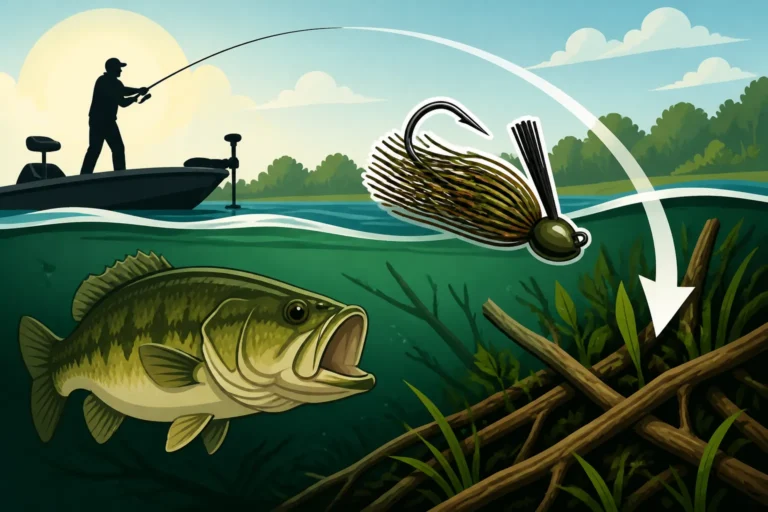
- Jigs: Flipping and pitching jigs into heavy cover is a classic big bass technique, especially for largemouth. Football jigs are excellent for dragging on deep, open bottoms, imitating crawfish. Swim jigs are versatile for covering water through sparse vegetation.
- Topwater Lures: Poppers, walking baits, buzzbaits, and frogs offer some of the most exciting strikes. Best used in low light (dawn/dusk) or overcast conditions, particularly in spring, summer, and fall when bass are actively feeding near the surface.
- Spinnerbaits & Chatterbaits: These lures displace a lot of water and create flash, making them excellent "search baits" for covering water, especially in stained water or around sparse vegetation in spring and fall.
Having a diverse selection of these lure types will give you options for any situation. You can find high-quality bass fishing lures and gear from various brands on platforms like Amazon, offering convenience and a wide selection.
Panfish: Simple Baits for Consistent Action
Panfish, including crappie, bluegill, and other sunfish, are often the gateway to fishing for many beginners and children, and for good reason: they are usually eager biters and don't require overly complex tackle.
- Live Bait: The gold standard for panfish. Live redworms, crickets, small minnows (for crappie), and even mealworms are incredibly effective. Fish these under a small bobber for easy visual bite detection or on a simple split-shot rig for bottom fishing.
- Small Jigs: Tiny soft plastic jigs (1/32 to 1/16 oz) in bright colors like chartreuse, pink, or white, are fantastic for crappie and can also catch larger bluegill. Tip them with a piece of worm or a small minnow for added attraction.
- Small Spinners: In-line spinners like the "Beetle Spin" or other micro-spinners are great for covering water and attracting active panfish, especially around shallow weed lines or brush. Their flash and vibration are irresistible.
- Poppers (Fly Fishing): For fly anglers, small poppers fished on the surface for bluegill in summer can provide explosive and addictive action.
Panfish are typically found near structure, whether it's submerged brush, lily pads, docks, or even fallen trees. Presenting these simple baits near such cover will almost always yield results. For a basic guide on catching these accessible fish, check out Bream and Bluegill Fishing for Beginners.
Trout: Natural vs. Artificials for Mountain Streams
Georgia's trout fishing, primarily for rainbow, brown, and brook trout in the cooler mountain streams, offers a different challenge. Trout are often more sensitive to presentation and specific forage.
- Live Bait: For stocked trout, prepared baits like PowerBait (in various colors and forms) or corn are incredibly effective, especially when fished on a small hook with a light line and minimal weight. Live worms are always a reliable choice for both wild and stocked fish.
- Inline Spinners: Small inline spinners (size 0-2) in silver, gold, or brass with various blade designs are perhaps the most popular and effective artificial lure for spin fishing trout. Cast them upstream and reel just fast enough to get the blade spinning, letting the current do some of the work.
- Spoons: Tiny casting spoons (e.g., Little Cleos, Phoebe spoons) can also be effective, especially for larger trout. Their wobbling action imitates injured baitfish.
- Flies: This is where trout fishing truly becomes an art.
- Nymphs: Subsurface imitations of insect larvae are consistently effective, especially in faster currents where trout feed primarily below the surface. Patterns like Pheasant Tail, Hare's Ear, and Squirmy Worms are staples.
- Dry Flies: Mimicking adult insects on the surface, dry flies offer exciting visual strikes. Best used during active hatches in spring, summer, and fall. Patterns like Adams, Elk Hair Caddis, and Parachute Adams are widely used.
- Streamers: Larger patterns that imitate baitfish or leeches. Effective for enticing aggressive strikes from larger trout, especially brown trout, in deeper pools or during low-light conditions.
Choosing between natural bait and artificial lures often depends on the type of water (e.g., delayed harvest streams usually have artificial-only regulations) and the angler's preference. Many anglers start with spin fishing and then transition to fly fishing. Our guide on Fly Fishing Basics for Trout can provide a solid starting point.
Adapting to Weather and Water Conditions
Beyond the overarching seasonal changes, day-to-day weather and water conditions play a huge role in fish behavior and, consequently, your bait and lure choices. A sudden cold front, heavy rain, or changing water clarity can turn a hot bite into a tough grind if you don't adapt.
Cloudy Days, Rainy Weather, and Fronts
- Cloudy Days: Overcast conditions generally make fish more active and less wary, often allowing them to move shallower than they would on bright, sunny days. This is an excellent time for reaction baits like spinnerbaits, crankbaits, and topwater lures, as fish are more willing to chase. The diffused light makes colors appear more natural and less "washed out."
- Rainy Weather: Fishing during a light rain can be surprisingly good, especially if it warms the water slightly or adds oxygen. The rain breaks up the surface, providing cover for fish to feed shallower, and washes insects and other food into the water. Again, reaction baits can shine. However, heavy downpours can muddy the water quickly and push fish deep, making fishing tougher.
- Cold Fronts: This is perhaps the most challenging weather pattern. A sudden drop in temperature and a rise in barometric pressure (often after a strong storm) can shut fish down quickly. Fish become lethargic and often move to deeper, denser cover. Your strategy needs to shift to slow, subtle presentations with soft plastics, jigs, or slow-moving bottom baits. Expect fewer bites but potentially larger fish if you're patient. Learn more about how to approach these changes in Fishing After a Cold Front.
Water Clarity and Current Considerations
- Clear Water: In very clear water, fish have excellent visibility and can be easily spooked. This calls for more natural-looking baits, subtle colors (greens, browns, clear), smaller lures, and lighter line. Long casts are essential to avoid disturbing the fish. Fluorocarbon line is often preferred for its low visibility.
- Stained/Muddy Water: When the water is murky, fish rely more on their lateral lines to detect vibration and their sense of smell. This is the time for baits that create a lot of vibration and flash – spinnerbaits with large blades, chatterbaits, noisy crankbaits, and bright colors like chartreuse, orange, or white. Scented baits are also highly effective. Don't be afraid to use stronger line as visibility is low.
- Current: Fishing in rivers or areas with strong current (like below dams) requires different tactics. Fish will often hold in eddies or behind structure to conserve energy, waiting for food to be swept by. Baits that can be presented naturally with the current, like jigs, soft plastics, or live bait, are excellent. Cast upstream and let the current carry your bait into prime holding spots. Heavier weights might be needed to get your bait down in strong currents.
Understanding these variables and being willing to change your approach on the fly is what separates consistent anglers from those who only catch fish on "good" days. A seasoned angler carries a diverse tackle box to adapt to these shifts, and sometimes checking out online retailers like Amazon for specialized gear can be a great way to build your arsenal.
Essential Gear and Storage for Seasonal Baits
Having the right bait is one thing, but keeping it organized, accessible, and in good condition is another entirely. A well-prepared angler knows that time spent fumbling for gear is time not spent fishing.
Organizing Your Tackle Box for Quick Seasonal Swaps
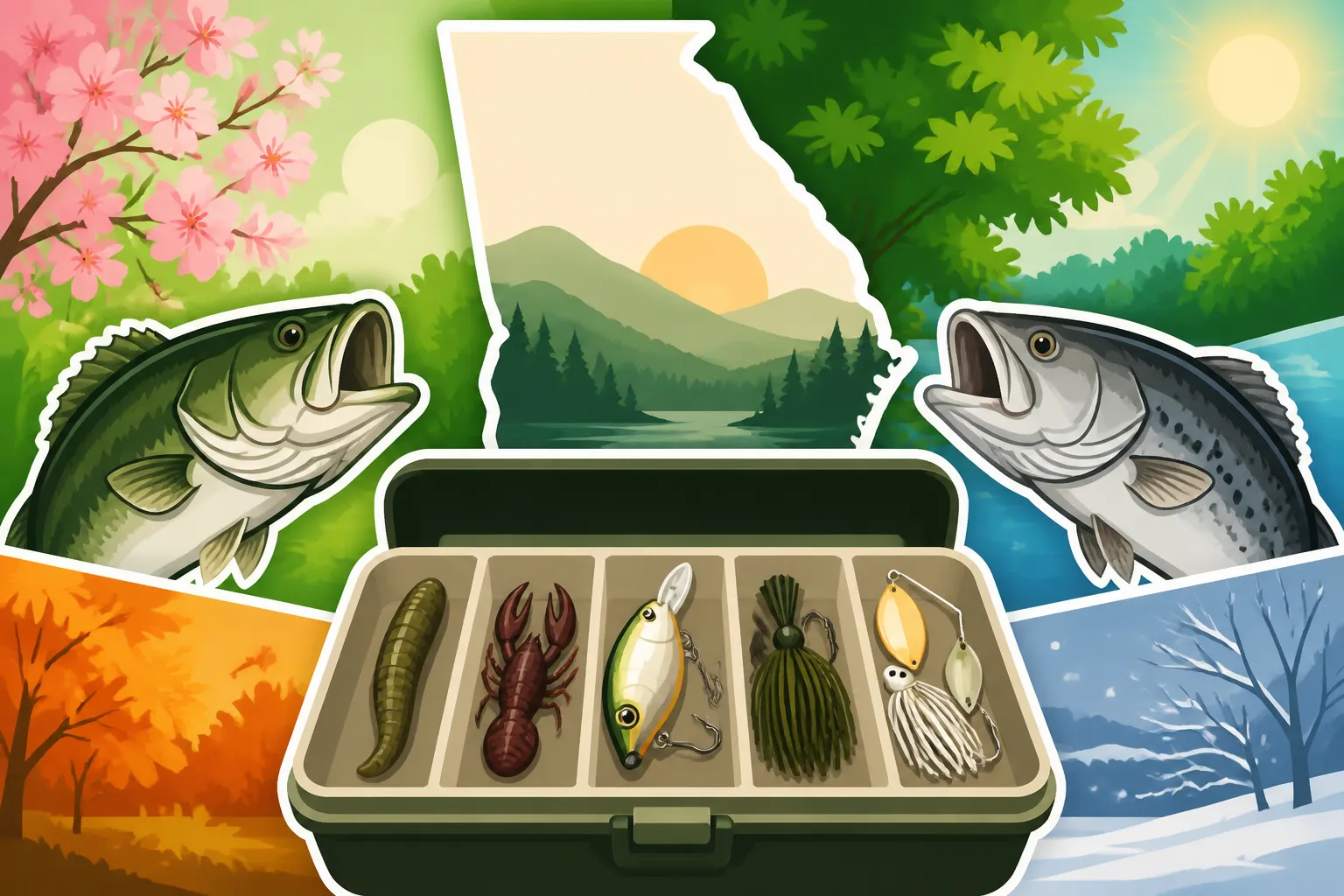
One of the biggest struggles for anglers is the sheer volume of baits and lures available. It’s easy to end up with a chaotic tackle box, especially if you fish for multiple species or throughout the year. The best approach is to organize your tackle seasonally or by target species.
- Seasonal Boxes: Consider having a separate tray or small box dedicated to "Spring Bass," "Summer Crappie," "Fall Trout," etc. This allows you to quickly grab the relevant gear for your trip without sifting through everything.
- Lure Type Organization: Within those seasonal boxes, further organize by lure type (e.g., all crankbaits together, all soft plastics in dedicated compartments, jigs with their trailers). This saves time on the water.
- Soft Plastic Storage: Keep soft plastics in their original bags or in specialized soft plastic binders. Mixing different brands or types can cause them to melt or degrade due to chemical reactions.
- Terminal Tackle: Use small, clear compartment boxes for hooks, weights, swivels, and split rings, organized by size and type. Nothing is more frustrating than needing a specific hook and not being able to find it.
Regularly audit your tackle. Get rid of rusty hooks, tangled line, and baits you never use. This keeps your system lean and efficient. When you need to replenish your stock or find a specific brand, online retailers like Amazon offer a vast selection, often with competitive prices, making it easy to keep your tackle box ready for action.
Maintenance and Longevity of Your Baits and Lures
Your baits and lures are investments, and taking care of them ensures they perform well and last longer.
- Hook Sharpness: This is paramount. A dull hook means missed fish. Regularly check all your hooks for sharpness and sharpen them with a hook file or replace them if they're too far gone.
- Lure Cleaning: After a day on the water, especially in saltwater or murky freshwater, quickly rinse lures with fresh water and let them air dry before storing. This prevents rust on hooks and split rings.
- Soft Plastic Care: As mentioned, proper storage prevents melting. If soft plastics get dirty, a quick rinse can help. Avoid leaving them in direct sunlight in your boat or car, as heat can quickly degrade them.
- Crankbait Lips: Inspect the lips of your crankbaits for cracks or damage, which can affect their diving depth and action.
- Spinnerbait/Chatterbait Blades: Ensure blades spin freely and aren't bent or corroded. Replace if necessary.
- Rods and Reels: While not baits or lures, keeping your rods clean and your reels lubricated (following manufacturer instructions) will ensure they function smoothly when you hook that big fish.
By diligently maintaining your gear and keeping your tackle organized, you'll be prepared for whatever Georgia's diverse fishing seasons throw at you. A well-chosen bait is only as good as the hook it's on and the rod it's cast with!
Disclaimer
Fishing involves inherent risks, including but not limited to adverse weather conditions, boating accidents, and encounters with wildlife. Always prioritize safety by wearing appropriate personal flotation devices, informing others of your plans, and being aware of your surroundings. Adhere to all local, state, and federal fishing regulations, including licensing requirements, bag limits, and size restrictions. This guide is for informational purposes only and does not constitute professional advice. The author and publisher are not responsible for any incidents or injuries that may occur as a result of following the information provided herein. Always fish responsibly and respectfully.