Altamaha River Fishing Spots Near Darien
Many anglers, especially those new to Georgia's sprawling coastal waterways, can feel a bit lost when trying to pinpoint the best fishing spots. The Altamaha River, a true gem of the state, presents a vast network of water, and knowing where to effectively drop a line near a specific town like Darien can be a real head-scratcher. This comprehensive guide is designed to cut through that confusion, giving you the lowdown on the most productive fishing locations, common species, and the most effective strategies for fishing the legendary Altamaha River in the Darien area.
Why the Altamaha River Near Darien is a Prime Fishing Destination
Understanding the Altamaha's Unique Ecosystem
The Altamaha River, often affectionately referred to as "Georgia's Amazon," is far more than just a typical river, especially as it weaves its way toward the coast near Darien. This isn't just a simple freshwater flow; it's a dynamic and incredibly complex network where the river's fresh waters meet the Atlantic Ocean's salty embrace. This creates a brackish water paradise, teeming with an astonishing diversity of fish species. Upstream, you'll encounter environments typical of freshwater rivers, but as you journey closer to Darien, the rhythmic push and pull of the ocean tides become the dominant force. This constant ebb and flow introduces nutrient-rich saltwater, which meticulously blends with the freshwater coursing down from inland.
This continuous mixing creates a truly special transition zone, one that comfortably supports both classic freshwater residents like robust blue catfish and feisty largemouth bass, alongside highly sought-after saltwater game fish such as powerful redfish, elusive flounder, and delicate speckled trout. It's a rare and exciting opportunity to target such a wide array of species during a single fishing excursion. The water itself often has a dark, tannin-stained appearance, a natural result of decaying vegetation from the sprawling cypress swamps further upriver. This unique coloring can sometimes necessitate adjustments to your lure selections and presentation, adding another layer of challenge and reward to the fishing experience.
The ever-fluctuating salinity levels, influenced by both tidal movements and recent rainfall, directly impact where certain fish species choose to hold. For instance, a period of heavy rain and a strong freshwater push might encourage saltwater species to retreat further downstream, closer to the open ocean. Conversely, during dry spells, these saltwater denizens might venture further upriver, seeking out new feeding grounds. Grasping this nuanced dynamic is absolutely fundamental to consistent success on the Altamaha. The riverbanks themselves are a tapestry of diverse habitats, ranging from dense marsh grass and towering cypress trees to ancient live oaks draped in iconic Spanish moss, all providing crucial cover and strategic ambush points for predatory fish. The deep, winding channels, expansive shallow flats, and myriad feeder creeks and hidden oxbow lakes collectively form an incredibly rich and varied aquatic environment.
Target Species Galore
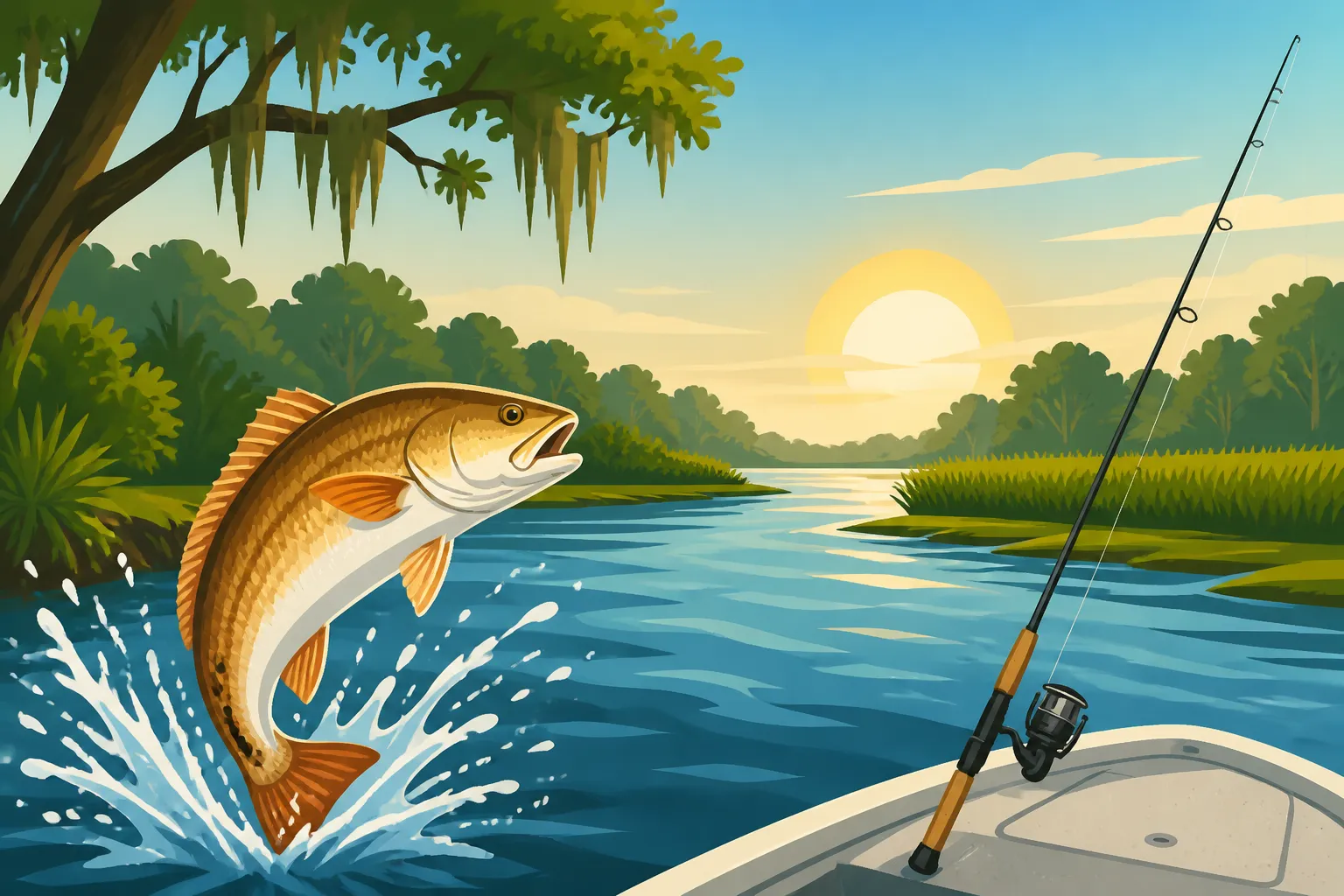
One of the most thrilling aspects of casting a line in the Altamaha near Darien is the sheer, incredible variety of fish species that you might encounter. This is genuinely a year-round fishery, with each season presenting its own cast of characters and prime opportunities. During the warmer months, you can confidently expect to find a flourishing population of redfish, also widely known as red drum, lurking keenly in the shallower waters and lurking around the abundant oyster beds. These powerful, hard-fighting fish are a firm favorite among dedicated local anglers for their strength and challenging nature. Swimming alongside them, speckled trout (or spotted seatrout) are plentiful, particularly in the calmer, more sheltered waters of the countless feeder creeks and marsh drains. Flounder are also a very common and welcomed catch, often lying in wait, perfectly camouflaged on sandy bottoms or strategically positioned near various submerged structures, ready to ambush unsuspecting baitfish. On occasion, you might even be pleasantly surprised by a robust black drum, especially during their spring spawning periods.
However, the Altamaha's offerings don't end with these coastal superstars. If you venture just a little bit further upriver from Darien, you'll quickly transition into quintessential freshwater territory, where you can then pivot to targeting impressive blue catfish and channel catfish. These bottom-dwelling giants grow to substantial sizes in the river's rich, nutrient-laden waters. Largemouth bass are also present, especially favoring the quieter backwater lakes, sloughs, and protected coves. Depending on the precise time of year and the prevailing conditions, you might even have the exciting chance to encounter striped bass, which sometimes venture into these brackish areas as part of their broader migratory patterns. This extraordinary diversity means that no matter what your preferred fishing style or your chosen target species, the Altamaha River near Darien is almost guaranteed to have something exciting in store for you. It's truly a rare and special place where, with a bit of luck and skill, you could realistically achieve a "grand slam" of catching both freshwater and saltwater species on the very same day if the conditions align perfectly.
Key Fishing Spots and Access Points Near Darien
Public Ramps and Docks for Easy Access
Darien, with its rich history as a thriving port city, provides several incredibly convenient public access points for anglers eager to explore the expansive Altamaha River system. One of the most popular and consistently well-maintained options is undoubtedly the Darien City Docks and Boat Ramp. This facility is ideally situated right within the town, offering straightforward access to the river's main channel and the intricate network of surrounding marshlands. It boasts multiple ramps, generous parking spaces specifically designed for boat trailers, and stable floating docks, all of which contribute to making both launching and retrieving your vessel a remarkably smooth and hassle-free process. From this central location, you can swiftly navigate to some of the most productive fishing areas or easily head out towards the larger, more open estuaries. This spot serves as an excellent starting point for any fishing trip, regardless of whether you're bringing your own boat or planning to meet up with a local fishing guide. For more detailed information on various launch points, you can check out our guide on Top Boat Ramp Access Points in Georgia.
While perhaps not a direct boat launch, the area around the Fort King George State Historic Site is worth noting. Although primarily a historical attraction, its close proximity to the Altamaha River means that nearby facilities or lesser-known access points are often available, especially for those with smaller craft like kayaks or canoes, or even for anglers looking for shore fishing opportunities. For those who might be seeking alternative options or additional amenities, there are also various private marinas and well-established fish camps scattered throughout the vicinity. These private operations typically offer ramp access, a selection of fresh bait, and essential tackle, often for a modest fee. Furthermore, these local businesses are often invaluable sources of up-to-the-minute fishing reports and expert tips from seasoned locals, providing insights that can significantly boost your chances of success.
Exploring Tributaries and Backwaters
The true allure and magic of fishing the Altamaha near Darien extend far beyond its primary channel; they are profoundly experienced within its countless intricate tributaries, winding creeks, and expansive backwater areas. These smaller, more intimate waterways, such as the Butler River, Rockdale Creek, and Broughton Creek, often provide more sheltered and serene fishing experiences, which can be particularly welcome when the main river is experiencing choppier conditions or higher boat traffic. These creeks are frequently characterized by dense marsh grass, numerous oyster bars, and various submerged snags, all of which create perfect ambush points for hungry redfish and speckled trout. During the peak of high tide, redfish are known to push deep into the protective cover of the marsh grass, often "tailing" as they actively forage for tasty crabs and shrimp. This behavior can present an incredibly exciting sight-fishing opportunity for observant and stealthy anglers.
Venturing a bit further inland, but still quite accessible by boat from Darien, you'll discover a fascinating array of oxbow lakes and tranquil sloughs that branch off from the main river. These calmer, often tannin-stained waters serve as genuine havens for an abundance of freshwater species. Imagine the thrill of casting a carefully selected jig or a lively minnow into these placid areas, hoping to hook into some crappie, or meticulously working the edges around fallen timber for a hard-fighting largemouth bass. The sheer number and intricate nature of these smaller waterways mean that you could easily spend multiple days exploring and still not uncover all of their hidden secrets. It's absolutely crucial to exercise diligent attention to navigation when exploring these areas, as the tides can drastically alter water depths, and unfamiliar channels can quickly lead to the frustration of getting stuck on an exposed mud flat. Therefore, carrying and utilizing a detailed GPS chartplotter is not just recommended, but often essential for safe and productive exploration. For more on navigating these complex areas, consider our guide to Best Fishing Spots on the Altamaha River.
The Coastal Influence and Brackish Water Opportunities
The grand journey of the Altamaha River culminates in a magnificent, sprawling network of estuaries and salt marsh that gracefully leads out towards the expansive Altamaha Sound and, ultimately, the vast Atlantic Ocean. These coastal-influenced areas are, quite simply, pure gold for targeting a wide array of saltwater species. The particular stretch where the river truly widens and intricately braids into numerous distinct channels and picturesque islands, such as Wolf Island, the historic Sapelo Island, and the tranquil Blackbeard Island, transforms into an absolute angler's paradise. Here, you'll find incredible opportunities for redfish, delicate sea trout, cunning flounder, and even larger, more substantial species like formidable drum and the ever-challenging sheepshead. The powerful and consistent tidal flows in these regions are instrumental in creating natural current breaks and swirling eddies around prominent marsh points, thriving oyster reefs, and various submerged structures. These features act as natural congregating points, effectively concentrating baitfish and, in turn, attracting the predatory game fish that feed upon them.
Experienced anglers frequently focus their efforts on the mouths of smaller creeks as they drain into the main river or the sound during the outgoing tides. This is a particularly effective strategy because as baitfish are flushed out by the receding water, it often triggers a frenzied feeding response among the waiting predators. Similarly, fishing the incoming tide around the myriad oyster beds and along the verdant marsh edges can prove to be incredibly productive, as fish actively move into these areas to feed on the abundance of marine life. For those seeking a truly immersive and potentially diverse experience, consider venturing into the deeper, broader channels with heavier tackle, specifically targeting larger species. Alternatively, you might explore the intricate, narrower marsh creeks with lighter, more finessed gear for a more delicate and tactical approach. It is paramount to remember that fishing in these areas means dealing with saltwater, so always make it a priority to thoroughly rinse all your fishing gear with freshwater after each trip to prevent corrosive damage. When planning your trip, you'll also need to be aware of local regulations, particularly those outlined in the Georgia Saltwater Information Permit Explained. To further enhance your local knowledge and planning, you might explore services from local captains on platforms like FishingBooker, which can provide invaluable expertise for navigating and understanding these dynamic and productive waters.
Essential Techniques and Tackle for the Altamaha
Best Baits and Lures for Local Species
Successfully fishing the Altamaha River near Darien demands a flexible and versatile approach to your choice of baits and lures, given the incredibly diverse ecosystem that calls for a wide range of presentations. For targeting the highly sought-after saltwater species such as redfish, speckled trout, and flounder, live bait often reigns supreme. Live shrimp, agile mud minnows, and slender finger mullet are consistently irresistible to these predatory fish. You can present these lively offerings in several effective ways: suspend them under a popping cork to attract attention, rig them on a Carolina rig for bottom feeding, or simply free-line them, allowing them to drift naturally with the current, depending on the specific water depth and strength of the current. When opting for artificial lures, soft plastics prove to be exceptionally effective. Consider using 3-inch to 4-inch soft plastic "grub" tails or "paddle tails" in natural and proven colors like chartreuse, pristine white, or a deep root beer hue. These should typically be rigged on a jig head that is appropriately weighted for the prevailing current conditions. Additionally, during periods of low light, topwater lures can generate truly explosive and exhilarating strikes from aggressive redfish and hungry trout. While specific strategies might be found in guides like Best Bait for Redfish, the overarching principle for the Altamaha's diverse species is adaptability.
As you move progressively upstream into the more brackish or predominantly freshwater zones of the Altamaha, a different set of baits and lures comes into play. For the abundant catfish population, strong-smelling stink baits, various forms of cut bait (such as shad or mullet), or even humble chicken livers, all fished effectively on the bottom with a simple slip-sinker rig, are consistently highly effective. For those pursuing largemouth bass in the calmer, more secluded sloughs and backwaters, traditional bass lures such as plastic worms (either Texas-rigged or Carolina-rigged), vibrant spinnerbaits, and shallow-diving crankbaits will typically yield excellent results. A versatile medium-heavy spinning rod or a baitcasting setup, ideally spooled with 10-20 lb braided line complemented by a fluorocarbon leader, provides the necessary sensitivity for detecting subtle bites and the robust strength required to handle most of the varied fishing scenarios you're likely to encounter here. Don't forget to pack essential tools like a good pair of pliers for hook removal and a sturdy net; those Altamaha fish are known for their spirited fights!
Navigating Tidal Currents and River Structure
A deep understanding of the river's tides and currents is not just beneficial, but absolutely paramount to achieving consistent success on the Altamaha. The tidal range near Darien can be quite substantial, leading to dramatic fluctuations in water depth, clarity, and, crucially, fish behavior. Fish instinctively position themselves in current breaks or sheltered eddies, patiently waiting for baitfish to be swept past them by the moving water. The ability to "read the water" – to skillfully identify these subtle current seams, locate submerged structures, and discern changes in the bottom contour – will significantly enhance your catch rates. Fishing during the last hour of an outgoing tide and the first hour of an incoming tide is frequently observed to be the most productive, as this period of moving water typically triggers heightened feeding instincts and naturally concentrates baitfish in predictable areas. Many experienced anglers meticulously consult tide charts to precisely plan their fishing excursions.
Beyond the currents themselves, the Altamaha River is incredibly rich with various forms of structure. Thriving oyster reefs, numerous fallen trees (often referred to as snags), strategically placed rock piles, and distinct marsh grass lines all provide vital cover and fertile feeding grounds for a multitude of species. For boat anglers, modern trolling motors equipped with spot-lock features are invaluable tools for precisely holding your position near productive structure, even in the face of strong currents. When fishing in and around snags, it's wise to be prepared for the occasional loss of tackle, but the potential rewards of hooking into a trophy fish in these areas can be well worth the minor cost. For exploring the deeper, more expansive channels, a high-quality fish finder becomes an indispensable piece of equipment, allowing you to accurately identify ledges, sudden drop-offs, and schools of baitfish or larger game fish. For those less acquainted with the intricacies of the area, considering a local guide, perhaps found via resources like FishingBooker, can provide an accelerated and invaluable learning curve on safely navigating these complex waters and capitalizing on their unique challenges and abundant opportunities. Further insights into how environmental factors influence fishing strategy can be found in our guide How Water Temperature Affects Fish Behavior.
Seasonal Considerations for Peak Fishing
The Altamaha River near Darien is truly a year-round fishing destination, offering fantastic angling opportunities in every season. However, understanding which species are most active and what techniques are most effective at different times of the year can significantly elevate your success. Spring (March-May) is arguably one of the most productive periods. As water temperatures steadily climb, fish become incredibly active, shaking off their winter sluggishness. This is prime time for chasing both redfish and speckled trout, which become very aggressive. The catfish bite also begins to intensely heat up during this period. Additionally, the famous white shad run often occurs in late winter and early spring, attracting a variety of predators, including migratory striped bass.
Summer (June-August) brings hotter ambient temperatures, but early mornings and late evenings can still offer incredibly productive fishing sessions. During the heat of the day, redfish and trout will typically seek refuge in deeper, cooler water or tuck themselves away into the shaded pockets within the marsh. Night fishing for catfish can be particularly excellent and rewarding during these warmer months.
Fall (September-November) ushers in cooler, more comfortable temperatures and often provides some of the most consistent and exciting fishing of the entire year. Redfish become remarkably aggressive, actively schooling up in preparation for the upcoming winter, and the trout fishing remains robust and reliable. This period is a fantastic time to experiment with both artificial lures and various live baits.
Finally, Winter (December-February) sees a general slowdown in activity for some species due to the colder water, but the fishing can still be phenomenal, especially on those surprisingly warmer, sunny days. Redfish frequently congregate in deeper holes or seek out dark, muddy bottoms that absorb more solar heat, offering concentrated targets for anglers. Larger blue catfish are also often specifically targeted during these colder months. Always make it a point to check the local Georgia Fishing Seasons by Month to stay fully informed on what to expect and which species are most active throughout the year.
Practical Tips for a Successful Darien Fishing Trip
Licensing and Regulations You Need to Know
Before you even consider casting a single line into the rich waters of the Altamaha, it is absolutely paramount that you ensure you possess all the correct fishing licenses and thoroughly understand the local regulations. In the state of Georgia, any individual aged 16 or older is legally required to carry a valid fishing license. Given the Altamaha's distinctive blend of both freshwater and saltwater influences, you'll need to acquire a basic Georgia fishing license. Furthermore, if your plans include targeting any saltwater species, you are also mandated to obtain the free, but absolutely necessary, Georgia Saltwater Information Permit Explained. While this permit doesn't cost anything, it is a crucial requirement designed to assist the state in collecting vital data on saltwater angling activities and fish populations.
It's also essential to be aware that fishing regulations can vary significantly depending on the specific species you are targeting, encompassing distinct size and creel (bag) limits. For instance, there are very specific rules governing redfish and speckled trout, and these regulations are subject to change. Therefore, it is always imperative to consult the official website of the Georgia Department of Natural Resources (DNR) or their annually published fishing guide for the most current and accurate information. Ignorance of the law is never considered a valid excuse, and the penalties for fishing without a proper license or for violating established limits can be quite substantial. Make it a diligent habit to verify current regulations before embarking on every single trip, as they can sometimes be updated without extensive prior notice. Our comprehensive Georgia Fishing Regulations Explained guide can offer you a more in-depth understanding of statewide rules and their implications.
Local Resources and Guides
Navigating a vast and intricate river system like the Altamaha, especially if it's your first time, can be quite a challenge. This is precisely where the invaluable knowledge and assistance of local resources and experienced fishing guides truly shine. The local bait and tackle shops in Darien are veritable treasure troves of up-to-the-minute information. The knowledgeable folks who work there typically live and breathe local fishing; they can provide you with crucial insights into what species are currently biting, which specific baits are proving most effective, and often, they can even point you directly to current hotspots. Don't hesitate to strike up a friendly conversation! These shops also stock the exact baits and tackle that are locally proven performers in these particular waters, ensuring you have the right gear.
For those seeking an even deeper dive into the local fishing scene or simply wishing to maximize their chances of success without the often-steep learning curve, seriously consider hiring a local fishing guide. A professional guide will come equipped with the ideal boat, all the necessary gear, and a wealth of years of direct experience on the Altamaha, enabling them to take you directly to where the fish are biting. They possess an intimate understanding of the complex tides, the subtle currents, and the seasonal patterns of fish behavior. Platforms like FishingBooker serve as excellent resources for discovering reputable, fully licensed fishing charters and guides who operate specifically out of the Darien area. A guided trip can be an incredible investment, not only providing you with an unforgettable day of fishing but also imparting invaluable techniques and revealing productive spots that you can confidently utilize on your future independent trips. It's truly a fantastic and efficient way to learn the intricate nuances of fishing in the Coastal Georgia Fishing Spots Guide safely and productively.
Overview of Top Fishing Spots Near Darien
| Fishing Spot / Area | Primary Species Targeted | Best Conditions / Techniques | Notes |
|---|---|---|---|
| Darien City Docks / Main Channel | Redfish, Speckled Trout, Catfish | Incoming/Outgoing Tide, Live Bait, Bottom Fishing | Easy boat access, can be busy, good for main river current fishing. |
| Butler River / Rockdale Creek | Redfish, Speckled Trout, Flounder | Mid-Tides, Soft Plastics, Live Shrimp under Popping Cork | Sheltered creeks, excellent for sight fishing redfish in grass. |
| Altamaha Sound Estuaries | Redfish, Speckled Trout, Flounder | Stronger Tides, Carolina Rigs, Trolling (for larger species) | Broad, open waters with strong currents, near the ocean. |
| Upriver Sloughs / Oxbow Lakes | Catfish, Largemouth Bass, Crappie | Calm Waters, Cut Bait (catfish), Worms/Crankbaits (bass) | Freshwater influence, seek out fallen timber and deep holes. |
| Oyster Bars & Marsh Edges | Redfish, Speckled Trout, Flounder | All Tides (fish move in/out), Jigging, Live Bait (Carolina Rig) | Productive year-round, focus on current breaks and deeper pockets. |
The Altamaha River near Darien stands as a truly remarkable fishery, offering a diverse array of species and dynamic environments that promise to challenge and richly reward anglers of every skill level. From the intricate, winding marsh creeks to the broad, sweeping tidal channels, this magnificent river system serves as a vibrant testament to Georgia's abundant natural beauty and its enduring fishing heritage. By meticulously understanding its unique ecosystem, precisely knowing the most productive spots, skillfully employing the right techniques, and always respecting the prevailing regulations, you are already well on your way to experiencing a truly memorable and successful fishing adventure in the captivating coastal region of Georgia.
Disclaimer
The information provided in this guide is for general informational purposes only. Fishing conditions, regulations, and access points can change frequently and without prior notice. Always consult the Georgia Department of Natural Resources (DNR) or other official governmental sources for the most current and accurate rules, licensing requirements, and essential safety guidelines before embarking on any fishing trip. Additionally, leveraging local knowledge gained from bait shops and experienced, licensed guides should always be prioritized for the most up-to-date and specific conditions. Always make personal safety your foremost concern and consistently practice responsible and ethical angling.