Best Largemouth Bass Spots on Lake Hartwell
Navigating the vast waters of Lake Hartwell in search of that elusive lunker largemouth can feel like an overwhelming task, especially with its sprawling 56,000 acres and countless coves. You might spend hours casting, wondering if you're even in the right zip code for a trophy bass. This guide is here to cut through the guesswork, offering tried-and-true locations and strategies to help you pinpoint the best largemouth bass spots on Lake Hartwell, ensuring your next trip is more about bending rods than scratching your head.
Understanding Lake Hartwell's Unique Largemouth Habitat
Lake Hartwell, straddling the Georgia-South Carolina border, is a majestic Army Corps of Engineers reservoir renowned for its excellent fishing, particularly for largemouth bass. What makes Hartwell such a prime spot for these green fish? It’s a mix of its diverse underwater structure, abundant forage, and extensive shoreline cover. However, its sheer size can also be its biggest challenge for anglers who don't know where to start.
The Influence of Water Levels and Drawdowns
One of the most significant factors affecting bass on Lake Hartwell is the fluctuation of water levels. As a flood control reservoir, Hartwell can experience considerable drawdowns, especially in drier months or during periods of heavy energy demand. When the water is high, bass often move into newly flooded timber, brush, and shallow shoreline vegetation, seeking cover and ambush points. This means areas that were dry land just weeks before can become prime habitat. Conversely, during low water, bass are forced to retreat to deeper channels, drop-offs, and main lake points, concentrating them in more predictable areas. Understanding this dynamic is crucial. If you're planning a trip, checking the current lake levels can give you a massive advantage in predicting where the fish might be holding. For example, a sudden drop might pull fish off shallow docks, forcing them to relate to the nearest deep-water access.
Key Structures That Hold Bass
Largemouth bass are ambush predators, and they love structure. On Lake Hartwell, this can mean a variety of things. You'll find a healthy mix of natural and man-made cover that attracts baitfish, and in turn, the bass.
- Submerged Timber and Brush Piles: The lake bed of Hartwell is dotted with remnants of old forests and intentionally sunk brush piles. These are magnets for largemouth. Bass will suspend in the branches or tuck tight to the base, waiting for an unsuspecting shad or bream to swim by. These spots are often best fished with Texas-rigged worms, jigs, or spinnerbaits that can navigate through the snags.
- Riprap and Rocky Banks: Many bridges, causeways, and main lake points are reinforced with riprap. These rocks absorb heat, attracting baitfish and providing excellent cover. Bass will often cruise these rocky edges, particularly during cooler months or early mornings. Crankbaits, shaky heads, and even topwater lures can be incredibly effective here.
- Docks and Piers: With so much residential development around the lake, docks are everywhere. These provide shade, cover, and often have brush piles sunk underneath them by homeowners. Flipping jigs, pitching senkos, or skipping soft plastics under and around docks are classic Hartwell tactics.
- Creek Channels and Deep Water Access: Larger creek arms like Twenty-Six Mile Creek, Seneca River, and Six & Twenty Creek feature defined channels that provide bass with routes to move from deep to shallow water. These channels often have subtle humps, ledges, and breaks that become fish highways. When the weather changes or seasons shift, bass will use these pathways, making them prime targets for anglers using electronics to locate schools of baitfish and predators.
Prime Largemouth Bass Hotspots on Lake Hartwell
While bass can be found throughout Lake Hartwell, certain areas consistently produce more and bigger largemouth. These spots combine favorable structure, forage, and depth, making them go-to locations for experienced anglers.
Seneca River Arm
The Seneca River arm, extending deep into South Carolina, is arguably one of the most popular and productive sections of Lake Hartwell for largemouth bass. This area is characterized by its broad expanse, numerous feeder creeks, and a mix of deep-water access with shallow-water cover.
- Between Light 3 and Clemson University Area: This stretch is a true largemouth haven. The main channel here has excellent depth, but it’s flanked by a multitude of coves, points, and humps. Look for areas with a good mix of standing timber and riprap, especially around the bridges and causeways leading towards Clemson. The confluence of the river and larger creeks creates current, which can concentrate baitfish and bass. During the spring, many bass move into the shallower coves here to spawn, while in the summer, they'll relate to deeper points and humps. If you're looking for a guide who knows this specific area like the back of their hand, platforms like FishingBooker often list local captains specializing in the Seneca arm.
- Twelvemile Creek: A significant feeder creek off the Seneca River, Twelvemile Creek offers a diverse habitat. It's known for its extensive standing timber and deep-water channels, particularly in its upper reaches. The lower end, closer to the main river, features numerous points and secondary creeks with ample cover. Bass here love to relate to the timber, especially during summer and fall. Flipping jigs and heavy Texas rigs into the wood is a proven strategy. Keep an eye on your fish finder for schools of baitfish, as bass won't be far behind.
Tugaloo River Arm
On the Georgia side, the Tugaloo River arm is another powerhouse for largemouth bass. This arm is generally deeper and rockier than the Seneca, with a more pronounced river channel and steeper banks in many areas.
- Coneross Creek and Poplar Springs Area: Coneross Creek is a massive tributary of the Tugaloo River, offering a fantastic mix of shallow pockets and deep, channel-swing points. The mouth of Coneross, near the Poplar Springs area, is a particularly active zone. Here, you'll find submerged roadbeds, humps, and a good amount of brush. In the colder months, bass will often school up on the deeper points and humps, making vertical jigging or spooning effective. As spring approaches, they move back into the creek arm's shallower coves. This area is also excellent for finding different types of bass; you might even encounter Spotted Bass Fishing in Georgia Lakes and Rivers here.
- Chauga River Confluence: Where the Chauga River meets the Tugaloo is a convergence of current and structure. This area features steeper banks, rock ledges, and frequently has current, which activates baitfish and bass. Deep crankbaits, jigs, and shaky heads fished along these ledges can be very productive. It’s also a great spot to look for schooling fish on the surface during feeding frenzies, especially in late summer and fall.
Little River Arm
While perhaps less talked about than its larger counterparts, the Little River arm on the Georgia side consistently produces quality largemouth bass, especially for those willing to explore its many nuances.
- Gum Branch and Six & Twenty Creek (Lower Section): These areas within the Little River arm are characterized by numerous coves, shallower flats, and a good density of docks and brush. During the spring spawn and post-spawn, bass will move into these sheltered coves, relating to emergent grass, lily pads (if present), and shallow wood cover. Flipping creature baits or weightless worms into these areas can be highly effective. The transition areas where the creeks meet the main Little River channel are excellent year-round, offering deep-water access with nearby shallow feeding zones. Consider exploring Best Bass Fishing Lakes in Georgia for more details on Lake Hartwell's overall bass potential.
| Location Feature | Typical Depth Range | Primary Cover/Structure | Best Seasons | Lure Suggestions |
|---|---|---|---|---|
| Seneca Arm: Light 3 to Clemson | 5-30 feet | Riprap, docks, main channel points, humps | Spring, Fall, Winter | Crankbaits, Jigs, Spinnerbaits, Jerkbaits |
| Seneca Arm: Twelvemile Creek | 10-40 feet | Standing timber, deep channels, brush piles | Summer, Fall, Winter | Texas rigs, Jigs, Carolina rigs |
| Tugaloo Arm: Coneross Creek | 5-35 feet | Roadbeds, humps, channel swings, brush | Spring, Fall, Winter | Spoons, Jigs, Deep Diving Crankbaits |
| Tugaloo Arm: Chauga Confluence | 15-50 feet | Steep rock banks, ledges, current breaks | Year-round (current dependent) | Jigs, Carolina rigs, Deep Crankbaits |
| Little River Arm: Gum Branch | 3-20 feet | Docks, shallow pockets, brush, submerged wood | Spring, Summer, Fall | Weightless worms, Flipping jigs, Topwater |
Seasonal Strategies for Hartwell Largemouth
The best way to catch largemouth bass on Lake Hartwell changes dramatically with the seasons. Understanding Seasonal Bass Fishing Patterns in Georgia is critical for consistent success.
Spring: The Spawn and Pre-Spawn Frenzy
Spring is arguably the most exciting time for largemouth bass fishing on Lake Hartwell. As water temperatures climb into the 50s and 60s, bass move from their deeper wintering grounds to shallower areas to stage for the spawn.
- Pre-Spawn (Water Temps 50-60°F): Bass are hungry and aggressive. They’ll be found on secondary points, creek channel swings, and around the mouths of spawning coves. Look for warmer water pockets. Crankbaits, spinnerbaits, and jerkbaits are excellent for covering water and triggering strikes. As the water warms further, a jig or a slow-rolled swimbait can entice bigger bites. This is a prime time to find them gorging themselves before they commit to bedding. You can learn more about Spring Bass Fishing Patterns on Georgia's Reservoirs in detail.
- Spawn (Water Temps 60-70°F): Bass move onto beds in protected coves, pockets, and shallow flats. Look for clear, sandy bottoms or areas with submerged grass. Sight fishing can be effective if the water clarity allows. Flipping soft plastics (lizards, craws, tubes) into beds is a classic tactic. Remember, be respectful of spawning fish; catch and release is key to preserving the fishery.
- Post-Spawn (Water Temps 70°F+): After the spawn, bass are often exhausted but quickly become hungry again. They’ll retreat slightly deeper to recuperate, often suspending near the mouths of spawning coves, around docks, or on main lake points. Topwater lures, shaky heads, and weightless worms can be deadly as they guard fry or seek easy meals.
Summer: Deep Water and Topwater Action
Summer fishing on Hartwell often means battling the heat and finding bass that have moved deeper to escape it, though early morning and late evening topwater bites can be fantastic.
- Mid-Day Deep Water: During the scorching summer days, largemouth will school up on offshore humps, ledges, and deep points. Use your electronics to locate these structures and any baitfish congregated there. Carolina rigs, deep-diving crankbaits, and heavy spoons are excellent for targeting these deeper fish. Look for depths between 15-40 feet, especially near creek channels.
- Low Light Topwater: As the sun rises or sets, or on cloudy days, bass will push shad to the surface. This is when topwater lures like poppers, walking baits, and buzzbaits shine. Target main lake points, riprap banks, and the edges of shallow coves. Early mornings can be magic, with bass aggressively chasing bait.
- Dock Fishing: Docks provide crucial shade and cover in the summer heat. Flipping jigs and pitching Texas rigs or Senkos under docks can produce bites all day long. Many anglers invest in good sonar to scout under docks for brush piles.
Fall: Following the Bait
Fall is a transitional period, with bass transitioning from their deep summer patterns to chasing baitfish as water temperatures cool. This can be one of the most consistent times to catch good numbers of largemouth.
- Shad Migration: As the water cools, shad will start to school up and move into the backs of creeks. Largemouth will follow them. Look for schooling fish on the surface, especially near points and creek mouths. Spinnerbaits, lipless crankbaits, and swimbaits are great for imitating the migrating bait.
- Grass and Cover: Any remaining grass beds or submerged cover in the backs of creeks become prime ambush points. Jigging spoons and blade baits can be effective as bass fatten up for winter.
- FishingBooker guides: Many guides specializing in Lake Hartwell fishing during the fall offer trips focused on this exciting bait-chasing action, a great way to learn seasonal patterns.
Winter: Slow and Deep
Winter can be tough, but it can also produce some of the biggest bass if you're patient and fish slowly.
- Deep Water Concentrations: Bass will retreat to the deepest parts of the lake, often suspending in creek channels or congregating on main lake humps and points. They become less active, so a slow presentation is key.
- Subtle Bites: Jigs, shaky heads, and drop shots are effective, fished excruciatingly slowly. Look for areas where the main river channel swings close to a prominent point or submerged structure. Vertical presentations are often best. On colder days, How Water Temperature Affects Fish Behavior is crucial information to help you understand fish movement.
Essential Gear and Tips for Success
Having the right tools and mindset can make all the difference when targeting largemouth on a lake as dynamic as Hartwell.
Recommended Lures and Baits
While bass can be finicky, a core set of lures will cover most situations on Lake Hartwell.
- Soft Plastics: Texas-rigged worms (like a Zoom Trick Worm or Ol' Monster), shaky head worms, Senkos, and creature baits are indispensable. They can be fished slowly around docks, timber, and brush, or pitched into shallow cover.
- Crankbaits: Both shallow-diving (for riprap, points) and deep-diving (for ledges, humps) crankbaits are vital. Colors mimicking shad or bream are usually reliable.
- Jigs: Football jigs for deeper structure, and flipping/pitching jigs for heavy cover are essential. Black and blue, green pumpkin, and brown are common productive colors.
- Spinnerbaits: Especially useful in spring and fall for covering water, particularly around wood cover and grass. White, chartreuse, and shad patterns work well.
- Topwater Lures: Poppers, walking baits (like a Zara Spook), and buzzbaits for early morning, late evening, or overcast conditions.
- Swimbaits: Both soft and hard body swimbaits can imitate the abundant shad and herring, especially effective for larger bass.
- Spoons: Jigging spoons are excellent for targeting deep, schooling bass, especially in winter.
For more detailed selections, check out Best Lures for Georgia Largemouth Bass.
Rods, Reels, and Line Choices
Having a versatile setup allows you to adapt to different techniques.
- Medium-Heavy Casting Setup: A 7' to 7'6" medium-heavy fast-action baitcasting rod paired with a high-speed reel (7.1:1 gear ratio or higher) is perfect for jigs, Texas rigs, and spinnerbaits. Spool it with 15-20 lb fluorocarbon or 30-50 lb braided line with a fluorocarbon leader.
- Medium Spinning Setup: A 6'6" to 7' medium fast-action spinning rod with a 2500-3000 size reel is great for shaky heads, drop shots, and weightless worms. Use 8-10 lb fluorocarbon or 15-20 lb braid with a fluorocarbon leader for finesse presentations.
- Crankbait/Reaction Bait Setup: A moderate action rod (often glass or composite) is preferred for crankbaits, as it allows the fish to fully inhale the lure. Pair with a moderate speed reel (5.4:1 to 6.4:1) and 10-17 lb fluorocarbon line.
You can dive deeper into gear choices with Best Rods and Reels for Georgia Largemouth Bass.
The Importance of Electronics and Maps
Modern electronics are game-changers on a lake the size of Hartwell.
- Sonar/Down Imaging/Side Imaging: These technologies help you pinpoint submerged humps, brush piles, roadbeds, and even schools of baitfish and bass. Learning to interpret your graphs will save you countless hours of blind casting.
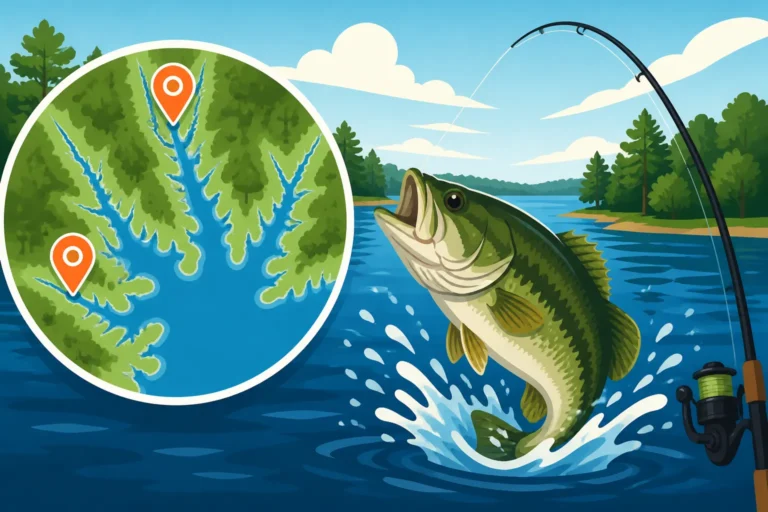
- GPS and Mapping: Detailed lake maps (physical or on your electronics) show contours, creek channels, and points. Mark productive spots, brush piles you find, and areas where you’ve caught fish. This historical data becomes invaluable for future trips. Don't be afraid to pull up your mapping and look for those subtle breaks and humps that other anglers might overlook.
- Waypoints and Notes: When you find a good spot, drop a waypoint immediately. Add notes about the depth, cover, time of year, and what you caught it on. This builds a personal database of knowledge.
Hiring a Guide for Lake Hartwell
If you're new to Lake Hartwell or just want to drastically cut down your learning curve, consider hiring a local fishing guide. A seasoned guide will have years of experience on the lake, intimately knowing the seasonal patterns, current hotspots, and effective techniques. They'll also provide all the necessary gear and boat, allowing you to focus purely on fishing.
Platforms like FishingBooker are excellent resources for finding reputable, experienced guides specializing in Lake Hartwell largemouth bass. You can browse profiles, read reviews from other anglers, and compare prices to find the perfect match for your trip. Many guides offer half-day or full-day trips and can teach you the specific tactics that work best on this particular lake, often sharing local insights that you simply can't find in a guide book. It's an investment that can pay dividends in knowledge and, hopefully, in big bass.
Keeping It Legal and Sustainable
Always remember to follow all Georgia fishing regulations, including possessing a valid Georgia Fishing License Guide and adhering to size and creel limits for largemouth bass. Releasing larger bass, especially those over 18-20 inches, helps ensure the health and future of Lake Hartwell's trophy fishery. Use proper catch-and-release techniques to minimize stress on the fish.
Disclaimer
Fishing conditions and regulations can change. Always check the latest Georgia Department of Natural Resources (DNR) guidelines before heading out. This guide provides general information and recommendations based on common fishing practices and available data.