Best Fishing Spots on Lake Oconee for Beginners
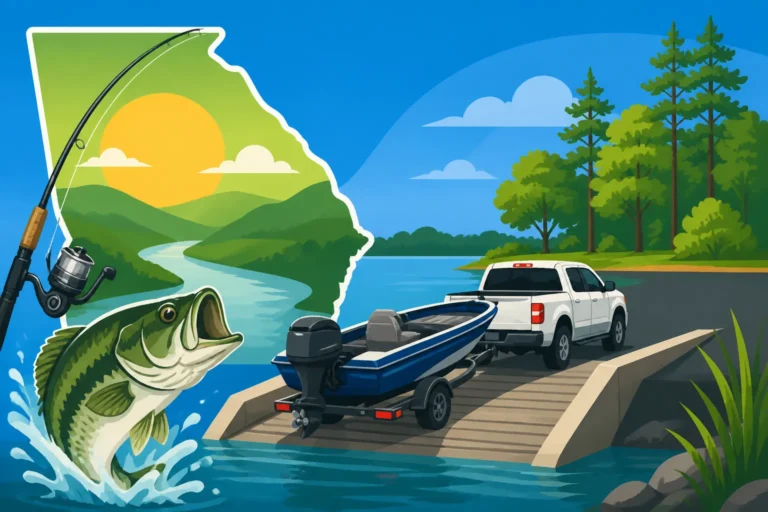
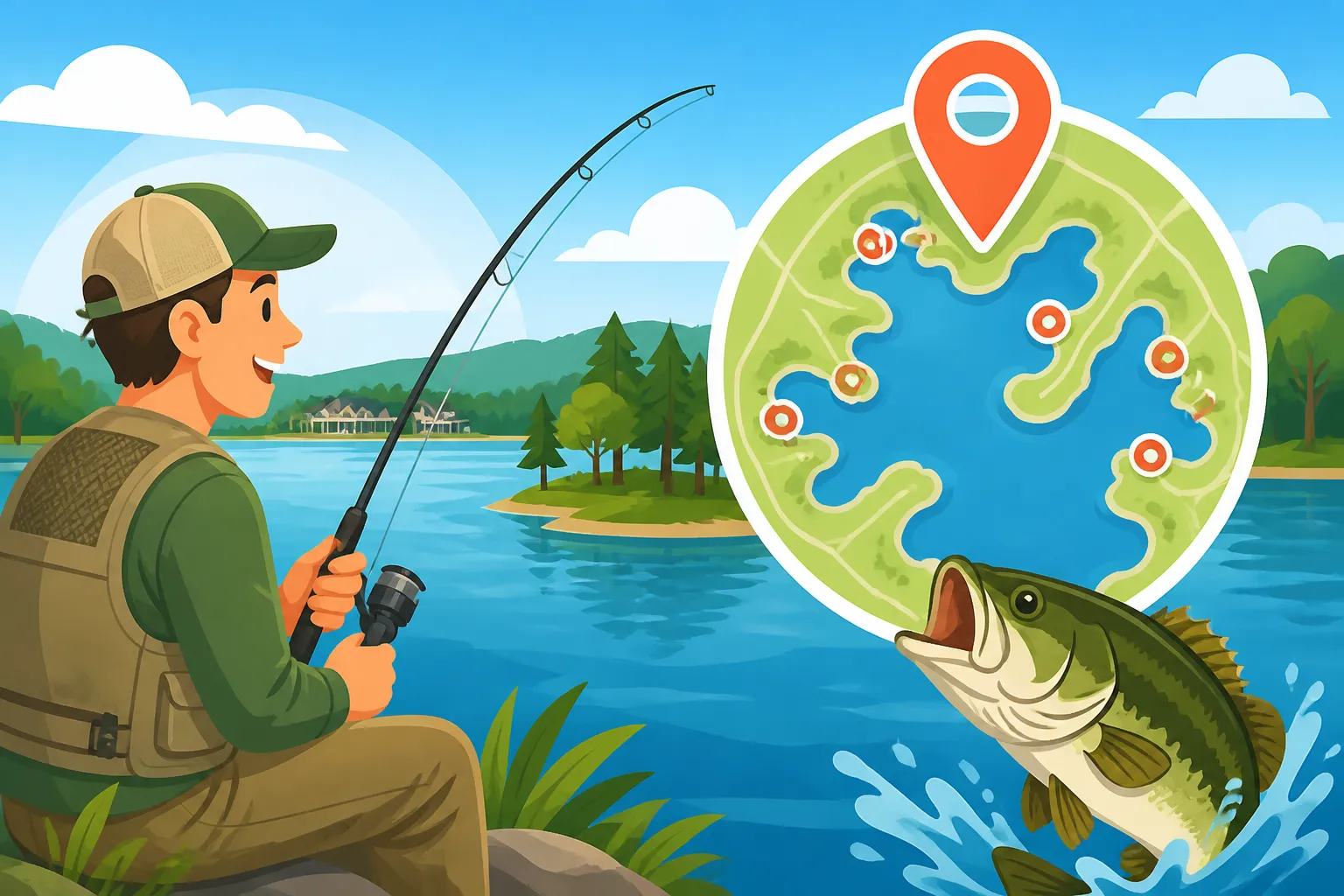
Navigating a new lake, especially one as vast and popular as Lake Oconee, can feel incredibly overwhelming when you’re just starting out in the world of fishing. It’s tough to know where to even drop a line without feeling like you’re in the wrong place or missing out on the action. This comprehensive guide is here to cut through that confusion, pointing you toward the most accessible and productive fishing spots on Lake Oconee that are absolutely perfect for beginners, ensuring you have a fun and successful first outing.
Understanding Lake Oconee for the Novice Angler
Lake Oconee, often overshadowed by its bigger, busier neighbor Lake Lanier, holds a special charm for anglers, especially those just getting their feet wet. It’s a hydroelectric reservoir on the Oconee River, forming a sprawling body of water known for its excellent bass, crappie, and hybrid striped bass fishing. What makes it particularly beginner-friendly? Its shoreline offers a good mix of public access points, relatively calm coves, and less intimidating stretches compared to some other Georgia lakes. You don't always need a fancy bass boat to find success here, which is a huge relief for many newcomers.
The lake itself is part of the Oconee River system, fed by the Oconee and Apalachee rivers. This constant flow, managed by Georgia Power, means water levels are generally stable, which is a blessing because fluctuating water can make finding fish much harder for beginners. You won't be guessing if the fish are in newly flooded timber one day and deep channels the next. Plus, with numerous marinas, public ramps, and even some dedicated fishing areas, finding a spot to launch a boat or simply cast from shore is usually a breeze. It’s also known for its strong populations of panfish like bluegill and shellcrackers, which are fantastic targets for youngsters and anyone looking to get consistent bites and build confidence.
What Makes a Spot Beginner-Friendly?
When we talk about "beginner-friendly" fishing spots, we're not just talking about places that hold fish. We're thinking about a few key factors that make the experience less stressful and more enjoyable for someone new to the sport:
- Easy Access: Can you get there without a four-wheel drive or a massive boat? Are there parking lots, paved ramps, or simple trails to the bank? For many, the easier the access, the more likely they are to try it. Nobody wants to wrestle with a boat trailer for an hour just to get on the water for the first time.
- Shelter from Wind and Boat Traffic: Large open expanses of water can be intimidating. High winds make casting difficult, and heavy boat traffic creates choppy waters, making it hard to feel subtle bites or even just enjoy the peace. Beginner spots should ideally be in coves or protected areas.
- Predictable Fish Behavior: While no fishing is ever 100% predictable, some areas consistently hold certain species, especially easier-to-catch panfish or smaller bass. Knowing what you're likely to target helps a lot.
- Simple Techniques Work: Spots where a basic worm and bobber setup, or a simple spinnerbait, can get you bites are ideal. You don’t want to be fumbling with complex rigs or expensive electronics on your first few trips.
- Safety: Good visibility, not too secluded, and generally safe surroundings are important for peace of mind, especially if you're fishing with family.
Considering these factors, Lake Oconee offers a wealth of options that are perfect for those just starting their fishing journey. If you're looking for an even more guided approach, considering a trip with a local guide can be incredibly helpful. Websites like FishingBooker allow you to find and book experienced local captains who specialize in taking beginners out on Lake Oconee, providing all the gear and expertise you need to ensure a successful day on the water.
Top Bank and Dock Fishing Spots for Easy Access
For many beginner anglers, especially those without a boat, bank fishing or casting from a dock is the most straightforward way to get started. Lake Oconee has several fantastic options that offer easy access and a good chance of catching fish. These spots are often well-maintained and provide a safe, comfortable environment for learning the ropes.
Fishing from Public Piers and Docks
Public piers and docks are a goldmine for beginners. They provide immediate access to deeper water than you might find along a shallow bank, often attracting various species. Plus, they’re generally sturdy, flat surfaces that make casting and moving around much easier.
-
Lake Oconee Parks: Several county parks around Lake Oconee offer excellent public fishing piers. One prime example is the Oconee Springs Park pier. It extends into the lake and often provides access to good depths where crappie and bluegill congregate around submerged structures or brush piles installed by local anglers. Another fantastic option is the fishing pier at Lawrence Shoals Park. This pier is known for offering good access to both panfish and bass, especially during the spring and fall. The key here is patience and observation. Watch where other anglers are casting and what they’re catching. A simple worm under a bobber for bluegill or a small jig for crappie can be very effective. These piers often have nearby amenities like restrooms and picnic areas, making them ideal for a family outing. When you’re looking to get comfortable with the basics, places like these are invaluable. For a deeper dive into general access, check out our guide on Lake Oconee Boat Ramp Fishing Access.
-
Marinas and Resorts with Public Access: While some marinas are private, many larger resorts around Lake Oconee, like the Ritz-Carlton Reynolds, Lake Oconee, might offer public access points or guided fishing excursions from their docks. Even if you don’t stay there, sometimes their adjacent public areas or smaller, lesser-known docks nearby can be productive. Always be respectful of private property, but keep an eye out for any public access points or small community docks that might welcome respectful anglers. These areas often have lights at night, which can attract baitfish and, consequently, bigger predators like crappie and hybrid striped bass, offering a unique night fishing experience for beginners.
Productive Shoreline Fishing Areas
If a pier isn't your style, or you prefer a more natural setting, there are still plenty of shoreline opportunities. The trick is finding spots that aren't too shallow or choked with vegetation, making casting difficult.
-
Roadside Pull-offs and Bridges: Along many of the causeways and roads that cross Lake Oconee, you'll find small pull-off areas where you can safely park and walk down to the water's edge. Fishing near bridges can be particularly effective because the bridge pilings and rip-rap (rocky banks) provide excellent cover and structure for fish. Highway 16 and Highway 44 crossings often have such spots. Be extremely cautious of traffic and currents, especially if the water is moving quickly after generation from Wallace Dam. A simple Carolina rig with a plastic worm or a live shiner can work wonders for bass and catfish in these areas. You might also find a small bream population close to the bank. These spots are often less crowded than dedicated parks, offering a more peaceful experience.
-
Lick Creek and Richland Creek Entry Points: These two major creeks are popular among all anglers on Lake Oconee, but their entry points near the main lake offer great bank fishing opportunities, especially where smaller feeder creeks or culverts meet the main body. The Lick Creek and Richland Creek Fishing Spots on Lake Oconee are legendary, and for good reason! Here, the water is often a bit shallower and warms up faster in the spring, attracting baitfish and hungry bass. Look for areas with fallen trees, submerged brush, or rocky points. A weedless Texas rig with a soft plastic worm or a simple spinnerbait can be very effective here. These spots often require a bit of walking to find the best access, so wear comfortable shoes and bring only essential gear. These areas offer excellent opportunities for catching black bass species, which tend to patrol these calmer, shallower waters.
| Beginner-Friendly Spot Type | Target Species | Recommended Gear/Technique | Pros for Beginners | Cons for Beginners |
|---|---|---|---|---|
| Public Piers & Docks | Bluegill, Crappie, Catfish, small Bass | Worm & bobber, small jigs, cut bait | Easy access, stable surface, often amenities nearby | Can be crowded, less "wild" experience |
| Roadside/Bridge Areas | Bass, Catfish, Bream | Carolina rig, spinnerbait, live bait | Good structure, less crowded, quick stops | Traffic noise, potentially fast currents |
| Creek Mouths (Shoreline) | Bass, Bream, Crappie | Texas rig, spinnerbait, shallow crankbaits | Natural cover, good fish holding areas, quieter | May require walking, uneven terrain |
Exploring Beginner-Friendly Coves and Creek Arms by Boat or Kayak
Once you're ready to venture beyond the bank or pier, Lake Oconee truly opens up. You don't need a huge bass boat to explore its potential. A small jon boat, an aluminum fishing boat, or even a kayak can provide access to countless hidden gems. These smaller craft allow you to get into quieter coves and creek arms where the fishing pressure might be lighter, and the environment is much more serene.
Calm Coves and Protected Inlets
The sheer number of coves and inlets on Lake Oconee is astounding. For beginners, these areas offer refuge from the main lake’s chop and boat traffic, creating a more relaxed fishing experience.
-
Lick Creek and Richland Creek Upper Reaches: While the main entry points of Lick Creek and Richland Creek are good for shore anglers, taking a small boat or kayak further up these creeks can be incredibly rewarding. The further you go, the more the water narrows and becomes more riverine, often shallower and with more natural cover like fallen trees and submerged stumps. These areas are fantastic for largemouth bass, especially during the spring and fall. Look for submerged brush piles, boat docks, and natural points. A simple worm (Texas-rigged to avoid snags) or a small crankbait can be incredibly effective here. The calm waters make it easy to maneuver a kayak, allowing for stealthy approaches to fish-holding cover. This is where you might find some of the Best Bass Fishing Coves on Lake Oconee.
-
Coves off the Main River Channel: Beyond the major creeks, many smaller, unnamed coves branch off the main Oconee River channel, especially on the eastern side of the lake. These coves often have residential docks, which are prime fish habitat. Fish love to hide under and around docks, using them for shade and ambush points. For beginners, casting parallel to docks with a weightless worm or a small jig can be very productive for bass and crappie. Remember to be courteous and give residents their space. Focus on docks that have brush piles or deeper water nearby. These areas are also great for family outings, as the protected waters are safer for younger anglers learning to cast.
Navigating Brush Piles and Submerged Structures
Lake Oconee is famous for its abundance of natural and man-made fish attractors. Many anglers and Georgia Power have sunk brush piles to create habitat, and these are magnets for fish.
-
Locating Brush Piles: While seasoned anglers use advanced electronics to pinpoint these underwater treasures, beginners can often find them by looking for visual cues on the surface. Sometimes, a subtle ripple pattern, a slightly different water color, or even buoys placed by other anglers can indicate a brush pile below. Another common tactic is to look for areas where boats are frequently congregating – chances are, they're fishing a known brush pile or submerged structure. If you're renting a boat or hiring a guide, they will almost certainly know where these spots are. For anyone interested in finding a local guide to show them the ropes, FishingBooker offers a great way to connect with professional captains who specialize in navigating Lake Oconee's hidden gems and can introduce you to these productive structures.
-
Fishing Techniques for Structures: Once you've found a brush pile or submerged timber, the key is to fish it slowly and thoroughly. For crappie and bluegill, a small jig tipped with a minnow or a piece of Berkley PowerBait on a light line, dropped right into the cover, is hard to beat. For bass, a Texas-rigged plastic worm or creature bait that can be worked through the snags is ideal. The goal is to present your bait right where the fish are hiding, so don't be afraid to cast repeatedly to cover all angles of the structure. Learning to identify these fish-holding features is a fundamental skill that will serve you well in any fishing environment.
Target Species and Simple Techniques for First-Timers
One of the beauties of Lake Oconee for beginners is the variety of fish you can catch, many of which respond well to simple, straightforward techniques. You don't need a tackle box overflowing with hundreds of lures to have a successful day. Focusing on a few key species and mastering basic presentations will give you the best chance of putting fish in the boat or on the bank.
Panfish: The Beginner's Best Friend
Bluegill and other sunfish, often collectively called "bream" in the South, are arguably the best fish for beginners, especially kids. They are abundant, aggressive, and can be caught on the simplest tackle.
-
Bluegill (Bream): These feisty little fish are everywhere on Lake Oconee, especially in shallower coves, around docks, and near vegetation. They are eager biters and provide constant action, which is fantastic for keeping spirits high.
- Technique: A small hook (size 8 or 10) baited with a piece of a red wiggler worm, a crickets, or even a tiny piece of bread under a bobber is all you need. Cast it near docks, fallen trees, or lily pads, and watch that bobber disappear! They often hang out in schools, so if you catch one, there are likely many more. This is a classic Bream and Bluegill Fishing for Beginners scenario.
- Gear: A simple spinning rod and reel combo, light line (4-6 lb test), a small split shot weight, and a bobber. This setup is inexpensive and easy to use. Learning How to Teach a Kid to Fish for Bluegill starts here!
-
Crappie: Known for their delicious table fare, crappie are also excellent targets for beginners, especially in the cooler months. They tend to congregate in schools around structure like brush piles and docks.
- Technique: Small jigs (1/16 to 1/8 oz) tipped with a minnow or a soft plastic grub are deadly. You can either cast them out and slowly retrieve, or simply drop them vertically next to structure. Pay attention to how deep you’re getting bites; crappie often hold at a specific depth.
- Gear: A light to ultralight spinning rod (5-6 feet), 4-pound test line, and a variety of small jigs in different colors. This specific target often requires a slightly more nuanced approach than bluegill but is still very manageable for new anglers.
Black Bass: The Thrill of the Catch
Lake Oconee is a renowned bass fishery, and while targeting trophy largemouths can be challenging, catching smaller "keeper" size bass is very achievable for beginners. The lake holds largemouth and spotted bass.
- Largemouth and Spotted Bass: These popular sportfish offer a more exciting fight than panfish and are a great next step for beginners. They often relate to cover and structure, making them somewhat predictable.
- Technique: A Texas-rigged plastic worm is a fantastic beginner lure for bass. It's weedless, so you can cast it into brush and cover without getting snagged constantly. Cast it, let it sink, and slowly drag or hop it along the bottom. Another great option is a simple spinnerbait, which you can cast and retrieve steadily, letting the blades do the work. Remember, bass often strike as the lure falls or changes direction. The Best Time of Year to Catch Bass at Lake Oconee, Georgia is typically spring and fall.
- Gear: A medium-action spinning or baitcasting rod (6.5-7 feet), 8-12 lb test fluorocarbon or monofilament line, and a selection of plastic worms (green pumpkin, black, junebug colors) and a few spinnerbaits (white, chartreuse). If you're looking for guidance on gear, consider checking out articles like Best Spinning Reel for Beginners for a good starting point.
Hybrid Striped Bass: The Powerhouse Fight
Lake Oconee is also known for its feisty hybrid striped bass, a cross between striped bass and white bass. These fish fight hard and are incredibly fun to catch. While they can be a bit more elusive, they offer a thrilling experience for a beginner.
- Hybrid Striper: These fish are often found in open water, chasing schools of baitfish, or around the main lake points and humps. They can be caught at various depths.
- Technique: Live bait is often the most effective way to catch hybrid stripers, especially live shad or shiners fished on a freeline or under a bobber. For artificial lures, a chrome or silver spoon jigged vertically, or a fast-moving crankbait retrieved through schooling fish, can provoke aggressive strikes. Trolling can also be very effective. This is how Where to Catch Hybrid Striped Bass on Lake Oconee is often done.
- Gear: A medium-heavy spinning or baitcasting rod, 15-20 lb test monofilament or fluorocarbon line, and a selection of appropriate live bait rigs, spoons, or crankbaits. For beginners, hiring a guide who specializes in hybrid stripers on Lake Oconee is highly recommended, as they have the expertise and equipment to put you on these powerful fish. Again, checking out platforms like FishingBooker can help you find such specialized guides.
No matter which species you target, remember that fishing is a journey of learning. Don't get discouraged by slow days, and celebrate every catch, no matter how small. Focus on enjoying the beautiful surroundings and the process of connecting with nature.
Setting Up for Success: Essential Tips for Lake Oconee Beginners
Having the right gear and knowledge can make all the difference, but it doesn't have to be complicated or expensive. The goal for a beginner is to keep it simple, functional, and fun.
Basic Gear and Tackle List
You don't need to break the bank to get started. Here's a stripped-down list of essentials for fishing Lake Oconee as a beginner:
- Rod and Reel Combo: A medium-light or medium action spinning combo, roughly 6 to 7 feet long. This is versatile enough for panfish, bass, and even smaller hybrids. Brands like Ugly Stik or Shakespeare offer durable, affordable options.
- Fishing Line: 6-10 lb monofilament line is a great all-around choice. It’s easy to tie knots with and has some stretch, which can be forgiving for new anglers.
- Hooks: A variety of sizes (e.g., #8 for bluegill, #1 for crappie, 2/0 or 3/0 worm hooks for bass).
- Weights: Small split shot weights for bobber fishing, and bullet weights (1/8 to 1/4 oz) for Texas rigging plastic worms.
- Bobbers: Small clip-on bobbers are perfect for panfish.
- Lures/Bait:
- Live Bait: A container of red wiggler worms or nightcrawlers (for bluegill, crappie, catfish, small bass).
- Artificial Lures: A pack of soft plastic worms (e.g., Senkos or ribbon tail worms in green pumpkin or black), a few small jigs (1/16-1/8 oz in chartreuse, white, or black for crappie), and perhaps one or two small spinnerbaits.
- Tools: Small pair of pliers (for removing hooks), line clippers, a small tackle box or bag to keep things organized.
- Essentials: Sunscreen, hat, polarized sunglasses (helps see fish and protect eyes), water, snacks, a small cooler for drinks or fish, and a small first-aid kit.
- License: Don't forget your Georgia Fishing License Guide! You can even get your Georgia Fishing License Renewal Guide or initial purchase done easily online. Remember, even kids need to know the rules, so understand Do Kids Need a Fishing License in Georgia?.
Learning the Ropes and Staying Safe
Fishing is a lifelong journey of learning, but some fundamental tips can help beginners on Lake Oconee get off to a great start.
- Practice Casting: Before you even get to the water, practice casting in your yard. Get comfortable with the motion and accuracy. This will save you a lot of frustration and snagged lines.
- Learn a Few Basic Knots: The Improved Clinch Knot is excellent for tying hooks and lures. A Palomar Knot is also incredibly strong and easy to learn. Don't overwhelm yourself with too many; just master a couple.
- Start Simple: Don't try to master every technique on your first trip. Stick to a bobber and worm for panfish, or a Texas-rigged worm for bass. Focus on feeling bites and setting the hook. This is part of mastering Basic Fishing Techniques Every Beginner Should Know.
- Observe and Adapt: Pay attention to what's happening around you. Are other anglers catching fish? What are they using? If one spot isn't working, don't be afraid to move to another. Fish often move throughout the day based on light, temperature, and food availability.
- Respect the Regulations: Always know the Georgia Fishing Regulations Explained for Lake Oconee, especially regarding size and creel limits for different species. This ensures you're fishing legally and helping to maintain healthy fish populations.
- Boating Safety: If you're using a boat or kayak, safety is paramount. Always wear a life jacket, especially if you're a beginner or not a strong swimmer. Inform someone of your float plan, and check the weather forecast before heading out. Lake Oconee can get windy, and storms can roll in quickly. Make sure you understand Georgia Life Jacket Laws for Boaters and Kids.
- Consider a Guide: For the ultimate beginner experience, especially if you're feeling intimidated, consider hiring a local fishing guide. They know Lake Oconee inside and out, provide all the necessary gear, and can teach you invaluable tips and tricks specific to the lake. As mentioned, platforms like FishingBooker make it easy to find and book experienced guides who cater to beginners and families. They can take you right to the most productive spots, like the best dock fishing spots on Lake Oconee, and show you exactly what to do, turning what could be a frustrating day into a memorable success.
Fishing on Lake Oconee as a beginner doesn't have to be a struggle. By focusing on accessible spots, understanding the basics of targeting common species, and keeping your gear simple, you'll be well on your way to enjoying everything this beautiful Georgia lake has to offer. Tight lines and happy fishing!
Disclaimer
Please note that fishing conditions, regulations, and fish behavior can change. Always consult the latest Georgia Department of Natural Resources (DNR) regulations before heading out. This guide provides general information and recommendations, but local conditions can vary. Exercise caution and practice responsible angling at all times.