Georgia State Parks with the Best Fishing Ponds
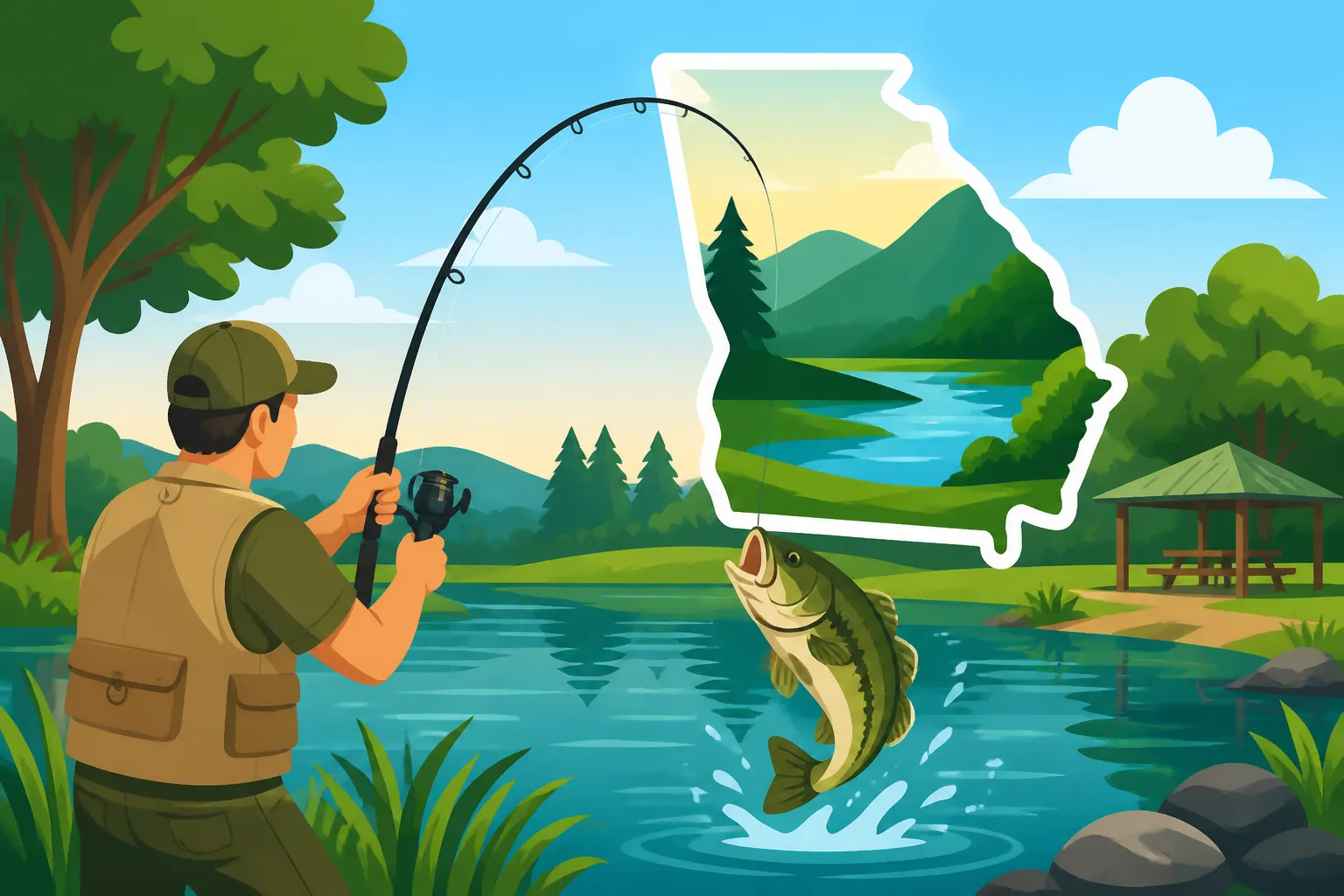
It can be incredibly frustrating to find a great fishing spot that's not only productive but also accessible, especially if you’re fishing with family or are relatively new to the sport. So many fantastic places require a boat or knowledge of tricky river currents, leaving many of us wondering where we can simply cast a line from the bank and enjoy a peaceful day. This guide is all about shining a light on Georgia's state parks and similar state-managed areas that offer some of the best fishing ponds, perfect for a relaxing outing, learning the ropes, or making cherished memories with loved ones.
Why Georgia's State-Managed Areas are a Goldmine for Pond Anglers
When you're looking for a low-key, accessible fishing experience, Georgia's state parks and wildlife management areas (WMAs) are truly hidden gems. These spots are often specifically designed with the everyday angler in mind, offering a stark contrast to the vast, sometimes intimidating, waters of our larger reservoirs. You won't typically find massive bass boats zipping around, creating wakes and chaos. Instead, you'll discover tranquil ponds and smaller lakes that are carefully managed by the Georgia Department of Natural Resources (DNR), ensuring healthy fish populations and a pleasant environment for everyone.
Accessibility and Family-Friendly Features
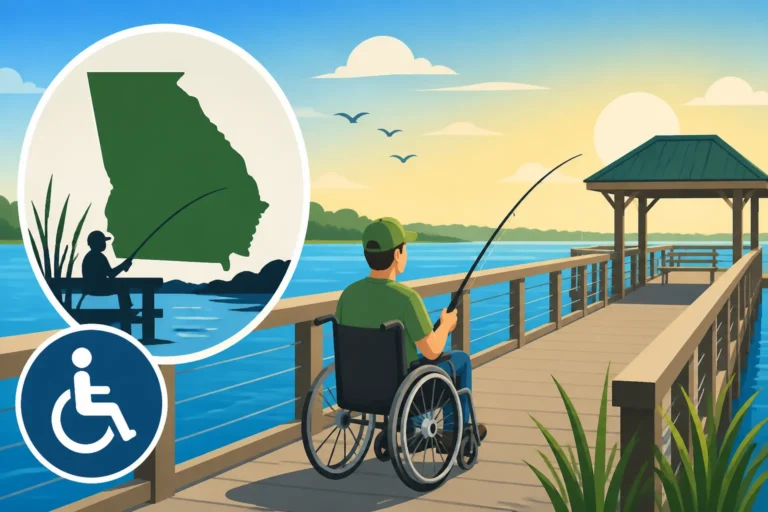
One of the biggest draws of these state-managed fishing ponds is their incredible accessibility. Many boast paved parking lots, well-maintained trails, and dedicated fishing piers or bank access points that make it easy for anglers of all ages and abilities to get right to the water's edge. This is a huge relief for parents introducing their kids to fishing, or for seniors who appreciate a gentle stroll rather than a rugged hike. You'll often find clean restrooms, picnic areas, and playgrounds nearby, transforming a simple fishing trip into a full family day out. It's about more than just catching fish; it's about creating an inviting space where everyone can enjoy Georgia's beautiful outdoors without feeling overwhelmed. Think about those weekends when you just want to grab a couple of rods, a cooler, and not worry about navigating complex boat ramps or crowded shorelines. These parks are exactly for those moments. For a broader look at places suitable for all ages, check out our guide on Great Fishing Spots for Kids and Families in Georgia.
Stocked Waters and Managed Fisheries
What truly sets many of these state park ponds apart is the active management by the Georgia DNR. They often stock these waters with popular sportfish like channel catfish, bream (bluegill, redear sunfish), and sometimes even largemouth bass. This regular stocking, combined with sensible fishing regulations, means you have a much higher chance of actually hooking something. It takes a lot of the guesswork out of finding fish, which can be a huge confidence booster for new anglers. The DNR fisheries biologists work tirelessly to monitor fish health, habitat, and growth rates, often implementing specific rules to maintain a balanced ecosystem. For instance, some ponds might have special catch-and-release rules for certain species or daily creel limits designed to spread the catch among more anglers. It's this proactive approach that keeps these smaller bodies of water vibrant and productive year after year. If you're wondering about the specific freshwater regulations that apply, our Georgia Freshwater Fishing Rules article offers a comprehensive overview.
Top Georgia State-Managed Areas with Exceptional Fishing Ponds
While many state parks offer some form of fishing, certain locations truly stand out for their dedicated fishing ponds and overall angler experience. These are the places where the focus is squarely on providing a quality bank-fishing opportunity, often with special amenities or management strategies that enhance your chances of success.
Charlie Elliott Wildlife Center's Marben Farm Public Fishing Area (PFA)
Let's start with a powerhouse, even if it's technically a Wildlife Management Area rather than a traditional state park: the Charlie Elliott Wildlife Center (CEWC) in Mansfield. This place is an absolute angler's paradise, especially if you're looking for pond fishing. The Marben Farm PFA within CEWC boasts over 20 lakes and ponds, ranging from small, intimate one-acre spots to larger 95-acre lakes. These aren't just any ponds; they're intensively managed by the DNR to provide excellent fishing for largemouth bass, channel catfish, bluegill, and redear sunfish.
Imagine this: you pull up, find a quiet spot along the bank of a pond like Bennett Lake or Beaverdam Lake, and cast your line into waters where you know a healthy population of fish awaits. Many of these ponds are regularly fertilized and limed to increase productivity, meaning more forage and bigger fish. There are even specialized youth fishing ponds designed to maximize catch rates for kids, making it an ideal destination for a child's first fishing experience. They often have designated fishing platforms, accessible pathways, and plenty of open bank space. It’s truly a testament to what dedicated state management can achieve for public fishing. If you're ever looking for a guided trip to explore specific areas like these, a platform like FishingBooker can help you find local guides familiar with the nuances of CEWC's various ponds, ensuring you hit the most productive spots.
Victoria Bryant State Park's Lakes
Tucked away in Commerce, Victoria Bryant State Park offers two small lakes (often referred to as ponds due to their size) that provide fantastic fishing opportunities. These lakes are regularly stocked with channel catfish and managed for a healthy population of largemouth bass, bluegill, and crappie. The park provides excellent bank access, including a fishing pier on the larger lake, making it very family-friendly.
It’s the kind of place where you can easily spend a whole day. You can fish from the pier, find a shady spot under a tree along the bank, or even bring a small jon boat or kayak (with electric motors only) to explore more of the water. The serene atmosphere is a major plus, allowing you to truly unwind while waiting for a bite. If you're a fan of panfish, these lakes can offer some excellent action for bream. Just imagine teaching your kids how to feel that subtle tug on the line, or enjoying the quiet solitude as you try to outsmart a seasoned bass. It’s a classic Georgia fishing experience on a smaller, more manageable scale.
F.D. Roosevelt State Park's Lake Delanor
Located in Pine Mountain, F.D. Roosevelt State Park, Georgia's largest state park, isn't just about hiking and scenic overlooks. It also features Lake Delanor, a smaller, managed lake that offers excellent fishing for bass, bream, and catfish. While the park has larger bodies of water, Lake Delanor specifically provides that intimate pond-like experience many anglers seek.
The lake is known for its quiet charm and is often less crowded than other fishing spots, making it perfect for a peaceful day. Bank access is good, and you can also launch small boats. The DNR actively manages Lake Delanor, sometimes stocking it to ensure consistent fishing. It’s a beautiful spot, surrounded by the stunning scenery of the Pine Mountain ridge, offering a refreshing escape from the hustle and bustle. Many anglers report consistent catches of bluegill and catfish here, making it a reliable spot for those looking for some steady action without needing specialized gear.
Gordonia-Alatamaha State Park's Lake
Down in Reidsville, Gordonia-Alatamaha State Park offers a lovely 12-acre lake that fits the "pond" criteria perfectly. This tranquil lake is a local favorite for catching largemouth bass, bream, and channel catfish. The park has a convenient fishing pier and ample bank access, making it very inviting for a casual fishing trip.
What's great about this park is its quiet, laid-back vibe. It's not usually overrun with crowds, which means more peaceful casting time for you. The lake is well-maintained and regularly monitored by the state to ensure good fishing conditions. It's an ideal spot for a relaxing afternoon, whether you're bringing a bucket of worms and bobbers for bream or trying to tempt a bass with a soft plastic lure. Plus, the park offers other amenities like golf and camping, so you can easily turn your fishing trip into a full weekend getaway.
Here's a quick comparison of these fantastic state-managed fishing spots:
| Location | Primary Fish Species | Key Fishing Features | Best For | Accessibility |
|---|---|---|---|---|
| Charlie Elliott Wildlife Center (Marben Farm PFA) | Largemouth Bass, Channel Catfish, Bluegill, Redear Sunfish | Over 20 managed lakes/ponds, youth ponds, piers | Consistent action, family trips, learning | Excellent bank access, many piers, accessible |
| Victoria Bryant State Park | Largemouth Bass, Channel Catfish, Bluegill, Crappie | Two small managed lakes, fishing pier | Tranquil setting, diverse catch | Good bank access, pier, small boat launch |
| F.D. Roosevelt State Park (Lake Delanor) | Largemouth Bass, Bream, Channel Catfish | Smaller managed lake, scenic mountain setting | Peaceful solitude, nature immersion | Good bank access, small boat launch |
| Gordonia-Alatamaha State Park | Largemouth Bass, Bream, Channel Catfish | 12-acre managed lake, fishing pier | Relaxed atmosphere, combined with camping/golf | Good bank access, pier |
Essential Tips for Successful State Park Pond Fishing
Fishing in state park ponds, while generally easier than larger bodies of water, still benefits from a few tried-and-true techniques and considerations. A little planning can go a long way in turning a good day into a great one.
Gear and Bait for Pond Success
You don't need fancy, expensive gear to have a blast at these ponds. A simple spinning rod and reel combo, in a medium-light or medium action, is usually perfect. For lines, 6 to 10-pound test monofilament or fluorocarbon is versatile enough for most species you'll encounter. Remember, many of these ponds are relatively clear, so lighter line can sometimes make a difference. For some specific recommendations on setups that work well across Georgia, take a look at our guide on Best Rods and Reels for Georgia Fishing.
When it comes to bait, simplicity often reigns supreme.
- For Bream and Bluegill: Live worms (red wigglers or nightcrawlers), crickets, or small artificial jigs (like tiny grub-tailed plastics in chartreuse or white) under a bobber are deadly effective. These panfish are often the easiest to catch, making them perfect for beginners. For more on catching these common species, check out Bream and Bluegill Fishing for Beginners.
- For Catfish: Stink baits, chicken livers, cut bait (like pieces of hot dog), or even large worms fished on the bottom with a slip-sinker rig are highly productive.
- For Largemouth Bass: Smaller plastic worms (Texas-rigged or wacky-rigged), spinnerbaits, chatterbaits, or small crankbaits can work wonders. Early morning or late evening often provides the best bass bite.
The key is to match your bait to the size of the fish you're targeting and to what they might naturally be eating. Don't be afraid to experiment!
Best Times and Conditions
Just like any fishing, timing can play a crucial role.
- Early Morning and Late Evening: These are prime times for most pond fish, especially bass and crappie, as they become more active when the sun isn't directly overhead and water temperatures are more comfortable.
- Overcast Days: Cloudy weather often means fish will be more active throughout the day, as the dim light makes them feel safer and less prone to seeking deep cover.
- After a Rain Shower (but not during heavy rain): A light rain or just after a storm can stir up insects and nutrients, often sending fish into a feeding frenzy. However, avoid heavy thunderstorms for safety reasons!
- Seasonal Patterns: Fish behavior changes throughout the year. Spring often means fish are shallower for spawning, while summer might push them to deeper, cooler water. Fall can see a strong feeding bite as they prepare for winter. Our Georgia Fishing Seasons by Month article dives deeper into these patterns.
Etiquette and Regulations
Always be mindful of park rules and fishing regulations. This includes possessing the proper Georgia fishing license. If you're unsure if you need one, our Georgia Fishing License Guide is a great resource. Also, remember that kids typically don't need a license under a certain age, but it's always good to double-check the current rules for Do Kids Need a Fishing License in Georgia?.
Beyond licenses, practice good etiquette:
- Leave No Trace: Pack out everything you pack in, including fishing line, bait containers, and food wrappers.
- Respect Other Anglers: Give others space, especially on crowded piers or banks.
- Follow Catch Limits: Adhere to any specific size or creel limits for the pond you're fishing. These limits are put in place to ensure healthy fish populations for everyone.
- Proper Catch and Release: If you're releasing fish, do so quickly and carefully to minimize stress.
Making the Most of Your State Park Fishing Adventure
A trip to a state park fishing pond can be so much more than just a fishing trip. It’s an opportunity to connect with nature, spend quality time with loved ones, and perhaps even discover a new favorite outdoor hobby. Thinking beyond just the catch can truly elevate the experience.
Planning Your Trip: Licenses, Permits, and Accommodations
Before heading out, always ensure you have the necessary documentation. A valid Georgia fishing license is paramount for anyone over the age of 16 (unless otherwise exempt). You can often purchase these online, over the phone, or at authorized license agents. Specific state parks or WMAs like Charlie Elliott might have additional permit requirements for certain activities, so it’s wise to check their individual websites or call ahead.
Many state parks offer fantastic accommodations, from primitive campsites to fully equipped cabins. Consider turning your fishing day trip into a weekend adventure. Imagine waking up, stepping out of your cabin, and being just a short walk away from a peaceful fishing pond. This can be especially appealing for families, offering a chance to combine fishing with hiking, birdwatching, or simply enjoying the natural surroundings. Exploring your options on a platform like FishingBooker can sometimes reveal local guides who operate near these parks, offering a unique perspective on the best spots and techniques.
Beyond the Bend: Exploring Other Park Amenities
The beauty of state parks is that they're typically multi-faceted recreational areas. Don't just focus solely on the fishing pond!
- Hiking Trails: Many parks boast miles of scenic trails, perfect for a pre-fishing stroll or a post-fishing exploration.
- Picnic Areas: Pack a lunch and enjoy it at one of the many picnic tables, often with grills available.
- Nature Centers: Some parks, especially larger ones like Charlie Elliott, have educational nature centers that offer fascinating insights into local wildlife and ecosystems, which can be particularly engaging for kids.
- Playgrounds: Essential for burning off excess energy after a successful (or even slow) fishing session with children.
Embrace the full experience these parks offer. It's about immersing yourself in the outdoors, whether you're actively reeling in fish or simply soaking in the tranquility of nature. These parks are truly some of the Best Bank Fishing Spots in Georgia because they cater to a broader outdoor experience, making them perfect for those days when you want to just relax and enjoy.
Disclaimer
Please remember that fishing conditions, regulations, and park amenities can change. Always check the official Georgia Department of Natural Resources (DNR) website and the specific state park's website for the most current information before planning your trip. It is your responsibility to know and follow all applicable fishing and boating laws.