Night Fishing Spots on Lake Lanier, Georgia
The sweltering heat of a Georgia summer day and the constant drone of boat traffic on Lake Lanier can sometimes make an otherwise enjoyable fishing trip feel more like a battle. For many anglers, the thought of wrestling with pleasure boats and jet skis while trying to find a quiet cove is enough to keep them off the water. But what if I told you that when the sun dips below the horizon and the lake quiets down, a whole new world of fishing opportunities opens up? This comprehensive guide will illuminate the best night fishing spots on Lake Lanier, offering strategies, gear advice, and essential safety tips to help you make the most of this tranquil and often highly productive time.
The Allure of Night Fishing on Lake Lanier
There's a certain magic that descends upon Lake Lanier once the sun sets. The vibrant blues and greens of the day give way to deep purples and grays, and the cacophony of daytime activities is replaced by the gentle lapping of water against the shore and the occasional splash of a feeding fish. This transformation isn't just aesthetic; it profoundly impacts the fishing experience, often for the better.
Escaping the Crowds and Heat
One of the most immediate and satisfying benefits of night fishing on Lake Lanier is the blissful escape from the crowds. During peak season, the lake can feel like a highway, with boats, jet skis, and swimmers making it challenging to navigate, let alone fish in peace. When you head out after dark, you'll find the main channels and popular coves are largely deserted, offering a tranquility that's hard to come by during daylight hours. This reduced pressure often means less wary fish and more consistent bites.
Beyond the crowds, the oppressive summer heat in Georgia can be a real deterrent for many anglers. Spending hours under the scorching sun can be uncomfortable, even dangerous. Night fishing provides a welcome reprieve from the heat, with cooler ambient temperatures making for a much more pleasant and extended outing. You can focus on your presentation and the subtle tug of a bite rather than constantly wiping sweat from your brow. It's a game-changer for summer comfort.
Furthermore, with fewer boats zipping across the water, the lake's surface remains calmer, making it easier to maneuver your own vessel and to detect those subtle bites that might be masked by chop during the day. This calmer environment also means less disturbance for the fish, allowing them to move more freely and predictably in their nocturnal feeding patterns. It's a win-win for both angler and quarry.
Nocturnal Fish Behavior
Many of Lake Lanier's most sought-after species, like bass, stripers, and catfish, exhibit distinct changes in behavior once night falls, often becoming more active and less cautious. These fish use the cover of darkness to their advantage, moving into shallower water or more exposed areas where they might hesitate during bright daylight hours.
Predatory fish, in particular, find their hunting instincts heightened in low light. Their lateral lines, which detect vibrations in the water, become incredibly effective, allowing them to zero in on unsuspecting baitfish. The dim light also reduces their visibility to prey, making ambushes more successful. This natural advantage for predators translates into increased feeding activity and, consequently, better chances for anglers.
For species like largemouth and spotted bass, the cooler water temperatures near the surface at night can stimulate feeding. They'll often push into shallow coves, around docks, and along rocky banks to chase baitfish, providing exciting topwater action or consistent bites on subsurface lures. Understanding these shifts in fish behavior is crucial for successful night fishing, turning a seemingly empty lake into a nighttime buffet for hungry fish.
Top Species to Target After Dark
Lake Lanier is teeming with various fish species, but some are particularly active and cooperative once the sun goes down. Knowing which fish to target can help you plan your night fishing strategy, choose the right gear, and increase your chances of a memorable catch.
Nighttime Largemouth and Spotted Bass
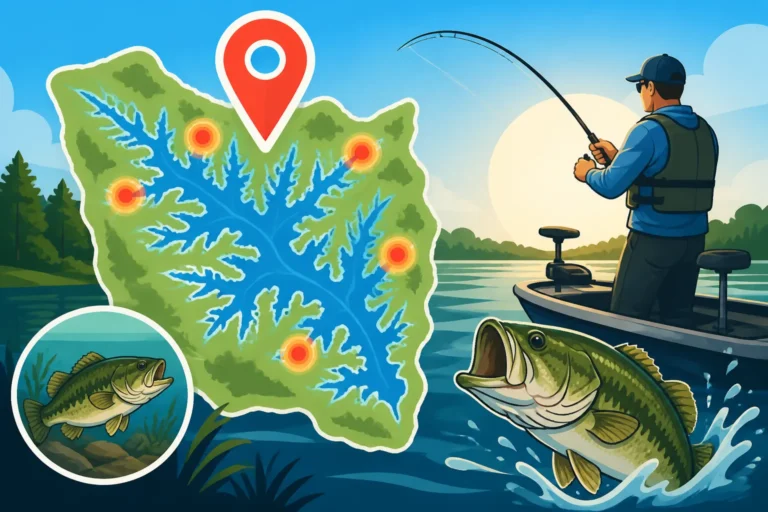
Bass are ambush predators by nature, and the low light conditions of night favor their hunting style. As darkness descends, both largemouth and spotted bass often move out from deep cover and push into shallower water, along points, humps, and around docks, to feed aggressively. They rely heavily on sound and vibration to locate prey, making certain lure presentations incredibly effective.
When targeting bass at night, consider using larger profile lures that displace more water. Dark-colored jigs, especially black and blue, create a strong silhouette against the moonlit sky or artificial light sources, making them easy for bass to detect. Slowly working a Texas rig or a Carolina rig along the bottom in these shallow areas can also produce strikes. For those who love topwater action, walking baits or buzzbaits fished near cover in shallow coves can trigger explosive strikes that are particularly thrilling in the dark. For a deeper dive into bass behavior, explore our guide on Best Time of Day to Fish for Bass.
Focus your efforts on areas with structural elements such as rocky points, submerged timber, or isolated brush piles in relatively shallow water. Bass will use these features for cover while waiting to ambush unsuspecting baitfish. Lighted docks can also be bass magnets, as the lights attract schools of bait, drawing in hungry bass looking for an easy meal. Many anglers consider the Best Spots for Bass Fishing on Lake Lanier to include these types of nighttime haunts.
Striped Bass Under the Lights
Striped bass are arguably one of the most exciting species to target at night on Lake Lanier, especially under the glow of artificial lights. Stripers are highly attracted to light sources, which in turn draw in massive schools of baitfish like blueback herring. This creates a natural feeding frenzy, making lighted areas prime locations for striper fishing.
The most common and effective technique involves using submersible green or white lights to create an illuminated zone beneath your boat. As baitfish gather around the light, the stripers will follow, often lurking just outside the brightest halo, ready to dart in and strike. Live bait, particularly lively blueback herring, is king for stripers at night. You can fish them on a free line or a downline at various depths. You can even find guides specializing in this unique technique on platforms like FishingBooker, ensuring you have the best chance at success.
Prime locations for setting up your lights include deep water humps, main lake points, and areas near river channels. These spots offer easy access to deep water where stripers can retreat during the day, but allow them to move up into the lighted feeding zone at night. Knowing Where to Catch Striped Bass on Lake Lanier, Georgia during the day can often give you clues for their nighttime movements as well, particularly around deeper structures.
Catfish on the Prowl
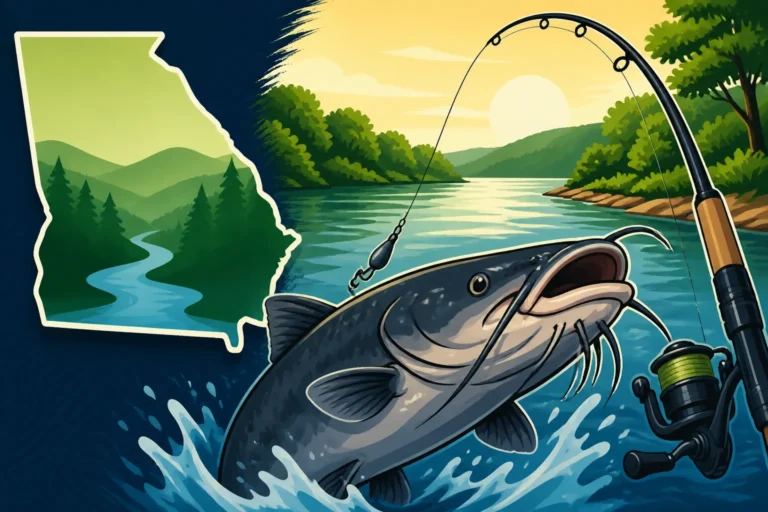
Catfish are naturally nocturnal feeders, making them an excellent target for night anglers on Lake Lanier. Both channel catfish and the larger blue catfish are abundant and often become more active after dark, using their keen sense of smell and barbels to locate food in low visibility.
For catfish, scent is paramount. The best baits include cut bait (like shad or herring), chicken liver, earthworms, or commercially prepared stink baits. Presenting these baits on the bottom, usually with a slip-sinker rig, is the most effective method. Use sturdy gear, as even average-sized catfish can put up a surprisingly strong fight. To really get into the specifics, check out our guide on Night Fishing Techniques for Catfish.
You'll find catfish concentrated in deeper holes, river channels, and the mouths of larger coves where current or natural depressions accumulate food. The Chattahoochee River arm of Lake Lanier is particularly productive for catfish, offering plenty of deep bends and current seams. During the night, these areas become prime hunting grounds for big cats. You might even discover that Do Catfish Bite Better After Dark? isn't just a saying, but a verifiable truth on Lanier.
Prime Night Fishing Locations on Lake Lanier
While Lake Lanier offers countless coves and points, certain areas become particularly active and productive once darkness falls. These spots often concentrate baitfish or provide ideal ambush points for nocturnal predators.
Lighted Docks and Bridge Pilings
One of the most consistently productive types of night fishing spots on Lake Lanier is around lighted docks. The lights, whether from private residences or community marinas, draw in plankton, which then attract small baitfish. This congregation of bait becomes an irresistible magnet for hungry bass, crappie, and even stripers.
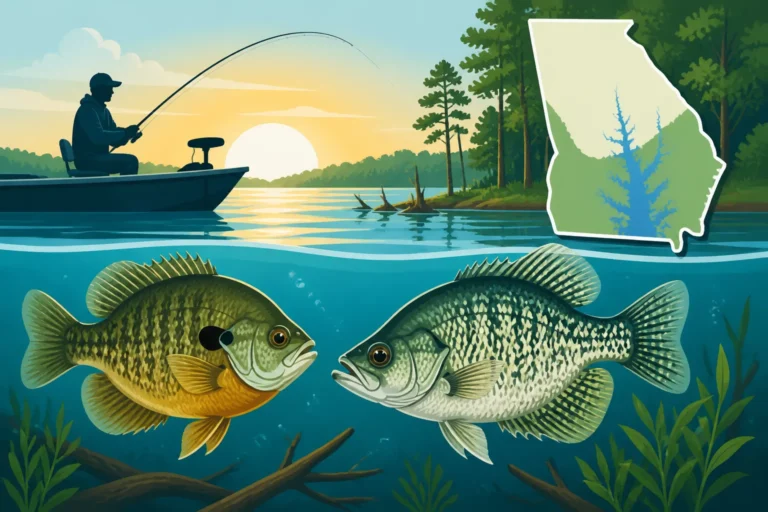
When fishing lighted docks, approach quietly and cast parallel to the dock, allowing your lure to work through the illuminated zone and into the shadows where larger predators often lurk. Jigs, small swimbaits, and even weightless plastic worms can be incredibly effective for bass. For crappie, tiny jigs or live minnows suspended under a bobber just at the edge of the light can yield great results. You might even find some Best Crappie Fishing Spots on Lake Lanier are those well-lit docks.
Similarly, the pilings and structures beneath bridges like Browns Bridge, Bolling Bridge, or the Highway 53 bridge over the Chestatee River arm can be phenomenal night fishing spots. The ambient lights from the bridge itself, combined with the deep water and current breaks created by the pilings, attract and hold baitfish, which in turn attract game fish. Casting parallel to the pilings with jigs, crankbaits, or even live bait can be very productive. Always be aware of boat traffic and navigation hazards when fishing around bridges at night.
Deep Water Humps and Points
Just because it's dark doesn't mean fish abandon their favored deep-water structures. In fact, many predatory fish, especially striped bass, will move onto deep humps and points adjacent to river channels or main lake basins under the cover of night. These areas offer them easy access to both shallow feeding grounds and deep-water safety.
Anglers with good electronics can pinpoint these submerged humps and points during the day, marking them for night excursions. Even if you're relying on memory, knowing the contours of the lake from your daytime fishing can guide you. Once on site, setting up submersible lights can draw baitfish to the top of these structures, creating a nighttime feeding station.
For stripers, live blueback herring fished on downlines or free lines at varying depths around these humps can be incredibly effective. For spotted bass, vertical jigging spoons or working deep-diving crankbaits over the top and along the sides of these structures can provoke strikes. Remember that How Water Temperature Affects Fish Behavior is still a factor, even at night, so focusing on structures that transition between cooler deep water and slightly warmer feeding zones can be key.
Shallow Coves with Structure
While deep-water structures are important, don't overlook shallow coves, especially those with plenty of submerged structure like brush piles, laydowns, or rocky bottoms. These coves become prime feeding grounds for largemouth and spotted bass at night, as they move in from deeper water to chase baitfish.
Look for coves that are somewhat protected from the main lake wind and boat traffic. The presence of submerged timber or brush piles provides excellent ambush points for bass. Casting topwater lures that create a strong commotion, like buzzbaits or Whopper Ploppers, can be incredibly exciting as bass explode on them in the dark. Alternatively, slow-rolling a spinnerbait or quietly working a plastic worm around these structural elements can entice bites from more cautious fish.
For those less familiar with Lake Lanier's vast expanse, consider hiring a local guide who specializes in night fishing. Services like FishingBooker can connect you with experienced captains who know these productive shallow coves and their hidden structures like the back of their hand, giving you an immediate advantage on the water. This can be particularly helpful if you're trying to figure out the Lake Lanier Fishing Guide, Georgia specific to nocturnal patterns.
Essential Gear and Safe Practices
Night fishing on Lake Lanier offers unparalleled tranquility and excellent fishing, but it also comes with increased challenges. Proper gear and a strong commitment to safety are not just recommendations; they are absolute necessities for a successful and enjoyable nocturnal adventure.
Illumination is Key: Headlamps, Boat Lights, and Submersible Lights
Visibility is severely reduced at night, making personal and boat lighting paramount. A reliable headlamp with a red light option is crucial. Red light preserves your night vision much better than white light, allowing you to see what you're doing without blinding yourself or your companions. Keep a backup light source, like a handheld flashlight, handy as well.
Your boat must be properly equipped with navigation lights as required by law (a masthead light and sidelights). These lights ensure you are visible to other boats and help prevent collisions. Additionally, courtesy lights inside your boat can be incredibly helpful for rigging tackle, baiting hooks, or simply moving around the deck. However, use them sparingly to avoid attracting bugs or impacting your night vision more than necessary.
For attracting fish, submersible fishing lights are invaluable. These lights, often green or white, are lowered into the water to attract plankton and baitfish, which in turn draw in predatory species like stripers and crappie. Investing in a good quality submersible light system can dramatically increase your night fishing success, especially for specific species.
Bait and Lure Choices for Darkness
When fishing at night, fish rely less on sight and more on their lateral lines (detecting vibrations), hearing, and sense of smell. Your bait and lure choices should reflect this shift in sensory perception.
For bass, dark-colored lures are often most effective. Black, blue, or junebug jigs, plastic worms, and spinnerbaits create a more defined silhouette against the dim sky or moonlit water, making them easier for bass to see and track. Lures that create a strong vibration or a distinct sound, like chatterbaits or topwater lures with propellers or noisy rattles, are also excellent choices as they tap into the fish's lateral line senses. Live bait, such as shiners or larger minnows, can also be highly effective for bass, fished around lighted docks or submerged cover.
For stripers, live bait like blueback herring or large gizzard shad are almost always the top choice, especially when fished under lights. For catfish, the more pungent, the better. Cut bait, chicken liver, and potent stink baits are designed to appeal to their superior sense of smell. Using fresh bait will generally yield better results.
Safety First: Navigation, Communication, and Emergency Gear
Safety should be your absolute top priority when venturing out onto Lake Lanier at night. The lake can be a complex body of water even in daylight, with submerged hazards, changing depths, and other boaters. At night, these challenges are magnified significantly. Always navigate at a slower speed than you would during the day, and use your GPS or chart plotter to stay in known safe channels. If you’re unsure, slow down even more or avoid the area.
Beyond careful navigation, ensure your boat is equipped with all required safety gear. This includes Coast Guard-approved life jackets for everyone on board (and ensuring they are worn, especially by children), a throwable flotation device, a sound-producing device (horn or whistle), visual distress signals (flares), and a fire extinguisher. We've got a comprehensive Safety Gear Checklist for a Day on Lake Lanier that's even more critical at night.
Before heading out, always inform someone on shore of your float plan: where you intend to fish, your expected return time, and who is with you. Have a fully charged cell phone in a waterproof case, and consider carrying a marine VHF radio for backup communication, especially in areas with spotty cell service. For an added layer of security and expertise, especially if you're exploring new areas or less confident navigating at night, booking a trip with a local fishing guide through a service like FishingBooker can provide invaluable peace of mind and significantly enhance your safety. They bring local knowledge and emergency preparedness that can be crucial after dark.
Night Fishing for Specific Species: A Quick Reference
| Target Species | Preferred Night Baits/Lures | Ideal Night Locations on Lanier | Key Techniques |
|---|---|---|---|
| Largemouth/Spotted Bass | Dark-colored jigs, spinnerbaits, topwater lures, plastic worms (black/blue), live shiners | Lighted docks, rocky points, shallow coves with submerged cover (brush piles, laydowns) | Slow presentations, cast accurately to cover, use noisy topwater lures near structure. |
| Striped Bass | Live blueback herring, large swimbaits, bucktail jigs (white/chartreuse), trolling umbrella rigs | Deep humps, main lake points, under bridge lights, river channel edges | Use submersible lights to attract baitfish; fish live bait at varying depths; vertical jigging. |
| Catfish (Channel/Blue) | Cut bait (shad/herring), chicken liver, nightcrawlers, potent stink baits | River channels, deep holes in coves, creek mouths, muddy flats adjacent to deep water | Bottom fishing with slip-sinker rigs; use heavy tackle; allow scent to disperse. |
| Crappie (Black/White) | Small jigs (chartreuse/white), live minnows, micro-swimbaits | Lighted docks, brush piles, submerged timber, creek channels (especially after cold fronts) | Vertical jigging; suspend minnows under slip bobbers; focus on depth where baitfish gather. |
Disclaimer
The information provided in this guide is for general informational purposes only and is intended to offer helpful advice based on common fishing practices and safety guidelines. Fishing conditions, regulations, and fish behavior can vary greatly depending on the season, weather, and specific location. Always consult the latest Georgia Department of Natural Resources (DNR) fishing regulations before heading out. Exercise caution and prioritize safety, especially when operating a boat or fishing after dark. Neither the author nor the publisher assumes any responsibility for accidents, injuries, or legal infractions incurred while fishing.