West Point Lake Fishing Spots, Georgia
Navigating the vast waters of a major reservoir like West Point Lake can feel overwhelming when all you want to do is find where the fish are biting. It's a common frustration to spend hours on the water, moving from spot to spot, without much to show for it. This comprehensive guide is here to cut through the guesswork, offering up the prime fishing spots on West Point Lake, Georgia, along with seasonal strategies and species-specific tips to help you make the most of your next angling adventure.
Unpacking the Angler's Paradise: West Point Lake Overview
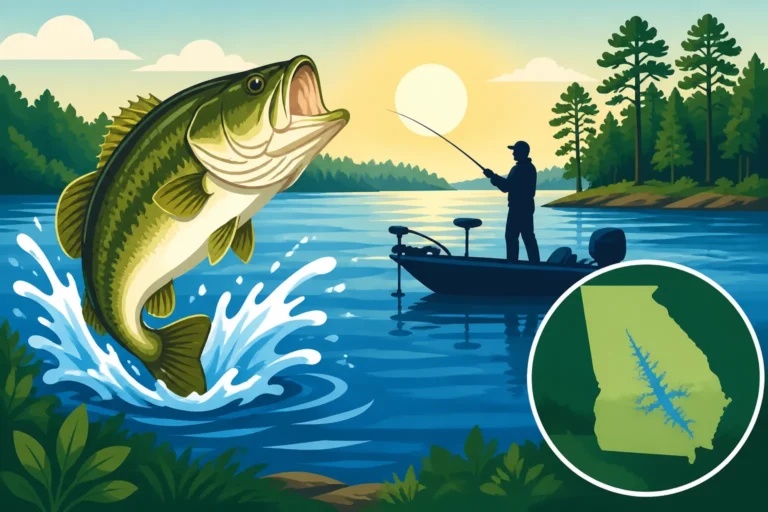
West Point Lake, straddling the Georgia-Alabama border on the Chattahoochee River, is truly a jewel for anglers in the region. With over 25,900 acres of water and more than 500 miles of shoreline, it offers an incredible diversity of habitats for various fish species. It's not just a beautiful place; it's a thriving ecosystem that supports a robust fishery, making it a top destination for those seeking everything from trophy bass to plentiful crappie.
The Lake's Unique Character and Features
What sets West Point apart is its diverse topography. You'll find a mix of rocky bluffs, deep channels, numerous shallow coves, and extensive areas of standing timber and submerged brush. This variety means that fish can find ideal conditions year-round, whether they're looking for cool, deep water during the summer heat or shallow, sun-warmed spawning grounds in the spring. The U.S. Army Corps of Engineers manages the lake, ensuring well-maintained public access areas and a focus on environmental health, which directly benefits the fishing.
The lake's clear to moderately stained water also influences fishing techniques. In clearer sections, especially upriver, subtle presentations often work best. Downlake, where the water can be a bit more turbid, baits with vibration and brighter colors tend to shine. Understanding these nuances is crucial for success, as different parts of the lake can fish like entirely different bodies of water.
Why West Point Lake Draws Anglers from All Over
Anglers flock to West Point Lake for a multitude of reasons. For starters, it boasts a fantastic reputation for its black bass fishing, particularly for largemouth and spotted bass. Tournaments are frequently held here, attracting serious competitors, but even casual anglers can find plenty of action. Beyond bass, the lake is a consistent producer of healthy crappie, catfish, and various panfish, making it a truly versatile fishery.
Many families also find West Point appealing due to its numerous recreational opportunities beyond fishing, including camping, boating, and swimming. This means you can plan a full weekend getaway, combining your passion for fishing with other outdoor activities. Plus, with towns like LaGrange nearby, amenities and supplies are always within easy reach, which is a major convenience when you're planning a trip. When looking for guided trips or just figuring out what's biting, services like FishingBooker can often provide insights into local charter options and current conditions, connecting you with experienced guides who know West Point's waters inside and out.
Key Fish Species and Their Preferred Hangouts
West Point Lake is a melting pot of popular game fish, each with its own preferred habitat and feeding patterns. Knowing what you're targeting and where they typically reside is the first step to a productive day.
Largemouth Bass: The Lake's Crown Jewel
Largemouth bass are the undisputed kings of West Point Lake, drawing serious anglers eager to land a trophy. These fish thrive in areas with plenty of cover, ambush points, and forage. You'll find them gravitating towards submerged timber, weed lines (where present), rocky points, and the edges of creek channels. During the spring spawn, they move into shallower coves and pockets, particularly those with hard bottoms or protective brush.
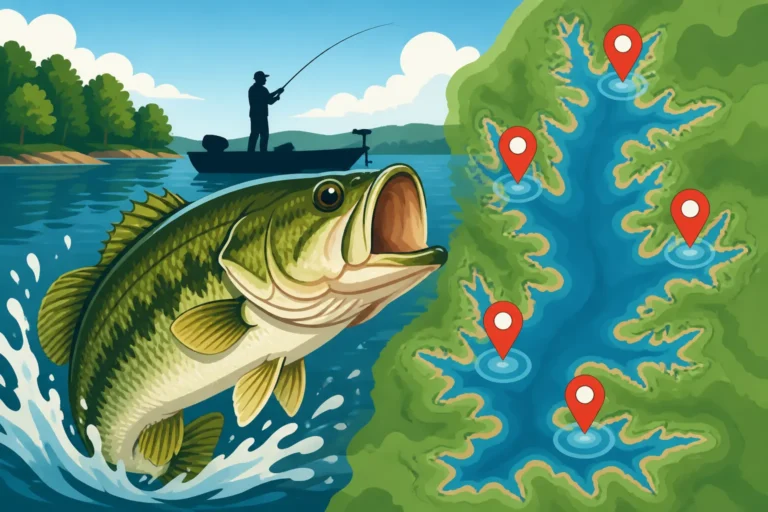
For the best largemouth action, focus on the upper third of the lake, especially the main lake points and pockets around Yellowjacket Creek and Wehadkee Creek. These areas offer a fantastic blend of structure and cover. Later in the year, as temperatures rise, largemouth often retreat to deeper brush piles or seek shade under docks and overhanging trees. Flipping jigs, pitching soft plastics, and working crankbaits are all productive techniques here. For more insights on this species, check out our guide on Largemouth Bass Fishing in Georgia: The Complete Species Guide.
Spotted Bass: The Aggressive Cousins
While often overshadowed by their largemouth relatives, spotted bass are abundant in West Point Lake and offer a fantastic fight, often punching above their weight. Spotties tend to prefer clearer, deeper water and rocky structures more than largemouth. You'll find them around main lake points, steep rocky banks, humps, and submerged roadbeds, especially in the mid to lower sections of the lake. They often school up in open water, chasing baitfish.
Targeting spotted bass often involves techniques like drop-shotting, shaky heads, or throwing small crankbaits and swimbaits around deeper structure. They are notorious for being aggressive and will readily strike baits presented vertically. Anglers often find success by following contour lines with their boat and focusing on subtle changes in depth or structure revealed by their fish finders.
Crappie: The Delicious Panfish
Crappie fishing at West Point Lake can be absolutely phenomenal, especially during the cooler months and spring spawn. Both black and white crappie call this lake home, and they are highly sought after for their delectable meat. Crappie are structure-oriented fish, and West Point provides ample opportunities. Look for them concentrated around submerged timber, brush piles, bridge pilings, and old creek channels.
During late winter and early spring, crappie move into shallower creek arms and coves to spawn. This is prime time for jigging with small soft plastics or live minnows under a bobber. Popular crappie hotspots include the numerous creek arms off the main lake, particularly those with standing timber. Later in the year, they retreat to deeper brush piles and structure, often suspending over channel drops. Understanding the nuances of Crappie Fishing in Georgia: Black and White Crappie Guide can definitely improve your catch rate here.
Catfish and Bream: Consistent Action
West Point Lake is also a fantastic destination for catfish, including channel, blue, and flathead species, and for bream (bluegill and redear sunfish). Catfish patrol the deeper channels, creek mouths, and areas with slower currents, particularly where there's decaying organic matter. They are often found near submerged logs and brush. Bottom fishing with cut bait, chicken livers, or worms is a go-to strategy. For those interested in the best catfishing, exploring Best Catfish Fishing Spots in Georgia can offer broader insights that apply to West Point.
Bream, on the other hand, are commonly found in shallower, vegetated areas, around docks, and near fallen trees. They are a perfect target for youngsters and beginners, providing consistent action with crickets, worms, or small artificial lures. They are particularly active during the late spring and early summer when they move to beds in shallow water.
Prime Fishing Spots Across West Point Lake
Knowing which species frequent certain areas is one thing, but pinpointing specific locations on a lake of this size requires a bit more detail. West Point Lake offers diverse geographies, each with its own advantages.
The Chattahoochee River Upper Reaches
The northernmost section of West Point Lake, where the Chattahoochee River feeds in, is characterized by more riverine conditions. This area often has slightly stained water, and the current can be more pronounced, especially after heavy rains or power generation upstream. This current brings nutrients and baitfish, making it a productive area.
Here, you'll find excellent opportunities for both largemouth and spotted bass around current breaks, rock outcroppings, and the mouths of feeder creeks. Look for areas where the river channel bends or narrows, creating eddies that hold fish. Timber lines along the old river channel are also prime real estate. Spinnerbaits, crankbaits, and jigs are effective choices when fishing the current. For crappie, probe the submerged brush piles and standing timber along the creek channels in these upper areas.
Mid-Lake Coves and Points
As you move downlake from the river section, the lake widens, and you'll encounter numerous sprawling coves and prominent main lake points. These areas are incredibly versatile and hold a variety of fish throughout the year. The points, particularly those with a quick drop-off into deeper water, are classic spotted bass territory, but largemouth will also hold on the shallower side of these structures.
Inside the coves, especially the larger ones like Yellowjacket Creek and Wehadkee Creek, you'll find excellent habitat for largemouth bass, crappie, and bream. These coves often have plenty of standing timber, brush piles, and secondary points that attract fish. During the spring, the backs of these coves are ideal for targeting spawning bass and crappie. Summertime sees fish retreat to deeper cover within the coves, often suspending over baitfish schools. Exploring Best Bass Fishing Coves on West Point Lake will give you a detailed breakdown of some specific productive areas.
Lower Lake and Dam Area
The lower section of West Point Lake, closer to the dam, tends to be deeper and clearer. This area is often favored by spotted bass and offers deeper water opportunities for all species, particularly during the hot summer months or cold winter. The main lake points and steep bluff walls near the dam are excellent for spotted bass using vertical presentations like drop-shots or jigs.
The deep channels and old river bends in this lower section are also prime areas for large catfish. Anglers often target these areas by anchoring and deploying multiple bottom rigs. While less common for largemouth bass, they can be found in the deeper coves and around any significant cover in this clearer water. Remember, during hot weather, fish will seek out thermal refuge, and these deeper waters provide just that.
Seasonal Strategies for West Point Lake Fishing
Understanding the annual cycle of fish behavior is paramount for consistent success on West Point Lake. Each season brings unique opportunities and challenges.
Spring: The Spawn and Post-Spawn Bonanza
Spring is arguably the most exciting time to fish West Point Lake. As water temperatures rise, fish become incredibly active, moving from their deep wintering grounds into shallower water to feed and spawn. The pre-spawn period (typically March-April) sees bass gorging themselves, making them very susceptible to lipless crankbaits, spinnerbaits, and jerkbaits around main lake points and secondary channels.
As the water warms into the 60s Fahrenheit, largemouth and crappie move to their spawning grounds in shallow coves, pockets, and creek arms. This is the time for sight fishing for bass with soft plastics or jigs, and crappie anglers can find them in droves around submerged brush. Post-spawn, fish disperse, with some retreating to deeper water while others stay shallow to guard fry. This can be a challenging period, but finesse techniques often shine. For more on this, our Seasonal Bass Fishing Patterns in Georgia guide offers broader advice applicable here.
Summer: Deep Water and Early Morning Bites
Summer fishing on West Point Lake can be tough due to the heat, but it's far from impossible. Fish generally move to deeper, cooler waters, often suspending over baitfish or clinging to deep structure. Early mornings and late evenings offer the best topwater action for bass around points and submerged cover. As the sun rises, switch to deeper techniques like Texas rigs, Carolina rigs, deep crankbaits, or drop-shot rigs.
For crappie, focus on deep brush piles (15-25 feet) using live minnows or small jigs. Catfish remain active in the deeper channels and creek mouths throughout the summer, with night fishing being particularly productive. Hydrilla beds, if present, can also hold good numbers of bass seeking cooler water and ambush points. Remember that West Point can get quite busy with recreational boaters during the summer, so consider fishing during weekdays or very early/late hours.
Fall: The Turnover and Feeding Frenzy
Fall brings cooler temperatures, often triggering a "turnover" in the lake and a strong feeding impulse in many fish species. As the water cools, baitfish move into shallower creeks and coves, and game fish follow suit, aggressively feeding to prepare for winter. This is a fantastic time for topwater lures, spinnerbaits, and crankbaits fished around shallow cover and main lake points.
Crappie fishing also picks up significantly in the fall as they become more active, moving closer to cover in creek arms. Catfish remain a consistent target as well. The fall color changes around the lake add an extra layer of enjoyment to your fishing trip. The key is to find the baitfish; where the bait is, the predators won't be far behind.
Winter: Slow and Deep, But Rewarding
Winter fishing on West Point Lake demands patience and slow presentations, but it can yield some of the biggest fish of the year. Fish generally move to deeper, more stable water temperatures, often schooling tightly near structure. Spotted bass are a prime target in winter, found on deep main lake points, humps, and submerged roadbeds using jigs, spoons, or drop-shots.
Largemouth bass will often hold tight to deep brush piles or channel swings. Slow-rolling spinnerbaits or using jigging spoons can be effective. Crappie fishing also remains viable, with anglers often targeting deep brush piles in creek channels. Catfish can be found in deep holes in the river channel. Fishing after a cold front can make conditions even tougher, requiring even slower presentations and precise bait placement.
Access Points and Amenities for Anglers
Getting on and off West Point Lake is relatively easy, thanks to numerous boat ramps and public access points managed by the U.S. Army Corps of Engineers.
Public Boat Ramps and Marinas
There are over 40 public access sites around West Point Lake, many of which include boat ramps. Some of the most popular and well-maintained ramps include:
- Pyne Road Park: Located in LaGrange, this is a large, popular ramp with plenty of parking, restrooms, and often a fishing pier. It provides good access to the mid-lake region.
- Whitewater Creek Park: Another excellent choice, particularly for accessing the upper lake and riverine sections. It also offers good facilities.
- McGee Bridge Park: Convenient for accessing the lower lake and areas closer to the dam.
- Grayson's Landing: A reliable option with good access, often used by tournament anglers.
Many of these parks also offer picnic areas, campgrounds, and swimming beaches, making them ideal for a full day out or a weekend trip. Some privately operated marinas like Highland Marina Resort also offer fuel, bait, tackle, and boat repair services, which can be a lifesaver if you run into an issue on the water. For broader information on accessing Georgia's waters, checking out Best Boat Ramps for Fishing in Georgia can be helpful.
Shore Fishing Opportunities
While West Point Lake is primarily a boat-fishing lake due to its vastness and numerous coves, there are still ample opportunities for bank anglers, especially for families or those without a boat. Many of the Corps of Engineers parks, such as Yellow Jacket Park, have designated fishing piers or accessible shorelines.
Look for areas around public parks and campgrounds where the land slopes gently to the water's edge. These spots are often cleared and provide safe access. You can often target bream, catfish, and even smaller bass from the bank, particularly in the spring and fall when fish are shallower. For more localized advice, our article on West Point Lake Shore Fishing Access, Georgia dives deeper into these specifics. Remember to check local regulations regarding bank access, especially near private property.
Essential Gear and Techniques for West Point Lake
Having the right gear and knowing how to use it can significantly impact your success on West Point Lake. The diverse fishery means versatility is key.
Rods, Reels, and Line Choices
For bass fishing, a medium-heavy baitcasting setup with 15-20 lb fluorocarbon or monofilament line is a great all-around choice for Texas rigs, jigs, and crankbaits. If you're throwing lighter finesse baits or topwaters, a medium-action spinning rod with 8-12 lb fluorocarbon or braided line will offer better casting distance and sensitivity. Our guide to the Best Rods and Reels for Georgia Fishing provides more comprehensive advice.
For crappie, a light to ultralight spinning rod (5-7 feet) paired with 4-6 lb monofilament or fluorocarbon is ideal for jigging or fishing minnows. Catfish anglers often opt for heavy-action spinning or baitcasting rods with 20-30 lb monofilament or braided line, especially when targeting larger blues or flatheads.
Baits and Lures for Local Success
The "hot" bait can change daily on West Point, but some staples consistently produce. For bass, keep a variety of soft plastics (worms, creature baits, flukes), jigs (football, swim, casting), crankbaits (deep and shallow divers), spinnerbaits, and topwater lures handy. Consider brands like Strike King, Zoom, and Rapala, which are popular and effective on Georgia waters.
Crappie anglers will find success with small jigs (1/16 to 1/8 oz) in various colors (chartreuse, white, black/chartreuse) and live minnows. For catfish, stink baits, cut shad, chicken livers, and nightcrawlers are top choices. Bream readily hit crickets, worms, and tiny beetle spins. When booking a trip through platforms like FishingBooker, guides often provide all the necessary bait and tackle, ensuring you have what's working best for current conditions.
Electronics and Navigation
A good fish finder with GPS capabilities is almost essential for serious fishing on West Point Lake. It helps you locate submerged structure, brush piles, channel swings, and schools of baitfish and game fish. Side imaging and down imaging technologies are incredibly valuable for mapping out underwater terrain. Brands like Humminbird and Lowrance are popular choices.
GPS is also critical for navigating the numerous coves and finding your way back to productive spots, especially on large, complex lakes like West Point. Always carry a physical map or have a reliable navigation app on your phone as a backup, just in case your electronics fail. Staying aware of your location is also a key safety measure, as West Point Lake is vast and can be confusing, particularly at night or in foggy conditions.
A Comparative Look at Nearby Fishing Havens
While West Point Lake offers fantastic fishing, it's helpful to understand how it stacks up against other popular Georgia fishing destinations. This perspective can help you choose the best lake for your specific angling goals.
West Point Lake vs. Lake Lanier
Lake Lanier, located northeast of Atlanta, is arguably Georgia's most famous lake. It's renowned for its incredible striped bass fishery and also offers excellent largemouth and spotted bass opportunities. Lanier is generally deeper, clearer, and has more open water than West Point. If you're chasing trophy stripers or enjoy fishing deep, clear water with heavy electronics reliance, Lanier might be your top choice.
West Point, on the other hand, often has more visible shallow-water cover like standing timber, particularly in its upper and middle sections. It tends to fish "flatter" than Lanier, offering a more traditional black bass experience focused on structure and cover rather than entirely open-water schooling fish. While West Point has hybrid stripers, it doesn't have the same native striped bass population as Lanier. For deep dives into Lanier, articles like Lake Lanier Fishing Guide, Georgia are indispensable.
West Point Lake vs. Lake Oconee
Lake Oconee, situated in east-central Georgia, is known for its excellent hybrid striped bass and crappie fishing, as well as a strong largemouth bass population. Oconee is a bit smaller than West Point and has more distinct grass beds in some areas, which can hold incredible numbers of fish. It's often considered a more "forgiving" lake for anglers due to its abundance of fish and varied structure.
West Point, by comparison, offers a more rugged, less developed feel in many of its areas, with extensive timber. While Oconee's hybrid striper fishery is legendary, West Point generally holds a more consistent spotted bass population. Both lakes are excellent crappie destinations, but their character is quite different. When planning a trip, consider checking out our guide on Fishing Lake Oconee, Georgia for a detailed look at what that lake offers.
West Point Lake vs. Lake Sinclair
Directly downstream from Lake Oconee, Lake Sinclair offers a fantastic fishery known for its stable water temperatures due to a power plant, making it a popular winter fishing spot. Sinclair is slightly smaller than West Point and tends to have more docks and shoreline development. It's a fantastic lake for crappie, catfish, and largemouth bass, especially in the cooler months.
West Point provides a larger, more expansive body of water with less development in many areas, offering a greater sense of wilderness. While Sinclair is celebrated for its winter warmth, West Point's varied depths and structures still provide excellent cold-weather fishing if you know where to look. Both lakes offer diverse fishing opportunities, but their overall feel and primary draws differ. You can find more specific details in our Lake Sinclair Fishing Spots article.
Here's a quick comparison table to help visualize the differences:
| Feature/Lake | West Point Lake | Lake Lanier | Lake Oconee | Lake Sinclair |
|---|---|---|---|---|
| Size (Acres) | ~25,900 | ~38,000 | ~15,300 | ~15,300 |
| Primary Fish | Largemouth, Spotted Bass, Crappie, Catfish | Striped Bass, Largemouth, Spotted Bass | Hybrid Striped Bass, Largemouth, Crappie | Crappie, Largemouth, Catfish |
| Water Clarity | Moderate to Clear | Very Clear | Moderate to Stained | Moderate to Stained (often warmer in winter) |
| Key Structures | Standing Timber, Rocky Points, Creek Channels | Deep Humps, Brush Piles, Open Water, Bluff Walls | Grass Beds, Timber, Rocky Points, Bridge Pilings | Docks, Timber, Brush Piles, Power Plant Discharge |
| Best Seasons | Spring, Fall (year-round for various species) | Year-round (especially Stripers), Spring Bass | Spring, Fall, Winter | Winter (Crappie, Bass), Spring, Fall |
| Development | Moderate, some remote areas | High, densely populated | Moderate to High | Moderate to High |
General Tips for a Successful Day on West Point Lake
Beyond knowing the spots and the seasons, a few overarching tips can really make a difference for your West Point Lake fishing adventure.
Monitoring Water Levels and Conditions
West Point Lake's water levels can fluctuate, particularly with rainfall and power generation schedules on the Chattahoochee River. Always check the U.S. Army Corps of Engineers website or local reports before heading out. High water can open up new shallow fishing opportunities, while low water exposes more structure and can make navigation tricky in some areas. Current, influenced by upstream dam releases, can also impact fish behavior and lure choice. Being aware of these conditions will help you adapt your strategy.
Safety First on Big Water
Remember, West Point is a large body of water, and safety should always be your top priority. Always wear a life jacket, especially if you're in a small boat or a kayak. Inform someone of your float plan, including where you're going and when you expect to return. Carry all required safety equipment, such as throwable flotation devices, a whistle, and a fire extinguisher. Pay attention to weather forecasts, as storms can blow up quickly on large reservoirs. Our guide to Safety Gear Checklist for Georgia Boaters offers a comprehensive list of essentials.
Respecting the Resource
Practicing catch and release, especially for larger breeding fish, helps maintain a healthy fishery for future generations. If you do keep fish, know your Georgia Fish Size and Creel Limits and adhere to them strictly. Dispose of all trash properly, and avoid disturbing spawning beds or sensitive habitats. Maintaining the pristine beauty of West Point Lake is a responsibility shared by all who enjoy it. Also, always make sure you have your Georgia Fishing License Guide up to date. You don't want to get caught without one.
West Point Lake is an incredible fishery with so much to offer. By combining knowledge of the lake's diverse character, its resident fish species, seasonal patterns, and strategic access points, you'll be well on your way to enjoying many successful and memorable days on the water. And if you're looking for an extra edge, remember that connecting with local guides through services like FishingBooker can provide invaluable real-time insights and a personalized experience to truly unlock West Point's potential. Happy fishing!
Disclaimer
The information provided in this guide is for general informational purposes only and is subject to change. Fishing regulations, conditions, and fish behavior can vary. Always consult the Georgia Department of Natural Resources (DNR) for the most current regulations and advisories before fishing. Safety on the water is paramount; always wear appropriate safety gear and be aware of your surroundings.