Best Fishing Spots on the Chattahoochee River Below Buford Dam
The Chattahoochee River below Buford Dam is a truly unique fishery in Georgia, a cold-water anomaly flowing through what's otherwise a warm Southern landscape. But let's be real, its beauty comes with its own set of challenges. The constantly fluctuating water levels and icy cold discharges can make finding those prime fishing spots feel like trying to solve a puzzle. This guide is here to untangle that puzzle, pointing you to the best locations and offering practical, real-world advice to help you have a successful and enjoyable day on the "Hooch."
Understanding the Unique Dynamics of the Chattahoochee Below Buford Dam
Fishing the Chattahoochee River, especially in the stretches immediately below Buford Dam, is unlike fishing most other rivers or lakes in Georgia. This isn't your typical warm-water bass haven; it's a testament to careful management and a unique geological setup that creates a truly special environment. Understanding these dynamics is the first step to unlocking its secrets and finding success.
The Impact of Cold Water Releases
The Buford Dam, which creates the massive Lake Lanier, is a hydroelectric dam. When Georgia Power generates electricity, it releases water from deep within the lake. This water, coming from hundreds of feet down, is consistently cold, often in the low 50s or even cooler, even during the dog days of summer. This constant influx of frigid water fundamentally changes the ecosystem downstream.
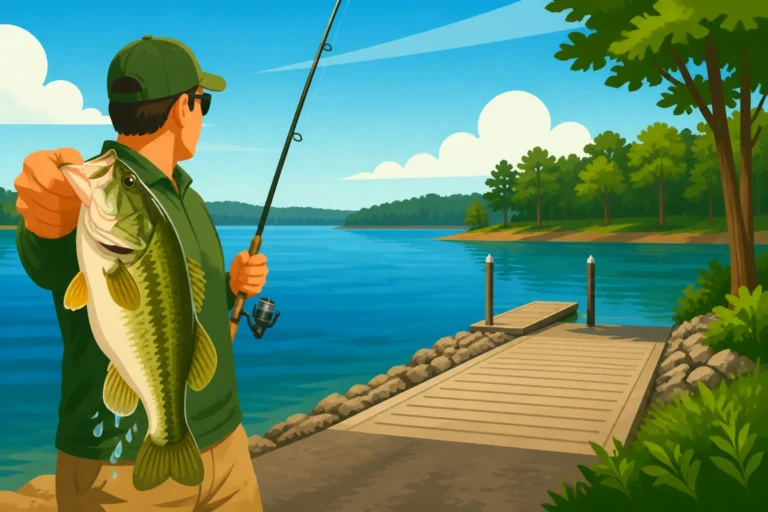
For anglers, this means one crucial thing: trout thrive here. Rainbow, brown, and even native brook trout find the conditions ideal in the upper stretches of the river, making the Chattahoochee a premier trout fishing destination in the state. However, it also means that typical warm-water species like largemouth bass, crappie, or catfish are much less prevalent, if present at all, in the coldest sections. You won't find those big Georgia bass until you get significantly further downstream where the river has had a chance to warm up a bit. It’s a trade-off, but for trout enthusiasts, it’s a blessing.
Navigating Water Flow and Generation Schedules
Perhaps the biggest hurdle for anglers on the Chattahoochee below Buford Dam is the fluctuating water flow. Because the dam is used for hydropower, the amount of water released can change dramatically throughout the day, often with little warning. The river can go from a gentle, wadeable stream to a raging torrent in a matter of minutes. This isn't just an inconvenience; it can be incredibly dangerous for wade fishermen who might suddenly find themselves in rapidly rising, powerful currents.
Before you even think about heading out, checking the generation schedule from Georgia Power is absolutely non-negotiable. This schedule will tell you when the dam is expected to release water and how much. Many experienced anglers plan their trips around low-flow periods for wading or steady, higher flows for drift boating. Understanding these patterns will not only keep you safe but also help you choose the right fishing techniques and target species. It’s a vital piece of the puzzle for anyone hoping to truly understand and fish this river effectively.
Prime Fishing Zones and Access Points
The Chattahoochee River below Buford Dam stretches for miles, offering a diverse range of fishing experiences. From icy cold trout waters to areas where you might find a mixed bag of species, knowing where to go and how to access it is key. The entire stretch from Buford Dam down through Atlanta is part of the Chattahoochee River National Recreation Area, meaning there are numerous managed access points, but each section offers something a little different.
Bowmans Island to Settles Bridge Road
This is arguably the coldest and most classic trout water on the Hooch. Immediately below the dam, the water here is consistently chilly, making it ideal for trout year-round. You'll primarily be targeting rainbow and brown trout, with the occasional brook trout making an appearance in the uppermost reaches. The area around Bowmans Island Park is a very popular put-in, and you can often wade during low-flow periods, though extreme caution is always advised regarding water releases.
Further downstream, but still within this prime cold-water zone, you'll find Settles Bridge Park. Both of these spots offer excellent access for wade fishing, especially if you get there during a planned low-generation period. The key here is stealth and finesse; the trout in these waters can be quite wary. Many anglers will drift small nymphs, midges, or tiny streamers. If you're looking for a challenging but rewarding fly fishing experience in Georgia, this is your zone. Remember, these fish are often stocked, but they quickly become educated.
Jones Bridge Park to Medlock Bridge Road
As you move downstream from the dam, the river slowly starts to warm up, though it remains quite cool. This section, particularly around Jones Bridge Park, is still fantastic trout water, but you might start to encounter a more diverse array of fish, especially in warmer months. Jones Bridge is a very popular access point, known for both bank fishing and as a launch for drift boats and kayaks. The river here can be quite wide with varying depths and currents, offering a range of holding spots for fish.
Further south, approaching Medlock Bridge Road, the river truly starts to change character. While trout are still present, you might find more success with species like spotted bass or even a stray largemouth in the slower, warmer eddies and backwaters. This makes it an exciting zone for anglers who enjoy mixing up their techniques, perhaps starting with trout flies and switching to small crankbaits for bass. Access here is generally good, with multiple points within the Chattahoochee River National Recreation Area. If you're thinking about exploring the river from a kayak, this is a good float with plenty of opportunities.
Abbotts Bridge to Medlock Bridge Road
The stretch around Abbotts Bridge, another popular access point, offers a mix of conditions similar to the Jones Bridge area but often feels a bit more secluded than the bustling Jones Bridge Park. Here, the river continues its journey of gradually warming, making it a great transition zone. Anglers can still find respectable numbers of rainbow and brown trout, particularly in the deeper, faster currents where the cold water is more concentrated. However, the influence of warmer tributaries and sun exposure means that spotted bass, various sunfish, and even some catfish begin to become more common, especially in the slower moving sections and around submerged structure.
This area is excellent for both wade fishing during low water and for floating in a drift boat or kayak. You’ll find good opportunities for both fly fishing and spin fishing. Many local anglers will focus on nymphing techniques for trout, mimicking the aquatic insects that are abundant in the river. For bass and panfish, small jigs, spinnerbaits, or even simple worms can be highly effective. The key is to pay attention to water temperature and current speed to determine what species are most active and where they might be holding.
Morgan Falls Dam Recreation Area
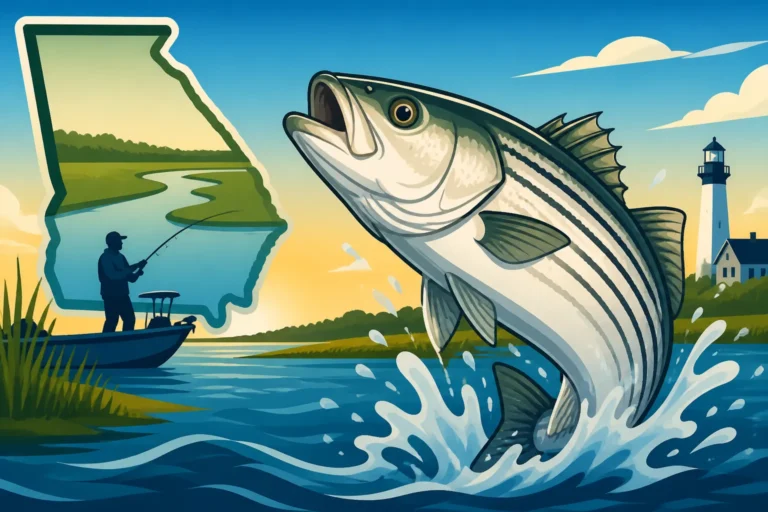
Significantly further downstream from Buford Dam, you'll encounter the Morgan Falls Dam. This smaller dam creates a small impoundment and further influences the river's character. Below Morgan Falls Dam, the river is generally warmer and slower-moving than the upper reaches. While some hardy trout can occasionally be found, this section is primarily known for a much wider variety of species, including striped bass, spotted bass, largemouth bass, crappie, and a healthy population of catfish and various sunfish.
Morgan Falls Park offers excellent bank access, boat ramps for smaller craft, and even a fishing pier, making it a fantastic spot for families or those looking for an easier, more diverse fishing experience. This area is particularly popular for striped bass fishing, especially during their seasonal runs. Anglers often use live bait like shad or large artificial lures to target these powerful fish. For bass and panfish, the calmer waters and abundant structure provide ample opportunities. Whether you're casting from shore or floating in a kayak, the Morgan Falls area provides a different, but equally rewarding, Chattahoochee fishing experience. If you’re looking for a change from strictly trout, this is the place to explore.
Essential Techniques and Tackle for Success
Successfully fishing the Chattahoochee River below Buford Dam requires a versatile approach and a good understanding of the fish you're targeting. Given the diverse environments, from icy trout havens to warmer, slower bass waters, adapting your techniques and tackle is absolutely crucial. You wouldn't use the same setup for a wild brown trout as you would for a hefty striped bass, right?
Targeting Trout: Fly Fishing and Spin Fishing
For the upper, colder reaches of the Chattahoochee, trout are the undisputed kings.
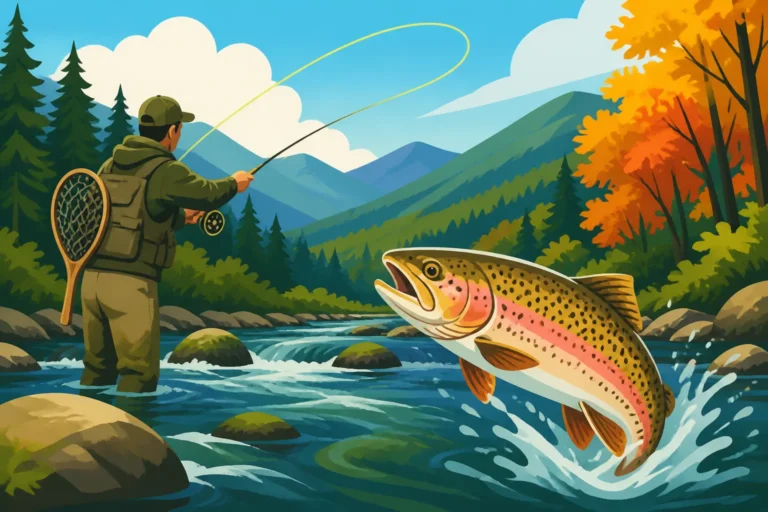
Fly Fishing: This is where fly fishing truly shines on the Hooch. The most consistently productive method is nymphing, as trout spend most of their time feeding subsurface on aquatic insects. Popular nymph patterns include the Pheasant Tail, Hare's Ear, Zebra Midge, and various Caddis Larva imitations. You'll typically use a strike indicator and split shot to get your flies down to the fish. When hatches occur, typically in spring and fall, dry fly fishing can be phenomenal, so having a few Adams, Caddis, or Sulphur patterns on hand is a good idea. Streamers like Woolly Buggers or Clouser Minnows can also be effective, especially for larger, more aggressive brown trout. For beginners, understanding how to read the water for trout fishing is a game-changer. If you're new to the sport, consider a guide through a service like FishingBooker to help you get the hang of it.
Spin Fishing: Don't feel like you need a fly rod to catch trout here! Spin fishing can be incredibly effective, especially for those learning the ropes or simply preferring a different approach. Light action rods (5-6 feet) paired with small spinning reels spooled with 4-6 lb test fluorocarbon or monofilament line are perfect. Small inline spinners, such as Panther Martin, Rooster Tail, or Mepps, in silver, gold, or black colors, are perennial favorites. Small jigs tipped with a grub or a piece of PowerBait in an egg or worm shape can also be deadly. Natural baits like red worms, crickets, or even corn are often used, especially for freshly stocked trout. Remember, presentation is key – keep your retrieve smooth and varied to mimic natural movement. Learning the basics of Spin Fishing Techniques for Trout can significantly boost your success.
Bass and Panfish Strategies in Warmer Sections
As you move further downstream from Buford Dam, particularly below Morgan Falls, the river offers more opportunities for warm-water species.
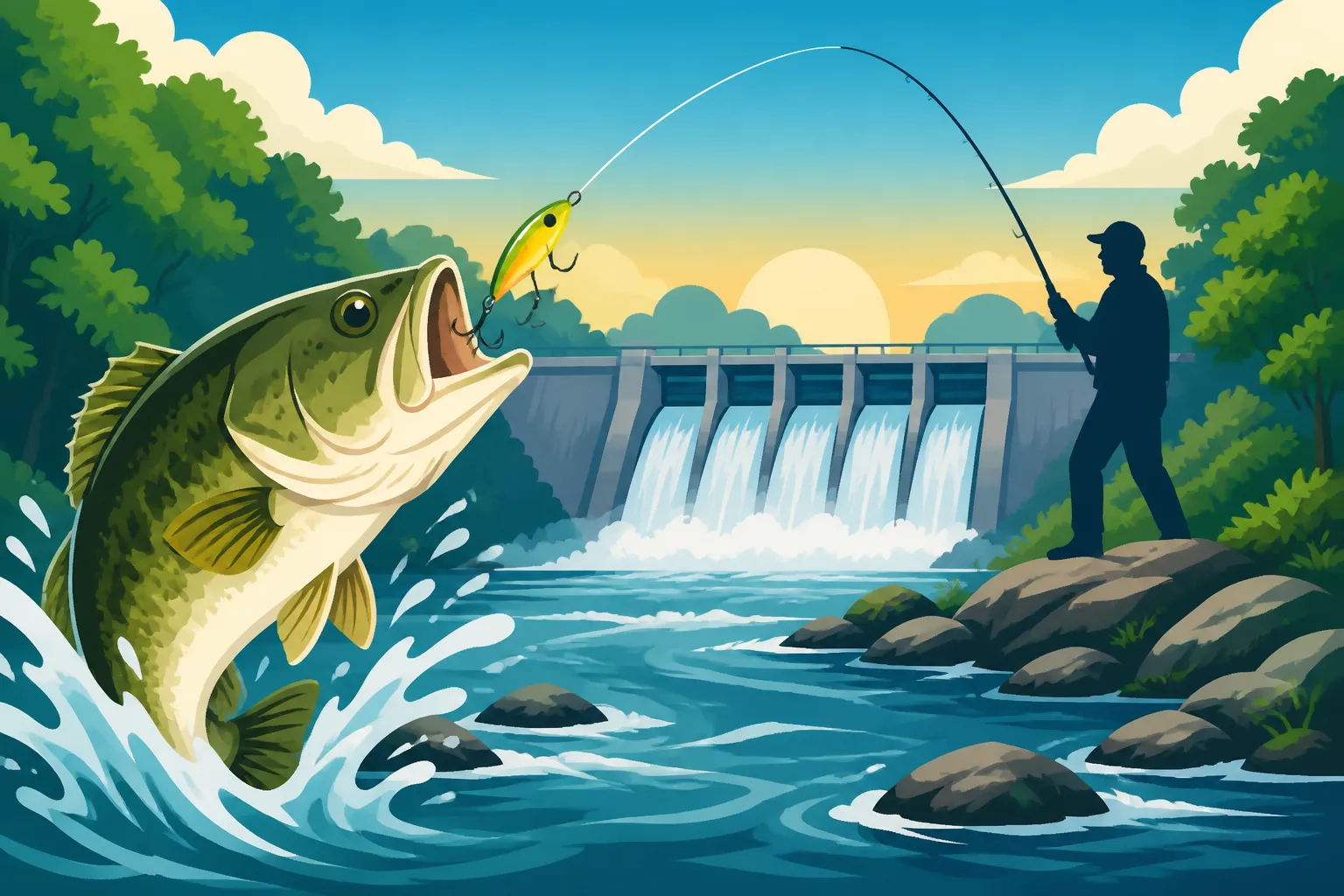
Bass (Largemouth and Spotted): In the slower-moving, warmer sections, especially around structure like submerged timber, rocks, or weed lines, you'll find both largemouth and spotted bass. For these fish, traditional bass fishing techniques come into play. Crankbaits that mimic baitfish, soft plastic worms rigged Texas-style, and jigs are all highly effective. Topwater lures can provide explosive strikes during low light conditions or cloudy days. The key here is to locate areas with current breaks or eddies where bass can ambush prey without fighting the main current. Look for these fish in pockets of calmer water where the cold upstream influence has diminished. If you're using a kayak, explore the backwater coves and slower moving stretches.
Panfish (Bluegill, Crappie, etc.): The Chattahoochee is also home to abundant panfish, particularly in the warmer, slower sections. Bluegill, redbreast sunfish, and even some crappie can be caught, especially near overhanging vegetation, submerged brush, or around docks and pilings. These are fantastic fish for beginners and kids, offering consistent action. Simple setups with a light spinning rod, a bobber, and a hook tipped with a small worm, cricket, or piece of corn are often all you need. Small jigs or tiny spinners can also work wonders. The accessibility of panfish makes the lower Chattahoochee a great spot for a relaxed family outing. Just be mindful of local Georgia Fish Size and Creel Limits as they can vary by species.
Planning Your Trip: Practical Tips and Resources
A successful trip to the Chattahoochee River below Buford Dam isn't just about knowing where to cast; it's also about meticulous planning and leveraging available resources. The dynamic nature of this river demands a proactive approach, especially when it comes to safety and optimizing your fishing window.
Checking Water Levels and Generation Schedules
This cannot be stressed enough: always check the Georgia Power generation schedule for Buford Dam before you go. You can find this information directly on the Georgia Power website or through various mobile apps designed for river flow monitoring. These schedules predict when and for how long the dam will be releasing water. A "generation" means the water level will rise significantly and the current will become very strong. What was a wadeable riffle can quickly become a dangerous torrent.
Planning your trip around these schedules is paramount. Many wade fishermen prefer low-flow periods, often early in the morning before generation begins or on days with no generation scheduled. If you plan to float the river in a drift boat or kayak, you might prefer a consistent, moderate flow. However, even then, be aware of sudden changes, as unscheduled releases can occur. Always have an exit strategy, know your access points, and never turn your back to the upstream current. This isn't just about catching fish; it's about staying safe on one of Georgia's most powerful rivers.
Guided Trips and Local Expertise
If you're feeling a bit overwhelmed by the Chattahoochee's unique challenges, or simply want to fast-track your success, hiring a local guide is an invaluable investment. A professional guide knows the river like the back of their hand, understands the generation schedules implicitly, and can put you on fish faster than you could ever manage on your own. They'll also provide all the necessary gear, expertise on specific techniques for that day's conditions, and crucial safety information.
Platforms like FishingBooker are an excellent resource for finding experienced, reputable fishing guides in the Atlanta area who specialize in the Chattahoochee. Whether you're interested in a full-day float trip for trophy trout or a half-day outing to learn the basics of fly fishing, a guide can tailor the experience to your skill level and goals. They're also a fantastic source of real-time information, from the best fly patterns to the latest regulations, ensuring your trip is not only productive but also compliant with Georgia Fishing Regulations Explained. Beyond guides, don't underestimate the wisdom of local tackle shops. These spots are often run by passionate anglers who can provide up-to-the-minute reports on what's biting, what lures are working, and any local nuances you should be aware of. They're a community hub for anglers and a treasure trove of hyper-local knowledge.
Comparing Chattahoochee River Fishing Zones Below Buford Dam
To help you visualize the different fishing opportunities on the Chattahoochee below Buford Dam, here's a quick comparison of the prime zones we've discussed.
| River Section | Primary Species | Water Temperature | Main Fishing Method | Best Access Points | Key Considerations |
|---|---|---|---|---|---|
| Bowmans Island – Settles Bridge | Rainbow, Brown, Brook Trout | Very Cold (50s) | Wade, Drift Boat | Bowmans Island Park, Settles Bridge Park | Requires checking generation schedule for safe wading. |
| Jones Bridge – Medlock Bridge | Trout, Spotted Bass, Sunfish | Cold (low 60s) | Wade, Drift Boat, Kayak | Jones Bridge Park, Medlock Bridge Access | Transition zone; good for diverse techniques. |
| Abbotts Bridge – Medlock Bridge | Trout, Spotted Bass, Sunfish | Cold to Cool (60s) | Wade, Drift Boat, Kayak | Abbotts Bridge, Island Ford, Medlock Bridge | Mix of currents; good for both fly and spin. |
| Morgan Falls Dam Area | Striped Bass, Spotted Bass, Largemouth Bass, Catfish, Panfish | Cool to Warm (60s-70s) | Bank, Small Boat, Kayak | Morgan Falls Park, Gold Branch, Don White Park | Great for diverse species, less trout-focused, family-friendly. |
Remember that this is a general guide, and conditions can vary. Always adapt your approach based on the specific day's weather, water levels, and fish activity. Don't forget to secure your Georgia Fishing License Guide before heading out!
Additional Tips for a Successful Chattahoochee Outing
Beyond knowing your spots and techniques, a few extra considerations can make all the difference on the Chattahoochee. This river truly is a gem, but like any dynamic natural environment, it rewards preparedness.
Gear Up Properly for Safety and Comfort
Given the cold water and potential for rapid changes, dressing in layers is essential, even in summer. Waders are a must for most trout fishing scenarios in the upper sections, and always ensure they are in good repair. A good pair of polarized sunglasses will help you spot fish and submerged hazards. Don't forget your Georgia Life Jacket Laws for Boaters and Kids – even if you're wading, having one accessible or worn is a smart move, especially during higher flows.
A small backpack with water, snacks, a first-aid kit, and a fully charged phone is also highly recommended. The river's bank access can be challenging in some areas, so be prepared for a bit of a hike to get to those prime spots. If you're using a kayak, check out our Kayak Fishing Gear Guide for Beginners to ensure you have everything you need.
Respect the Resource and Practice Good Ethics
The Chattahoochee is a heavily fished river, especially for trout. Practicing catch-and-release, particularly for wild or larger trout, helps sustain the fishery for everyone. Learn how to handle fish gently, minimize their time out of water, and revive them properly before release. Many sections of the river have specific regulations regarding bait, tackle, and creel limits, so always check the current Georgia fishing regulations provided by the Georgia Department of Natural Resources (DNR). Respect private property, stay on designated access points, and always pack out everything you pack in. Leaving no trace ensures that this beautiful river remains a pristine fishing destination for generations to come.
Understanding the Georgia Trout Stocking Schedule Explained can also inform your expectations for certain times of the year, particularly in the most popular cold-water sections. Whether you're chasing the thrill of a wild brown trout on a dry fly or simply enjoying a relaxing afternoon catching sunfish with the family, the Chattahoochee River below Buford Dam offers a rewarding experience for every angler.
Disclaimer
Please remember that fishing conditions, regulations, and access points can change. Always consult the latest Georgia Department of Natural Resources (DNR) guidelines and Georgia Power generation schedules before heading out. Safety should always be your top priority.