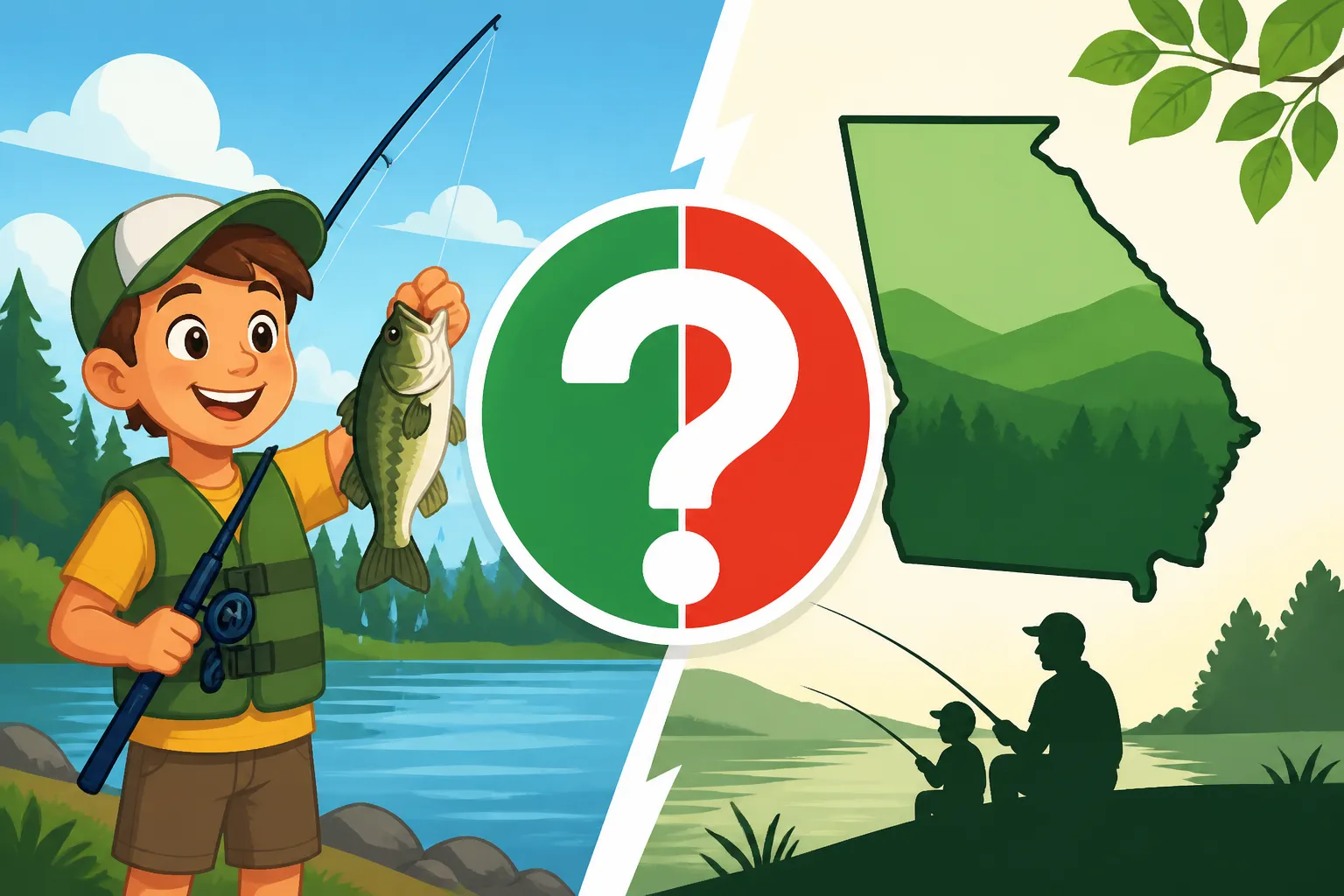
Does a child need a fishing license in Georgia?
One of the most common questions I hear from families gearing up for a fishing adventure in Georgia is whether the kids need a fishing license. It's a completely understandable point of confusion, and let's be honest, nobody wants to kick off a fun day on the water with a misunderstanding of the rules. This guide is here to untangle all the specifics, so you can focus on making memories and landing some fish, knowing you're completely compliant with Georgia's fishing regulations.
Understanding Georgia's Age Requirements for Fishing Licenses
When planning a fishing trip with your little ones, the age requirement for a fishing license is probably at the top of your mind. It’s a common source of stress for parents, wondering if they’ve forgotten some crucial piece of paperwork. Thankfully, Georgia makes it pretty straightforward for its youngest anglers.
The General Rule: Under 16 Years Old
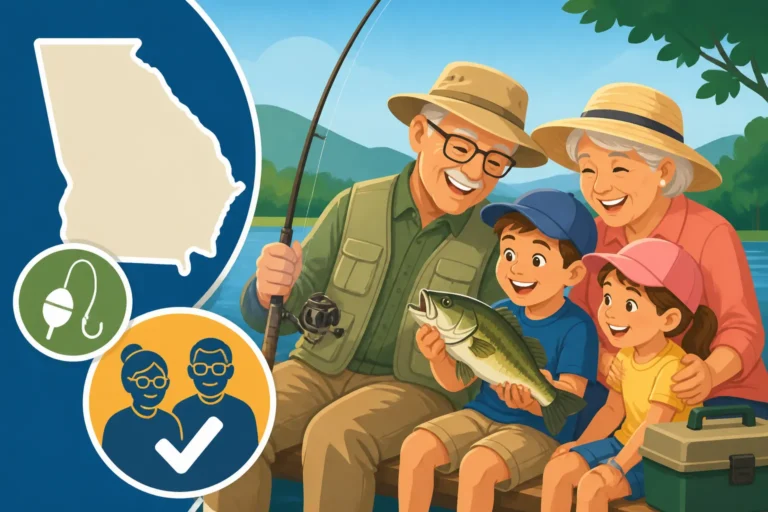
Let's cut right to the chase: in Georgia, children under the age of 16 are generally exempt from needing a fishing license. That's right, if your child or grandchild hasn't celebrated their sixteenth birthday yet, they can grab a rod and reel and fish to their heart's content without you having to purchase a separate license for them. This applies whether you're a Georgia resident or visiting from out of state – the age is the universal factor. It's a fantastic incentive from the state to get more youth involved in outdoor activities and foster a love for fishing from a young age.
Imagine the relief you feel when you're packing up for a weekend trip to Lake Lanier or a quiet pond, knowing you don't have another piece of paperwork to track down. This policy is designed to encourage participation, removing one more barrier to getting kids outdoors and connected with nature. It means less hassle for you and more pure, unadulterated fishing joy for them. It’s all about creating positive early experiences without the burden of administrative tasks.
This rule holds true for all types of general fishing throughout Georgia’s diverse waters. Whether your little angler is casting for bream in a local pond, trying to hook a bass in a sprawling reservoir, or even enjoying some catch-and-release on a stream, if they are under 16, they are covered. This applies to both freshwater and saltwater endeavors, so those coastal trips to the Golden Isles are just as easy on the paperwork front for your kids.
For more in-depth information about the broader requirements, you might want to check out our comprehensive Georgia Fishing License Guide. Understanding the overall structure can help you appreciate the simplicity of the youth exemption.
Exceptions and Special Scenarios
While the "under 16" rule is incredibly consistent and widely applicable, it's always wise to understand if any rare exceptions might pop up. For resident children under 16, there are virtually no scenarios where they would need a basic fishing license for recreational purposes. The state truly wants to make it as easy as possible for kids to fish. This generous exemption means that even if you're taking your child to a specific designated trout stream or other managed fisheries, they won't need a trout stamp or other specialized add-ons in their own name as long as they are under 16.
However, it's crucial to remember that while the child doesn't need a license, the accompanying adult almost certainly will. For instance, if you, as the parent or guardian, are 16 or older, you must possess your own valid How to Get a Fishing License in Georgia to supervise or participate in fishing activities. The child's exemption doesn't extend to the adult. Additionally, even though kids don't need a license, they (and you, as their supervisor) must still adhere to all other fishing regulations, such as specific fish size limits, daily creel limits, and approved fishing methods. You can find detailed information on these in our Georgia Fishing Regulations Explained guide.
Let's consider specific situations like special fishing events or tournaments. Many youth-focused fishing derbies or events explicitly waive license requirements for all participants, regardless of age, as part of their promotional efforts. If your child is participating in an open tournament or a competition in an adult division, their age is still the determining factor for their personal license requirement, not the competition rules. However, for most competitive youth fishing, the organizers often make arrangements, or the state's age exemption simply takes precedence. To understand the nuances of this, especially if you have a budding competitive angler, you might want to read up on Tournament Angler License Rules in Georgia.
It’s also important to note that this youth exemption covers the general fishing license and even add-ons like the Mountain Trout License or the Georgia Saltwater Information Permit Explained. If a child under 16 is fishing in a designated trout stream, they do not need their own Mountain Trout License. The key takeaway is that Georgia really champions youth fishing, making it accessible and largely bureaucratic-free for those under 16, allowing them to focus on the joy of the sport.
Why These Age Rules Matter for Family Fishing Fun
Knowing the specifics about youth fishing licenses in Georgia isn't just about avoiding a ticket; it's about making your family's time on the water genuinely enjoyable and worry-free. Nothing ruins a relaxing day faster than uncertainty about legal requirements.
Avoiding Unnecessary Fines and Headaches
Let's face it, the last thing any parent wants is to have a beautiful day of fishing with their child interrupted by a wildlife ranger asking for a license that you weren't even sure was needed. The stress of that interaction, even if you’re ultimately in the clear, can put a real damper on the outing. By understanding that your child under 16 is exempt, you can breathe a huge sigh of relief. This knowledge is empowering; it means you can confidently state the rules if ever questioned, allowing you to quickly get back to helping your little one reel in their catch.
Consider a hypothetical scenario: you're enjoying a peaceful Saturday morning on the docks of Lake Sinclair, your 8-year-old proudly holding their tiny rod, bobber dancing on the water. A Georgia Department of Natural Resources (DNR) officer approaches, just doing their routine checks. When they ask about licenses, you can confidently explain your child's age, knowing that they are legally covered. No awkward fumbling, no fear of a citation, just a friendly chat and a return to the serenity of fishing. For comparison, an adult fishing without a valid license can face significant Penalties for Fishing Without a License in Georgia, so it's a rule you definitely want to get right for yourself!
The peace of mind that comes with this understanding is invaluable. Instead of worrying about whether you remembered to buy an extra permit, you can pour all your energy into teaching your child how to cast, identify different fish species, or simply enjoy the tranquility of nature. It transforms a potentially stressful outing into pure, unadulterated family fun. This freedom from license concerns allows you to genuinely relax and immerse yourselves in the experience.
It’s also a good reminder that while your child is exempt, you, as the supervising adult (if you are 16 or older), are responsible for having your own valid license. There are various options available, from annual passes to more specific ones like the Annual vs Short-Term Fishing License Options that might suit your needs. Remember, exceptions like Senior Fishing License Rules in Georgia apply to specific adult age groups, but generally, adults need their license.
Setting a Good Example for Young Anglers
Beyond simply avoiding a fine, understanding and adhering to fishing regulations, even when exempt, is a powerful way to set a good example for young anglers. It teaches them that fishing isn't just about catching fish; it's about being a responsible steward of our natural resources and respecting the rules that help conserve them for future generations. When you calmly explain to your child why certain rules exist, like catch limits or specific size requirements, even if they don't need a license themselves, it instills a deeper appreciation for the sport.
This early education fosters excellent habits. As your child grows and eventually turns 16, they will already understand that obtaining a license is a fundamental part of responsible angling. They'll know it's not a burden, but a contribution to the conservation efforts that keep Georgia’s waters healthy and teeming with fish. It’s a lesson in civic responsibility woven into the fabric of a favorite pastime.
Even without a license, teaching kids about other crucial regulations is vital. For example, knowing and following Georgia Fish Size and Creel Limits for various species ensures that even the youngest anglers contribute to sustainable fishing practices. You can turn it into a fun learning opportunity, bringing along a fish identification guide or even an app on your phone to help them distinguish between different species and understand their importance in the ecosystem. You can find some fantastic kid-friendly books and guides on Amazon, perfect for getting them excited about identifying fish species or learning about their habitats before you even hit the water.
Ultimately, by embracing and explaining these regulations, you're not just creating a legal fishing experience; you're nurturing a lifelong love for the outdoors, conservation, and responsible recreation. It’s about building character and fostering an understanding that we all play a part in preserving Georgia's beautiful waterways for everyone to enjoy.
Ensuring Your Child Has a Safe and Legal Fishing Experience
Making sure your child has a safe and legal fishing experience goes beyond just the license; it involves being informed and prepared for your adventure on Georgia's beautiful waters. A little planning goes a long way in creating cherished memories.
How to Confirm Current Regulations
Even though the "under 16" rule for fishing licenses is a consistent cornerstone of Georgia's fishing regulations, it's always a good practice to confirm the latest rules before heading out. Regulations can occasionally be updated, and staying informed ensures there are no surprises. The most reliable place to find the most current information is directly through the Georgia Department of Natural Resources (DNR) Wildlife Resources Division website. They provide comprehensive, up-to-date guides.
You can also pick up a physical copy of the Georgia Fishing Regulations guide, usually available wherever fishing licenses are sold, such as at sporting goods stores, bait and tackle shops, and even some convenience stores. This yearly publication is incredibly handy and breaks down all the regulations, including who needs a license, specific rules for different bodies of water, and species-specific limits. These guides are often free and packed with useful maps and information.
When reviewing the regulations, specifically look for sections titled "Who Needs a License" or "License Exemptions." These sections will clearly outline the age limits and any other conditions. If you're ever in doubt, don't hesitate to contact your local Georgia DNR office. They are there to help anglers understand the rules and are usually very friendly and knowledgeable. Local bait and tackle shops, like those you might find near Lake Hartwell or the Flint River, are also excellent resources. They're often hubs of local fishing knowledge and can clarify any specific questions about the waters in their immediate area.
For adults planning to fish alongside their children, remember you'll likely need a license. Knowing how and where to purchase yours is essential. Options include buying online, by phone, or in person. You can easily find out Georgia License Agents Near You or learn How to Buy a Fishing License Online in Georgia to get your own permit squared away. This ensures that while your child fishes freely, you are also compliant.
Planning Ahead for a Stress-Free Outing
A successful fishing trip with kids isn't just about catching fish; it's about the entire experience. Planning ahead can dramatically reduce stress and amplify the fun. Beyond checking license requirements, think about comfort and safety first. Pack plenty of water, snacks (essential for keeping spirits high!), sunscreen, insect repellent, and a first-aid kit. Consider the weather and dress in layers, because Georgia's weather can be unpredictable, even during a single day.
When it comes to gear, keep it simple for young beginners. A basic spincast rod and reel combo is often ideal, as it’s easy to use and less prone to tangles. You can find excellent, durable, and affordable beginner combos on Amazon that make learning to cast less frustrating and more enjoyable for kids. A simple bobber, some hooks, and worms or corn are often all you need to get them started. Resist the urge to overcomplicate things with advanced tackle; the goal is engagement and fun, not professional angling right off the bat.
Choosing the right fishing spot also makes a huge difference. Look for kid-friendly locations with easy, safe access to the water, like public fishing piers, designated public fishing areas (PFAs), or the shorelines of many Georgia State Parks. Many Georgia State Park Fishing Spots are specifically designed with families in mind, offering amenities like restrooms and picnic areas. These spots often have healthy populations of easy-to-catch panfish like bluegill, which are perfect for building confidence in young anglers. Consider checking out spots that are stocked regularly, as the increased chance of a bite keeps kids engaged.
Finally, set realistic expectations. Not every trip will be a bounty of fish, and that's perfectly okay. The real catch when fishing with kids is often the shared laughter, the quiet moments spent together, the joy of seeing a hawk fly overhead, or the simple pleasure of being outdoors. Celebrate every small victory—a successful cast, a nibble, a fish spotted, or just a peaceful moment by the water. These are the memories that truly last and foster a lifelong appreciation for fishing and nature.
Georgia Fishing License Requirements for Children
To quickly summarize the requirements for children fishing in Georgia, here's a handy table:
| Age Group | Georgia Fishing License Required? | Additional Permits (e.g., Trout) for Child | Key Considerations |
|---|---|---|---|
| Under 16 | No (for residents & non-residents) | Not for the child | Children under 16 can fish freely in both fresh and saltwater without a license. However, they (and their supervisors) must still follow all other Georgia fishing regulations regarding size limits, creel limits, and methods. Accompanying adults aged 16 and older must possess their own valid Georgia fishing license. |
| 16 and Older | Yes (for residents & non-residents) | Yes (if applicable, e.g., Mountain Trout License, Georgia Saltwater Information Permit Explained) | Individuals aged 16 and above must purchase a valid Georgia fishing license, along with any necessary add-ons (like a Mountain Trout License for trout streams) or permits for specific activities. Different types of licenses are available, including annual and short-term options, depending on residency and duration. |
Disclaimer
Please remember that while we strive to provide the most accurate and up-to-date information, fishing regulations can change. It is always the angler's responsibility to verify the current regulations with the Georgia Department of Natural Resources (DNR) or other official sources before engaging in any fishing activities. This guide is for informational purposes only and should not be considered legal advice.