Minimum age for a fishing license in Georgia
It can be incredibly confusing trying to figure out all the rules and regulations around fishing, especially when you're trying to introduce the joy of angling to the younger generation. Many folks wonder if their kids need a license, and if so, at what age the requirement kicks in. This guide aims to clear up all that uncertainty, detailing the specific age requirements for fishing licenses in Georgia so you can focus on making memories on the water.
The Basics: Who Needs a Fishing License in Georgia?
Let's get straight to the point because nobody wants to accidentally break a rule while trying to enjoy a peaceful day out. Georgia has pretty clear guidelines when it comes to who needs a fishing license, and thankfully, there’s a generous exemption for our youngest anglers. Understanding these foundational rules is the first step to ensuring a smooth, worry-free fishing experience for everyone involved.
General Rule for Adult Anglers
For most adults who love to cast a line in Georgia's abundant waters, whether it's the serene lakes or winding rivers, a valid fishing license is generally a must-have. This applies whether you're a resident or just visiting from out of state. These licenses are crucial because the funds generated from their sale go directly back into conserving our natural resources, stocking fish, and maintaining public access points. It's a small fee that contributes to the health and future of Georgia's incredible fisheries. You can find more comprehensive details in our Georgia Fishing License Guide.
The type of license you need might vary depending on if you're a resident, a non-resident, or if you're looking for an annual pass versus a short-term option. For instance, a Georgia resident will typically purchase a different license than someone visiting from Alabama or Florida. There are also specific add-ons, like a mountain trout license, which we'll delve into a bit later. So, while the general rule is "get a license," the specific license can differ quite a bit based on your individual circumstances and what kind of fishing you plan to do. Make sure to check out Georgia Fishing License Costs and Types for all the nitty-gritty financial details.
The Youth Exemption
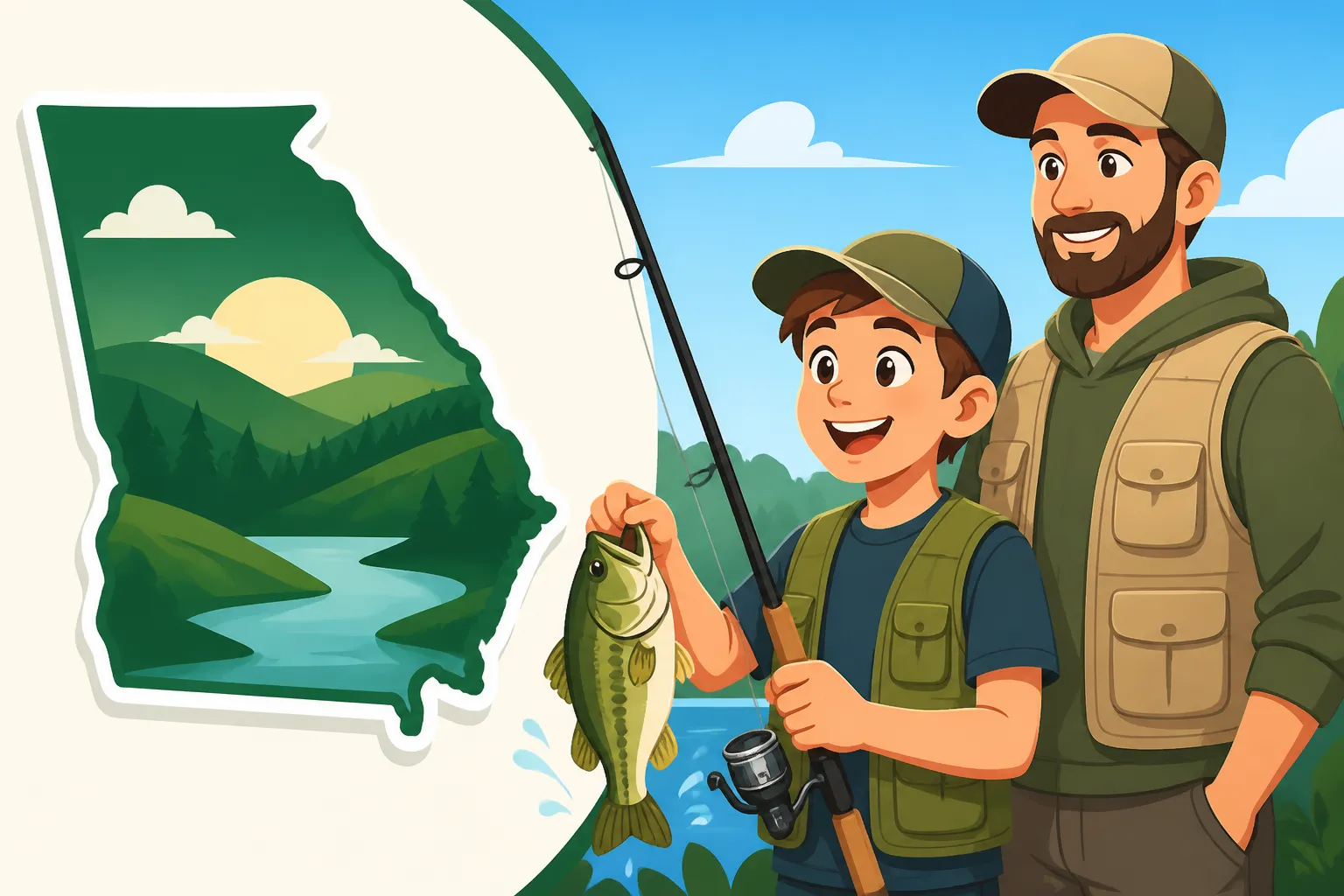
This is where the good news comes in for families! In Georgia, if you are under 16 years of age, you are not required to have a fishing license to fish in public waters. That's right – kids aged 15 and younger can enjoy all the fishing fun without needing to purchase a license. This fantastic exemption is designed to encourage young people to get outdoors, experience nature, and hopefully develop a lifelong passion for fishing. It removes a potential barrier for parents and guardians who want to introduce their children to the sport.
Imagine taking your 10-year-old out to Lake Lanier for the first time. You've got your own license, but they can fish right alongside you, legally, without any extra paperwork or cost. It’s a wonderful way to foster that connection with nature and create lasting memories. This rule simplifies things immensely for families and youth groups, making Georgia a very welcoming state for young anglers. So, if you've been wondering, "Do Kids Need a Fishing License in Georgia?", the answer is generally no, not if they're under 16!
When Parents or Guardians Are Involved
While the youth exemption is fantastic, it's really important to clarify that this exemption is only for the child. If you, as an adult (age 16 and older), are fishing alongside your child, you absolutely do need to possess a valid Georgia fishing license. Your license doesn't "cover" your child, nor does your child's exemption "cover" you. Everyone aged 16 and up must have their own appropriate license.
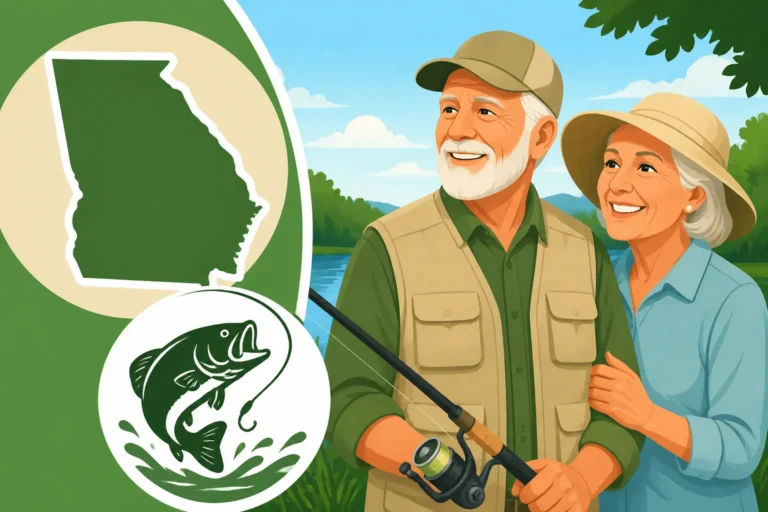
This often comes up when a parent or grandparent is trying to introduce a youngster to fishing. Let’s say Grandpa Joe, a seasoned angler, takes his 8-year-old granddaughter, Lily, to a local pond. Lily doesn't need a license, but Grandpa Joe, being over 16, certainly does. If Grandpa Joe casts a line for Lily, or helps her reel in a fish, he needs to be licensed. Essentially, if an adult is actively participating in the fishing, even if they're primarily helping a child, they must comply with the licensing requirements. It's about personal accountability and ensuring that those who benefit from the state's fishing resources contribute to their upkeep.
Unpacking the "Under 16" Rule
The "under 16" rule is a cornerstone of Georgia's youth fishing initiatives, making it easier for families to get out on the water. But there's more to understand about why this rule exists and how it works in practical terms. It’s not just an arbitrary number; it’s part of a broader strategy to cultivate the next generation of outdoor enthusiasts.
Why the Age Limit?
The decision to set the fishing license age limit at 16 years old isn't random. It’s a common practice across many states and is rooted in several important principles. Primarily, it’s a strategic move by the Georgia Department of Natural Resources (GDNR) and similar agencies nationwide to encourage youth participation in outdoor activities. By removing the financial and bureaucratic barrier of a license, it makes fishing more accessible and appealing to kids and their families. This fosters an early appreciation for conservation and the outdoors.
Think about it: asking a parent to buy a license for a child who might only fish a couple of times a year could be a deterrent. By eliminating that requirement, the state signals that it wants kids to explore fishing without immediate financial commitment. It's an investment in the future of the sport and the future of conservation, hoping that these young, unlicensed anglers will grow into licensed, passionate advocates for Georgia's natural resources. It also aligns with similar regulations for other activities, making it a fairly intuitive age cutoff for many families.
What Doesn't Require a License Even for Adults?
While we're talking about exemptions, it's worth noting that there are a few rare instances where no one, regardless of age, needs a fishing license in Georgia. The most common of these are the designated "Free Fishing Days." The Georgia Department of Natural Resources typically designates several free fishing days each year, usually coinciding with major holidays or national outdoor events. On these special days, residents and non-residents alike can fish in any public water without a license. It’s another fantastic opportunity to introduce someone new to fishing or simply enjoy a day on the water without the usual requirements.
Beyond these specific days, there aren't many other blanket exemptions for adults. However, if you're fishing on private property in a pond or lake that is entirely enclosed within that private property and does not have any connection to public waterways, you typically don't need a license. But this is a very specific scenario and often not applicable to most anglers. For all other public waters, from the smallest creek to the largest reservoirs, the license rules apply to everyone 16 and older.
Age Verification: What to Expect
If you're fishing with a child who looks close to the age limit, say 14 or 15, you might wonder if a game warden or law enforcement officer will question their age. It's a reasonable concern, but generally, it's a pretty straightforward process. Officers typically rely on observation and common sense. If a child is clearly young, there's usually no issue. However, if there's any doubt about a child's age, an officer might politely ask for verification.
This isn't usually a formal demand for a birth certificate on the spot, but rather a simple inquiry to confirm they are indeed under 16. A driver's license, school ID, or even just a parent's confirmation is often sufficient. It's rare for this to be a problem, as most officers understand the spirit of the rule is to encourage youth participation. The most important thing is to be honest and cooperative. If you're a parent or guardian, ensuring your own license is in order will go a long way in demonstrating compliance and making any interaction with an officer quick and pleasant.
Other Considerations for Young Anglers
Even with the generous age exemption, there are still a few other aspects of Georgia fishing regulations that parents and guardians should be aware of when taking younger anglers out. These are often specific to certain types of fishing or locations and are designed to protect particular species or environments. Being informed about these can save you a headache and ensure you're fully compliant, no matter where your fishing adventures take you.
Trout Fishing and Additional Permits
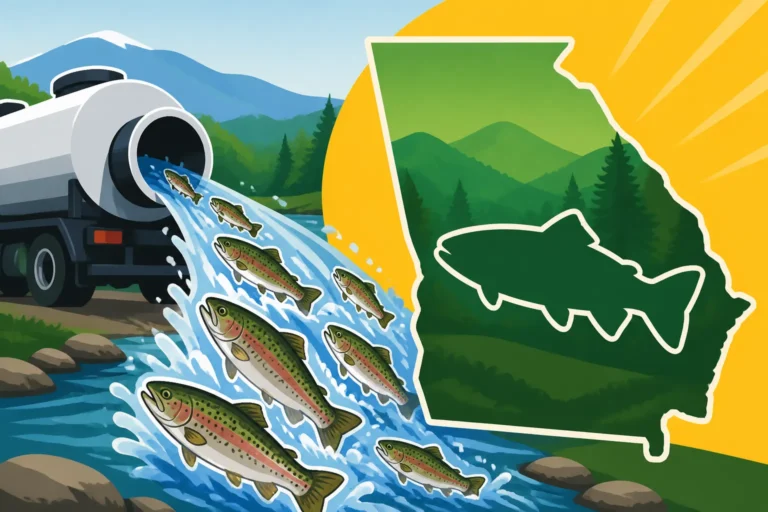
Georgia is renowned for its beautiful North Georgia mountain streams, which are home to some fantastic trout fishing opportunities. However, if your young angler wants to pursue these cold-water beauties, there's a little extra detail to consider. While they might be exempt from a general fishing license, a separate "Mountain Trout License" add-on is required for anyone, including those under 16, who wishes to fish in designated trout waters or possess trout. This is a critical distinction and often surprises folks who are new to trout fishing in the state.
This specialized license helps fund the extensive trout stocking programs and habitat restoration efforts in Georgia’s precious trout streams. Without it, these amazing fisheries wouldn't be nearly as vibrant. So, if you're planning a trip to a spot like the Toccoa River or one of the many streams listed in our Georgia Trout Fishing License Requirements guide, remember to check if a trout license is needed for your child, even if they're under 16. It's a small fee that ensures the continuation of a truly special fishing experience.
Saltwater Information Permit
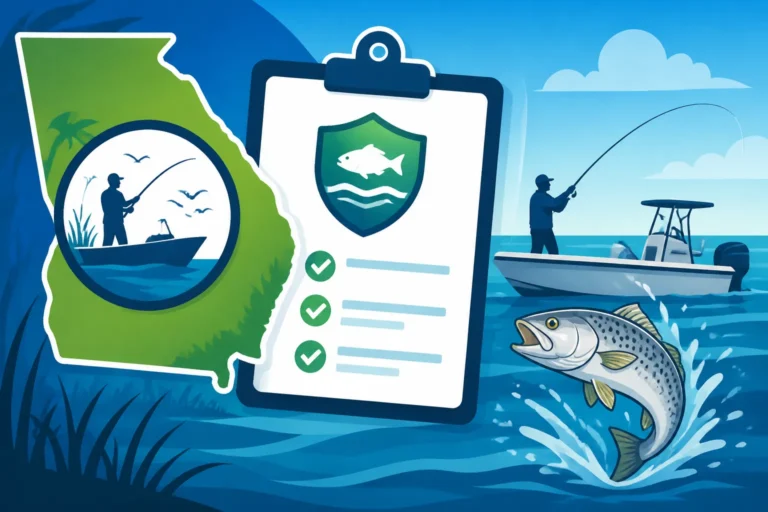
For those adventurous enough to explore Georgia's stunning coastline and its rich saltwater fisheries, there's another point to remember. While children under 16 don't need a fishing license, they (and adults) do need to acquire a "Saltwater Information Permit" if they plan to fish in saltwater. The good news is that this permit is absolutely free. It's primarily a data collection tool for the Georgia Department of Natural Resources, allowing them to better understand fishing pressure and fish populations in coastal waters.
Think of it as a way for the state to keep tabs on who's fishing and what they're catching in the ocean, without putting a financial burden on anglers. Even though it's free, it's still a required step for everyone, regardless of age, who intends to fish in coastal areas. It's easy to get online through the Georgia DNR website or through an approved license agent. Just one more small detail to be aware of when heading to places like the Golden Isles or Brunswick's fishing piers. You can learn more about this in our Georgia Saltwater Information Permit Explained article.
Safety and Gear for Young Anglers
Beyond licenses and permits, the safety and comfort of young anglers should always be a top priority. Fishing with kids means thinking about more than just rods and reels; it means considering their overall experience. For instance, a properly fitted life jacket is absolutely non-negotiable, especially when fishing from a boat or near deeper water. Georgia has specific Georgia Life Jacket Laws for Boaters and Kids, so make sure your child is in compliance and, more importantly, safe. You can easily find a wide range of Coast Guard-approved life jackets for children of all sizes on Amazon, ensuring they have the right fit for their age and weight.
Moreover, having kid-friendly gear can make a huge difference. A simple spincast rod and reel combo that’s easy for small hands to operate can prevent frustration. Consider a basic tackle box with pre-tied rigs and easy-to-handle baits like worms or crickets. Pack plenty of snacks, water, sunscreen, and a hat. Fishing should be fun, not a chore! Searching for "kid's fishing starter kit" on Amazon can yield some excellent and affordable options that include everything a beginner needs to get started.
Encouraging the Next Generation of Anglers
The age exemption for fishing licenses in Georgia isn't just a regulatory detail; it's a powerful tool for encouraging youth participation in outdoor activities. Introducing kids to fishing is about more than just catching fish; it’s about building character, fostering patience, and developing a deep appreciation for the natural world.
Benefits of Starting Young
There's something truly magical about watching a child reel in their very first fish, or even just the pure excitement they get from feeling a tug on the line. Starting young offers a multitude of benefits that extend far beyond the water's edge. Fishing teaches patience, perseverance, and respect for nature. It provides an opportunity for quiet reflection, away from screens and distractions, promoting mental well-being and a sense of calm.
Furthermore, fishing is a fantastic way to bond as a family. These shared experiences, whether it's untangling a line, baiting a hook, or celebrating a catch, create lasting memories. It’s a chance for parents and grandparents to pass down skills and knowledge, sharing stories and creating traditions that can span generations. By offering a license exemption, Georgia helps remove a barrier to these invaluable experiences, making it easier for families to explore our beautiful waterways together. Many educational resources, including books on basic fishing techniques, are readily available on platforms like Amazon, providing a great starting point for young, curious minds.
Finding Kid-Friendly Fishing Spots
Once you're ready to hit the water, finding the right spot is key to a successful outing with kids. You'll want places that offer easy access, relatively calm conditions, and a good chance of catching something, even if it's just a small bluegill. Georgia is blessed with numerous public fishing areas, state parks, and community ponds that are specifically managed with families and young anglers in mind. These spots often have amenities like restrooms, picnic areas, and accessible piers, making for a comfortable and convenient trip.
Look for locations known for abundant panfish like bluegill or crappie, as these are typically easier for beginners to catch and provide consistent action. A great place to start your search is by checking out our guide to Georgia State Park Fishing Spots or exploring local public fishing areas (PFAs) managed by the GDNR. These areas are often stocked, increasing the likelihood of a memorable catch for a young angler. Sometimes, a quick search on Amazon for local fishing guides can also point you to hidden gems or specific spots suitable for families.
Resources for New Anglers
Embarking on a fishing journey with a new angler can feel a bit overwhelming, but thankfully, there are tons of resources available to help you along the way. The Georgia Department of Natural Resources website is a treasure trove of information, offering details on specific fish species, stocking schedules, and local regulations. You can also find educational materials on various fishing techniques, perfect for beginners.
Consider joining local fishing clubs or attending community fishing events. These gatherings are often designed to introduce new anglers to the sport, providing hands-on instruction and a supportive environment. Local bait and tackle shops are also invaluable resources; the staff are usually passionate anglers themselves and can offer personalized advice on the best local spots, baits, and techniques for catching fish with kids. The goal is to make fishing as enjoyable and accessible as possible, ensuring that the next generation continues to cherish and protect Georgia's aquatic wonders.
Summary of Georgia Fishing License Requirements for Youth
To make it super clear, here's a quick reference for youth fishing license requirements in Georgia:
| Age Group | General Fishing License Required? | Mountain Trout License Required? | Saltwater Information Permit Required? |
|---|---|---|---|
| Under 16 | No | Yes (if fishing designated trout waters or possessing trout) | Yes (free, if fishing saltwater) |
| 16 and Over | Yes | Yes (if fishing designated trout waters or possessing trout) | Yes (free, if fishing saltwater) |
It's always a good idea to confirm the latest regulations directly with the Georgia Department of Natural Resources, as rules can occasionally be updated.
Disclaimer
Please remember that while this guide provides comprehensive information, fishing regulations can change. It is always your responsibility to verify the most current rules and regulations with the Georgia Department of Natural Resources (GDNR) or other relevant authorities before engaging in any fishing activities. This content is for informational purposes only and should not be considered legal advice.