Best Sunscreen and Sun Gear for a Day on the Water
There’s nothing quite like a day out on Georgia’s beautiful waters, whether you’re chasing bass on Lake Lanier, fly fishing for trout in the North Georgia mountains, or casting for redfish along the coast. But that glorious sunshine, reflecting off the water, can turn a perfect day into a painful ordeal if you're not prepared. This guide will walk you through the essential sunscreens and sun gear you need to protect yourself, ensuring your focus stays on the fish, not on a nasty sunburn.
Understanding the True Impact of Sun Exposure on Georgia Waters
When you're out on the water, the sun isn't just hitting you from above; it's also bouncing off the surface around you, effectively doubling your exposure. Many anglers underestimate this factor, thinking a little sunscreen on their face is enough. But the reality is, whether you're battling a monster catfish on the Ocmulgee River or patiently waiting for a bite on Lake Oconee, you're constantly exposed to intense UV radiation. The serene beauty of Georgia's lakes and rivers can quickly become a source of discomfort and long-term health risks if you're not properly protected.
The Double Whammy: Direct Rays and Water Reflection
It's a common misconception that if it's cloudy, you're safe. Not true! Up to 80% of the sun's UV rays can penetrate clouds, meaning you're still vulnerable even on an overcast day. Add to that the reflective properties of water, and you're essentially getting hit from two directions. This significantly increases your risk of sunburn, which can appear much faster and more severely than if you were just sitting in your backyard.
Think about a hot summer day at Lake Sinclair Fishing Spots or even a cooler, bright winter day. The sun's intensity doesn't always correlate with air temperature. That shimmering surface of the water, so inviting to fish, is also a powerful mirror for UV radiation. This constant bombardment can lead to uncomfortable burns, peeling skin, and certainly put a damper on your next fishing trip. It’s not just about comfort; it's about minimizing immediate damage.
Beyond immediate sunburn, this amplified exposure has serious long-term consequences. Regular, unprotected time on the water contributes to premature skin aging—think wrinkles, sunspots, and leathery skin texture. But far more concerning is the increased risk of skin cancer, including melanoma, which is the most dangerous form. Protecting yourself isn't just a recommendation; it's a vital part of responsible angling.
The Unseen Threat: Heat and Dehydration
While UV rays are a direct attack on your skin, prolonged exposure to Georgia's often intense heat, especially during summer, can lead to other dangerous conditions. Heat exhaustion and heatstroke are real risks for anglers who spend hours under the sun without proper precautions. Coupled with the physical exertion of fishing, staying hydrated and managing your core body temperature becomes paramount.
Dehydration can sneak up on you. You might not feel thirsty until you're already well into it, and by then, your performance and judgment can be impaired. This isn't just a comfort issue; it's a safety concern, especially if you're alone or far from shore. Combine dehydration with the sun's direct assault, and you're creating a perfect storm for feeling absolutely miserable and potentially putting yourself in danger.
Preventing heat-related illness goes hand-in-hand with sun protection. Wearing light-colored, breathable clothing that covers your skin helps regulate body temperature by preventing direct sun absorption. Strategic breaks in the shade, frequent sips of water or electrolyte drinks, and knowing your limits are all crucial for a safe and enjoyable day. Don't let a great fishing opportunity turn into a medical emergency.
Choosing the Right Sunscreen for Georgia Anglers
When it comes to sunscreen, not all products are created equal, especially for the unique demands of fishing in Georgia. You need something that offers robust protection, holds up to sweat and water, and is easy to apply and reapply without disrupting your focus on the fishing action. Forget the basic tanning lotion; we're looking for serious sun defense here.
SPF Numbers and Broad-Spectrum Protection
The SPF (Sun Protection Factor) number indicates how well a sunscreen protects against UVB rays, which are the primary cause of sunburn. For extended time on the water, an SPF of 30 or higher is an absolute minimum. SPF 50+ is even better, especially if you're prone to burning or will be out during peak sun hours. Don't be fooled into thinking SPF 100 offers double the protection of SPF 50; the increase in protection above SPF 50 is minimal, typically only a few percentage points.
More important than just a high SPF is ensuring your sunscreen offers "broad-spectrum" protection. This means it defends against both UVA and UVB rays. While UVB rays cause sunburn, UVA rays contribute to skin aging and increase the risk of skin cancer. Look for products clearly labeled "broad-spectrum" on the bottle. Many reputable brands offer excellent broad-spectrum formulas perfect for a day spent chasing Largemouth Bass Fishing in Georgia: The Complete Species Guide. You can often find a wide selection at stores like Bass Pro Shops or online retailers like Amazon.
When applying, don't skimp! Most people don't use enough sunscreen to achieve the advertised SPF. A good rule of thumb is about a shot glass full for your entire exposed body. Apply it generously 15-30 minutes before you head out, allowing it time to absorb and create a protective barrier. And remember, broad-spectrum is key for complete protection against both burning and long-term damage.
Water Resistance and Reapplication Protocol
For any angler, water resistance is non-negotiable. Whether you're splashing while landing a fish, sweating in the summer heat, or getting caught in a sudden shower, your sunscreen needs to stay put. Look for labels that specify "water resistant" or "very water resistant" for either 40 or 80 minutes. These aren't waterproof, meaning they don't last indefinitely, but they offer crucial protection during your active hours.
Even with water-resistant formulas, reapplication is critical. You should reapply sunscreen at least every two hours, or more frequently if you've been sweating profusely, swimming, or drying off with a towel. It's easy to lose track of time when the fish are biting, but setting a timer on your phone can be a simple reminder to re-up your protection. Neglecting reapplication is one of the most common reasons anglers still get burned despite using sunscreen.
Don't forget those easily missed spots! The tops of your ears, your nose, your lips (use a lip balm with SPF), the back of your neck, and even the tops of your feet if you're wearing sandals are all vulnerable. Many anglers get surprised by a nasty burn on the back of their hands or forearms, areas constantly exposed while casting and reeling. Make a conscious effort to cover every bit of exposed skin.
Mineral vs. Chemical Sunscreens
You'll generally find two types of sunscreens: mineral (physical) and chemical. Mineral sunscreens use zinc oxide and titanium dioxide to create a physical barrier on the skin that reflects UV rays. These are often a good choice for sensitive skin and are considered "reef-safe," which, while primarily a concern for saltwater environments, is a good habit to adopt for any waterway.
Chemical sunscreens, on the other hand, absorb UV rays and convert them into heat before they can damage your skin. They tend to be thinner, rub in more easily, and often leave less of a white cast. The choice between mineral and chemical often comes down to personal preference for feel, application, and skin sensitivity. Both can be highly effective when used correctly.
Experiment with different brands and types to find what works best for you. Some anglers prefer a stick formulation for quick, precise application on the face, while sprays can be convenient for larger body areas (just be sure to rub them in for even coverage). Regardless of your choice, make sure it's fresh—sunscreen can lose its effectiveness over time, so check the expiration date on the bottle before your trip.
Essential Sun Gear Beyond Sunscreen
While sunscreen is a foundational layer of defense, it's not a standalone solution. The smart angler supplements sunscreen with an arsenal of protective clothing and accessories that provide physical barriers against the sun's relentless assault. These items are often more effective and longer-lasting than sunscreen alone, especially during those long days on the water.
Hats, Hoods, and Neck Gaiters
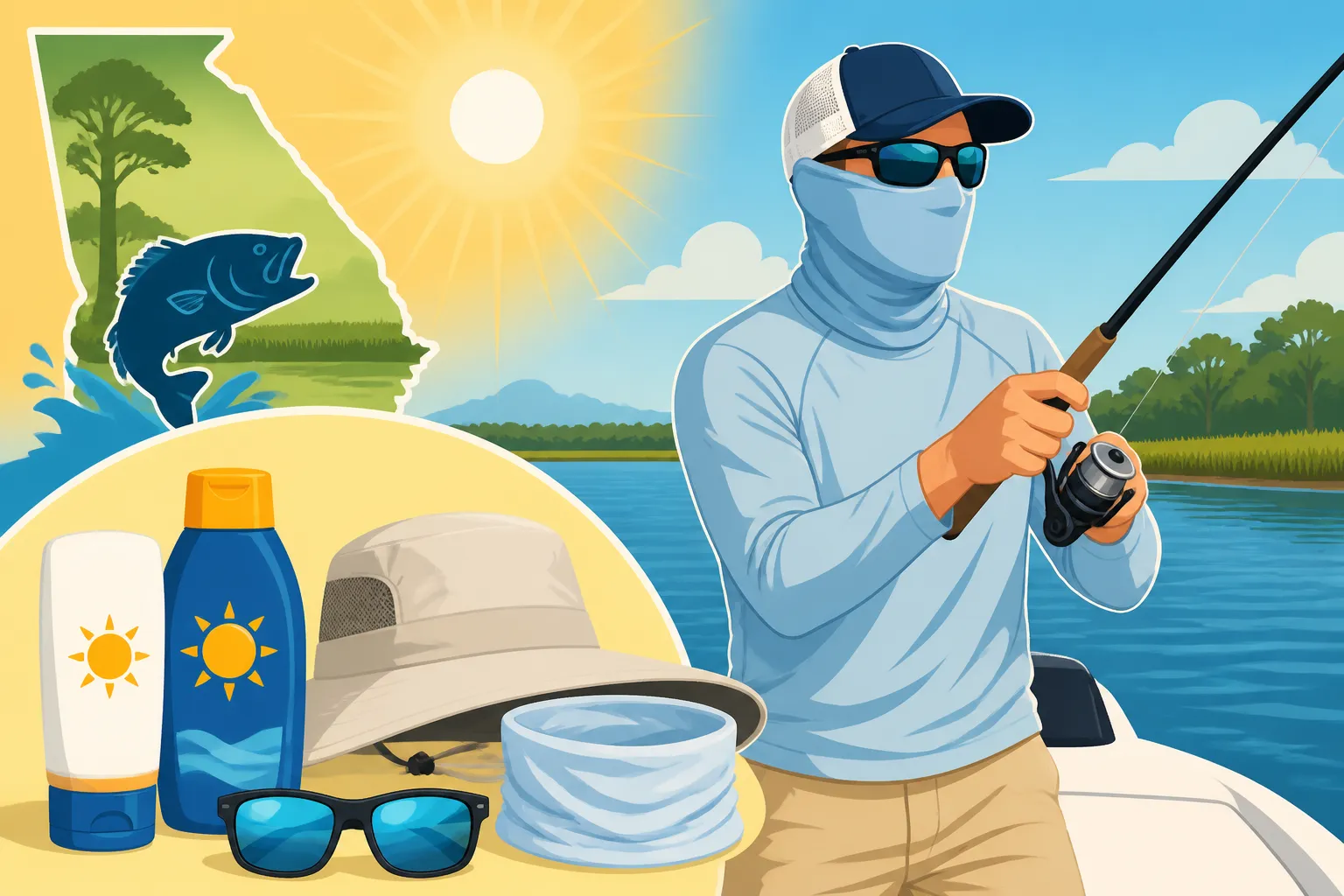
A wide-brimmed hat is arguably one of the most important pieces of sun gear you can own. A baseball cap, while popular, leaves your ears and neck completely exposed, which are prime targets for sun damage. Look for hats with a full 360-degree brim that extends far enough to shade your face, ears, and neck. Many fishing-specific hats are made from lightweight, breathable, and quick-drying materials.
Consider features like an adjustable chin strap to keep your hat secure in the wind, which is almost a certainty on the water. Some hats even come with a built-in neck flap for extra protection. Combine this with a good quality neck gaiter or bandana, and you've got full coverage for your neck and lower face, areas often overlooked. Many modern gaiters offer UPF (Ultraviolet Protection Factor) ratings, which is a big plus.
For even more comprehensive coverage, especially if you're sensitive to sun or going to be out all day, consider a hooded shirt. The hood, when paired with a neck gaiter, offers complete head and neck protection that moves with you. It’s an easy way to stay cool and covered. Brands available at Bass Pro Shops often have great selections of these types of specialized sun gear.
UPF Clothing: Long Sleeves and Pants
This is where many anglers make a mistake, thinking a regular cotton t-shirt offers sufficient protection. While cotton does offer some barrier, its UPF rating is often very low, especially when wet. Specialized UPF clothing is designed with tightly woven fabrics that block a much higher percentage of UV radiation. Look for shirts, pants, and even gloves with a UPF rating of 30 or higher (UPF 50+ is ideal).
Long-sleeved shirts made from lightweight, breathable, moisture-wicking UPF fabric are a game-changer. They keep you cooler by wicking sweat away from your skin, and they provide constant, reliable sun protection without the need for constant reapplication of sunscreen to your arms. Many anglers find these shirts more comfortable in direct sun than short sleeves, as they actually help regulate body temperature.
Don't forget your legs! Many modern fishing pants or convertible pants also come with UPF ratings. They're typically lightweight, quick-drying, and offer plenty of pockets for your fishing essentials. Protecting your legs from the sun is just as important as protecting your arms, especially if you're standing in a boat all day. For a long day on the water, having the right layers, including those you might wear underneath, is also important, as described in Best Rain Gear and Layers for Boat Fishing.
Polarized Sunglasses and Sun Gloves
Your eyes are incredibly vulnerable to sun damage, which can lead to cataracts, macular degeneration, and other serious issues over time. High-quality polarized sunglasses are a must-have for every angler. Polarization reduces glare off the water, helping you see into the water better (spotting fish or underwater structure) and drastically reducing eye strain. But beyond that, they must offer 100% UV protection.
Make sure your sunglasses are rated to block 99-100% of UVA and UVB rays. Investing in a good pair is not just about comfort; it's about long-term eye health and safety. The ability to see clearly through the glare also enhances your fishing success, whether you're sight fishing for trout or looking for submerged cover for bass. When you're spending hours on the water, the difference a good pair of polarized lenses makes is undeniable.
Finally, sun gloves. These are often overlooked but incredibly valuable. Your hands are constantly exposed to direct sunlight while holding your rod, baiting hooks, and reeling in fish. Sun gloves provide UPF protection for the back of your hands and wrists, preventing those classic "angler's tan lines" and protecting against long-term sun damage. They're typically lightweight, breathable, and designed to maintain dexterity for handling tackle.
Assembling Your Ultimate Sun Protection Kit
Putting together your sun protection kit doesn't have to be complicated or expensive. It’s about being mindful and intentional before you even leave the dock. A little preparation goes a long way in ensuring your day fishing Georgia's magnificent waters is enjoyable and safe. Think of it as essential as your rod, reel, and tackle box.
A Practical Checklist for Every Trip
Before you head out, run through a quick mental checklist of your sun protection gear. This should be as routine as checking your Safety Gear Checklist for a Day on Lake Lanier or making sure you have your Georgia Fishing License Guide. Having everything ready means less stress and more time focused on reeling in your next big catch.
Here’s a simple checklist to make sure you’re covered:
| Item | Key Feature | Why It's Essential |
|---|---|---|
| Sunscreen | SPF 30+ Broad-Spectrum, Water-Resistant (80 min) | Primary skin defense against UV rays, prevents burn |
| Wide-Brimmed Hat | 360° brim, chin strap, breathable | Shades face, ears, neck; prevents scalp burn |
| UPF Long-Sleeve Shirt | UPF 30-50+, moisture-wicking, light-colored | Constant arm/torso protection, keeps you cool |
| Neck Gaiter/Buff | UPF 30-50+, breathable | Protects neck, lower face, and ears |
| Polarized Sunglasses | 100% UVA/UVB protection, anti-glare | Protects eyes, reduces strain, improves visibility |
| Sun Gloves | UPF protection, lightweight | Protects hands and wrists from constant exposure |
| SPF Lip Balm | SPF 15+ | Prevents sunburn and chapping on lips |
| Hydration (Water/Electrolytes) | Ample supply, insulated bottle | Prevents dehydration and heat-related illness |
This isn't about being overly cautious; it's about being smart. Especially if you're heading out to prime spots like the Best Fishing Spots on Lake Lanier for Beginners or planning a full day on the Flint River, you'll want this gear ready.
Keeping Your Gear Handy and Organized
Having the gear is one thing; making sure it's accessible is another. Keep your sunscreen in an easy-to-reach pocket in your tackle bag or boat console. A dedicated small dry bag for your sun gear, including your hat, gaiter, and gloves, can prevent them from getting lost or damaged. When you need to reapply sunscreen or put on your gaiter, you don't want to be digging through a messy bag.
For items like lip balm, consider having a few stashed in different places—one in your tackle bag, one in your life jacket pocket, maybe even one clipped to your hat. The easier it is to use, the more likely you are to actually use it. Think about the convenience factor, especially when you're in the middle of a hot bite or trying to navigate a tricky section of river.
Consider where you store your gear in your boat or kayak. You want it out of direct sunlight when not in use to prolong its life, but still easy to grab. For instance, putting your sunscreen in a cooler or under a seat can prevent it from overheating and potentially degrading its effectiveness. A little organization can make a huge difference in your overall comfort and protection on the water.
Lead by Example: Protecting Future Anglers
As experienced anglers, we have a responsibility to not only protect ourselves but also to set a good example for the next generation. If you're taking kids out fishing, whether it's at a local pond or one of the Great Fishing Spots for Kids and Families in Georgia, make sun protection a non-negotiable part of the routine. Show them how to apply sunscreen, explain why it's important to wear a hat, and encourage them to wear UPF clothing.
Kids' skin is even more sensitive to sun damage, and early exposure can have significant long-term health implications. By making sun protection a fun and natural part of fishing, you're instilling good habits that will last a lifetime. Stock a "kid's sun kit" with their own brightly colored hats, kid-friendly sunscreens, and fun neck gaiters. Do Kids Need a Fishing License in Georgia? is an important consideration, but so is their physical well-being.
Ultimately, protecting yourself from the sun isn't about fear; it's about respect—respect for your health, respect for the power of nature, and respect for the countless days you want to continue enjoying on Georgia's incredible waterways. By gearing up smart, you ensure that fishing remains a joyful, lifelong pursuit, free from the discomfort and risks of sun damage.
Disclaimer
This article is for general informational purposes only and does not constitute professional advice. Laws, prices and regulations vary by location and change over time. Consult a qualified professional for guidance on your specific situation.