Do You Need a Whistle on a Kayak in Georgia?
It’s a question that pops up a lot when you’re getting ready to hit the water in your kayak: do I really need all this safety gear, especially something as simple as a whistle? It can feel overwhelming trying to keep track of all the rules for different types of boats, big or small. But understanding what's legally required and what's just plain smart for your kayak in Georgia isn't just about avoiding a potential fine – it's fundamentally about ensuring your safety and the safety of those around you. This comprehensive guide will clear up Georgia's specific requirements for audible signaling devices on kayaks and help you understand why a little whistle can be a huge asset on the water.
The Clear Answer: Yes, a Whistle (or Similar Device) is Required
Let's cut right to the chase: yes, if you're out on the water in your kayak in Georgia, you absolutely need an audible signaling device, and a whistle is the most common and practical choice. This isn't just a suggestion; it's a legal requirement enforced by both federal and state regulations. Many people assume that because kayaks are small and often powered by paddles, they're exempt from the rules that apply to larger, motorized vessels. That's a common misconception that can lead to an unexpected conversation with law enforcement on the water or, more importantly, a dangerous situation where you can't communicate.
Why the Georgia Department of Natural Resources Cares About a Whistle
Think about it: what’s the primary way to get someone's attention on the water when you’re in trouble or need to warn them? Yelling might work if they're close, but the sound of wind, waves, or other boats can quickly drown out your voice. That’s where an audible signaling device comes in. The Georgia Department of Natural Resources (DNR) mandates these devices because they serve a critical safety function. Whether you’re caught in fog, need to alert a larger boat to your presence, signal for help if you've capsized, or even just communicate with a paddling buddy who's drifted a bit far, a loud, distinct sound is often your best bet. A whistle can project sound much further and more consistently than a human voice, especially when you're tired or in distress. It's a simple tool that can make a profound difference in an emergency.
Federal vs. State Regulations: They Align on This Point
You might hear talk about both federal and state boating laws. Generally, federal regulations apply to "navigable waters" – think larger lakes, major rivers, and coastal areas that connect to interstate commerce or the ocean. State regulations often cover smaller, inland lakes and rivers. The good news for kayakers in Georgia is that on the requirement for audible signaling devices, these regulations typically align. Both federal and Georgia state law classify a kayak as a vessel, and vessels are required to carry a sound-producing device that can signal a distress or alert others to your presence. So, whether you're paddling the Chattahoochee River through Atlanta, exploring a quiet cove on Lake Lanier, or hugging the coast near the Golden Isles, that whistle needs to be on board and readily accessible. For a broader understanding of Georgia's boating rules, you might want to read our guide on What Safety Equipment Is Required on a Georgia Boat.
What Counts as an "Audible Signaling Device" for Your Kayak?
When the regulations talk about an "audible signaling device," they're looking for something that can produce a sound loud enough to be heard over a reasonable distance, distinct from human shouting. While there are various options out there, for kayaks, simplicity and reliability are key.
Whistles: Simple, Effective, and Required
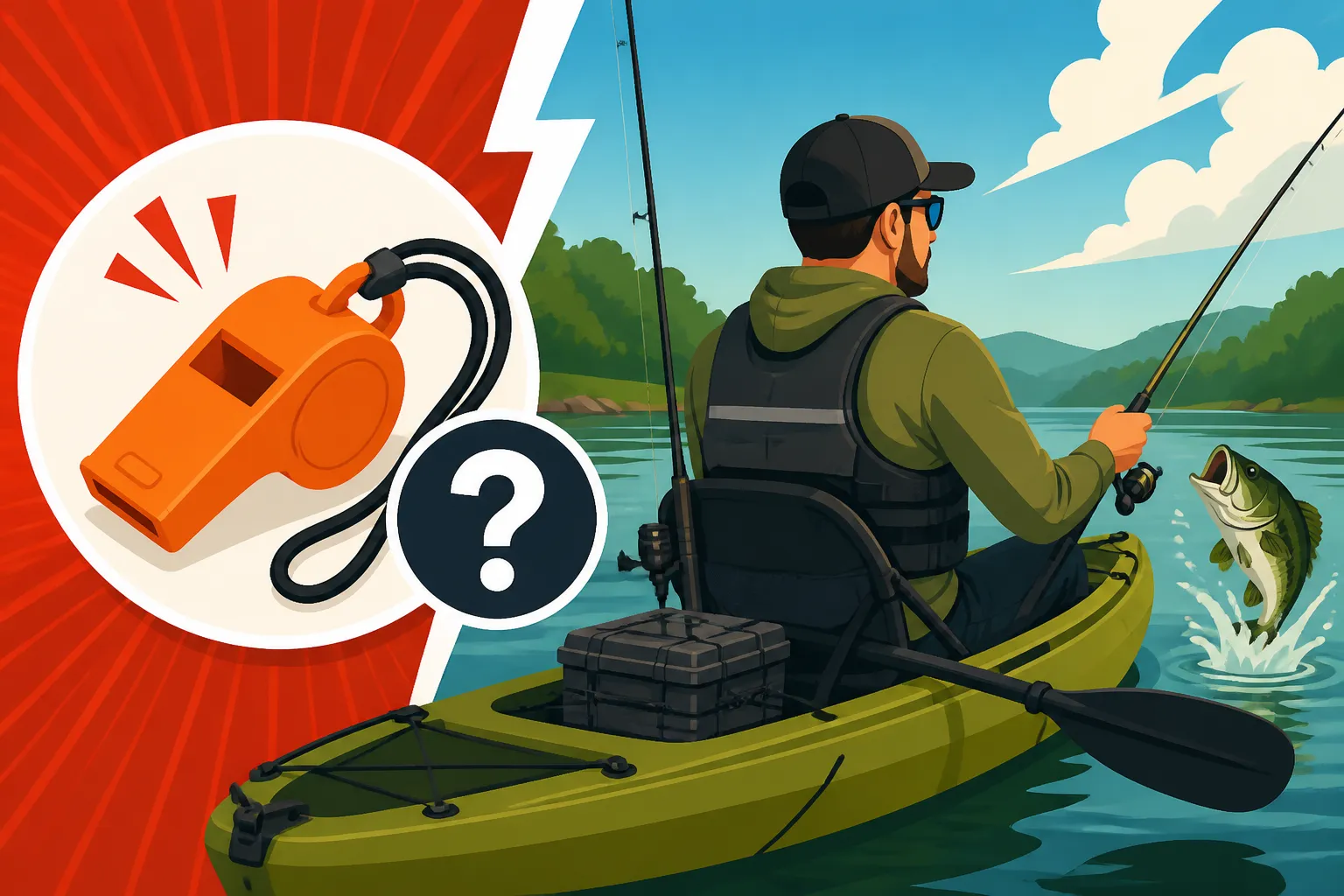
A whistle is by far the most practical and common choice for kayakers. It’s small, lightweight, inexpensive, and doesn't rely on batteries or pressurized air. The best kind for kayaking is often a pealess whistle – meaning it doesn't have a small cork pea inside. These are great because they won't get stuck if they get wet or filled with debris, ensuring a consistent, shrill sound every time you blow into it. Plastic whistles are generally preferred over metal ones for water sports because they won't corrode and are less likely to freeze to your lips in cold weather.
When choosing one, look for something that's marine-grade or designed for outdoor use. You can easily find suitable whistles at outdoor retailers like Bass Pro Shops or even general online marketplaces like Amazon. Many PFDs (personal flotation devices) actually come with a whistle attached, or have a small pocket or loop to keep one handy. Make sure it's securely attached to your PFD or kayak in a spot where you can quickly grab it, even if you capsize. Having it buried at the bottom of a dry bag won't do you any good in an emergency.
Alternatives (and Why They're Less Practical for Kayaks)
While a whistle is the go-to, other devices technically qualify as audible signaling devices. For instance, an air horn or a marine horn would also meet the requirement. However, for a kayak, these are generally overkill and come with their own drawbacks:
- Air Horns: They are incredibly loud, which is good for signaling, but they're bulky, heavy, and rely on compressed air canisters. These canisters can run out, are sensitive to temperature changes, and can be punctured. Storing one securely and conveniently on a kayak without taking up too much space or posing a snagging hazard can be difficult.
- Marine Horns (Electric or Manual): Electric horns require a power source (battery), which most kayaks don't have. Manual crank horns are less common and still bulkier than a whistle.
For these reasons, the humble whistle remains the undisputed champion for kayak safety signaling. It’s hard to beat its combination of effectiveness, portability, and low maintenance.
Beyond the Whistle: Essential Kayak Safety Gear in Georgia
While we're focusing on the whistle, it's crucial to remember that it's just one piece of the puzzle when it comes to kayak safety. Georgia, like all states, has a suite of regulations designed to keep you safe on the water. Equipping yourself properly means understanding these broader requirements. For a deeper dive into overall boating safety in Georgia, be sure to check out our Safety Gear Checklist for Georgia Boaters.
Life Jackets (PFDs): Non-Negotiable
This is perhaps the most critical piece of safety gear, and it's absolutely mandatory. In Georgia, every person on board a kayak (or any vessel) must have a U.S. Coast Guard-approved wearable personal flotation device (PFD). What’s more, children under 13 years of age must wear a PFD at all times while on any vessel, unless they are in an enclosed cabin. Even for adults, while you don't always have to wear it, having it easily accessible is crucial. Trust me, trying to put on a PFD after you've unexpectedly capsized in cold water is a frantic, often impossible task. Just wear it. It’s truly your best friend on the water. You can learn more about specific PFD rules in Georgia Life Jacket Laws for Boaters and Kids and find recommendations in Best Life Jackets for Kayak Fishing.
Visual Distress Signals: When and Where You Might Need Them
For many small recreational vessels, especially on inland waters, visual distress signals (VDS) aren't strictly required. However, if you plan to paddle on certain federally controlled waters, especially at night or in conditions of reduced visibility (like fog), you might need them. These can include:
- Flares: Pyrotechnic flares are highly effective but have expiration dates and must be handled with care.
- Day Signals: Non-pyrotechnic signals like an orange distress flag can be used during daylight hours.
- Electronic Signals: Some electronic visual distress signals (eVDSDs) are also available, offering a modern alternative to flares.
For most casual kayakers on smaller Georgia lakes and rivers, a VDS isn't always mandatory, but it’s always smart to assess your environment. If you’re venturing onto larger reservoirs like Clarks Hill Lake or out into coastal areas, it's something to consider seriously.
Navigational Lights: Paddling After Dark
If you ever plan to be on the water from sunset to sunrise, or during periods of restricted visibility (like fog or heavy rain), you are legally required to display navigational lights. For kayaks, this usually means a single white light that is visible from 360 degrees, which you can turn on to show your presence and prevent collisions. This is often a portable, battery-powered light that you can attach to your kayak or PFD. Don’t rely on a headlamp alone, as it doesn't offer 360-degree visibility. Being seen after dark is paramount to safety, especially with motorized boats on the water.
Other Smart Additions for Kayak Safety
While not always legally mandated for every kayak trip, these items are highly recommended and can greatly enhance your safety and enjoyment on the water. Think of them as part of your overall Kayak Fishing Gear Guide for Beginners.
- Paddle Leash: Losing your paddle can turn a fun day into a true emergency, especially if there's current or wind. A simple leash keeps your paddle attached to your kayak.
- Bilge Pump or Sponge: Even small amounts of water can accumulate in your kayak from waves, rain, or a splashy re-entry. A small hand bilge pump or even a large sponge can quickly remove water and keep your boat more stable.
- First Aid Kit: Cuts, scrapes, bug bites, and minor injuries are common outdoors. A waterproof first aid kit designed for marine use is a must-have.
- Communication Device: A fully charged cell phone in a waterproof case or a VHF marine radio (especially for coastal or larger lakes) can be invaluable for calling for help or checking weather updates.
- Sun Protection: Georgia sun can be intense! Hats, sunglasses, long-sleeve UV shirts, and sunscreen are crucial for preventing sunburn and heatstroke. Best Dry Bag for Kayak Fishing Trips can help keep your sun protection and other gear dry.
- Anchor and Line: A small, lightweight anchor can be useful for holding your position while fishing or taking a break, especially in windy conditions.
- Knife or Multi-tool: A sharp knife with a serrated edge can be critical for cutting tangled fishing line, rope, or even removing a hook from yourself or a fish.
Getting your kayak ready for the water is about more than just having the right fishing setup; it's about being prepared for whatever the environment throws at you. Remember, having the right gear is just as important as knowing the Georgia Fishing Regulations Explained before you cast a line.
Here’s a quick overview of essential kayak safety gear:
| Category | Item | Requirement in Georgia (Kayaks) | Importance |
|---|---|---|---|
| Audible Signaling | Whistle | Required | Alerting others, signaling distress |
| Personal Flotation | USCG-Approved PFD | Required (on board) | Staying afloat in case of capsize |
| Visual Signals | White Light (360°) | Required (sunset to sunrise) | Visibility to other vessels at night/low light |
| Navigational | None Specific | Not typically required | Helps with self-rescue or communication |
| Practical Extras | Paddle Leash | Recommended | Prevents losing paddle |
| Bilge Pump/Sponge | Recommended | Removes water from kayak | |
| First Aid Kit | Recommended | Addresses minor injuries | |
| Waterproof Phone/Radio | Recommended | Communication in emergencies | |
| Sun Protection (hat, sunscreen, etc.) | Highly Recommended | Prevents sunburn, heatstroke | |
| Knife/Multi-tool | Recommended | Cutting lines, general utility |
It’s always a good idea to refresh your knowledge on all Georgia fishing and boating laws. While we're talking about basic safety, you'll also want to make sure you have your Georgia Fishing License Guide in order. And remember, depending on whether you're paddling a small recreational kayak or a larger fishing kayak like those you might see at Bass Pro Shops, the specific gear you carry might vary slightly. For instance, the needs of someone fishing for trout in a mountain stream might differ from someone chasing bass on Best Kayak for Fishing Georgia Lakes. However, the whistle remains a constant. Even if you're just wondering Do Kayaks Need to Be Registered in Georgia?, knowing the simple safety rules applies universally. Some more advanced boaters might even consider getting their Georgia Boater Education Card Requirements, which covers a broader range of safety topics.
Ultimately, safety on the water is everyone's responsibility. That little whistle is a small investment that can provide a significant layer of protection. Always err on the side of caution and enjoy your time responsibly on Georgia’s beautiful waterways!
Disclaimer
This article is for general informational purposes only and does not constitute professional advice. Laws, prices and regulations vary by location and change over time. Consult a qualified professional for guidance on your specific situation.