How Many Life Jackets Do You Need on a Boat in Georgia
One of the most common questions I hear from fellow anglers and recreational boaters in Georgia, especially those new to hitting our beautiful lakes and rivers, is about life jacket rules. It can feel like navigating a maze of regulations, and frankly, it's easy to get confused about how many you really need and for whom. This guide is here to clear up all that uncertainty, helping you understand Georgia's life jacket requirements so you can enjoy your time on the water safely and legally.
Understanding Georgia's Life Jacket Laws
The thought of heading out on the water, whether for a peaceful day of fishing on Lake Lanier or a spirited ride on a personal watercraft, brings a certain sense of freedom. But with that freedom comes responsibility, and in Georgia, that means adhering to specific regulations regarding personal flotation devices, or PFDs. These aren't just arbitrary rules; they're designed to keep everyone safe, and knowing them is the first step toward a worry-free day.
The "One for Everyone" Rule
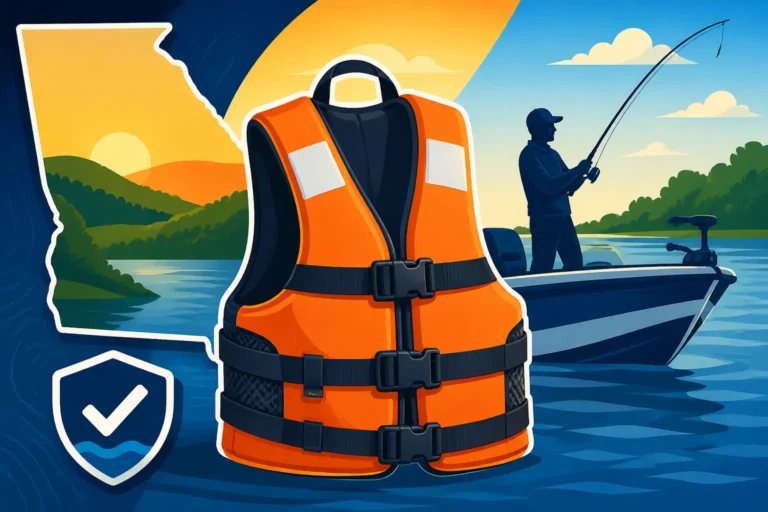
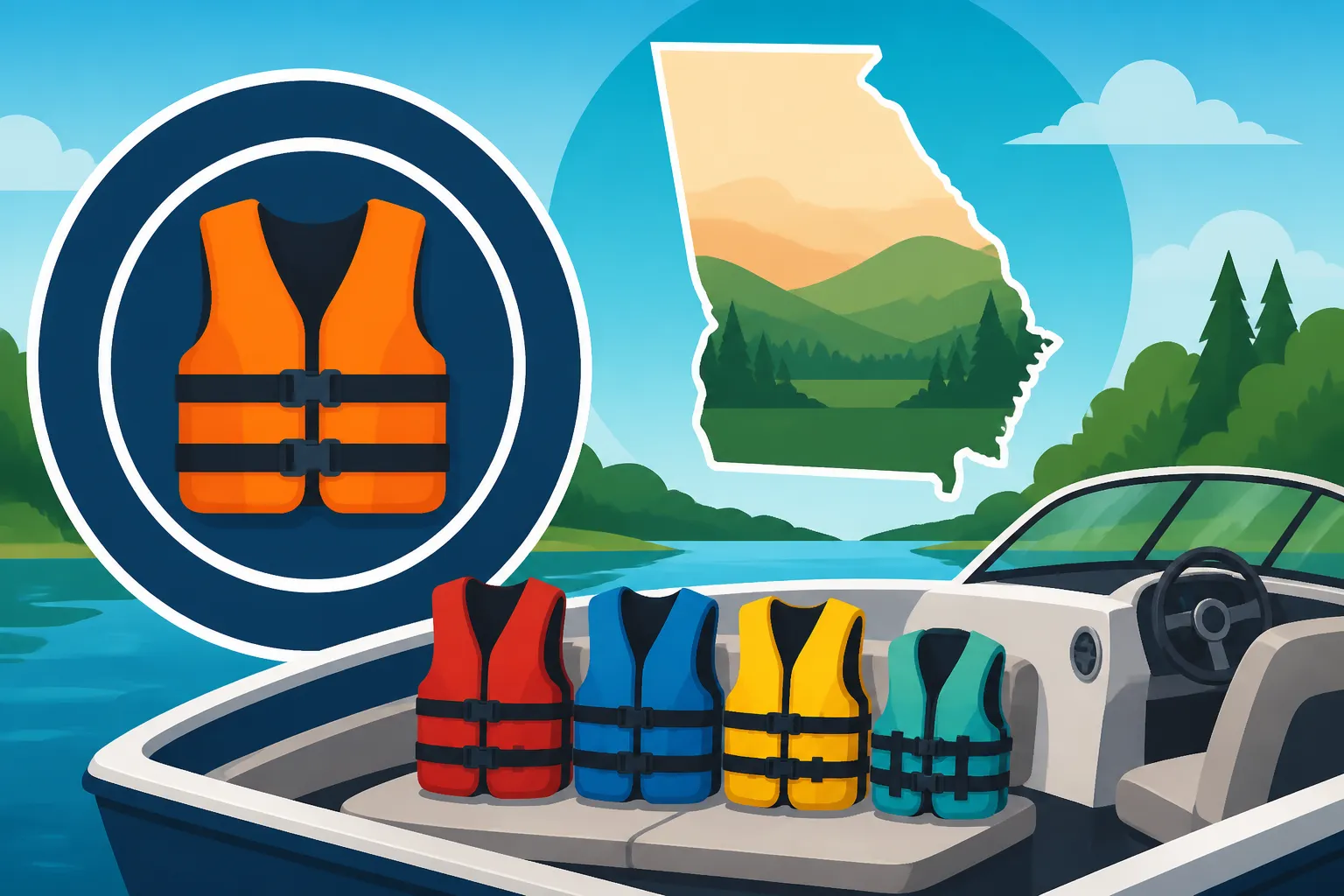
Let's start with the absolute bedrock of Georgia's life jacket laws: there must be at least one readily accessible, Coast Guard-approved life jacket for every single person on board your vessel. This isn't a suggestion; it's a firm requirement. Whether you're on a small jon boat, a large pontoon, or even a paddleboard, if there's a person, there needs to be a PFD. Think of it like seatbelts in a car – everyone gets one, no exceptions.
"Readily accessible" is key here. It doesn't mean stuffed away in a locker under a pile of gear that takes five minutes to dig through. It means quickly available, usually in the open, or in a compartment that can be opened instantly. In an emergency, seconds count, and fumbling for a life jacket could mean the difference between life and tragedy. So, before you even untie from the dock, do a quick headcount and visually confirm each PFD is within arm's reach for its intended wearer. You'd be surprised how often people overlook this crucial detail, only realizing their mistake when a Georgia Department of Natural Resources (DNR) ranger pulls up alongside them.
Beyond just having them on board, these life jackets must also be in good, serviceable condition. This means no rips, tears, or broken buckles. The straps should be functional, and the flotation material shouldn't be waterlogged or compressed. A damaged PFD might not provide the buoyancy needed, turning a legal requirement into a false sense of security. Regularly inspect your life jackets, especially before the start of each boating season, to ensure they're truly ready for action. You can find robust options at stores like Bass Pro Shops or even browse a wide selection online via Amazon to replace any worn-out PFDs.
Specific Requirements for Children
Georgia is particularly strict when it comes to the safety of our youngest boaters, and for good reason. Anyone who has spent time around children knows how quickly situations can change on the water. Therefore, children under the age of 13 are required to wear a Coast Guard-approved life jacket at all times while on a moving vessel. This isn't just about having one on board; it's about having it properly fitted and fastened.
This rule applies to all vessels, from kayaks and canoes to larger motorboats, whenever they are underway. If your boat is anchored, moored, or aground, and not actively moving through the water, a child under 13 is not required to wear the PFD, though it must still be readily available. However, as a seasoned boater, I always recommend that kids wear their life jackets whenever they're on deck, regardless of whether the boat is moving. It's an extra layer of protection, especially for excitable kids who might be prone to sudden movements near the water's edge. You'll find more details on this important topic in our guide Life Jacket Requirements for Kids Under 13 in Georgia.
Making sure a child's life jacket fits properly is paramount. A PFD that is too big can slip off, while one that is too small won't provide adequate flotation. When purchasing a life jacket for a child, always check the weight range specified by the manufacturer and test the fit. The jacket should feel snug but not restrictive, and you should not be able to pull it up over their ears. There are some fantastic options designed specifically for children that are comfortable and allow for free movement, making it easier for them to wear them for extended periods without complaint.
Life Jackets for PWC (Personal Watercraft) Operators and Passengers
Personal watercraft, like jet skis, are inherently fast and maneuverable, often leading to exhilarating rides but also posing unique safety challenges. Due to the high-speed nature and increased risk of falling into the water, Georgia law mandates that every person operating or riding on a personal watercraft must wear a Coast Guard-approved life jacket. This isn't a "readily accessible" situation; it's a full-on wearing requirement, just like for young children on other vessels.
This rule makes perfect sense when you consider the dynamics of a PWC. If you're ejected from a jet ski at speed, you could be disoriented or even knocked unconscious. Having a life jacket already on significantly increases your chances of staying afloat and being recovered safely. Waiting until after you've hit the water to put one on is simply too late. This also applies to anyone being towed by a PWC, such as on a tube or wakeboard, emphasizing the need for constant, active flotation in high-risk activities.
It's crucial to select a life jacket that is comfortable for PWC use. Many PFDs designed for personal watercraft are streamlined and allow for a greater range of motion, which is important for controlling the craft. Look for jackets that are specifically rated for "impact" or "watersports" as they often provide better protection and comfort for these activities. Remember, a life jacket that is uncomfortable is less likely to be worn, so invest in one that suits the activity. Our broader guide on Georgia Fishing Regulations Explained can offer more context on overall safety requirements.
Types of Life Jackets and When to Wear Them
Understanding that you need a life jacket for everyone is just the beginning. The world of PFDs is more nuanced than many realize, with different types designed for various activities and water conditions. Knowing the distinctions between these Coast Guard-approved categories is vital for choosing the right gear and ensuring maximum safety for yourself and your crew.
Coast Guard-Approved Types Explained
The U.S. Coast Guard classifies life jackets into five types, each with specific design characteristics and intended uses. Knowing these types helps you select the most appropriate PFD for your boating activity.
- Type I: Offshore Life Jackets. These are designed for rough, open, or remote waters where rescue may be delayed. They offer the most buoyancy and are designed to turn an unconscious person face-up in the water. They are bulky but offer the highest level of protection. While not typically needed for casual lake fishing, if you're venturing far offshore in saltwater, these are your best bet.
- Type II: Near-Shore Buoyant Vests. This is a common type, suitable for calm, inland waters or where there is a good chance of quick rescue. They are less bulky than Type I but may not turn an unconscious person face-up in all situations. Most recreational boaters on Georgia's lakes and rivers will find Type II vests sufficient and more comfortable than Type I.
- Type III: Flotation Aids. Often called "sport vests," these are designed for specific activities like waterskiing, fishing, or kayaking. They are comfortable and allow for a full range of motion, making them popular. Like Type IIs, they are good for calm, inland waters and areas with quick rescue. The key difference is that they are not designed to turn an unconscious person face-up, so you need to be conscious and able to assist yourself. Many anglers prefer these for their comfort during long days on the water.
- Type IV: Throwable Devices (Cushions or Rings). These are not designed to be worn. Instead, they are meant to be thrown to a person in the water to grasp and hold onto. Every vessel 16 feet or longer (excluding canoes and kayaks) is required to have at least one Type IV device readily accessible. Think of a boat cushion or a ring buoy. While critical to have on board, they do not count towards the "one for every person" wearable PFD requirement.
- Type V: Special Use Devices. These are life jackets approved for specific activities or conditions, like work vests, deck suits, or manually inflatable PFDs. They must be worn to be considered legal, and they will specify their approved use on the label. An example would be an inflatable PFD, which offers minimal bulk but must be worn and often requires manual inflation or maintenance of its automatic inflation mechanism. Check out our detailed article Coast Guard-Approved Life Jackets for Georgia Boaters for a more in-depth look at these classifications.
| Life Jacket Type | Buoyancy | Turning Unconscious Face-Up | Best Use Case | Common Scenarios in Georgia |
|---|---|---|---|---|
| Type I | High | Yes | Offshore, rough or remote waters | Deep sea fishing, coastal emergencies |
| Type II | Medium | May Not Always | Near-shore, calm waters, quick rescue likely | Lake fishing, calm river boating |
| Type III | Medium | No | Continuous wear, specific water sports | Kayaking, waterskiing, active bass fishing |
| Type IV | High | N/A (Throwable) | Supplemental, emergency throw | Required on larger boats, for unexpected falls |
| Type V | Varies | Yes (if worn) | Specific activities, inflatable designs | Inflatable PFDs for experienced anglers |
Inflatable Life Jackets: Are They Right for You?
Inflatable life jackets, which typically fall under Type V (though some might be classified as Type III), have gained significant popularity, especially among serious anglers and those who dislike the bulk of traditional foam vests. The appeal is obvious: they are lightweight, comfortable, and barely noticeable until needed. They can be manually inflated by pulling a cord or automatically inflated upon immersion in water, depending on the model.
However, there are important caveats. First, they must be worn to be considered legal for most circumstances. You can't just have them lying in a compartment. Second, they require regular maintenance, including checking the CO2 cylinder and ensuring the inflation mechanism is in working order. They aren't a "set it and forget it" piece of gear like a foam vest. Many models require you to re-arm them with a new CO2 cylinder after each inflation or if the indicator shows the cylinder is depleted.
While inflatable PFDs are fantastic for comfort and mobility, making them a top choice for activities like fly fishing on the Toccoa River or casting all day on Lake Oconee, they are generally not approved for children under 16 years of age or for personal watercraft use. Always check the manufacturer's label for specific approvals and restrictions. If you're an adult angler who understands the maintenance requirements and wants maximum freedom of movement, an inflatable might be perfect for you. You can find excellent options, often featuring specific fishing-friendly pockets and D-rings, from brands sold at Bass Pro Shops or online platforms like Amazon. Our article Best Inflatable Life Jackets for Georgia Anglers provides a closer look at these specialized PFDs.
When Wearing is Mandatory vs. Readily Accessible
This distinction is where many boaters get tripped up. As we covered, Georgia law requires a life jacket for every person on board. But whether that life jacket needs to be worn versus just being readily accessible depends on a few factors:
- Children Under 13: Mandatory to wear a life jacket while on a moving vessel. No exceptions.
- Personal Watercraft (PWC) Operators and Passengers: Mandatory to wear a life jacket at all times.
- Anyone Being Towed: If you're waterskiing, wakeboarding, tubing, or engaged in similar activities, you must wear a life jacket.
- All Other Adults (13 and older): For adults on non-PWC vessels, a life jacket must be readily accessible. This means it needs to be in good working condition and easy to grab in an emergency. While not legally required to wear it, it's always a good idea, especially in challenging conditions, when boating alone, or if you're not a strong swimmer. The number of tragic incidents that could have been prevented by simply wearing a life jacket is heartbreaking.
Think of it this way: the law provides a minimum standard, but personal safety often calls for going above and beyond. While an adult doesn't have to wear a PFD while cruising on Lake Sinclair, if something unexpected happens – a sudden swerve, an unexpected wave, or a fall overboard – those precious seconds spent fumbling for a life jacket could be crucial. Especially during colder months, when the risk of hypothermia is greater, wearing a PFD can be a literal lifesaver, as it provides some insulation and immediate flotation. Our guide Do Adults Have to Wear a Life Jacket in Georgia? delves deeper into this often-debated point.
Ensuring Your Life Jackets Are Up to Snuff
Having the correct number and type of life jackets on board is fantastic, but it's only half the battle. Just like any other piece of safety equipment, PFDs need to be maintained and inspected regularly to ensure they're actually going to perform when you need them most. A life jacket that's seen better days might look compliant on paper but could fail you in a real emergency.
Checking for Wear and Tear
Before every outing, or at the very least, at the start of each boating season, take the time to inspect each of your life jackets. This isn't just about avoiding a fine; it's about protecting lives. Look for several key indicators of wear and tear:
- Fabric and Stitching: Check for any rips, tears, or frayed fabric. Even small holes can compromise the integrity of the PFD over time, allowing water into the flotation material. Examine all stitching, especially around straps and buckles, to ensure it's not coming undone.
- Buckles and Zippers: Ensure all buckles snap securely and hold firm under pressure. Zippers should move freely and fully close. A broken buckle or a stuck zipper renders a life jacket ineffective, as it won't stay on the wearer.
- Straps and Webbing: Pull on all adjustment straps to check for fraying or weakening. They should be able to hold tension and not slip. The webbing should be intact and not overly stretched or degraded by UV exposure.
- Flotation Material: Squeeze the flotation material inside the jacket. It should feel resilient and spongy. If it feels hard, lumpy, or heavily compressed, it may have lost its buoyancy. Waterlogging can also occur, making the PFD heavier and less effective. If a life jacket has been stored incorrectly, left out in the elements, or seen heavy use, its internal foam can degrade.
If a life jacket shows significant signs of damage or degradation, it's time to replace it. A compromised PFD is a liability, not a safety device. Don't try to patch it up or make do; invest in new ones. You can often find sales on PFDs at the beginning or end of the boating season, making it more affordable to keep your crew safe.
Proper Fit and Sizing for All Ages
A life jacket is only effective if it fits properly. This is especially critical for children, but it applies to adults as well. A poorly fitting PFD can be uncomfortable, making people reluctant to wear it, or worse, it could fail to keep them afloat in an emergency.
- For Adults: The life jacket should fit snugly but allow for comfortable movement. After donning the jacket, have someone pull up on the shoulders. If it slides up past your chin or ears, it's too large. If it feels restrictive to the point of impeding breathing or movement, it might be too small. Make sure all straps are adjusted to secure the vest against your body.
- For Children: This is even more crucial. Children's life jackets are sized by weight, not age. Always follow the manufacturer's weight recommendations. When testing the fit, secure all straps and zippers. Then, lift the child by the shoulders of the life jacket. If it slides up over their ears, it's too big, and they could slip out of it in the water. For infants and toddlers, look for PFDs with a crotch strap and a head flotation pad to keep their head above water. Finding the Best Life Jackets for Kids Boating in Georgia involves careful consideration of these factors.
It's a good idea to have everyone try on their life jackets at the beginning of the season to ensure they still fit, especially children who are constantly growing. What fit perfectly last summer might be too small this year. Having a variety of sizes on board, or ensuring each person has their own correctly sized PFD, is a crucial step in preparing for a safe day on the water.
Storage and Care for Longevity
The way you store and care for your life jackets can significantly impact their lifespan and effectiveness. Neglecting proper care can lead to premature degradation, meaning you'll be replacing them more often, or worse, finding them ineffective when truly needed.
- Rinse After Use: After each use, especially in saltwater, rinse your life jackets thoroughly with fresh water. This helps remove salt, chlorine, dirt, and any other residues that can break down the fabric and stitching over time.
- Dry Completely: Always allow life jackets to air dry completely before storing them. Hanging them in a well-ventilated area, out of direct sunlight, is ideal. Storing a damp life jacket can lead to mildew, which not only smells terrible but also degrades the fabric and flotation material. Never store them in sealed plastic bags or confined spaces while damp.
- Store Properly: Store life jackets in a cool, dry place, away from direct sunlight, extreme temperatures, and harsh chemicals like fuel or solvents. UV rays from the sun are a major culprit in breaking down the fabric and fading colors. Hanging them on sturdy hangers or neatly folding them in a dedicated compartment will help maintain their shape and prevent compression of the flotation material. Avoid storing heavy items on top of life jackets, as this can compress the foam over time.
- Check Inflator Mechanisms: If you use inflatable PFDs, regularly check the CO2 cylinder and the inflation mechanism according to the manufacturer's instructions. Keep spare re-arming kits on board if needed.
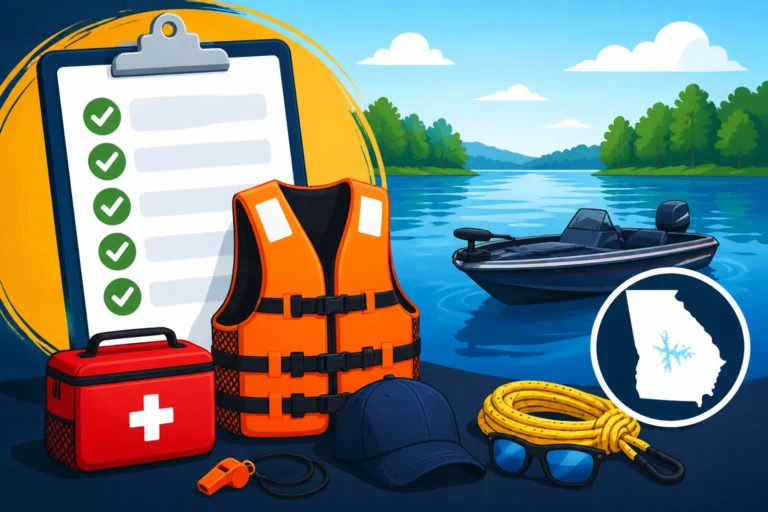
By following these simple care tips, your life jackets will last longer, remain in good working order, and continue to provide the crucial safety they're designed for. Thinking ahead about your Safety Gear Checklist for a Day on Lake Lanier or any other Georgia waterway should always include a thorough check of your PFDs.
Consequences of Non-Compliance and Safety Tips
While the primary reason for carrying and wearing life jackets is safety, understanding the legal implications of non-compliance can be a strong motivator for some. Beyond the law, however, lies the profound responsibility we all have to prioritize safety on the water, not just for ourselves, but for everyone around us.
Penalties for Not Having Enough Life Jackets
Navigating Georgia's waterways without the legally required number and type of life jackets can lead to more than just a stern lecture from a DNR officer. There are tangible penalties that can put a damper on your day and your wallet.
If a Georgia DNR law enforcement officer stops your boat and finds you lacking the required number of PFDs, or if the PFDs you have are not in serviceable condition or are not being worn by those for whom it's mandatory (like children under 13 or PWC operators), you could face a citation. Fines vary, but they can quickly add up, especially if there are multiple violations. These citations are not just a slap on the wrist; they can be costly and a major inconvenience.
Consider a scenario where you're out on the Chattahoochee River with your family, enjoying a beautiful Saturday. A DNR patrol boat approaches, and during their routine check, they discover you only have three life jackets for four people on board, or that your 10-year-old isn't wearing one while the boat is underway. You'll likely receive a ticket, and you might even be instructed to return to shore immediately to correct the violation, effectively ending your fishing trip. It’s a harsh but necessary enforcement to underscore the importance of safety. Don't risk it; ensure you're fully compliant before leaving the dock. This is part of the broader Georgia Boating Under the Influence Laws and other regulations that aim to keep everyone safe.
Beyond the Law: Prioritizing Water Safety
While avoiding fines is certainly a good incentive, the true value of life jackets far transcends legal obligations. They are, quite simply, lifesavers. Accidents on the water can happen in an instant and often without warning. A rogue wake, a sudden mechanical failure, an unexpected medical emergency, or even just losing balance while casting can send someone overboard. In these critical moments, having a properly fitting life jacket on or immediately available is crucial.
Think about the unexpected. Imagine you're fishing alone early one morning on a quiet cove of Lake Hartwell. You lean over the side to net a big bass, lose your footing, and suddenly find yourself in the cold water. If you weren't wearing a life jacket, the shock of the cold, coupled with the exertion, could quickly incapacitate you. But if you were wearing one, you'd immediately float, allowing you to catch your breath, regain composure, and work towards getting back into your boat or calling for help.
This emphasis on proactive safety is especially important in Georgia, where our diverse waterways offer everything from swift-moving rivers to vast, open reservoirs. Conditions can change rapidly, and even strong swimmers can be overwhelmed by currents, cold water, or injury. Life jackets provide continuous flotation, allowing you to conserve energy, stay warm longer, and increase your visibility to potential rescuers. It's not just about obeying the law; it's about making a conscious choice to protect yourself and your loved ones. Our comprehensive guide on What Safety Equipment Is Required on a Georgia Boat can help you prepare beyond just PFDs.
Best Practices for Boating with Kids
Boating and fishing with children can be one of life's most rewarding experiences, but it also comes with increased responsibility. Kids are naturally curious, energetic, and sometimes unpredictable, making constant vigilance and adherence to safety protocols paramount.
First and foremost, reinforce the mandatory wearing rule: if the boat is moving and they're under 13, that life jacket needs to be on and securely fastened. Make it a non-negotiable part of the pre-departure routine. Beyond the law, consider making it a rule for all children, regardless of age, to wear a life jacket when on deck or near the water. Even when anchored, a playful bump can send a child into the water.
Second, educate your children about water safety in an age-appropriate way. Teach them about the dangers of propellers, how to sit still in a moving boat, and what to do if they fall overboard (e.g., stay calm, signal for help, and don't try to swim back to the boat if it's too far). Show them how their life jacket works and let them practice wearing it. Many children's PFDs are brightly colored, making kids more visible in the water, which is another huge advantage.
Finally, lead by example. If you, as an adult, consistently wear your life jacket, your children will be more likely to do so without protest. Make safety a family value on the water. This also involves having other safety equipment readily available, like a throw cushion (Type IV) and knowing how to use it. A day on the water with kids should be fun and memorable, and prioritizing their safety with proper life jacket use is the best way to ensure those memories are happy ones. Great Fishing Spots for Kids and Families in Georgia are perfect places to put these safety practices into action.
Disclaimer
This article is for general informational purposes only and does not constitute professional advice. Laws, prices and regulations vary by location and change over time. Consult a qualified professional for guidance on your specific situation.