Shoal Bass Size Limit Rules, Georgia
It can be incredibly frustrating to head out to your favorite Georgia fishing spot, excited to target a unique species, only to be bogged down by a labyrinth of regulations. You’ve heard whispers about special rules for certain fish, especially native ones, and you definitely don’t want to accidentally break the law. This comprehensive guide is here to clear the waters, specifically breaking down the shoal bass size limit rules in Georgia so you can fish with confidence and respect for this incredible native species.
Understanding Georgia's Shoal Bass and Its Unique Status
When we talk about black bass in Georgia, most folks immediately think of largemouths or maybe even spotted bass. But there’s another, often overlooked, gem swimming in our river systems: the shoal bass. This species holds a special place in Georgia's ecological heart, and understanding why it has distinct regulations is the first step toward becoming a more informed and responsible angler.
Why Shoal Bass Have Special Regulations
Shoal bass aren't just another pretty fish; they're a truly unique and important part of Georgia's aquatic ecosystem. Unlike their more adaptable cousins, the largemouth bass, shoal bass are quite particular about where they live. They thrive in flowing river environments, especially those with rocky shoals, riffles, and clear water – hence their name. This specialized habitat requirement means their populations can be more vulnerable to habitat degradation or overfishing, making their conservation a high priority.
Because of their specific needs and native status, the Georgia Department of Natural Resources (DNR) has implemented targeted regulations to protect and manage shoal bass populations. These aren't just arbitrary rules; they're carefully designed to ensure these incredible fish can reproduce successfully, reach a healthy size, and provide sustainable fishing opportunities for generations to come. They're trying to give these fish the best possible chance to thrive in their natural homes, like the Flint River. If you're keen to learn more about this incredible fish, check out our guide on Shoal Bass: Georgia's River-Specialist Black Bass.
Identifying a Shoal Bass on the Water
Before you even think about keeping a shoal bass, you absolutely must be confident in your identification skills. Mistaking a shoal bass for a spotted bass or a largemouth can lead to unintentional violations of the law, which is a headache no angler wants. Shoal bass have a distinctly different appearance that, once you know what to look for, becomes quite apparent.
Generally, shoal bass have a more streamlined, torpedo-shaped body compared to the chunkier largemouth. Their lateral line is usually less distinct than a largemouth's, and they often have a series of vertical bars or blotches along their sides, which can be quite prominent. The jaw is another key differentiator: when its mouth is closed, the upper jaw of a shoal bass typically does not extend past the back of its eye, whereas a largemouth's jaw often does. Spotted bass can be tricky, but shoal bass tend to have smaller scales on their cheeks and lack the distinct rough patch of teeth on their tongue that spotted bass possess. Pay close attention to these details. For a deeper dive into distinguishing these fish, our guide on How to Identify a Shoal Bass offers excellent insights.
To help you out, here’s a quick comparison table for the three main black bass you'll encounter in Georgia:
| Feature | Largemouth Bass | Spotted Bass | Shoal Bass |
|---|---|---|---|
| Body Shape | Robust, chunky | More streamlined, slender | Streamlined, torpedo-shaped |
| Jaw Extension | Extends past the eye | Ends under or slightly past the eye | Ends under or slightly before the eye |
| Lateral Line | Distinct, often broken, dark horizontal stripe | Faint, sometimes a series of dark spots | Often indistinct, with vertical bars/blotches |
| Tongue Patch | Absent | Present (rough patch of teeth) | Absent |
| Dorsal Fins | Deep notch between spiny and soft fins | Connected, less pronounced notch | Connected, less pronounced notch |
| Habitat | Lakes, ponds, slow rivers, heavy cover | Rivers, clear lakes, rocky areas | Rivers, rocky shoals, moderate to swift current |
Deciphering the Statewide Shoal Bass Size Limit Rules
Navigating fishing regulations can sometimes feel like trying to untangle a bird's nest of fishing line – confusing and full of unexpected snags. For shoal bass, it's not always a straightforward "one size fits all" rule across the entire state. While there are general guidelines, specific bodies of water often have their own, stricter rules.
The General State Regulation for Shoal Bass
In most Georgia waters where shoal bass might be encountered, they generally fall under the statewide black bass regulations if no specific shoal bass rule is otherwise noted for that particular river or section. Currently, for black bass in Georgia (which includes largemouth, spotted, and shoal bass where not otherwise specified), the daily creel limit is 10 fish in aggregate. This means you can keep a total of 10 bass of any combination of these species per day.
However, the crucial part is the size limit. While a general 12-inch minimum length applies to black bass in many areas, this is often superseded by more restrictive rules for shoal bass, especially in their prime habitats. The intent behind these minimum size limits isn't just to ensure you're catching bigger fish; it's a vital conservation tool. By requiring anglers to release smaller fish, these regulations allow juvenile bass to grow, mature, and contribute to the breeding population before they're harvested. This helps maintain a healthy age structure within the population, ensuring there are enough fish of all sizes for a robust fishery. It’s all part of the larger picture of Georgia Fishing Regulations Explained.
The Importance of Knowing Your Waters
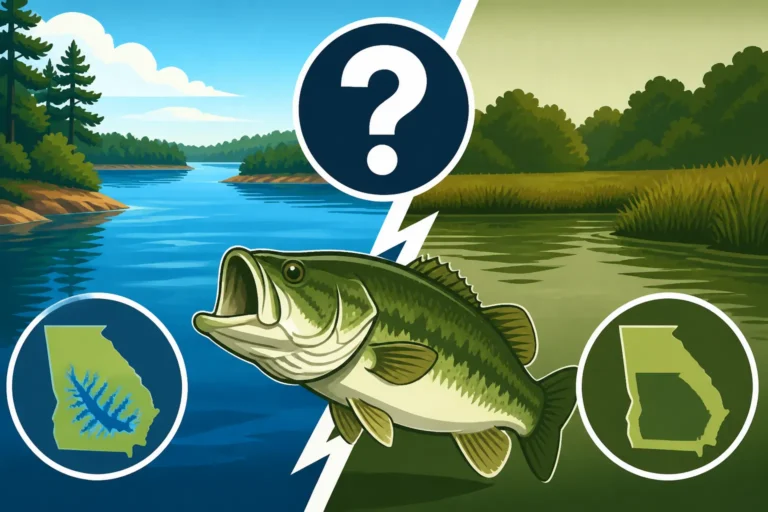
Here’s where it gets a little tricky, and honestly, a common point of frustration for many anglers. While the statewide black bass limits provide a baseline, they are not universally applicable to shoal bass. The Georgia DNR recognizes that certain river systems are critical for shoal bass conservation and management, and as such, they implement specific regulations for those areas that are often much more restrictive than the general rules.
This means you can’t just assume the standard black bass limit applies everywhere you might encounter a shoal bass. Ignoring these specific, localized rules can not only lead to legal trouble but also undermine the very conservation efforts designed to protect this unique fish. It’s absolutely paramount to identify the specific river or river section you plan to fish and then meticulously check the Georgia DNR's current fishing regulations for that particular body of water. Failing to do so is like trying to navigate without a map; you’re bound to get lost, or worse, end up somewhere you shouldn’t be.
Specific River System Exceptions and Special Regulations
Now, let's get into the nitty-gritty of where these special shoal bass regulations really come into play. Georgia is fortunate to have several rivers that host healthy populations of shoal bass, but one river, in particular, stands out as the undisputed king of shoal bass fishing: the Flint River.
The Flint River's Unique Shoal Bass Rules
The Flint River is legendary among shoal bass enthusiasts, and for good reason. It boasts some of the most robust and accessible populations of trophy-sized shoal bass in the state. Because of its ecological significance for this species, the Georgia DNR has implemented highly specific and often stricter regulations for shoal bass in certain sections of the Flint. These rules are a prime example of targeted management aimed at fostering a world-class fishery.
For instance, the Flint River has specific zones where catch-and-release is either strongly encouraged or, in some cases, strictly mandated for shoal bass. You might encounter specific slot limits, where fish within a certain size range must be released, while those outside the slot (either smaller or larger) can be kept. This management strategy aims to protect the prime breeding stock, allowing them to reproduce and grow into larger, more desirable fish for anglers.
A very notable example of these unique regulations can be found in the section of the Flint River below Warwick Dam. Here, the rules are often tailored to protect the genetic integrity and trophy potential of the shoal bass. It's not uncommon to find areas with a 15-inch minimum size limit for shoal bass, or even stricter slot limits, such as requiring the release of all shoal bass between 14 and 20 inches, only allowing harvest of fish outside that range. These rules are carefully crafted to protect the prime spawning fish and allow them to contribute to future generations. For a detailed breakdown of these specific rules, especially around areas like Warwick Dam, our guide on Flint River Shoal Bass Size Limit Exception and Shoal bass rules below Warwick Dam are essential reading. These are not just guidelines; they are enforceable laws designed to ensure the future of this amazing fishery. Understanding the why behind these regulations — to create and sustain a healthy population of larger, trophy-quality shoal bass — helps put their importance into perspective.
Other Georgia Rivers with Shoal Bass Populations
While the Flint River often gets the spotlight, shoal bass aren't exclusively found there. Other Georgia rivers and their tributaries within the Apalachicola River basin (which the Flint feeds into) may also harbor shoal bass populations. These can include sections of the Chattahoochee River, especially its upper reaches and some tributaries, and the Ocmulgee River system.
However, it's important to note that these other rivers may not always have the same hyper-specific, dedicated shoal bass regulations as the Flint. In many instances, if no specific shoal bass regulation is published for that particular waterway, the general statewide black bass regulations (e.g., a 12-inch minimum and 10-fish creel limit) would apply. This doesn't mean these fish are less important, but rather that the populations or fishing pressure might not warrant the same level of granular management as seen on the Flint.
Always remember that fishing for shoal bass in any of these rivers requires careful attention to the current regulations. A quick check of the Georgia DNR's latest fishing regulations before your trip is an absolute must. Whether you're planning a trip down the Flint River Fishing Guide, Georgia or exploring other waters like the Ocmulgee River Fishing Spots in Georgia, knowing the specific rules for your chosen location is non-negotiable.
Practical Application for Anglers: Staying Compliant
Okay, you've done your homework, you know your shoal bass, and you understand the regulations for your chosen fishing spot. Now, how do you put that knowledge into practice on the water to ensure you're always compliant and a good steward of the resource? It comes down to preparation and mindful fishing.
Essential Gear for Measuring and Releasing
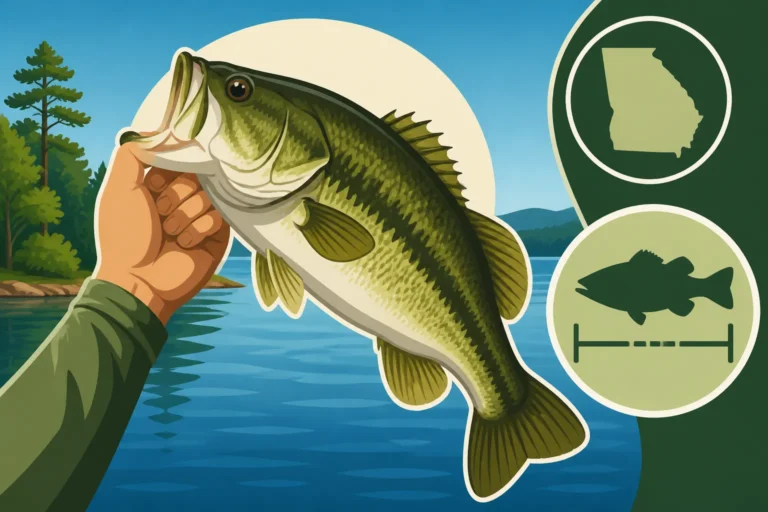
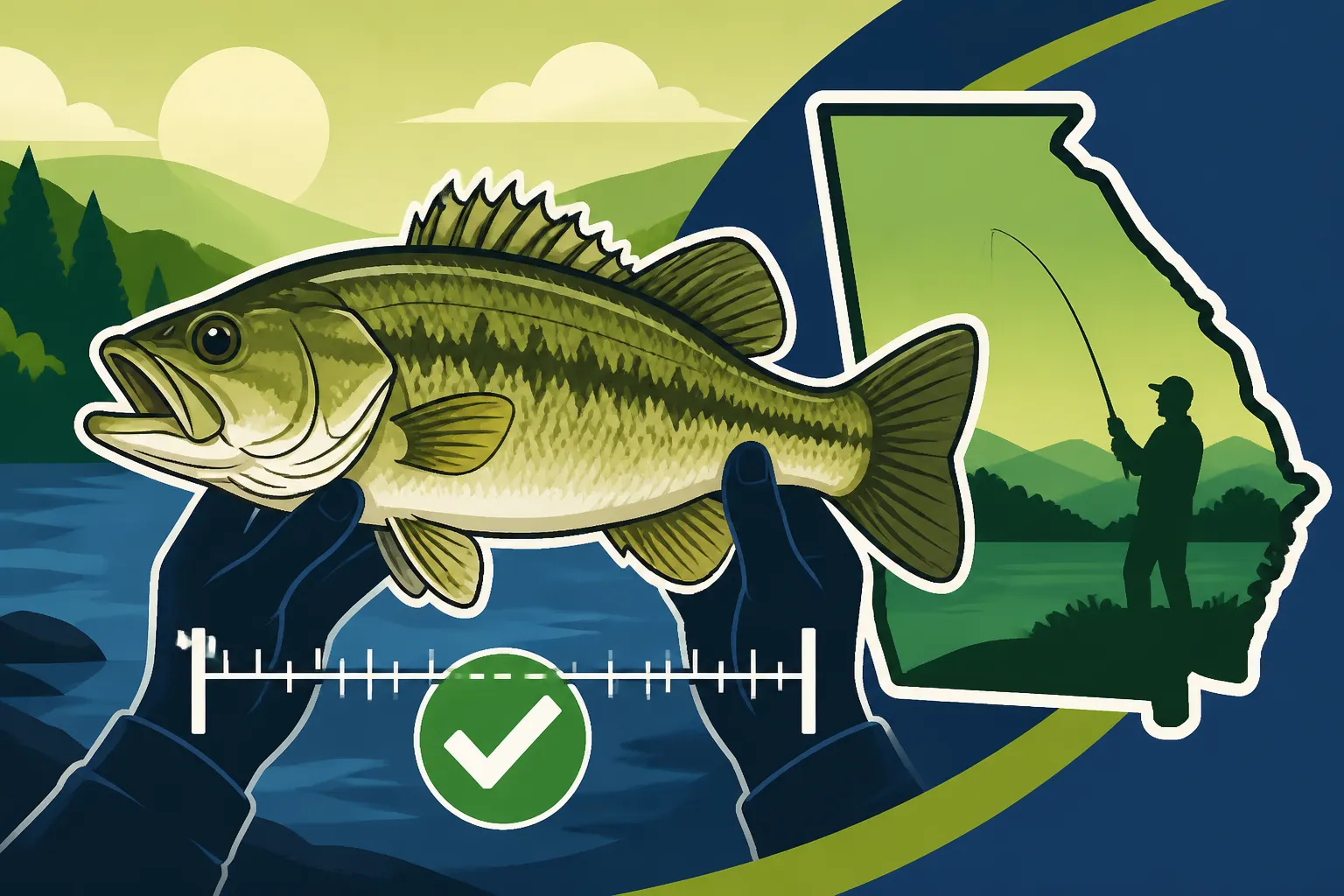
This might sound obvious, but you’d be surprised how many anglers forget the simplest, yet most crucial, piece of gear for adhering to size limits: a reliable measuring device. You absolutely need a ruler or a bump board that is easily accessible and clearly marked. Trying to "eyeball" a fish's length is a recipe for disaster and potential fines.
A good quality bump board, often made of plastic or aluminum, provides an accurate, consistent measurement. You simply place the fish's snout against the "bump" at the zero mark and measure to the tip of its tail. Make sure your measuring device is at least 20 inches long to accommodate potential trophy shoal bass. You can find excellent, durable measuring tools online, often on platforms like Amazon, which offer a wide variety of options from brands like TH Marine or YakGear. Invest in one, keep it handy, and use it every single time you catch a fish that you might consider keeping or that falls into a slot limit.
Beyond measuring, practicing proper catch-and-release techniques is vital, especially when you're targeting a species with such specific regulations. If a fish is undersized, or falls into a protected slot, or if you're in a catch-and-release only zone, you need to minimize harm. Use appropriate tackle, land the fish quickly, handle it gently with wet hands, and use de-hooking tools to remove hooks cleanly. Avoid excessive handling, especially if you plan to release the fish. A good pair of long-nose pliers or a dedicated de-hooker can make a world of difference. Even if you're primarily a trout angler, the principles are the same, and our guide on How to Catch and Release Trout Properly offers valuable insights applicable to any fish species.
Double-Checking Regulations Before You Go
Seriously, I can't stress this enough: regulations change. What was true last year, or even last month, might be different today. Before every fishing trip, especially if you're heading to a new spot or haven't been out in a while, take five minutes to double-check the current Georgia Department of Natural Resources (DNR) fishing regulations.
The easiest way to do this is by visiting the Georgia DNR Wildlife Resources Division website. They provide annually updated regulation guides that are clear and comprehensive. You can also pick up a physical copy of the Georgia Sport Fishing Regulations Guide from most places where fishing licenses are sold, like sporting goods stores, bait and tackle shops, and even some county courthouses. If you prefer the convenience of online services, you can find your Georgia Fishing License Guide and even learn How to Buy a Fishing License Online in Georgia directly through the official state portal. Many local bait shops also have laminated copies or digital versions they can show you. A quick search on your phone can often pull up the latest rules for your specific body of water. Don't rely on old knowledge or what a buddy told you last season. The responsibility is yours, and staying informed is the best way to avoid any unpleasant surprises.
Penalties for Violating Shoal Bass Regulations
Nobody wants to deal with legal trouble, especially when you're just trying to enjoy a peaceful day on the water. But unfortunately, ignorance of fishing laws, including those for shoal bass, is not a valid excuse. The penalties for violating these regulations are in place to deter poaching and ensure the long-term health of Georgia's fisheries.
The Consequences of Non-Compliance
Getting caught violating fishing regulations in Georgia, even if it's an honest mistake, can carry some significant consequences. These aren't just minor slaps on the wrist; they can impact your wallet and your ability to enjoy fishing in the future.
Common penalties for fishing violations, such as keeping undersized fish or exceeding creel limits, can include substantial monetary fines. These fines can range from a couple of hundred dollars to much more, depending on the severity of the offense and whether it's a repeat violation. For instance, being caught with an undersized shoal bass in a restricted area of the Flint River could lead to a hefty fine and court appearance. It’s a good idea to understand the general fines, and our guide on Penalties for Fishing Without a License in Georgia offers a glimpse into how serious these can be.
Beyond the financial hit, you could also face the suspension or revocation of your Georgia fishing license, meaning you might not be able to legally fish in the state for a period of time. In some cases, particularly for egregious or repeated offenses, the law enforcement officer might even confiscate your fishing gear, including your rod, reel, and even your boat. Imagine losing your prized fishing setup because of a preventable mistake! These consequences are designed to be a strong deterrent, emphasizing that adherence to regulations is not optional.
Supporting Shoal Bass Conservation
While the penalties can be severe, it’s important to remember that these rules exist for a greater good. By diligently following shoal bass size and creel limits, you're not just avoiding fines; you're actively participating in the conservation of a truly special Georgia native species. Every fish you properly measure and release, every legal limit you respect, contributes to a healthier, more vibrant fishery.
Think of it this way: these regulations are an investment in the future. They allow shoal bass to grow to their full potential, reproduce successfully, and ensure that your children and grandchildren will also have the opportunity to experience the thrill of catching these magnificent fish in Georgia's rivers. Supporting organizations like the Georgia DNR Wildlife Resources Division, which manages these fisheries, is another excellent way to contribute. Ultimately, being a responsible angler who understands and respects the rules is the best way to ensure that Georgia's shoal bass populations continue to thrive for years to come.
Disclaimer
Please remember that fishing regulations, including size and creel limits, can change. While this guide provides comprehensive information based on current knowledge, it is your responsibility to consult the most up-to-date official Georgia Department of Natural Resources (DNR) Wildlife Resources Division regulations before engaging in any fishing activity. This article is for informational purposes only and should not be considered legal advice.