Is Flathead Catfish Good to Eat?
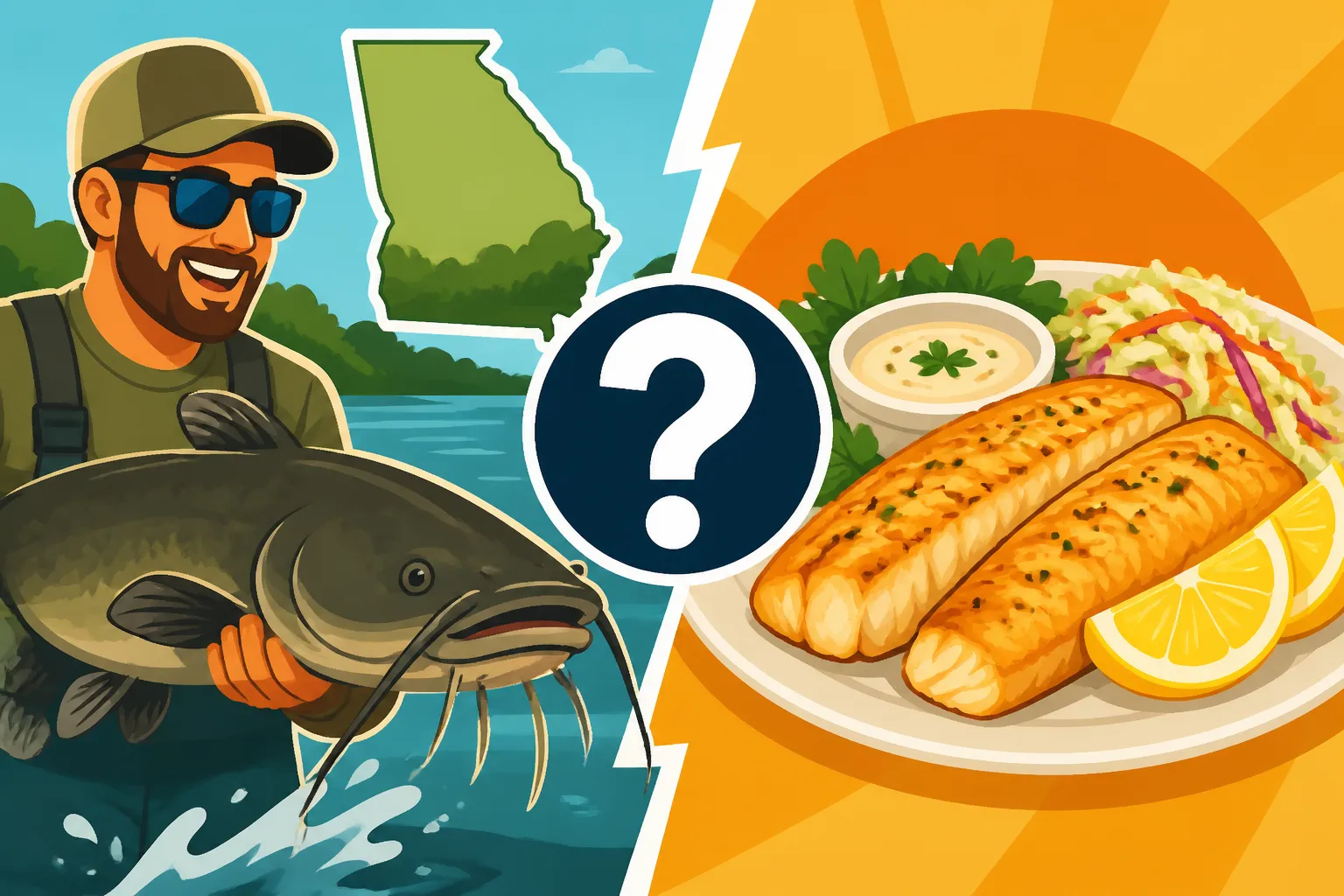
Oh, the flathead catfish! It's one of those fish that sometimes gets a bad rap, or at least a lot of questions, especially when it comes to how it tastes. Many anglers worry that larger, older flatheads might be muddy or too tough to eat, leading to hesitation even after a great catch. This comprehensive guide will dive deep into the culinary qualities of flathead catfish, offering insights into its flavor, texture, and best preparation methods so you can confidently bring your next catch to the dinner table.
The Truth About Flathead Catfish Flavor and Texture
Let's be real, when you're thinking about dinner, the taste and feel of the fish on your plate are paramount. Flathead catfish definitely have their own unique characteristics compared to their channel and blue catfish cousins. It's not just about what they eat, but also where they live and how big they get that really influences their table quality.
What Makes Flathead Unique?
Flathead catfish, or Pylodictis olivaris, are ambush predators, meaning they primarily feed on live fish. This predatory diet is a huge factor in their flavor profile. Unlike channel catfish that are often scavengers and bottom-feeders, flatheads tend to have a cleaner, firmer flesh because they're eating other fish. This makes their meat whiter and flakier than many expect from a catfish. You won't typically find the strong, "muddy" taste that some people associate with other catfish species, especially those taken from stagnant ponds or murky waters. Instead, you'll often get a mild, almost sweet flavor that can be quite delightful.
Their texture is also a standout. Flatheads generally have a firmer, less oily flesh than a channel or blue cat. This makes them incredibly versatile in the kitchen. When cooked, it holds together beautifully, whether you're frying it crisp, baking it tender, or even grilling it. It's a robust fish that doesn't fall apart easily, which is a big plus for many cooking methods. If you've ever struggled with fish turning to mush, a flathead might just be your new best friend.
Factors Affecting Taste
While flatheads generally boast a cleaner flavor, several factors can influence the final taste. The environment they come from plays a huge role. Fish caught from clear, flowing rivers, like Georgia's Flint River or Altamaha, tend to have the best flavor. These active, oxygen-rich waters keep the fish healthy and their diet varied, resulting in pristine flesh. Conversely, a flathead caught from a stagnant, muddy pond, especially during warmer months, might indeed carry a bit more of an "off" flavor. It's simply a reflection of their environment.
Size also matters, though perhaps not in the way you'd expect. Many anglers believe that smaller flatheads, say in the 2 to 10-pound range, offer the absolute best table fare. Their flesh is typically the most tender and mild. While larger flatheads (those big, impressive trophies weighing 20 pounds or more) are certainly edible and still delicious, their meat can be a bit tougher and sometimes a little stronger in flavor. However, don't let that deter you from trying a big one! With proper preparation, even a monster flathead can be a fantastic meal. The key is to know how to handle it. You might want to check out some tips on Flathead Catfish Size and Growth in Georgia Rivers to understand what to expect.
Preparing Flathead for the Best Flavor
The way you handle your flathead from the moment it's caught significantly impacts its taste. First and foremost, bleeding the fish immediately after catching it is crucial. This removes any residual blood from the flesh, which can contribute to a stronger, fishier taste. A quick cut to the gills and letting it bleed out in a cooler of ice water does wonders. After bleeding, get that fish on ice as quickly as possible. Keeping it cold and fresh is paramount to preserving its delicate flavor and firm texture.
When it comes to filleting, flatheads have thick skin that can be a bit challenging, but a good, sharp fillet knife from a place like Amazon will make all the difference. Many experienced anglers prefer to skin them using pliers or a dedicated fish skinner rather than trying to scrape scales. Once filleted, trim away any dark red meat or fatty sections, especially along the lateral line. This darker meat can sometimes have a stronger, more "gamey" taste, and removing it ensures you're left with only the clean, white muscle. Soaking the fillets in a saltwater brine or even milk for a few hours before cooking can also help draw out any lingering impurities and further enhance the mild flavor.
Cooking Methods That Bring Out the Best
Once you've got those beautiful, clean flathead fillets, the culinary possibilities are endless! While there are many ways to prepare fish, some methods truly shine with flathead catfish, highlighting its firm texture and mild flavor.
Frying: A Southern Staple
Let's face it, when most Georgians think about eating catfish, they think about frying it. And for good reason! Fried catfish is a beloved tradition, and flathead catfish is absolutely superb when prepared this way. Its firm flesh holds up wonderfully to the heat, creating a beautiful, flaky interior with a crispy, golden-brown crust. You can go classic with a simple cornmeal-based breading, perhaps seasoned with a little garlic powder, onion powder, paprika, and a pinch of cayenne for a kick. Or, if you prefer a lighter touch, a flour-based dredge with similar seasonings works perfectly too.
The key to great fried flathead is getting your oil to the right temperature – typically around 350-375°F. Too cold, and the fish will absorb too much oil and turn greasy; too hot, and the outside will burn before the inside is cooked through. Fry in small batches to maintain oil temperature, and don't overcrowd the pan. Serve it up with some hushpuppies, coleslaw, and a side of tartar sauce, and you've got a meal that tastes like pure Georgia comfort. Many anglers stock up on their favorite fish fry mixes and seasonings on Amazon, making prep a breeze.
Baking, Grilling, and Smoking Alternatives
While frying is popular, flathead catfish is incredibly versatile and shines in other preparations too. If you're looking for a healthier option or just want to try something different, baking is a fantastic choice. Brush your fillets with olive oil or melted butter, season generously with your favorite herbs and spices (lemon pepper, dill, and old bay are excellent), and bake until flaky. You can even top it with breadcrumbs for a crispy finish without the deep-fry.
Grilling is another superb method, especially for larger, thicker fillets. Marinate the fish for an hour or two in a citrus-herb blend to add flavor and keep it moist. Use a fish basket or foil packet to prevent sticking and breaking apart on the grates. The smoky char from the grill adds a wonderful dimension to the flathead's mild taste. Imagine grilling up some fresh flathead fillets after a day of fishing the Flint River Fishing Guide, Georgia. Delicious!
And for the adventurous cooks, smoking flathead catfish is a revelation. The firm flesh absorbs smoke beautifully, creating a tender, flavorful piece of fish that's perfect for flaking into dips, salads, or enjoying on its own. Low and slow is the name of the game here, infusing the fish with that irresistible smoky goodness.
Recipe Ideas and Flavor Pairings
Flathead catfish's mild, clean flavor makes it a blank canvas for a wide array of recipes. Beyond the classic fried fish platter, consider turning your fillets into delicious fish tacos. Flake the cooked fish into warm tortillas with fresh slaw, a squeeze of lime, and a spicy crema for an unforgettable meal.
For a heartier option, flathead catfish holds up well in stews or gumbos. Its firm texture means it won't disintegrate into the broth, adding substance and flavor to your pot. You can even try pan-searing it and serving it over a bed of cheesy grits with a vibrant salsa for a Southern-inspired dish with a gourmet touch. Experiment with different flavor profiles: a spicy Cajun rub, a bright lemon-garlic butter sauce, or a savory soy-ginger marinade. Because of its clean taste, it pairs well with robust flavors without being overpowered. Don't be afraid to get creative!
Nutritional Value and Health Considerations
Beyond its delicious taste, flathead catfish offers some excellent nutritional benefits, making it a healthy choice for your dinner table. Understanding its nutritional profile and how to source it responsibly can add peace of mind to your meal.
Flathead Catfish Nutrition Facts
Flathead catfish is a lean protein source, meaning it's high in protein but relatively low in fat. For those counting calories or trying to build muscle, it's an excellent option. It's also a good source of essential vitamins and minerals, including B vitamins (especially B12), phosphorus, and selenium. These nutrients play crucial roles in energy production, bone health, and antioxidant defense in the body.
Compared to some fattier fish, flathead catfish has a moderate amount of omega-3 fatty acids. While not as high as salmon or mackerel, it still contributes to your overall intake of these beneficial fats, which are important for heart health and brain function. So, not only is it tasty, but it's also a nutritious addition to a balanced diet.
| Nutritional Aspect | Flathead Catfish (per 3.5 oz serving, cooked) | General Benefits |
|---|---|---|
| Protein | High | Muscle growth, repair, satiety |
| Fat | Low | Lean protein source |
| Omega-3 Fatty Acids | Moderate | Heart health, brain function |
| Vitamin B12 | Excellent Source | Energy production, nerve function |
| Phosphorus | Good Source | Bone health, energy metabolism |
| Selenium | Good Source | Antioxidant, immune support |
| Calories | Moderate | Balanced energy |
Note: Specific values can vary based on fish size, diet, and cooking method.
Sourcing and Safe Consumption
When it comes to any wild-caught fish, knowing where it came from is key to safe consumption. In Georgia, flathead catfish are found in many of our major river systems and larger reservoirs. Generally, fish caught from reputable, clean waterways, especially those with good current, are considered safe and healthy to eat. You might want to consider the overall health of the fishery you're pulling from. For example, flatheads from big, flowing rivers like the Altamaha or parts of the Chattahoochee will likely be in prime condition.
It's always a good idea to be aware of any local fish consumption advisories issued by state environmental agencies. While generally rare for catfish in Georgia, these advisories, if present, are usually due to localized environmental factors that could lead to elevated levels of certain contaminants in specific areas. Staying informed ensures you're making the best choices for yourself and your family. If you're unsure about specific water bodies, a quick check with the Georgia Department of Natural Resources (DNR) website can often provide peace of mind.
Potential Concerns and How to Address Them
One common concern with larger, older predatory fish is the potential for higher levels of mercury or other environmental contaminants. While flathead catfish can accumulate mercury, especially the very largest and oldest specimens, they are generally considered to be lower on the food chain than some other predatory species like tuna or swordfish. This means their mercury levels are often not a significant concern for most consumers, especially when eaten in moderation.
If you're particularly sensitive or frequently consume fish, you might opt for smaller flatheads, as mentioned earlier, which tend to have accumulated fewer contaminants over their lifetime. Pregnant women, nursing mothers, and young children are often advised to be more cautious with fish consumption, and consulting current guidelines from health organizations is always wise. However, for the average angler and eater, fresh flathead catfish from clean Georgia waters is a wonderful, healthy, and delicious meal. Just ensure you're following Georgia Fishing Regulations Explained and all local guidelines for ethical and safe fishing.
Comparison to Other Catfish Species
You know, in Georgia, when we talk about catfish, we're usually talking about a few different species, and each one brings something a little different to the table. Understanding these distinctions can help you appreciate why flathead catfish holds a special place in many anglers' hearts and on their dinner plates. It's not just a "catfish" – it's a flathead.
Flathead vs. Channel Catfish
Ah, the channel catfish (Ictalurus punctatus)! This is probably the most commonly recognized and widely available catfish across Georgia, and indeed, most of the US. Channel cats are often found in a broader range of habitats, from large rivers to small ponds and even farm-raised aquaculture operations. They're omnivores, meaning they'll eat just about anything – insects, worms, plants, smaller fish, and even decaying matter. This diverse diet can sometimes, though not always, translate to a more pronounced "catfishy" or "muddy" flavor, especially if they come from warmer, slower, or less-than-pristine waters. Their flesh is typically softer and can be oilier than a flathead's.
Flathead catfish, as we've discussed, are much pickier eaters, almost exclusively preying on live fish. This predatory diet is the primary reason for their generally cleaner, milder, and often sweeter flavor. Their flesh is noticeably firmer and whiter, which makes for a different culinary experience. If you've ever thought you didn't like catfish because of a "muddy" taste, trying a flathead from a good river source might just change your mind. It's a completely different ballgame, and the texture alone is enough to convert some folks! When fishing for different species, it's good to know the distinctions, like those covered in Flathead Catfish Identification and Habits compared to other species.
Flathead vs. Blue Catfish
Then there's the mighty blue catfish (Ictalurus furcatus), known for its sheer size and power. Blue cats can grow absolutely massive, often much larger than flatheads, and are also predominantly piscivorous, meaning they eat a lot of fish, but they'll also consume mussels, crayfish, and other invertebrates. Because of their diet, blue catfish also tend to have very clean, white, and firm flesh, much like the flathead. In fact, many people find the taste and texture of blue catfish to be quite similar to flathead, often preferring both over channel catfish.
However, there can be subtle differences. Some anglers report that blue catfish can have a slightly richer or fattier flavor, particularly the larger specimens, which can be fantastic when prepared properly. Flatheads often lean a bit more towards that "sweet" side. When you're dealing with really big blue cats, the meat can be very thick, sometimes requiring different cooking approaches than thinner flathead fillets. Both are excellent eating, but if you're looking for the absolute mildest, cleanest, firmest flesh, many seasoned anglers will lean towards the flathead, especially in the smaller to mid-range sizes.
In summary, while all three are "catfish," the flathead truly stands out for its firm, white, mild, and often slightly sweet flesh, a direct result of its predatory diet and preferred habitat. It's a culinary gem that deserves a place on your plate, especially after a successful fishing trip on one of Georgia's beautiful rivers. Make sure you know what bait works best for these critters, and consider checking out Live Bream vs Cut Bait for Flathead Catfish before your next outing!
Disclaimer
This article is for general informational purposes only and does not constitute professional advice. Laws, prices and regulations vary by location and change over time. Consult a qualified professional for guidance on your specific situation.