Where to Catch Striped Bass in Georgia River Basins
Trying to figure out where to find striped bass in Georgia's vast river systems can feel like searching for a needle in a haystack, especially when so much of the talk is about reservoir fishing. But trust me, these hard-fighting fish are very much present in our rivers, offering an incredible, often overlooked, angling adventure. This guide will walk you through the prime river basins where you can target striped bass, offering insights into their behavior, seasonal movements, and the best ways to hook into one of these freshwater giants.
Understanding Georgia's River Basins for Striped Bass
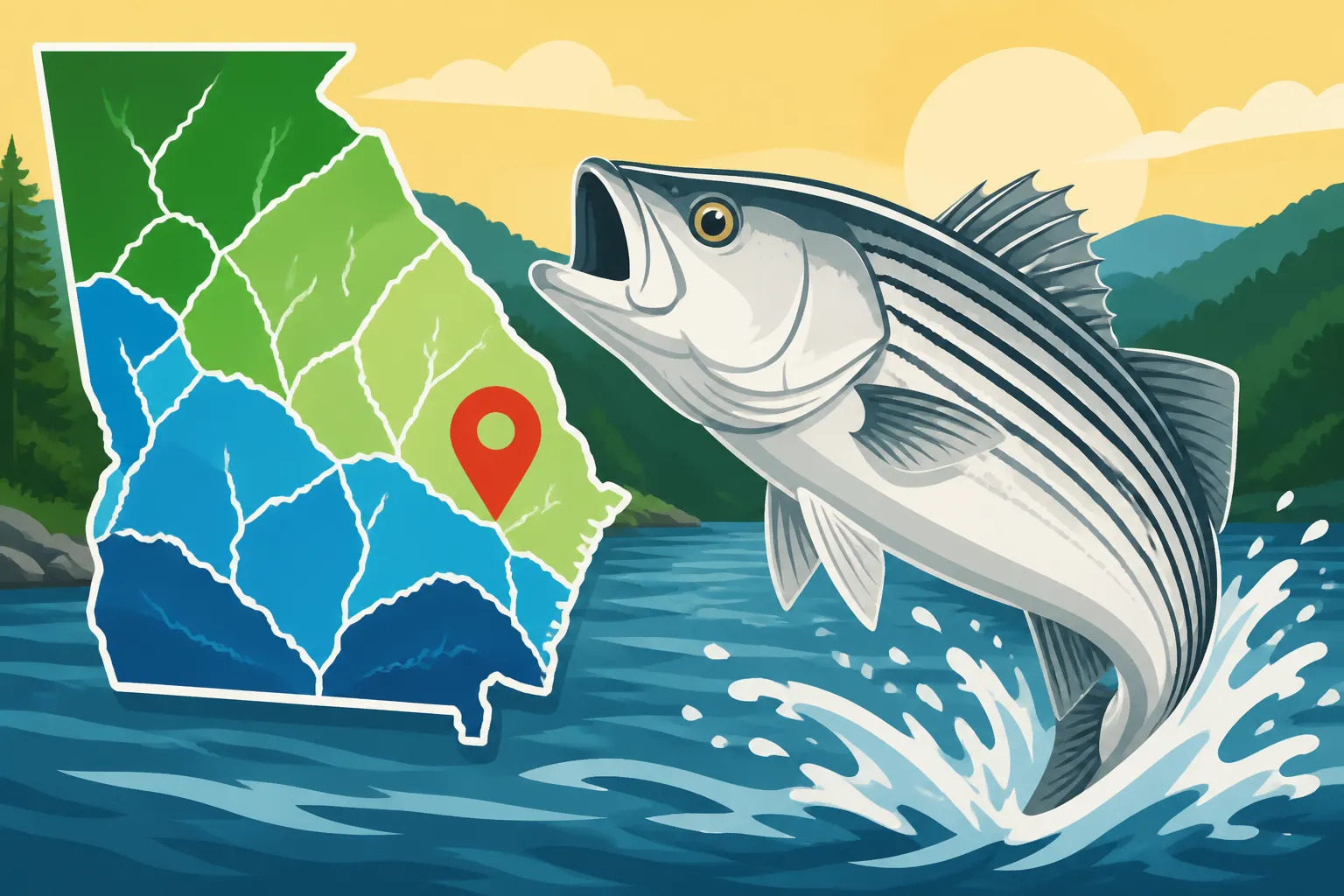
Georgia is blessed with a diverse network of rivers, and while many species call these waters home, striped bass are unique in their migratory patterns and preferences. They're anadromous fish by nature, meaning they typically live in saltwater and migrate to freshwater to spawn. However, many populations in Georgia's river basins are landlocked, surviving and thriving in freshwater environments thanks to extensive stocking programs and their ability to adapt to large river systems and reservoirs. Understanding these river systems is key to finding them.
The Importance of Upstream Migration
Even landlocked striped bass retain a strong instinct to migrate upstream for spawning, especially during the spring. This means that river stretches below dams, particularly those connecting to large reservoirs, become critical choke points. These areas provide the necessary current, oxygenated water, and often cooler temperatures that stripers seek out. Think of it like a natural funnel – fish move upriver until they hit a barrier, concentrating them in specific areas. This behavior makes these river sections incredibly productive during certain times of the year.
Key River Basin Characteristics
Not all river basins are created equal when it comes to holding striped bass. Several factors make a particular river basin more appealing to these powerful fish:
- Cooler Water Temperatures: Striped bass are cold-blooded and prefer cooler water, generally below 75 degrees Fahrenheit. Rivers fed by deep reservoirs, especially tailraces below dams, often offer these cooler conditions, especially in the summer months when other areas become too warm.
- Abundant Baitfish: Stripers are predators, and they follow their food. River systems with healthy populations of shad, herring, or even smaller panfish will attract and hold striped bass. Look for areas where baitfish are schooling or congregating.
- Strong Current and Oxygenation: Striped bass thrive in moving water. Tailrace fisheries, where water is released from dams, provide constant current and highly oxygenated water, which are ideal conditions for stripers to feed and remain active. These areas often draw fish upstream.
- Deep Pools and Structure: Rivers with deep pools, submerged rock formations, log jams, and other significant structures provide cover and ambush points for striped bass. They'll often hold in these deeper, calmer pockets, waiting for baitfish to drift by.
Knowing these characteristics will help you identify potential hot spots even before you cast a line.
Top Georgia River Basins for Striped Bass
Georgia boasts several river basins where you can consistently find and catch striped bass. Each offers a slightly different experience and set of challenges, but all hold the promise of a memorable fight.
The Chattahoochee River Basin
The Chattahoochee River is perhaps one of Georgia's most famous striped bass fisheries, particularly in the sections below Lake Lanier and other major impoundments. The tailrace below Buford Dam, which creates Lake Lanier, is a renowned spot. Here, cold, oxygenated water is released, creating an ideal environment for stripers year-round. Anglers often target these fish from the bank or by boat, especially during periods of generation.
Further downstream, even as the Chattahoochee flows through the metro Atlanta area, striped bass can be found. While not as concentrated as directly below the dam, these fish will migrate significant distances upriver during cooler months, chasing baitfish. Access points can be found in various parks and public lands, offering opportunities for both boat and Chattahoochee River Fishing Through Atlanta shore anglers. The river here offers a mix of urban and wild fishing, making it a truly unique experience.
The Savannah River Basin
The Savannah River, forming part of Georgia's eastern border with South Carolina, is another excellent river basin for striped bass. The areas below major reservoirs like Clarks Hill Lake (also known as Lake Thurmond) and Lake Russell are particularly productive. Similar to the Chattahoochee, the cold-water discharges from these dams attract and hold stripers, especially during warmer periods.
The Savannah River below Augusta offers a robust fishery, with striped bass making significant runs upriver from the brackish and saltwater sections of the river, especially in the spring. While some of these are true anadromous fish, many are also resident freshwater populations. Fishing the Savannah River, Georgia can be a fantastic experience, providing a mix of strong current and diverse habitat. Public boat ramps and access points make it easier to explore these waters, but always be mindful of water levels and currents.
The Altamaha River Basin
Often called "Georgia's Amazon," the Altamaha River is a vast, wild, and incredibly productive river system that stretches from central Georgia to the coast. It's a prime destination for various species, including a healthy population of striped bass. These stripers are typically more migratory, moving between the brackish tidal sections near the coast and the freshwater stretches far upstream, sometimes hundreds of miles.
The main stem of the Altamaha, along with its major tributaries like the Ocmulgee and Oconee Rivers, offers excellent opportunities. Look for deeper channels, oxbow lakes, and areas around submerged timber. Unlike the tailrace fisheries, the Altamaha's stripers are more influenced by natural river flows and tidal movements closer to the coast. Altamaha River Fishing Guide can point you to specific areas, but generally, the broader, deeper sections of the river hold the most promise, especially during their spring and fall runs. Anglers here often employ heavy tackle and live bait to tackle these powerful river fish.
| River Basin | Key Characteristics | Primary Fishing Locations | Best Seasons | Typical Fish Size | Access Notes |
|---|---|---|---|---|---|
| Chattahoochee | Cold-water tailrace, strong current, urban stretches | Below Buford Dam (Lake Lanier), Atlanta parks | Year-round, Spring/Fall runs | 5-20+ lbs | Good public access, both boat & bank |
| Savannah | Tailrace below major reservoirs, tidal influence | Below Clarks Hill/Lake Russell, near Augusta | Spring/Fall runs | 5-25+ lbs | Multiple boat ramps, some bank access |
| Altamaha | Large, wild, diverse habitat, tidal/freshwater sections | Main stem, Ocmulgee/Oconee tributaries | Spring/Fall runs | 10-30+ lbs, some larger | Remote areas, boat required for best spots |
Seasonal Movements and Best Times to Fish River Stripers
Understanding the seasonal movements of striped bass in river basins is crucial for consistent success. These fish are highly responsive to changes in water temperature, flow, and food availability.
Spring Migration and Spawning Runs
Spring is arguably the most exciting time to target river stripers. As water temperatures begin to rise, typically from March through May, striped bass embark on their annual spawning runs. They move upstream from reservoirs or coastal areas into the main river channels and their tributaries. This is when you'll find concentrations of fish in the tailraces below dams on rivers like the Chattahoochee and Savannah, or far upriver on the Altamaha system.
During this period, stripers are often aggressively feeding to fuel their arduous journey and spawning activities. Live bait, like shad or herring, can be incredibly effective, but artificial lures such as large swimbaits, bucktail jigs, and topwater plugs can also trigger vicious strikes. Knowing the Georgia Fishing Seasons by Month can help you pinpoint the best windows for these runs. This is also a fantastic time to practice Live Bait Rigs for Striped Bass to maximize your chances.
Summer Retreats and Cooler Waters
As Georgia's summers heat up, river water temperatures can become challenging for striped bass. They'll actively seek out cooler, more oxygenated water. In the Chattahoochee and Savannah systems, this often means they'll hold directly in the cold-water discharges of dams. Anglers targeting them here might focus on Deep Water Techniques for Striped Bass, using heavy jigs or live bait fished near the bottom.
On larger, slower-moving rivers like the Altamaha, stripers might move into deeper channels, confluence areas where cooler tributary waters meet the main river, or even into deeper oxbows. Early morning or late evening can still be productive, but the middle of the day often sees fish become less active due to the heat. Finding thermal refuges becomes paramount for successful summer fishing.
Fall and Winter Opportunities
Fall brings a renewed burst of activity for river stripers. As water temperatures cool down, the fish become more comfortable ranging throughout the river systems. They'll often follow schools of baitfish, pushing them into tighter areas, making them easier to locate. This post-spawn feeding frenzy can last well into winter, especially in milder years.
During winter, while overall activity might slow down, river stripers are still catchable. They tend to concentrate in deeper pools, bends, and around prominent structure where they can conserve energy and find stable temperatures. Fishing slower, deeper presentations with live bait or large jigs can be effective. This can be a great time for a patient angler to catch some of the largest fish, as the cold water invigorates them without the stress of summer heat.
Essential Gear and Techniques for River Basin Striped Bass
Tackling striped bass in river basins requires specific gear and techniques designed to handle powerful fish in often swift currents. You can find a lot of reliable gear on Amazon for these adventures.
Rods, Reels, and Line for Powerful Fish
Striped bass are notorious fighters, especially in river currents. You'll need stout gear that can stand up to their strong runs.
- Rods: Look for medium-heavy to heavy-action rods, typically 7 to 8 feet long. Longer rods provide better casting distance, especially important for shore anglers, and offer more leverage when fighting a large fish in current. A good quality fiberglass or composite rod can absorb the shock of a striper's powerful head shakes.
- Reels: Conventional (baitcasting) reels are often preferred for their power and line capacity, especially when using heavy lines or trolling. However, large spinning reels with robust drag systems also work well, particularly for casting artificial lures. Ensure your reel can hold at least 200 yards of line.
- Line: Monofilament line in the 15-30 lb test range is a good all-around choice for its stretch and abrasion resistance. Braided line, in similar strengths, offers superior sensitivity and casting distance, which can be a huge advantage when fishing deeper or in strong currents. A fluorocarbon leader (30-50 lb test) is often tied to the main line for its invisibility and abrasion resistance. Consider the Best Rod for Striped Bass Fishing in Georgia before you head out.
Baits and Lures for River Stripers
River stripers are opportunistic feeders, and a variety of baits and lures can be effective.
- Live Bait: This is often the most productive method, especially for larger fish. Live shad, herring, or even large shiners are excellent choices. They can be fished on a Carolina rig near the bottom, drifted under a float, or slow-trolled. Using a strong circle hook (4/0-7/0) is recommended for live bait to ensure proper hooksets and reduce gut-hooking. You can always stock up on hooks and swivels from Amazon before your trip.
- Artificial Lures:
- Bucktail Jigs: These are classic striper lures, effective in various sizes and colors. Tip them with a soft plastic trailer or a piece of bait for added attraction. Jig them vertically in deep holes or cast and retrieve them near current breaks.
- Swim Baits: Large, soft plastic swimbaits (4-8 inches) can imitate baitfish remarkably well. Rigged on a heavy jig head, they're deadly when retrieved slowly near the bottom or in suspended schools.
- Topwater Lures: During low light conditions or when stripers are actively busting on bait near the surface, large walk-the-dog style baits or poppers can elicit explosive strikes.
- Crankbaits and Jerkbaits: Deep-diving crankbaits can be trolled or cast to reach suspended fish, while large jerkbaits are excellent for imitating wounded baitfish.
For a deeper dive into what works, check out Best Bait for Striped Bass in Georgia and How Striper Fishing Techniques Differ From Bass Fishing.
Navigating River Basins Safely
Fishing Georgia's river basins, especially for large, hard-fighting species like striped bass, comes with its own set of safety considerations. Rivers can be unpredictable with strong currents, hidden obstacles, and rapidly changing water levels.
- Boating Safety: If fishing from a boat, always wear your life jacket, especially in strong currents or cold water. Be aware of submerged rocks, log jams, and shallow areas. Navigating near dams requires extreme caution; respect warning buoys and stay well clear of restricted areas, as water releases can be sudden and powerful. A reliable GPS unit (often available on Amazon) can be invaluable for navigating unfamiliar stretches and marking productive spots. Ensure your boat is equipped with all necessary safety gear.
- Bank Fishing Safety: When fishing from the bank, be aware of slippery rocks, steep banks, and swift currents. Never wade into unfamiliar water, as depths can change suddenly. Always let someone know where you're going and when you expect to return.
- Weather and Water Conditions: Always check the weather forecast and, critically, water generation schedules for dams if you're fishing a tailrace. Rapidly rising water can be dangerous for both bank and boat anglers. Fluctuating water levels can also change fish behavior, so staying informed is key.
Remember, a successful fishing trip is always a safe one. Being prepared with the right Best Gear for Striped Bass Fishing and an understanding of the environment will make all the difference.
Disclaimer
This article is for general informational purposes only and does not constitute professional advice. Laws, prices and regulations vary by location and change over time. Consult a qualified professional for guidance on your specific situation.