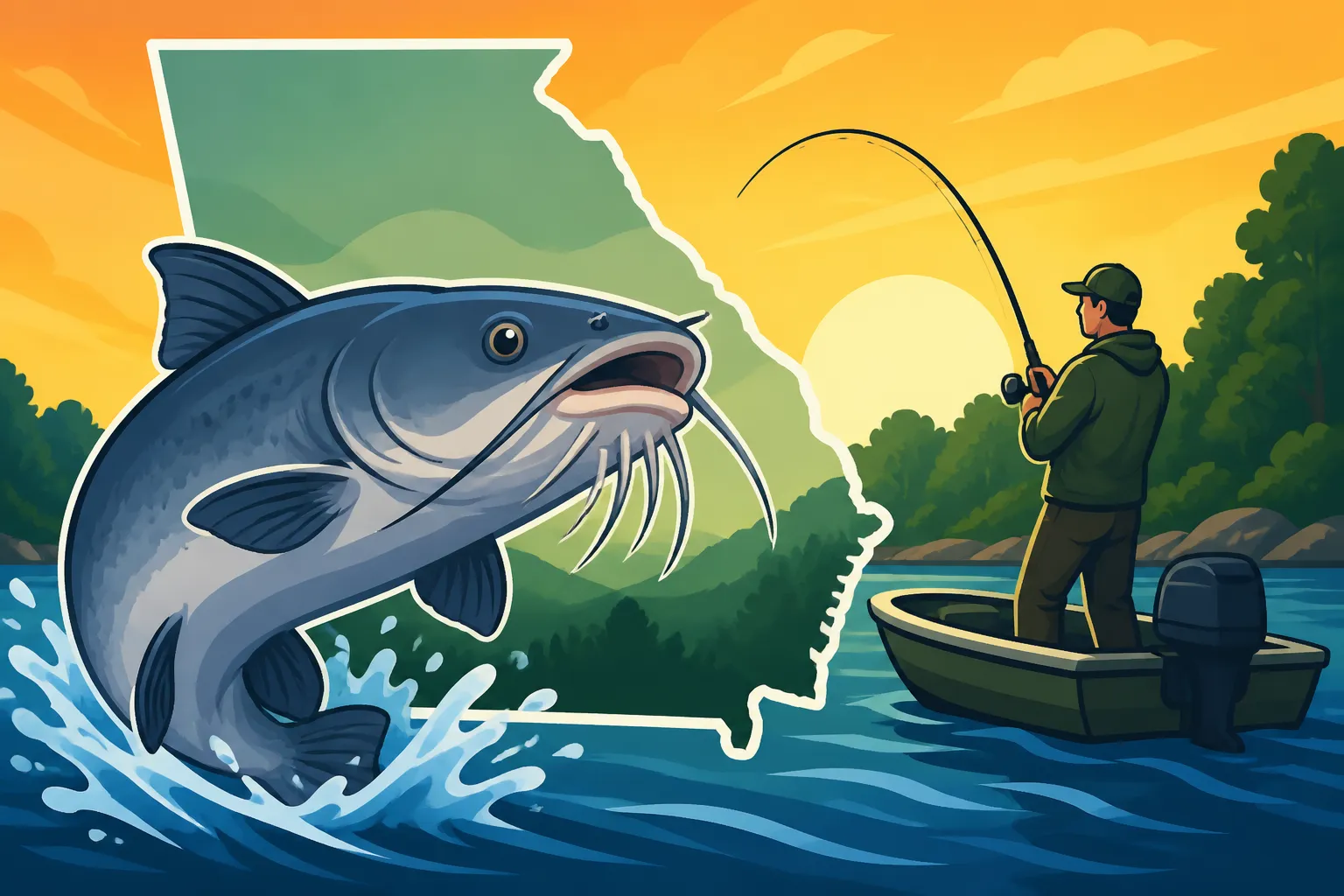
Blue Catfish Guide for Georgia Anglers
Oh, the blue catfish! For so many Georgia anglers, these powerful, often massive fish represent the ultimate freshwater challenge. But for others, they remain a bit of a mystery, lurking in the deeper, swifter waters of our rivers and reservoirs. If you've ever felt intimidated by their size or unsure of where to even begin targeting them, you're not alone. This comprehensive guide is here to unravel the secrets of Georgia's blue catfish, covering everything from how to identify these giants to the best places to find them and the techniques that will put them on your line.
Meet the Blue Catfish: Identification and Characteristics
Blue catfish are truly magnificent fish, a top predator in many of Georgia's larger water systems. Understanding their unique features and behaviors is your first step toward successfully targeting them. They're often confused with their close relatives, the channel catfish, but once you know what to look for, distinguishing them becomes second nature.
How to Tell a Blue Catfish Apart from Its Cousins
When you pull a big catfish out of the water, the first question many anglers ask is, "Is it a channel or a blue?" And sometimes, even a flathead can throw you for a loop if you're not paying close attention. But blue catfish have some pretty distinct characteristics that set them apart. The most reliable indicator is their anal fin: blue catfish have a very straight-edged anal fin with 30-35 rays, while channel catfish have a rounded anal fin with fewer rays (typically 24-29). This detail is often overlooked but is the most foolproof way to tell them apart, especially in younger fish.
Beyond the anal fin, blue catfish generally have a more deeply forked tail than channel cats, and their overall body shape tends to be more robust and streamlined, built for power in strong currents. Their coloration is also a good clue, though it can vary based on water clarity and habitat. They usually have a slate blue to gray color on their backs, fading to silvery-white on their bellies, and they rarely have the dark spots that are common on channel catfish, especially smaller ones. Flathead catfish, on the other hand, are much easier to distinguish with their mottled brown/yellow coloration, flat, wide heads, and distinct lower jaw that protrudes beyond the upper. Plus, flatheads have a rounded, rather than forked, tail. For a deeper dive into these differences, you might want to read Blue Catfish vs Flathead Catfish: How to Tell Them Apart and Channel Catfish vs Blue Catfish: Key Differences.
Knowing these identification tips isn't just for bragging rights; it's also important for understanding the different behaviors and habitats of each species, which in turn influences your fishing strategy. If you're targeting blues, you want to be sure you've actually got a blue on the end of your line!
Size and Growth Potential in Georgia Waters
One of the biggest draws of blue catfish for anglers is their sheer size potential. These fish are the largest native catfish species in North America, and Georgia's waters are absolutely capable of producing giants. While many blue catfish you catch will be in the 5-20 pound range, it's not uncommon to hook into fish exceeding 50 pounds, and some truly monster blues can tip the scales at over 100 pounds. Imagine the fight of a fish that big!
Their growth rate is impressive, especially in environments with abundant food sources. In reservoirs and rivers with healthy populations of shad and other baitfish, blue catfish can grow quite quickly. This incredible growth potential means that every time you set a line for blues, there's always the chance of hooking into a new personal best or even a state record. This pursuit of trophy fish is what keeps many dedicated catfishermen coming back for more, and Georgia offers some fantastic opportunities. You can learn more about how large these fish can get in our guide Blue Catfish Size and Growth in Georgia Reservoirs.
Blue Catfish Behavior and Temperament
Blue catfish are known for being strong, tenacious fighters once hooked. They'll pull hard, make powerful runs, and often stay deep, testing your tackle and your resolve. This aggressive fighting style is part of their appeal as a sport fish. In terms of their everyday behavior, blue catfish are primarily bottom-dwelling predators, often found in deeper areas of rivers and reservoirs. They prefer areas with current, which brings food to them and helps with oxygenation.
Unlike flathead catfish, which prefer live prey and often ambush their meals, blue catfish are more opportunistic scavengers and active hunters. They have an excellent sense of smell and rely heavily on it to locate food, which is why fresh cut bait is so effective. They're also schooling fish, particularly the smaller and medium-sized ones, so if you catch one, there's a good chance there are more in the immediate vicinity. Larger, older blues tend to be more solitary. They are active year-round, but their feeding patterns can change with water temperature and current, often becoming more active during periods of stable weather and after dark, especially in warmer months. Knowing these habits helps you plan your trips and choose the best times to fish for them.
Where to Find Georgia's Blue Catfish Hotspots
Georgia is blessed with an abundance of fantastic fishing opportunities, and blue catfish are no exception. From sprawling reservoirs to powerful river systems, there are several key locations where you can consistently find these hard-fighting fish. The trick is understanding their preferred environment.
Prime River Systems for Trophy Blues
When it comes to prime blue catfish habitat, Georgia's major river systems are often the first place serious anglers look, especially if they're after a true trophy. Rivers like the Altamaha, Oconee, and Ocmulgee offer the kind of deep channels, strong currents, and abundant forage that blue catfish thrive in. These rivers carve out deep holes, bends, and scour areas where blues love to congregate, waiting for food to drift by.
The constant flow in these rivers keeps the water oxygenated and delivers a steady supply of dead or injured baitfish, making cut bait particularly effective. Look for deep river bends with significant drop-offs, areas around submerged timber or rock piles, and downstream of confluences where two rivers or creeks merge. These spots create natural current breaks and holding areas for baitfish, which in turn attract the blues. Accessing these areas often requires a boat, allowing you to effectively anchor in the current and present your baits. For specific locations, you can consult guides like Where to Catch Catfish in Georgia and Best Bait for Blue Catfish in Georgia Rivers.
Reservoir Giants: Lakes Known for Big Blue Catfish
While rivers are excellent, many of Georgia's large reservoirs also hold impressive populations of blue catfish, including some truly monstrous specimens. Lakes like Lake Sinclair, Lake Oconee, and even parts of Lake Lanier have developed strong blue catfish fisheries. These impoundments often mimic riverine conditions in their lower sections, especially near the dams or where major river channels flow through them.
Reservoirs offer a slightly different challenge and opportunity. While current is still a factor, especially near dam discharges or tributary mouths, blue catfish in lakes also relate heavily to deep main lake channels, submerged creek beds, humps, and ledges. They'll often follow schools of shad across vast open water, making sonar and a good understanding of baitfish movements crucial. For example, Best Catfish Spots on Lake Sinclair, Georgia highlights how the warmer water discharge from the power plant can attract blues in winter. The sheer volume of water in these reservoirs means these fish have ample room to grow, and the constant presence of shad populations ensures a rich food source.
Understanding Their Preferred Habitat and Structure
Blue catfish aren't just found anywhere; they have distinct preferences for habitat and structure within both rivers and reservoirs. Understanding these preferences will drastically improve your chances of success. They love deep water, often seeking out depths of 20 feet or more, particularly during the day or in warmer months. They're drawn to areas with current, as mentioned, but also look for structure that offers cover and acts as an ambush point for passing prey.
In rivers, this means focusing on the deepest channels, eddies behind obstacles, and the slower water on the inside bends of river turns. Submerged wood, rock piles, and even bridge pilings are classic blue catfish hangouts. In reservoirs, they'll often hold to the original river channel that runs through the lake, congregating in deep holes, along ledges, or around submerged timber and brush piles. If you have a fish finder, look for baitfish schools in these deep areas, as the blues will often be close by, lurking just below or to the sides of the bait. Changes in bottom composition, like where mud meets rock, can also be productive. Think about areas where they can expend less energy but still have access to food.
| Habitat Feature | River Systems | Reservoirs |
|---|---|---|
| Depth Preference | Deep channels, scour holes, strong current breaks | Original river channels, deep humps, ledges, dam areas |
| Current Relation | Strong current favored, eddies for ambush | Near dam discharges, tributary mouths, main channel flow |
| Structure Types | Submerged timber, rock piles, bridge pilings | Submerged timber, brush piles, ledges, old roadbeds |
| Forage Connection | Following baitfish schools (shad, herring) | Following vast shad schools, especially in open water |
| Time of Day | Often active day and night, especially in current | More nocturnal in summer, deeper during day |
Essential Gear and Techniques for Blue Catfish
Tackling blue catfish, especially the bigger ones, requires specialized gear and a methodical approach. You can't just show up with a lightweight spinning rod and expect to land a 50-pounder. These fish demand respect, and your equipment needs to match their power. But don't worry, it's not overly complicated, and many items can be found readily, even from online retailers like Amazon.
Rods, Reels, and Line: Building Your Blue Catfish Arsenal
When it comes to blue catfish, durability and strength are key. You'll want a heavy-action rod, typically 7 to 10 feet long, with a strong backbone that can handle big fish and heavy weights. Many catfishermen prefer Ugly Stik rods for their legendary toughness, but there are many great options available. The longer length helps with casting heavy baits and sinkers, as well as absorbing the shock of powerful runs. Look for rods with comfortable handles and strong reel seats, as you'll be putting a lot of pressure on them.
For reels, a robust baitcasting reel is often preferred, offering superior cranking power and line capacity. Look for models with a smooth, powerful drag system that won't give out when a giant blue decides to spool you. Make sure your reel can hold a good amount of heavy line, at least 200-300 yards. When it comes to line, most serious blue catfishermen opt for braided line due to its superior strength-to-diameter ratio, minimal stretch for better hooksets, and abrasion resistance. A 50 to 80-pound test braided line is a common choice. Some anglers might use a monofilament leader for added stretch or stealth, but the main line should be stout. You can find a fantastic selection of these specific types of rods, reels, and braided lines on Amazon, often with reviews from fellow catfish enthusiasts to guide your choice.
Best Baits for Enticing Georgia's Blue Catfish
Blue catfish are primarily piscivorous, meaning they eat other fish, and they have an incredible sense of smell. This makes fresh cut bait the undisputed champion for targeting them. While some prepared baits can work, especially for smaller blues, if you're chasing trophies, fresh cut bait is your best bet.
Shad, especially gizzard or threadfin shad, are probably the most popular and effective bait for blue catfish in Georgia. They are a natural food source in most of our larger waters. You can catch your own with a cast net or purchase them from bait shops. Cut them into 1-2 inch chunks, or use larger sections (like a head or tail section) for bigger fish. Other effective cut baits include herring, skipjack, or even sections of carp or bream. Experimentation is key, but always lean towards fresh, oily fish. Avoid frozen bait if possible, as it loses a lot of its scent and natural oils. The fresher the bait, the stronger the scent trail, and the more irresistible it will be to a hungry blue cat.
Proven Rigs and Presentations for Success
Setting up your rig correctly is crucial for effective blue catfish fishing. The two most common and highly effective rigs are the Carolina rig (or sliding sinker rig) and the Santee Cooper rig.
The Carolina Rig is straightforward:
- Thread an egg sinker (often 2-8 ounces, depending on current and depth) onto your main line.
- Tie a heavy-duty swivel (rated for your line strength) to the end of your main line.
- Attach a monofilament or fluorocarbon leader (2-4 feet long, 50-80 lb test) to the other end of the swivel.
- Tie a strong circle hook (sizes 7/0 to 10/0 are common for big blues) to the end of your leader.
This rig allows the fish to take the bait without feeling the weight of the sinker, and the circle hook often sets itself in the corner of the fish's mouth as it swims away. For a deeper dive into this, check out How to Rig a Slip Sinker for Catfish.
The Santee Cooper Rig is a variation of the Carolina rig, popular for keeping your bait slightly off the bottom in areas with thick mud or debris. It's built the same way, but before tying your hook to the leader, you add a small, brightly colored foam float (often a peg float) a few inches above the hook. This float lifts your bait up, making it more visible and keeping it out of the gunk. Both of these rigs are ideal for How to Bottom Fish for Catfish from either a boat or the bank. When fishing at night, which can be very productive for blues, especially in summer, consider using glow-in-the-dark beads or floats on your leader to attract attention. For more night fishing tips, refer to How to Catch Catfish at Night and Do Catfish Bite Better After Dark?.
Beyond the Catch: Regulations, Conservation, and Eating Your Haul
Catching a blue catfish is an exhilarating experience, but understanding the regulations, the species' ecological role, and how to properly handle and prepare your catch are all part of being a responsible and knowledgeable angler.
Georgia's Regulations for Blue Catfish
Like all fish species in Georgia, blue catfish are subject to specific regulations designed to manage their populations and ensure sustainable fishing for future generations. While blue catfish are an introduced species in some Georgia waters and are not native to all systems where they are found, they have established themselves in many areas. Generally, blue catfish have very liberal creel limits, and often no minimum size limits, due to their prolific nature and the desire to encourage harvest in certain areas where they may impact native species. However, it's absolutely crucial to always check the most current Georgia fishing regulations before you head out. These rules can change, and specific water bodies might have unique regulations that differ from statewide norms.
You can usually find the most up-to-date information on the Georgia Department of Natural Resources (DNR) website or by picking up a copy of the current fishing regulations guide. Understanding these rules is part of responsible angling and helps protect our fisheries. Always be sure your Georgia Fishing Regulations Explained are fresh in your mind before dropping a line.
Blue Catfish as a Food Fish: Preparation and Taste
After a successful day of fishing, you might be wondering about the table quality of blue catfish. The good news is, blue catfish are generally considered excellent eating! Their flesh is firm, white, and has a mild, sweet flavor, especially from fish caught in clean, cold waters. Smaller blues (under 10-15 pounds) tend to have the best flavor and texture, as larger, older fish can sometimes develop a stronger, more "fishy" taste and tougher flesh.
Cleaning a blue catfish can be a bit of a challenge due to their tough skin, but it's well worth the effort. Many anglers prefer to fillet them and then skin the fillets. Common cooking methods include frying, grilling, baking, or broiling. A classic Southern fried catfish recipe is always a hit, but don't shy away from experimenting with different marinades and seasonings. Just remember, proper handling from catch to cooker is key to maintaining the best flavor. Bleeding the fish immediately after catching, keeping them on ice, and cleaning them promptly will ensure the freshest taste. To get a definitive answer to the question of edibility, take a look at Is Blue Catfish Good to Eat?.
Understanding Their Impact and Management
While blue catfish offer fantastic sport and a tasty meal, it's also important to understand their ecological role in Georgia's diverse aquatic ecosystems. In many of the waters where they thrive, blue catfish are not native. They were introduced to control baitfish populations or to provide additional sportfishing opportunities. However, as highly efficient predators and prolific breeders, they can sometimes outcompete native species for food and habitat, and in some cases, they can significantly alter the fish community structure.
Because of this, management strategies often aim to encourage harvest, particularly of smaller fish, to help manage their populations. Anglers are often encouraged to keep any blue catfish they catch, especially from waters where they are considered an invasive or overpopulated species. By understanding their place in the ecosystem and adhering to regulations, anglers can play a vital role in supporting responsible fisheries management while still enjoying the thrill of catching these impressive fish. The overall goal is to maintain a healthy balance, allowing both native species and introduced species like the blue catfish to coexist as much as possible, or to manage the introduced populations to minimize negative impacts.
Disclaimer
This article is for general informational purposes only and does not constitute professional advice. Laws, prices and regulations vary by location and change over time. Consult a qualified professional for guidance on your specific situation.