Crappie Fishing in Georgia: Black and White Crappie Guide
There’s nothing quite like the subtle tap, tap, tap of a crappie nibbling your jig, followed by that satisfying tug that signals you've got one on the line. But if you’ve ever found yourself scratching your head, wondering whether that speckled beauty is a black crappie or a striped fighter is a white crappie, or struggling to consistently find them across Georgia’s diverse waters, you’re definitely not alone. This guide is here to untangle the nuances of crappie fishing in Georgia, helping you understand both species, where to find them, and the best ways to bring them to your net, no matter the season.
Understanding Georgia's Crappie Species: Black vs. White
Before you can truly master crappie fishing in Georgia, it helps to know your quarry. We often talk about "crappie" as a single entity, but there are actually two distinct species thriving in our waters: the black crappie and the white crappie. While they share many similarities and often coexist, understanding their subtle differences in appearance, habitat, and behavior can dramatically improve your fishing success.
Black Crappie: The Speckled Beauty
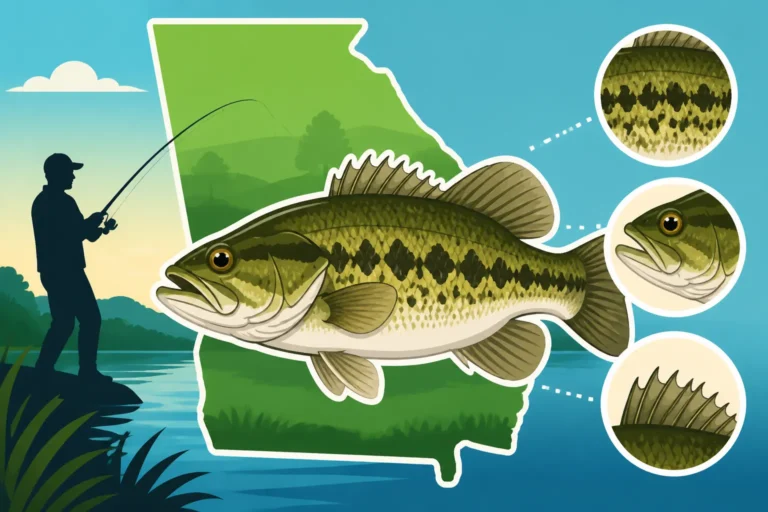
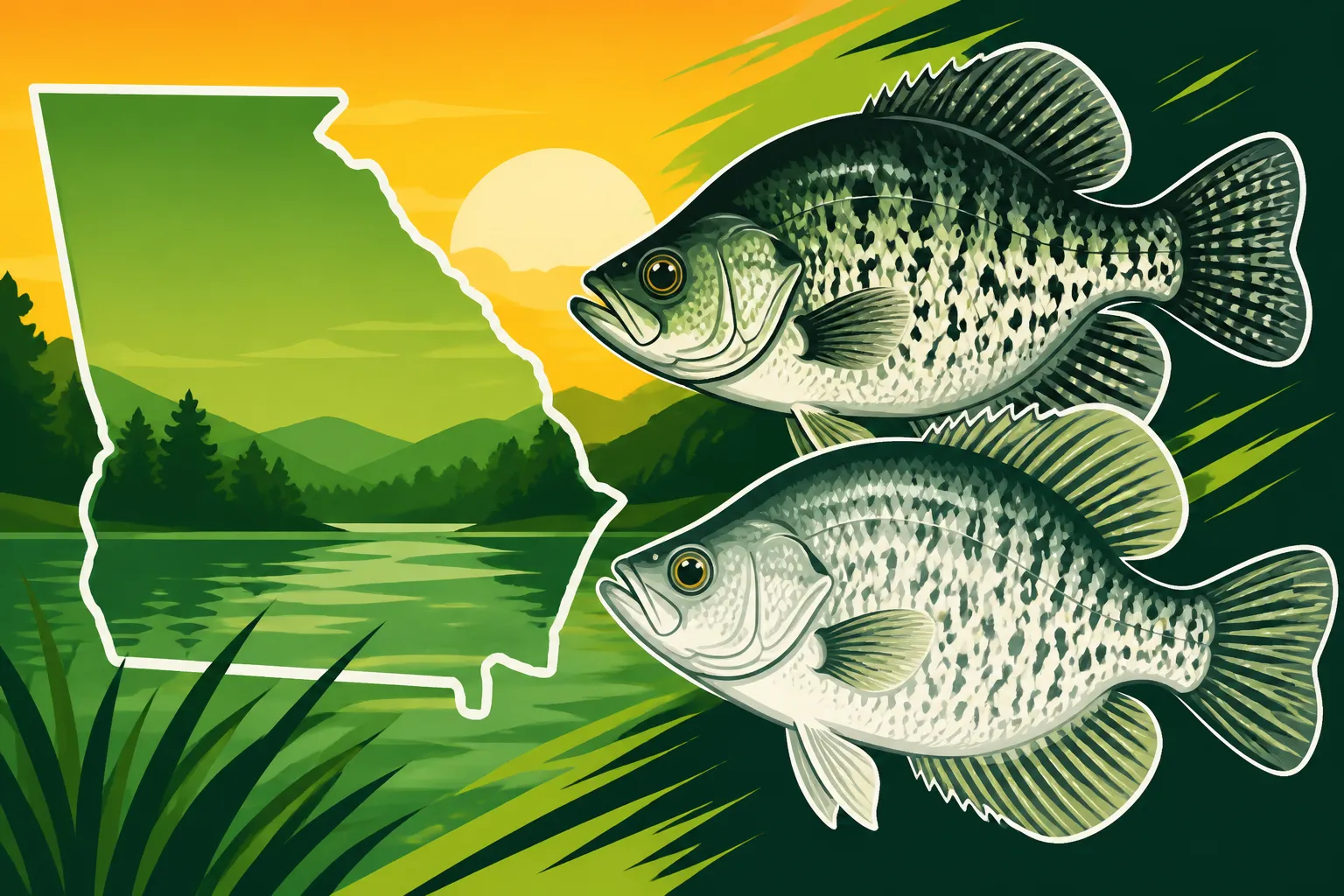
Let’s start with the black crappie, often admired for its darker, mottled appearance. When you pull one of these out of the water, you'll immediately notice its seemingly random pattern of dark spots scattered across its silvery-gold or olive-green body, almost like someone flicked paint onto it. These spots don't usually form distinct vertical bars. One of the key identifying features that separates them from their white crappie cousins is the number of dorsal fin spines. Black crappie typically have 7 or 8 dorsal spines – those sharp, bony rays on the front part of their top fin. Their body shape tends to be a bit more rounded or "disk-like" compared to white crappie, giving them a slightly thicker, stockier appearance.
Black crappie tend to prefer clearer, cleaner water with an abundance of aquatic vegetation, submerged brush piles, or standing timber. Think about those serene, hidden coves on a lake or slow-moving areas of a river where lily pads might grow. They love to hang out around cover that offers shade and ambush points for baitfish, such as fallen trees, weed beds, and even man-made structures like docks and piers. They're often found in schools, especially around these types of structure, making them a fantastic target once you locate a productive spot. Their diet is primarily small baitfish and insects, and they're known for being a bit pickier than white crappie, especially in clear water, often requiring a more subtle presentation.
White Crappie: The Striped Fighter
Now, on to the white crappie, a formidable and equally delicious opponent. When you catch a white crappie, the first thing that usually jumps out at you is the distinct pattern of 5 to 10 dark vertical bars or stripes running down its sides, rather than the speckled pattern of the black crappie. These stripes are a dead giveaway. Count those dorsal fin spines, and you'll typically find 5 or 6 of them, which is fewer than the black crappie. Their body is generally a bit more elongated and streamlined than the black crappie, giving them a sleeker profile.
White crappie are often more tolerant of turbid (cloudier) water and are frequently found in larger, more open water areas of lakes and rivers, although they still relate strongly to structure. They thrive in environments with less vegetation but plenty of brush piles, rock formations, or even deeper creek channels. You might find them suspended over open water bait schools, especially in larger reservoirs. While they also school, they can be a bit more nomadic than black crappie, following baitfish around. Because they often inhabit cloudier water, they can sometimes be less finicky about presentation and more aggressive in their strikes. Understanding these differences is crucial, and if you want a detailed breakdown, check out Crappie Compared: Black vs White in Georgia Waters for more specifics on identification.
Why the Distinction Matters for Anglers
You might be thinking, "A crappie is a crappie, right?" Well, not entirely, my friend. Knowing whether you're targeting black or white crappie, or which one is more prevalent in a particular body of water, allows you to tailor your entire fishing strategy. If you're heading to a lake known for clear water and abundant aquatic plants, you might lean towards black crappie tactics – lighter line, smaller jigs, and focusing on weed edges or docks. Conversely, if you're fishing a larger, slightly stained reservoir, you might be better off looking for white crappie in deeper brush piles or suspended over creek channels, perhaps with slightly larger baits.
It’s all about putting yourself in the best position for success. Their preferred habitats dictate where you cast your line, what kind of cover you seek out, and even the colors and sizes of your lures. A slight adjustment in your approach based on the dominant species can be the difference between a slow day and a cooler full of slabs. This knowledge empowers you to make smarter decisions on the water, turning an average fishing trip into an exceptional one.
Top Crappie Fishing Spots in Georgia
Georgia is truly blessed with an abundance of fantastic crappie fisheries, from sprawling reservoirs to tranquil public fishing areas. Knowing where to go is half the battle, so let's explore some of the best places to chase those papermouths.
Major Reservoirs Known for Crappie
When most folks think of crappie fishing in Georgia, their minds often drift to our incredible big lakes. These reservoirs offer vast opportunities, often holding both black and white crappie, depending on their specific characteristics.
-
Lake Sinclair: This central Georgia powerhouse is a crappie haven, especially renowned for its winter and early spring fishing. Lake Sinclair is known for being a warmer lake due to the power plant discharge, which keeps water temperatures a bit higher than other lakes during colder months, drawing crappie to accessible depths. Anglers here find success around the extensive submerged timber, bridge pilings, and man-made brush piles. The coves and shallow flats come alive during the spawn. If you're looking for specific honey holes, be sure to check out Best Crappie Spots on Lake Sinclair. The key here is often slow-trolling jigs or live minnows near structure.
-
Lake Oconee: Just upstream from Sinclair, Lake Oconee also boasts a healthy crappie population. While often famed for its hybrid striped bass, crappie are abundant, especially in areas with standing timber and creek channels. The Richland Creek and Apalachee River arms are particularly popular. Crappie here relate closely to the dense timber fields and brush piles. Many anglers use spider rigging techniques, slowly drifting multiple lines with jigs or minnows through known crappie haunts. The deep channels and humps can hold crappie year-round, making it a great lake for consistent action.
-
Clarks Hill Lake (Lake Strom Thurmond): Straddling the Georgia-South Carolina border, Clarks Hill is one of the largest reservoirs in the Southeast, and it's absolutely packed with crappie. This lake is famous for its abundant flooded timber, which offers endless habitat and cover for crappie. Targeting these flooded trees with jigs or minnows is a classic method. Early spring sees crappie moving into the shallow coves and brushy areas to spawn, while in summer and winter, they often suspend around deeper timber or along creek channels. For some prime targets on this massive lake, you'll want to read up on Flooded Timber Crappie Spots on Lake Thurmond.
-
Lake Blackshear: Down in southwest Georgia, Lake Blackshear is another crappie hotspot. This lake is characterized by its numerous cypress trees, stumps, and lily pads, providing excellent shallow-water cover for crappie, especially black crappie. The creek mouths and shallower flats warm up quickly in spring, drawing large numbers of crappie in for the spawn. During other seasons, crappie can be found around deeper cypress trees, docks, and man-made brush piles. Bank anglers also have good access here in many areas, particularly around public fishing docks. Specific spots and tactics are detailed in Best Crappie Fishing Spots on Lake Blackshear, Georgia.
Smaller Lakes and Ponds for Easy Access
While the big reservoirs get a lot of attention, don't overlook Georgia's smaller lakes and Public Fishing Areas (PFAs). These spots are often managed specifically for recreational fishing and can offer incredible crappie action, especially for beginners or those seeking less crowded waters.
-
Public Fishing Areas (PFAs): Georgia's network of PFAs are fantastic resources. These lakes, managed by the Georgia Department of Natural Resources, are regularly stocked and maintained, often featuring excellent bank access, fishing piers, and amenities. Many PFAs, like Marben Farms PFA near Mansfield or Big Lazer Creek PFA, are known for producing good numbers of crappie. They typically have plenty of brush piles and submerged structure that hold fish. These are great places to take kids, as the action can be steady, and the fishing is generally less intimidating than on a vast reservoir. For a broader overview, consider exploring Crappie Fishing Ponds and Streams Across Georgia.
-
Local Community Ponds: Almost every community in Georgia has a few hidden gems – small ponds or neighborhood lakes that are often overlooked. While they might not hold "trophy" crappie, they can offer consistent catches of pan-sized fish. Always check local regulations and private property rules before fishing. These smaller waters often fish well with simple setups like a bobber and a live minnow or a small jig. The lack of heavy boat traffic can also make for a more peaceful fishing experience.
River Systems and Their Crappie Potential
Georgia's extensive river systems also hold significant crappie populations, particularly in the slower-moving sections, oxbow lakes, and backwaters. Fishing rivers for crappie often requires a slightly different approach than lakes, as current and flow play a more significant role.
-
Altamaha River: This massive river system in southeast Georgia is a fantastic crappie fishery, particularly in its oxbow lakes and sloughs off the main channel. The slower current in these areas allows crappie to thrive, often relating to fallen timber, cypress knees, and submerged logs. During cooler months, crappie can stack up in deeper holes and channels.
-
Ocmulgee River: Similar to the Altamaha, the Ocmulgee offers excellent crappie fishing in its numerous backwaters, oxbows, and slower sections, especially south of Macon. These areas provide the slack water and abundant cover that crappie prefer. Anglers often target these areas using small jigs or minnows under a float, casting near any visible or submerged structure.
-
Flint River: While the Flint is famous for its shoal bass, its slower, wider sections and tributary creeks also hold good numbers of crappie. Look for crappie in calmer pools, around fallen trees, and near any creek mouths that provide slack water. The lower Flint can offer surprisingly good crappie action, especially when fished from a boat that can access remote areas.
Seasonal Crappie Patterns in Georgia
Crappie, like most fish, are creatures of habit, and their behavior changes dramatically with the seasons. Understanding these patterns is absolutely critical for consistent success in Georgia. What works in spring won't necessarily work in winter, and vice-versa.
Spring Crappie: The Spawn Frenzy
Ah, spring! This is arguably the most anticipated season for crappie anglers in Georgia, as the fish move shallow for their annual spawning ritual. The transition from winter to spring sees crappie undergo distinct phases.
-
Pre-spawn: As water temperatures begin to creep into the upper 40s and 50s, crappie start to shake off their winter lethargy. They move from their deep winter haunts towards shallower staging areas, typically congregating in creek channels, around submerged points, or on the edges of flats adjacent to deeper water. They're feeding heavily to build energy for the upcoming spawn. This is a fantastic time to catch large numbers of active crappie. Target brush piles, ledges, and channels in 10-20 feet of water. Slow trolling or vertical jigging with minnows or small jigs are very effective methods as the crappie move up and down in the water column.
-
Spawn: The real magic happens when water temperatures consistently reach the mid-50s to low-60s. This is when crappie move into incredibly shallow water, often less than 5 feet deep, to fan out beds and spawn. They'll seek out protected coves, shallow brush, lily pad stems, fallen trees, and even boat docks. Black crappie often prefer vegetation, while white crappie might gravitate towards harder bottoms and wood cover. During the spawn, they're aggressively protecting their nests, making them highly susceptible to a variety of techniques. Small jigs, live minnows under a bobber, or even tiny spinnerbaits cast into cover can yield incredible results. This is often when you can catch "slabs" right from the bank. Best Time of Year to Catch Crappie in Georgia delves deeper into these seasonal timings.
-
Post-spawn: After the exhausting spawning period, crappie become a bit lethargic and dispersed. They'll move back out to slightly deeper water, often holding around the first available cover adjacent to their spawning grounds, such as brush piles on a channel bend or a deeper dock. They're recovering and may not feed as aggressively, requiring a more subtle approach. This period can be a bit tougher, but targeting them in 8-15 feet of water with light tackle can still be productive.
Summer Crappie: Deep Water and Night Bites
When the dog days of summer hit, crappie typically retreat to deeper, cooler water. The oppressive heat of midday sends them down to the thermocline – the layer of water where temperature changes rapidly – or to the coolest, shadiest cover they can find.
-
Deep Water: During the day, crappie will often be found suspended in 15-30 feet of water, especially around submerged brush piles, standing timber, or deep creek channel ledges. They'll follow schools of baitfish, so if you have a good fish finder, look for bait balls and crappie hovering nearby. Vertical jigging or tightlining live minnows directly over these deep-water structures is key. Sometimes, they'll be tight to the bottom in deeper holes, especially in rivers.
-
Night Fishing: One of the most effective ways to target crappie in summer is by fishing at night. This is where lights come into play. Anglers often use submersible lights or lanterns over the side of their boat to attract plankton, which in turn draws in baitfish, and then the crappie follow. Crappie will suspend directly in the illuminated zone or just outside of it. Small jigs or minnows fished at various depths under the lights can be incredibly productive. As the sun sets, the water surface cools, and crappie become more active. Ever wondered if the darkness truly helps? Do Crappie Bite Better at Night? explores this fascinating phenomenon.
Fall Crappie: Feeding Up for Winter
Fall is another fantastic season for crappie fishing in Georgia, often rivaling spring in terms of action. As water temperatures start to drop, crappie become incredibly active as they begin to feed aggressively to build up fat reserves for the upcoming winter.
-
Migration and Schooling: In the early fall, crappie will often move back into shallower coves and creek arms, mimicking their spring patterns but without the spawning focus. They'll school up tightly and can be found around brush piles, docks, and submerged points. This is a great time for casting jigs or small crankbaits. As fall progresses and temperatures drop further, they'll start moving towards deeper main lake structure.
-
Aggressive Feeding: This is the time when crappie are often at their fattest and most willing to bite. They're less finicky than in summer. Look for them concentrated around brush piles, submerged timber, and deep creek channel ledges. Both live minnows and a variety of artificial jigs can be highly effective. They'll be feeding on shad and other baitfish, so matching the hatch with your lure selection can be beneficial.
Winter Crappie: Slow and Steady
Winter fishing for crappie in Georgia requires patience and a subtle touch, but it can yield some of the biggest "slab" crappie of the year. The fish are often schooled tightly in deep water and aren't moving much, but when you find them, the action can be steady.
-
Deep Water: Crappie will typically hold in the deepest parts of the lake or river during winter. This means suspending over deep creek channels, gathering around main lake brush piles in 25-40 feet of water, or hugging the bottom in deep holes. They're often lethargic, so a slow, precise presentation is key. Vertical jigging directly over them with a tiny jig or a live minnow is the go-to technique.
-
Warmer Pockets: Lakes like Sinclair, with power plant discharges, can offer warmer water pockets that draw crappie in during winter. These areas can be incredibly productive, as the crappie are more active in the slightly elevated temperatures. If you're fishing a lake without a power plant, look for the sunny sides of humps and points that might warm up slightly during the day. Remember, crappie aren't chasing much in winter; they're conserving energy. A subtle lift and drop, or simply holding your bait still in their strike zone, is often all it takes.
Essential Gear and Techniques for Crappie Success
Crappie fishing doesn't require a fortune in specialized equipment, which is one of its many appeals. However, having the right gear and understanding effective techniques will significantly boost your chances of success. Let's break down the essentials.
Rods, Reels, and Line: The Right Setup
For crappie, finesse is often the name of the game, meaning light tackle is usually preferred.
-
Rods: When it comes to rods, think ultralight or light action, typically in the 5 to 7-foot range. A sensitive tip is crucial for detecting those subtle crappie bites, which can sometimes feel like nothing more than a slight weight on your line. For single-pole jigging, a 6-foot rod with a fast tip works wonders. If you're spider rigging or tightlining from a boat, longer rods (8-14 feet) are popular as they allow you to spread out multiple lines and present baits further from the boat. These longer rods also help with leverage when fighting a fish, especially if you have a lot of line out. For specific recommendations, check out Best Rods for Crappie Fishing in Georgia. You can often find decent rods for a reasonable price on Amazon, which is a great place to start building your crappie arsenal.
-
Reels: Pair your sensitive rod with a small spinning reel (500 or 1000 size). Spinning reels are perfect for crappie because they handle light lines and small lures effortlessly, allowing for delicate presentations and long, accurate casts when needed. Make sure the drag system is smooth, as crappie have delicate mouths, and a sticky drag can easily tear the hook out.
-
Line: For main line, 4-8 pound test monofilament or fluorocarbon is ideal. Monofilament is budget-friendly and has some stretch, which can be forgiving. Fluorocarbon is nearly invisible underwater and offers excellent sensitivity. Many anglers also use a light braided line (6-10 lb test) for its incredible sensitivity and strength, often adding a 2-4 foot fluorocarbon leader to maintain invisibility. The choice depends on water clarity and personal preference, but light line is crucial for crappie as they can be line-shy.
Baits and Lures: What Crappie Crave
Crappie aren't overly picky, but certain baits and lures consistently outperform others.
-
Live Minnows: The classic crappie bait, and often the most effective. Live minnows, particularly small shiners or fatheads, are irresistible to crappie. You can fish them under a bobber, tightline them directly to cover, or use them on a spider rig. Hook them gently through the lips or just behind the dorsal fin. The natural movement of a live minnow is hard for any crappie to ignore.
-
Jigs: Artificial jigs are incredibly versatile and come in countless shapes, sizes, and colors.
- Plastic Bodies: Soft plastic jigs, ranging from tiny 1/32 oz to 1/8 oz, are immensely popular. Styles include tube jigs, curly tail grubs, paddle tails, and minnow imitations. Colors like chartreuse, white, pink, and various shad patterns are perennial favorites. The action of these plastics in the water can mimic a fleeing baitfish or insect.
- Hair Jigs: Often made with bucktail or marabou feathers, hair jigs offer a more subtle, lifelike breathing action in the water that can be deadly, especially in colder water.
- For a deeper dive into color selection, definitely read Best Jig Colors for Crappie Fishing. When buying jigs, look for variety packs on Amazon to experiment with different options.
-
Small Crankbaits and Spinners: While not as common as jigs or minnows, very small crankbaits (like mini Shad Raps or similar ultralight options) can be effective when trolling or casting for active crappie. Small inline spinners can also draw aggressive strikes, especially when crappie are chasing baitfish. These are best used when crappie are spread out and actively feeding.
Popular Crappie Fishing Techniques
Once you have your gear, it's time to put it to use with proven techniques.
-
Jigging (Single Pole, Vertical): This is perhaps the most direct and precise method. You drop a jig or a minnow directly down to the crappie you've located on your fish finder, or carefully present it into tight cover like brush piles or submerged timber. The key is to keep your bait in the crappie's strike zone. A gentle lift-and-drop motion, or even just holding the bait still, often triggers a bite. This method is incredibly effective when crappie are schooled up in specific spots. Learn more about the nuances with How to Jig for Crappie.
-
Spider Rigging: This technique involves using multiple long rods (often 4-8 or more) extended out from the boat, creating a "spider web" effect. Each rod has a jig or a minnow-rigged hook, and the boat is slowly trolled (often with an electric trolling motor) over crappie-holding structure or channels. This allows you to cover a wide swath of water and present baits at different depths simultaneously, increasing your chances of finding actively feeding fish. It's a highly efficient method for covering water and identifying where crappie are holding.
-
Tightlining: A simple yet incredibly effective technique, especially for bank anglers or those in smaller boats. Tightlining Techniques for Crappie involves tying a hook directly to your main line (or a short leader) and adding a sinker above it. The bait (usually a minnow or jig) is presented vertically or on a short cast, maintaining a "tight line" so you can feel even the slightest tap. It's fantastic for fishing around docks, bridge pilings, or submerged structure where precision is needed.
-
Casting: When crappie are shallow during the spawn or feeding aggressively in the fall, casting jigs or small spinnerbaits to visible cover (lily pads, fallen trees, docks) can be very productive. Make accurate casts, let your lure sink to the desired depth, and retrieve it slowly, often with pauses and twitches. The aim is to entice a reaction strike from crappie holding tight to cover.
Advanced Crappie Tactics and Tips
Once you've got the basics down, you might be looking for ways to elevate your crappie game. These advanced tactics focus on refining your approach, using technology, and understanding specific scenarios to consistently find and catch more crappie.
Locating Crappie: Reading the Water and Electronics
Finding crappie is often more challenging than catching them, and it truly is an art form that combines observation with technology.
- Structure is Key: Crappie are always structure-oriented. This includes natural structure like brush piles, submerged timber, weed lines, rock piles, and creek channels, as well as man-made structures like boat docks, bridge pilings, and dam rip-rap. Learning to "read" the water means understanding how these structures extend beneath the surface. For instance, a single visible stump might be part of a much larger submerged tree that holds dozens of crappie. On many Georgia lakes, the Best Crappie Lakes in Georgia are often those with the most diverse and abundant submerged structure.
- Water Temperature and Clarity: Keep a keen eye on your water temperature gauge. This is a huge factor in crappie behavior, as discussed in the seasonal patterns. Also, observe water clarity. In clearer water, crappie might hold deeper or be more sensitive to light, requiring lighter line and more natural bait colors. In stained or turbid water, they might move shallower and respond better to brighter colors.
- Fish Finders and Sonar: Modern electronics are game-changers. A good fish finder with down imaging and side imaging capabilities can literally show you submerged brush piles, standing timber, and schools of crappie. Side imaging, in particular, allows you to scan wide swaths of water to identify productive structure without having to drive directly over it, minimizing disturbance. Mark these brush piles or timber on your GPS, and you'll have a honey hole for future trips. Look for models from brands like Lowrance or Humminbird on Amazon – they offer a wide range of options suitable for various budgets.
The Art of the Crappie Jig
While live minnows are hard to beat, mastering the crappie jig opens up a world of versatility and can be incredibly rewarding. It allows you to imitate various baitfish and insects with precision.
- Action, Color, and Weight Selection: The weight of your jig (from 1/32 oz up to 1/8 oz or even 1/4 oz for deep water) dictates its sink rate and how it performs in current. Heavier jigs get down faster in deeper water or strong currents, while lighter jigs have a slower, more natural fall. The color is equally important – chartreuse, white, and various shad imitations are popular, but don't be afraid to experiment with pink, orange, or even black. The action of the plastic body (curly tail, paddle tail, tube) mimics different prey movements. Sometimes, a subtle vibration from a paddle tail is what they want; other times, the darting action of a tube jig is more effective. Best Jig Colors for Crappie Fishing will give you even more insights into choosing the right hues.
- Retrieve Methods: How you work your jig is crucial.
- Lift and Drop: A classic technique where you lift the rod tip a few inches, then let the jig fall on a semi-slack line. Most bites occur on the fall.
- Slow Reel: A steady, ultra-slow retrieve, often combined with subtle twitches, can be deadly when crappie are lightly feeding.
- Dead Sticking: Simply holding the jig perfectly still in the crappie's strike zone. This can be surprisingly effective for finicky fish, especially in cold water.
- Casting and Retrieving: For shallow-water crappie around cover, cast your jig, let it sink, and retrieve it with a slow, erratic action, mimicking a struggling baitfish.
Night Fishing for Crappie: Lights and Strategy
Night fishing for crappie, particularly in the warmer months, can be an exhilarating and highly productive experience. It allows you to escape the heat and often target crappie that are less pressured.
- Attracting Baitfish with Lights: The core of night crappie fishing revolves around using submersible lights. These lights, often green or white LEDs, are lowered into the water from your boat. The light attracts zooplankton, which then draws in small baitfish like shad and minnows. The crappie, being opportunistic predators, follow the baitfish, creating a concentrated feeding zone around your boat. You can find excellent submersible lights on Amazon, ranging from battery-powered options to those that plug into your boat's power.
- Anchoring and Fishing Suspended Crappie: Once your lights are deployed and have had time to work (usually 20-30 minutes), anchor your boat securely over a productive spot. This could be a brush pile, a channel edge, or simply an area where you’ve seen baitfish on your sonar. Crappie will typically suspend in the water column around the lights, often just outside the brightest halo. Experiment with different depths – some nights they'll be near the surface, other nights much deeper.
- Subtle Presentations: Because the crappie are often concentrated, a subtle presentation is best. Small jigs (1/32 or 1/16 oz) or live minnows are generally fished vertically directly into the illuminated water. Pay close attention to your line; sometimes the bite is barely a tap, or your line might just go slack or move horizontally. Setting the hook on these subtle bites is key. While we're talking crappie, many of the principles of using lights and fishing subtle baits at night also apply to other species. Night Fishing Techniques for Catfish offers some related concepts you might find useful, especially regarding targeting fish attracted to light.
Crappie Care and Regulations
As responsible anglers, it's not just about catching fish; it's also about taking care of the resource and understanding the rules. Adhering to regulations and practicing proper fish care ensures that Georgia's crappie fisheries remain healthy and productive for generations to come.
Handling and Releasing Crappie
Crappie are known for their delicate mouths, often referred to as "papermouths," which means careful handling is essential, whether you plan to keep them or release them.
- Minimize Stress: If you're going to release a crappie, try to keep it in the water as much as possible. Use a pair of pliers or a de-hooking tool to gently remove the hook. Avoid excessive squeezing or handling, especially around the gills and belly.
- Wet Hands: Always wet your hands before touching a crappie you intend to release. Dry hands can remove the protective slime coat, making the fish more susceptible to disease.
- Keeping Crappie for the Table: Crappie are delicious, and many anglers love to bring a mess of them home. If you're keeping your catch, put them immediately into a cooler filled with ice water. This keeps the fish fresh, stops lactic acid buildup, and makes for much better eating quality. A dedicated stringer can work temporarily, but ice is truly best for preserving flavor and texture.
Georgia Crappie Regulations: Size and Creel Limits
Regulations are put in place to manage fish populations sustainably. It's your responsibility as an angler to know and follow them.
- Statewide Regulations: Generally, Georgia has a daily creel limit for crappie, which means there's a maximum number of crappie you can keep in a single day. There might also be a minimum size limit, meaning any crappie shorter than a specific length must be immediately released. These statewide rules are the baseline.
- Varying by Lake/PFA: Here's where it gets a little tricky: some specific lakes or Public Fishing Areas (PFAs) in Georgia have special regulations that differ from the statewide rules. These might include different daily creel limits or unique size restrictions designed to manage that particular fishery for optimal health and growth. For instance, a particular PFA might have a slot limit or a reduced daily limit to encourage trophy fish production. Always, and I mean always, check the latest Georgia Department of Natural Resources (DNR) fishing regulations booklet or website for the specific body of water you're fishing before you head out. These details are critical. While it's about trout, the principle of varying limits is discussed in Daily Creel Limits for Trout in Georgia, which highlights how important it is to check local rules.
Conservation and Future Fishing
Being a conservation-minded angler is paramount. Every decision we make on the water impacts the future of fishing.
- Catch and Release Practices: If you've caught enough for a meal or are targeting larger crappie, practice ethical catch and release for smaller or excess fish. Proper handling increases their survival rate. This helps maintain a healthy population structure, allowing more fish to grow to a larger size.
- Respecting Limits: Adhere strictly to size and creel limits. These aren't arbitrary rules; they are based on scientific research to ensure the long-term health of the fishery. Taking more than your limit or keeping undersized fish can quickly deplete local populations.
- Habitat Preservation: Do your part to protect crappie habitat. Don't litter, report pollution, and be mindful of your impact on shorelines and aquatic vegetation. Healthy habitat means healthy fish populations. By caring for our waters, we ensure that the thrill of crappie fishing in Georgia will be there for generations to come.
| Feature | Black Crappie | White Crappie |
|---|---|---|
| Body Shape | More rounded, disk-like | More elongated, streamlined |
| Color/Pattern | Mottled, irregular dark spots (speckled) | Distinct 5-10 dark vertical bars or stripes |
| Dorsal Spines | 7-8 dorsal spines | 5-6 dorsal spines |
| Habitat Pref. | Clearer water, dense aquatic vegetation, timber | More tolerant of turbid water, open water, brush piles |
| Common Depth | Can be shallower in clear water, dense cover | Often in deeper, more open water, or channels |
| Feeding Habits | Can be more finicky in clear water | Often more aggressive, especially in stained water |
| Typical Size | Can grow large, often slightly thicker | Can grow large, often a bit longer and thinner |
Disclaimer
This article is for general informational purposes only and does not constitute professional advice. Laws, prices and regulations vary by location and change over time. Consult a qualified professional for guidance on your specific situation.