Which Georgia reservoirs have a 14-inch bass minimum?
It can be incredibly frustrating to hit the water, have a fantastic day fishing, and then realize you're not entirely sure if the bass you just landed meets the legal size requirements. Georgia's fishing regulations can feel like a winding river sometimes, with statewide rules and then these special, lake-specific limits that pop up. This guide is here to clear the waters, focusing specifically on which major reservoirs in Georgia require a 14-inch minimum length for bass, helping you stay compliant and confident on your next outing.
Georgia's Key Reservoirs with a 14-inch Bass Minimum
You've probably heard chatter on the boat ramp or seen signs at popular lakes about different bass length limits. While Georgia has a statewide regulation for largemouth bass, several of our most popular and productive reservoirs have a special 14-inch minimum length requirement. This means any largemouth bass you catch in these specific waters must be at least 14 inches long to be legally kept. It’s not just a suggestion; it’s a rule designed to protect and enhance these valuable fisheries.
Currently, the primary Georgia reservoirs where you'll encounter this 14-inch minimum length limit for largemouth bass include:
- Lake Lanier: This massive reservoir north of Atlanta is a prime example. The 14-inch minimum here is crucial for managing its renowned spotted bass population, but it applies to largemouth as well, aiming to grow bigger, healthier fish.
- Lake Oconee: Located east of Atlanta, Lake Oconee is another popular spot where anglers need to be mindful of the 14-inch rule. This lake is known for its excellent bass fishing, and these regulations help maintain that quality.
- West Point Lake: Straddling the Georgia-Alabama border near LaGrange, West Point Lake also enforces the 14-inch minimum. It’s a fantastic fishery, and these rules are part of its success.
- Walter F. George Reservoir (Lake Eufaula): Another border lake, often referred to as Lake Eufaula, this reservoir on the Chattahoochee River is a bass fishing paradise, and the 14-inch limit is in place to protect its trophy potential.
- Lake Blackshear: Down in Southwest Georgia, Lake Blackshear is a beautiful lake popular for both recreation and fishing, and it also adheres to the 14-inch bass minimum.
It’s always a good idea to double-check the latest regulations before heading out, as these things can sometimes change. You can find comprehensive details in the official Georgia fishing regulations explained. For those looking for more specific information on popular spots, diving into guides like the one for a specific reservoir, or even a focused look at its size limits, can be extremely beneficial.
Why Specific Reservoirs Have Stricter Bass Limits
It might seem a bit arbitrary to have different rules for different lakes, but trust me, there's a lot of science and careful thought that goes into these regulations. The Georgia Department of Natural Resources (DNR) doesn't just pull these numbers out of a hat. These 14-inch minimums are put in place for very specific ecological and management reasons unique to each reservoir. It's all about making sure our bass fisheries remain healthy and productive for generations of anglers.
Improving Fish Health and Growth
One of the main reasons for a 14-inch minimum length limit is to allow young bass to reach sexual maturity and reproduce at least once, or even several times, before they're harvested. A 14-inch largemouth bass is typically mature enough to contribute significantly to the gene pool. If anglers were to keep smaller bass, especially in heavily fished areas, it could deplete the breeding stock, leading to fewer fish in the future and a decline in the overall health of the fishery. This ensures a strong, self-sustaining population, leading to bigger, healthier fish down the line. It's a long-term investment in the fishery's future.
Furthermore, allowing fish to grow larger often means they become more efficient predators, which helps regulate the forage base (the smaller fish they eat). This balance is critical for an ecosystem. For instance, you might wonder why Lake Lanier has a 14-inch bass minimum specifically; it's often due to these precise biological and environmental factors that are unique to each body of water, ensuring the best possible outcome for the bass population there.
Balancing Forage and Predation
Another crucial aspect is maintaining a healthy balance between the predator (bass) and prey (like shad, bluegill, or other baitfish) populations. If too many medium-sized bass are removed, it can lead to an overabundance of smaller baitfish or, conversely, too many small, stunted bass competing for limited food. A 14-inch minimum helps ensure there's a good density of larger, actively feeding bass to control the forage fish populations effectively. These larger bass are more effective at consuming the larger, older forage fish, preventing them from dominating the ecosystem.
This management strategy ensures that the bass in these reservoirs have ample food to grow to impressive sizes, leading to better fishing experiences. Without proper management, a fishery can quickly become unbalanced, leading to a decline in both the quantity and quality of fish. The rules aim to create a consistent supply of fish. Understanding these size limits can help you appreciate how these rules contribute to the overall health of the entire system, from the smallest baitfish to the largest predators.
Managing Tournament Pressures
Georgia is a hotbed for bass fishing tournaments, and many of these events take place on these very reservoirs. Tournaments can put significant pressure on bass populations, as many fish are caught, held, and then released. While catch-and-release is a fantastic conservation practice, repeated handling can still stress fish. A 14-inch minimum length limit often works in conjunction with tournament rules to ensure that only larger, more resilient fish are targeted for weigh-ins, and that smaller, more vulnerable fish are immediately released without unnecessary stress.
This helps reduce the overall mortality rate associated with tournaments and protects the younger age classes of bass. It’s a way to allow competitive angling to thrive while still prioritizing the health of the fish. These specific regulations, which can differ from the statewide largemouth bass daily creel limit, are a testament to the dedication of Georgia's fisheries management to sustain world-class bass fishing, even under intense angling pressure.
Identifying and Measuring Bass Accurately on the Water
Once you're out on the water, knowing which bass qualify for the 14-inch minimum can feel like a high-stakes guessing game, especially when you're excited about a catch. But accurate identification and measurement are absolutely critical to avoid unintentional violations. It's not just about following the rules; it's about being a responsible angler and contributing to the conservation efforts that keep our fisheries vibrant.
Measuring Your Catch Accurately
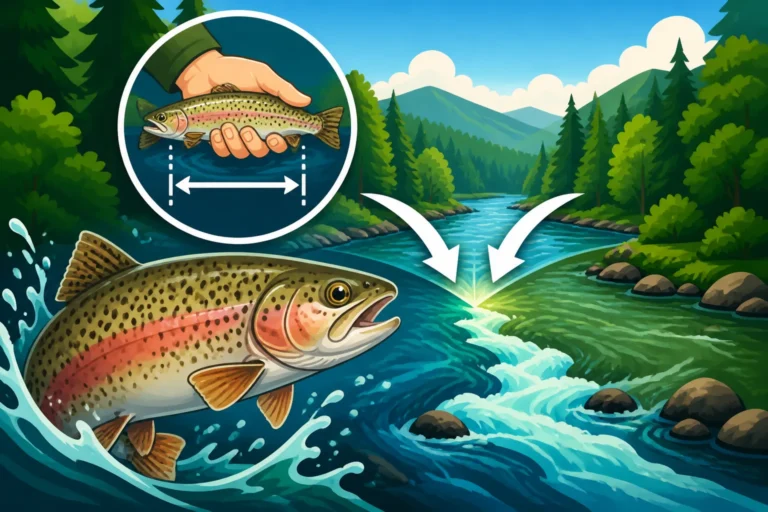
The first step to compliance is having a reliable measuring device. A good, rigid measuring board is always preferable to a flexible tape measure, especially in a rocking boat. Lay the fish flat on its side, with its mouth closed and against the bumper or end of the board. The measurement is taken from the tip of the jaw (or the longest part of the snout) to the tip of the tail, with the tail squeezed together to achieve the maximum length. It's common for anglers to use specific measuring boards from brands like Amazon, often sold under fishing gear categories, which ensure consistency and accuracy. If you're using a bump board, ensure the fish's mouth is completely closed and against the stop, not just hovering over it.
Always err on the side of caution. If it's borderline, it's better to release the fish. Keeping undersized fish can lead to citations, and more importantly, it undermines the very purpose of the length limits. Practicing quick, accurate measurements is part of becoming a seasoned angler. Keep a designated ruler or measuring device readily accessible on your boat or in your tackle bag, making the process smooth and quick for the fish’s health.
Understanding the Largemouth Bass
The 14-inch minimum primarily applies to largemouth bass. Largemouth bass are typically easy to identify by their distinguishing characteristics: a deep notch in their dorsal fin and a jaw that extends beyond the rear edge of the eye when closed. They also tend to have a distinct horizontal stripe or series of blotches along their sides. In some waters, distinguishing a largemouth from a spotted bass is essential, as spotted bass often have different or no specific length limits, depending on the lake.
Knowing your target species well is vital. The more you fish, the more familiar you'll become with the subtle differences that separate species. This knowledge not only helps you follow regulations but also enhances your overall fishing experience, allowing you to tailor your techniques to the specific habits of the fish you're targeting.
Distinguishing from Spotted Bass
This is where it can get tricky, especially in lakes like Lanier, which boast healthy populations of both largemouth and spotted bass. While spotted bass often share similar habitats and feed on similar prey, their physical characteristics and sometimes their regulations differ. Spotted bass typically have a smaller mouth, with the jaw not extending past the eye. They also have a rough patch of teeth on their tongue, which largemouth bass lack. Their dorsal fin often appears more connected, with a less pronounced notch than a largemouth's.
It’s crucial to know how to identify these two species, as the 14-inch minimum might not apply to spotted bass in the same way it does to largemouth. Learning how to tell them apart is key. You can refer to detailed guides like Largemouth Bass vs Spotted Bass to master these identification skills. Many anglers purchase laminated fish identification charts, readily available on Amazon or at local bait shops, to keep on their boat for quick reference.
Consequences of Violating Bass Size Limits
Nobody wants to have their fishing trip end with a citation, and more importantly, nobody wants to inadvertently harm our precious fisheries. Understanding the potential consequences of not adhering to Georgia's fish size and creel limits is important, not just for legal reasons, but for emphasizing our collective responsibility as stewards of the environment.
Penalties for Violations
Getting caught with an undersized bass, or too many bass, in a reservoir with a 14-inch minimum can lead to a range of penalties. These aren't minor infractions. You could be looking at significant fines, and in some cases, your fishing license could even be suspended. The exact penalties can vary depending on the specific violation, the number of fish involved, and the discretion of the wildlife law enforcement officer. It’s definitely not a slap on the wrist. Fines can quickly add up, easily costing you hundreds of dollars. Plus, there’s the inconvenience and stress of dealing with legal proceedings.
Beyond the immediate legal ramifications, there's the personal impact. Imagine having your prized fishing gear confiscated or being unable to fish for a period. It's a harsh reminder that these regulations are serious and exist for a good reason. For detailed information, looking at resources like Georgia fishing regulations can help you understand the severity of these offenses. It’s always cheaper and less stressful to simply follow the rules.
The Importance of Conservation
At its heart, conservation is about ensuring that natural resources are managed sustainably for current and future generations. Every time an angler adheres to a size limit, they are actively participating in the conservation of that fishery. Releasing an undersized bass allows it to grow, reproduce, and contribute to a healthier population. It directly impacts the quality of fishing for everyone. Think about it: if everyone ignored the 14-inch minimum, these reservoirs would quickly become depleted of mature bass, and the fantastic fishing experiences we currently enjoy would dwindle.
These regulations aren’t designed to make fishing harder; they’re designed to make it better in the long run. By respecting the size limits and practicing responsible angling, we ensure that Georgia's lakes remain teeming with healthy, trophy-worthy bass. This collective effort is what sustains our sport and protects the natural beauty of places like Walter F. George Reservoir. Consider investing in a good quality catch-and-release tool, like a specialized net or dehooker available on Amazon, to minimize harm to fish you intend to release.
Table of Georgia Reservoirs with a 14-inch Bass Minimum
To make things easy, here’s a quick reference table for the primary Georgia reservoirs that currently enforce a 14-inch minimum length limit for largemouth bass. Always remember that regulations can change, so a quick check of the latest Georgia DNR fishing guide is highly recommended before your trip.
| Reservoir Name | Location (General Area) | Species Affected | Minimum Length Limit | Notes |
|---|---|---|---|---|
| Lake Lanier | North Georgia (Gainesville) | Largemouth Bass | 14 inches | Important for balancing with Spotted Bass populations. |
| Lake Oconee | East Central Georgia | Largemouth Bass | 14 inches | Known for excellent bass and hybrid striped bass fishing. |
| West Point Lake | West Georgia (LaGrange) | Largemouth Bass | 14 inches | Border lake with Alabama, regulations apply to Georgia side. |
| Walter F. George Reservoir | Southwest Georgia (Eufaula) | Largemouth Bass | 14 inches | Often called Lake Eufaula, a premier bass fishery. |
| Lake Blackshear | Southwest Georgia (Cordele) | Largemouth Bass | 14 inches | Popular recreational lake with strong bass fishing. |
This table provides a handy overview, but remember to consult the full Georgia fishing regulations for any additional rules or exceptions that might apply to specific areas or times of year. For instance, some public fishing areas or small ponds might have even stricter rules, or sometimes different species might have unique length limits. It's truly a layered system, and staying informed is your best bet for a successful and legal fishing trip. Having a small, portable digital scale, often found on Amazon, can also help you quickly verify weights, though for size limits, the measuring board is king!
Disclaimer
Please remember that fishing regulations are subject to change. While we strive to provide the most current and accurate information, it is always your responsibility to consult the official Georgia Department of Natural Resources (DNR) publications for the latest and most comprehensive rules before engaging in any fishing activity. This guide is for informational purposes only and should not be considered a substitute for official legal advice or regulations.