Ocmulgee River Fishing Spots Near Macon
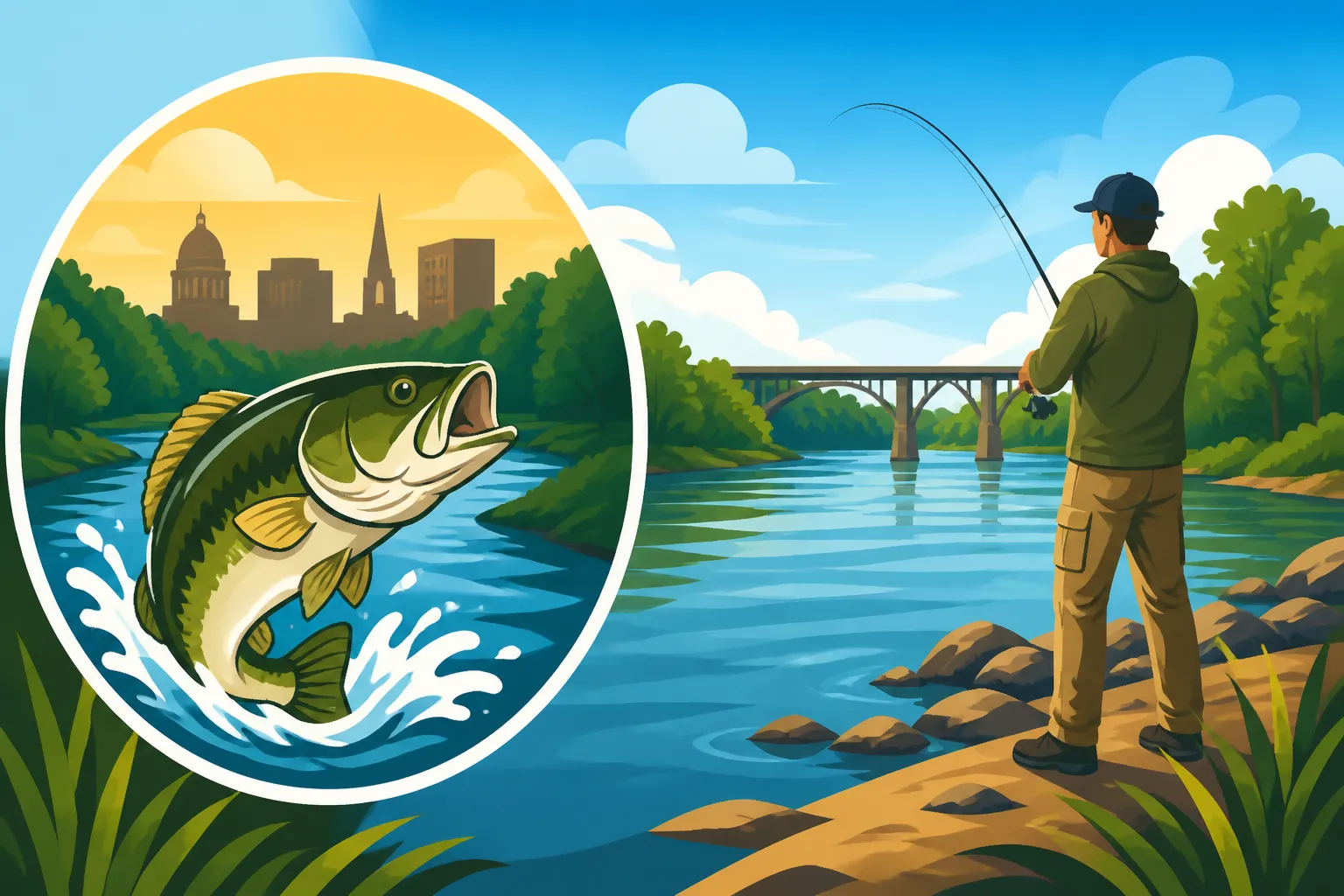
Finding productive fishing spots on a big, winding river like the Ocmulgee, especially when you're focusing on a specific urban area like Macon, can feel like searching for a needle in a haystack. Many anglers get frustrated trying to navigate public access points, understand local fish behavior, and figure out what techniques actually work. This comprehensive guide is here to cut through that confusion, giving you the insider scoop on where to cast your line and what you can expect to catch on the Ocmulgee River right around Macon.
Understanding the Ocmulgee River's Character Near Macon
The Ocmulgee River, as it flows through and around Macon, offers a unique blend of urban accessibility and wild river charm. It's not a pristine mountain stream, nor is it a massive, clear-water reservoir. Instead, it's a dynamic, tannin-stained waterway with varying depths, currents, and bottom structures that create excellent habitat for a diverse range of fish. Knowing the river's personality is key to unlocking its fishing potential.
River Flow and Habitat Diversity
The Ocmulgee's flow can change dramatically based on rainfall, which directly impacts water levels and clarity. After heavy rains, the river can become high and muddy, making fishing challenging. However, during periods of stable weather, the water often settles into a slower, more predictable rhythm, revealing its true character. Near Macon, you'll find a mix of habitats: deeper holes carved out by the current, slower eddies behind sandbars and fallen trees, rocky shoals, and stretches lined with dense bank vegetation. These varied environments are precisely why the Ocmulgee supports such a healthy fish population. Targeting these different structures is crucial for success, whether you're after a feisty bass or a hard-fighting catfish. Many anglers find that exploring different sections of the river, even just a few miles apart, can yield completely different results based on the prevailing conditions.
Prime Fish Species to Target
When you're fishing the Ocmulgee River near Macon, you're in for a treat, as it's home to a fantastic array of freshwater species. Black bass, primarily largemouth and spotted bass, are abundant, offering exciting topwater and sub-surface action. While the truly aggressive Shoal Bass tend to be found further upstream in rockier, faster-moving waters, you might still encounter some in certain shoaly areas around Macon. Catfish are another major draw, with Channel, Blue, and Flathead catfish thriving in the river's murky depths. Panfish, like Bluegill and Redbreast Sunfish, are plentiful and provide fantastic, consistent action, especially for beginners or those looking for a relaxing day on the water. Crappie can also be found, particularly in areas with submerged brush or timber. Understanding what each species prefers in terms of habitat and forage will significantly increase your chances of success.
Key Fishing Access Points and Hotspots Around Macon
Navigating a river for fishing means knowing where you can safely and legally get to the water. Around Macon, there are several excellent access points, ranging from parks with bank access to boat ramps suitable for launching kayaks, canoes, or small jon boats. Each spot offers a slightly different experience and targets different species.
Amerson River Park: A Family-Friendly Option
Amerson River Park is a jewel in Macon's crown, offering extensive bank access along the Ocmulgee River. While it's a popular spot for recreation like kayaking and tubing, it also provides great fishing opportunities. You can easily walk along the paved trails, finding numerous spots to cast from the bank. The river here features a mix of depths, with some slower-moving pools and faster runs. This park is particularly good for families and beginners, as the accessibility makes it less daunting than navigating more remote sections. You can target panfish like Bluegill and Redbreast Sunfish close to the banks with simple worms under a bobber. For bass, try casting crankbaits or soft plastics into eddies or around submerged cover. Remember to be mindful of other park users and always pack out what you pack in. You can also learn more about other Georgia State Park Fishing Spots for similar accessible experiences across the state.
Local Boat Ramps and Canoe/Kayak Launches
For anglers with a boat, kayak, or canoe, several public ramps provide access to the Ocmulgee. These launches allow you to explore more of the river, including those harder-to-reach honey holes that bank anglers might miss.
- Upstream Runs: Heading upstream from Macon, you'll encounter more rocky shoals and faster currents, which can be excellent for spotted bass and even some shoal bass. Look for current breaks, submerged rocks, and eddies where fish will ambush prey. This type of water demands a bit more skill in boat handling, but the rewards can be substantial.
- Downstream Channels and Oxbows: Downstream from Macon, the river tends to widen and slow, often featuring deeper channels, sandbars, and sometimes even old oxbow lakes or sloughs that connect during higher water. These areas are prime for larger catfish and big largemouth bass, especially in the cover of fallen trees and log jams. When planning a trip, consider using platforms like FishingBooker to connect with local guides who specialize in these types of river fishing. They can often provide insights into the most productive stretches and seasonal patterns.
Fishing Below the Lock and Dam
While the main Ocmulgee River near Macon doesn't have a major hydro-dam directly at Macon, there are historical or natural flow restrictions that can create excellent fishing. Look for any areas where the river narrows, drops, or speeds up, such as natural shoals or remnants of old structures. Fish, especially striped bass and larger catfish, tend to congregate below these features, taking advantage of the oxygenated water and concentrated baitfish. Always be aware of safety regulations and signage around any man-made structures on the river. These areas can be very productive but also carry strong currents. For serious anglers looking for a guided trip to maximize their chances, especially for larger species, checking out local charters on FishingBooker could be a great option.
Effective Techniques and Baits for Ocmulgee River Fishing
Fishing the Ocmulgee is a bit different from fishing a lake. The current, varied depths, and abundant cover require specific approaches. Adapting your techniques to the river's conditions and the target species is crucial for a successful outing.
Bottom Fishing for Catfish
Catfish are arguably the most reliable catch on the Ocmulgee River near Macon. They are plentiful, grow to impressive sizes, and are often active even when other species are slow. Catfish Bottom Fishing Basics involves using a simple slip-sinker rig with bait presented directly on the bottom.
- Bait Choices: The Ocmulgee's catfish aren't picky. Common baits include cut shad, chicken liver, nightcrawlers, and stink baits. For trophy Flathead catfish, live bream or small shad are often preferred.
- Prime Locations: Focus on deeper holes, outside bends where the current has carved out deeper pockets, and around log jams or submerged timber. Catfish love to hide in these structures, waiting for food to drift by. Fishing at dusk or into the night can significantly increase your success for larger cats. You can find more specific advice on the Best Catfish Fishing Spots in Georgia.
Targeting Bass with Lures and Soft Plastics
Both largemouth and spotted bass are prevalent in the Ocmulgee. While they share some similarities, their preferred habitats can differ slightly. Largemouth often prefer slower, weedier water and heavy cover, while spotted bass are more at home in current and around rocky structures.
- Spinnerbaits and Crankbaits: These are excellent choices for covering water and eliciting reaction strikes. Cast spinnerbaits around fallen trees, stumps, and over submerged vegetation. Medium-diving crankbaits are great for exploring varying depths along channel edges and around rocky areas.
- Soft Plastics: Texas-rigged worms, creature baits, and jigs are ideal for probing dense cover or fishing deeper holes. Rigging them weedless allows you to get into places other lures can't, where big bass often hide. Pitching or flipping these baits into heavy cover on the bank or around submerged logs can be incredibly effective. For specific guidance, check out the Best Bass Fishing Spots on the Ocmulgee River, Georgia. For a broader understanding of bass fishing, our guide on Largemouth Bass Fishing in Georgia: The Complete Species Guide offers detailed insights.
Panfish on Light Tackle
Don't overlook the panfish in the Ocmulgee! Bluegill and Redbreast Sunfish offer consistent, exciting action, especially for those using ultra-light tackle. They are also fantastic table fare.
- Simple Setups: A small hook (size 6-10), a split shot, and a bobber with a bit of worm, crickets, or even small artificial grubs are all you need.
- Where to Find Them: Panfish congregate in shallower, slower-moving water, especially around submerged brush, lily pads, or overhanging bank vegetation. They're often found in the same areas where you might find smaller bass. Teaching kids to fish for these readily available species is a fantastic way to introduce them to the sport. Learn more about Bream and Bluegill Fishing for Beginners to hone your skills.
Seasonal Considerations for Ocmulgee River Fishing
The Ocmulgee River, like all rivers, changes with the seasons. Understanding these patterns will help you predict fish behavior and choose the most productive times to go fishing near Macon.
Spring: A Time of Abundance
Spring is often considered the prime fishing season on the Ocmulgee. As water temperatures rise, fish become more active, moving out of their deeper wintering holes into shallower areas to feed and spawn.
- Bass Spawn: The largemouth bass spawn typically occurs from March to May, depending on water temperature. During this time, bass are aggressive and territorial, making them susceptible to a variety of lures, especially soft plastics and jigs pitched into shallow cover.
- Catfish Feast: Catfish also become very active in the spring, feeding heavily before their own spawning period later in the summer. They'll be found in a wider range of depths, actively searching for food. This is a great time to target them with cut bait in the slower moving sections of the river.
Summer: Early Mornings and Late Evenings
Summer fishing on the Ocmulgee can be hot, both in temperature and fishing action, if you time it right. The key is to fish during the cooler parts of the day.
- Dawn and Dusk: Early mornings and late evenings are prime times for bass, particularly with topwater lures, as they feed actively before the sun gets high.
- Night Fishing: For catfish, summer nights are often the most productive. The cooler water temperatures and reduced boat traffic make them more comfortable to move and feed. Focus on deep holes and channel edges.
- Current and Oxygen: During hot summer days, fish will often seek out areas with more current or deeper, cooler water where oxygen levels are higher. Look for these "refuge" spots.
Fall: Cooler Water, Active Fish
As temperatures begin to drop in the fall, the Ocmulgee comes alive again. Fish start to feed heavily in preparation for winter, making them very catchable.
- Feeding Frenzy: Bass, especially, will often go on a feeding frenzy, chasing baitfish in open water and around structure. Spinnerbaits, crankbaits, and even topwater lures can be highly effective.
- Catfish Remain Strong: Catfish continue to bite well throughout the fall, often following the same patterns as spring, concentrating in deeper holes as the water cools.
- Water Clarity: Fall often brings more stable water levels and clearer conditions compared to the turbulent spring, making it easier to read the water and locate fish.
Winter: A Slower Pace, But Still Rewarding
Winter on the Ocmulgee can be slow, but it's far from unfishable. Patience is key, and targeting specific areas where fish congregate for warmth is essential.
- Deep Holes: Fish, especially bass and catfish, will retreat to the deepest holes and slowest-moving sections of the river.
- Slow Presentations: Use slow-moving baits like jigs, spoons, or live bait fished close to the bottom. Don't expect aggressive bites; often, it's just a subtle "thump."
- Mild Winter Days: Take advantage of any mild winter days, especially when there's a prolonged period of stable, warmer weather. Fish will become more active during these brief windows.
| Species | Preferred Habitat (Near Macon) | Effective Baits/Lures | Best Seasons |
|---|---|---|---|
| Largemouth Bass | Slower eddies, log jams, submerged vegetation, bank cover | Spinnerbaits, crankbaits, Texas-rigged worms, jigs | Spring, Fall |
| Spotted Bass | Moderate current, rocky shoals, channel bends | Small crankbaits, grubs, swimbaits, jigs | Spring, Fall |
| Channel Catfish | Deeper holes, slow current, structure (logs, rocks) | Cut bait, chicken liver, nightcrawlers, stink baits | Year-round, especially Summer nights |
| Blue Catfish | Deep main channels, large log jams | Cut bait (shad, bream), large live baits | Year-round, especially Summer nights |
| Flathead Catfish | Deep, dark holes, heavy timber, strong current breaks | Live bait (bream, shad) | Summer, Fall |
| Bluegill/Sunfish | Shallow, slow water, brush piles, lily pads, bank cover | Worms, crickets, small artificial grubs, small spinners | Spring, Summer |
| Crappie | Submerged brush, standing timber, deeper pockets near cover | Small jigs (tube, grub), live minnows, tiny crankbaits | Spring, Fall |
Before heading out, always ensure you have the correct Georgia Fishing License Guide and are familiar with current regulations. You can also explore options for finding local guides or charter services that specialize in the Ocmulgee River through platforms like FishingBooker, ensuring you have the best possible experience on the water.
Disclaimer
Fishing conditions and regulations can change. Always consult the latest Georgia Department of Natural Resources (DNR) guidelines and local signage before you head out. Be mindful of private property, respect the environment, and practice safe boating and fishing habits.