Lake Blackshear Fishing Spots Near Cordele
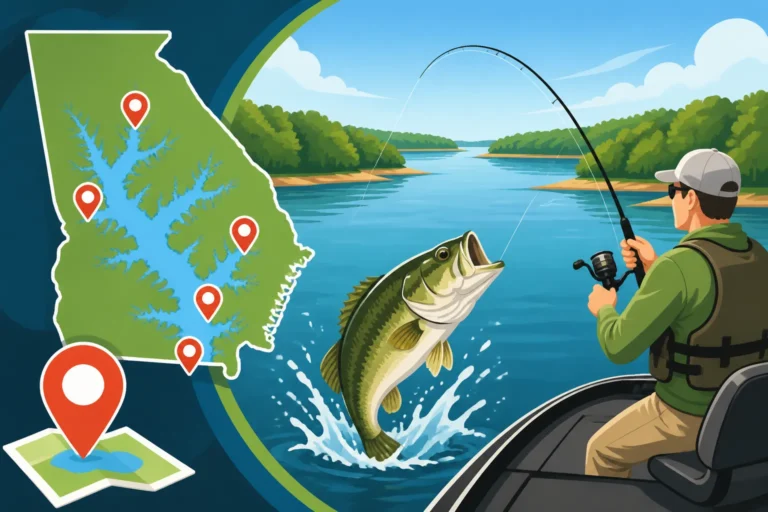
Oh, Lake Blackshear! If you're looking to cast a line near Cordele, you've landed in one of Georgia's true fishing gems, but it can be a bit of a mystery if you don't know where to start. Many folks pull up, see all that water, and wonder where the fish are hiding amongst the cypress trees and vast flats. This guide is all about cutting through that confusion, helping you pinpoint the most productive spots on Lake Blackshear, especially those easily accessible from Cordele, so you can spend less time guessing and more time reeling in that next big catch.
Understanding Lake Blackshear's Unique Character
Lake Blackshear isn't your typical deep, clear-water reservoir. It's a shallow, fertile impoundment of the Flint River, sprawling across Crisp, Dooly, and Lee counties in southwest Georgia. This unique ecosystem, fed primarily by the Flint, offers a different kind of challenge and reward compared to some of the state's larger, deeper lakes like Lanier or Oconee. If you're used to those big open waters, Blackshear's intimate, cover-rich environment will certainly keep you on your toes.
Shallow Waters and Submerged Cover
One of the most defining characteristics of Lake Blackshear is its relatively shallow average depth. While there are deeper channels, particularly along the original Flint River bed, much of the lake consists of vast shallow flats. This means submerged cover is absolutely crucial for fish. You're not just looking for drop-offs; you're looking for stump fields, fallen timber, cypress knees, and extensive hydrilla beds that can provide ambush points and shade. These areas are magnets for bass, crappie, and bream, but they also demand a keen eye for navigation and careful boat control. It's a place where knowing how to read the water for subtle changes in depth and cover really pays off.
The Power Plant's Influence
A significant feature that sets Lake Blackshear apart, especially during cooler months, is the Crisp County Power Commission's plant located on the lake's western side. This facility's warm water discharge creates a haven for fish when ambient water temperatures plummet. During the fall and winter, these warmer waters become an absolute hotspot, attracting everything from crappie and stripers to a surprising number of bass. Understanding the currents and temperature differentials around this area can be a game-changer for your winter fishing success. It's a consistent producer when other parts of the lake might be slow. The thermal output often creates an artificial spring, keeping fish active and feeding, even when snow might be falling just a few counties north.
Major Feeder Creeks and Channels
As a reservoir of the Flint River, the main river channel is a prominent feature running through Lake Blackshear. This channel offers deeper water, ledges, and structure that fish utilize for migration, feeding, and seeking refuge from changing conditions. Beyond the main channel, several significant creeks feed into the lake, including Gum Creek, Collins Branch, and Swift Creek. These creek arms are critical, especially during spawning seasons. They provide calmer, often shallower, areas with plenty of natural cover like reeds, grass, and cypress trees. Fish will push far up into these creeks during the spring, making them prime targets for anglers looking for active fish. Learning the ins and outs of these tributaries can give you a major advantage, as fish often stage at their mouths before moving further upstream.
Top Fishing Spots Near Cordele
When you're launching your boat or looking for bank access near Cordele, you'll find plenty of opportunities. The area around Cordele offers some of the most productive and varied fishing experiences on Lake Blackshear. Knowing where to focus your efforts can make all the difference, whether you're chasing bass, crappie, or catfish. If you're an out-of-state angler, make sure you understand the requirements for a fishing license. You can find more information on Fishing License Requirements for Out-of-State Anglers if you're visiting Georgia.
Veterans State Park Area and Cypress Trees
The shoreline and immediate waters surrounding Georgia Veterans State Park, located right by Cordele, are legendary on Lake Blackshear. This area is absolutely loaded with classic Blackshear cover: ancient cypress trees draped with Spanish moss, their gnarled knees creating countless hiding spots. The park also provides excellent amenities, including several boat ramps (check out Lake Blackshear Boat Ramps and Shore Access for details) and some fantastic bank fishing opportunities.
- Targeting Cypress Trees: For bass and crappie, pitching jigs, Texas-rigged worms, or spinnerbaits directly to the base of these cypress trees can be incredibly effective. The shade and structure they provide are irresistible to predatory fish. During the spring spawn, bass will often build beds right among the knees. For crappie, vertical jigging with minnows or small jigs around the deeper cypress trunks is a proven method. Early mornings or late evenings are particularly productive as fish move out from the thickest cover to feed more aggressively.
- Park Shoreline and Coves: The coves within and around the state park offer protected, often shallower, water that warms up quickly in spring, making them prime for pre-spawn and spawning activity. Look for areas with lily pads, submerged grass, or brush piles. These can hold not only bass and crappie but also plenty of bream, making them excellent spots for family fishing trips. Casting a worm under a bobber can lead to a stringer full of bluegill here. If you're new to the area and prefer a guided experience, you can even explore options on platforms like FishingBooker to find a local expert who knows these precise cypress tree honey holes.
Flint River Channel and Tributaries
The main Flint River channel, as it winds through Lake Blackshear, provides the deepest water and consistent current, making it a key highway for fish movement. Around Cordele, you'll find the channel relatively easy to locate with a good depth finder. The edges of this channel, especially where it meets shallow flats or creek mouths, are prime fishing grounds.
- Ledges and Drop-Offs: Bass and catfish will often patrol these ledges, waiting to ambush baitfish moving between deep and shallow water. Slow-rolling deep-diving crankbaits or dragging heavy jigs along these transitions can be very effective. During colder months, fish will stack up on these channel drops. For catfish, setting out cut bait or chicken liver on the bottom along the channel edges is a surefire way to hook into some impressive blues and channels. If you're looking for species-specific advice, our Catfish Species Guide: Channel, Blue, and Flathead Catfish has you covered.
- Creek Mouths and Confluences: Where smaller tributaries like Gum Creek or Collins Branch meet the main Flint River channel, you'll find areas of enhanced current and nutrient flow. These confluences are natural feeding grounds. Bass and crappie will stage here, particularly during migratory periods. Trolling jigs or crankbaits through these areas can be productive, or anchoring up and casting toward the points where the currents meet. These spots are particularly active during the spring and fall transitions.
Open Water and Hydrilla Beds
While Blackshear is known for its shallow, timber-filled areas, there are also significant expanses of open water that, especially seasonally, become incredibly productive, thanks largely to the presence of hydrilla. These dense underwater grass beds are crucial habitat.
- Hydrilla Fields: Lake Blackshear is famous for its hydrilla, which, when not too dense, provides outstanding cover and forage for all species. For bass, punching heavy jigs or Texas-rigged creature baits through thick mats of hydrilla can elicit explosive strikes. The edges of these grass lines are also fantastic for throwing spinnerbaits, chatterbaits, or topwater frogs. Crappie will often suspend over or near the edges of hydrilla beds, especially in slightly deeper water. If you're looking for slab crappie, our Best Crappie Fishing Spots on Lake Blackshear, Georgia offers more detailed insights into targeting these tasty panfish.
- Main Lake Humps and Points: Even in shallower lakes, subtle changes in bottom contour can create fish-holding structure. Look for underwater humps, points extending from the shore, or old roadbeds that might be surrounded by slightly deeper water or hydrilla. These structure points act like underwater magnets, drawing in baitfish and, consequently, the predators that feed on them. Fishing deep-diving crankbaits or Carolina rigs over and around these features can yield excellent results, especially when the sun is high, and fish are seeking deeper refuge. For a broader view of top bass locations, our guide on Best Largemouth Bass Lakes in Georgia provides more context.
Here's a quick reference table for some of the best spots near Cordele and what you might find there:
| Fishing Spot | Primary Species Targeted | Key Features | Best Seasons | Techniques to Try |
|---|---|---|---|---|
| Veterans State Park Cypress | Largemouth Bass, Crappie | Dense cypress trees, shallow flats, creek mouths, bank access | Spring, Fall | Pitching jigs, Texas rigs, vertical jigging, minnows |
| Flint River Channel Edges | Largemouth Bass, Catfish | Deeper ledges, current, transition zones | All Year | Deep crankbaits, heavy jigs, bottom fishing with cut bait |
| Gum Creek / Collins Branch Mouths | Largemouth Bass, Crappie | Confluences with river channel, submerged structure, spawning areas | Spring, Fall | Trolling, casting jigs, spinnerbaits, live bait |
| Power Plant Discharge | All Species | Warm water flow, artificial current, deeper pockets | Winter | Jigs, minnows, crankbaits, spoons |
| Hydrilla Beds (Open Water) | Largemouth Bass, Crappie | Dense grass mats, defined edges, open water humps | Summer, Fall | Punching rigs, frogs, spinnerbaits, deep crankbaits |
Seasonal Strategies for Lake Blackshear
Fishing Lake Blackshear effectively means understanding its seasonal rhythms. The lake changes dramatically from the cool, clear days of winter to the hot, steamy summer, and so do the fish behaviors. Adapting your approach to the time of year is paramount to consistent success. Our comprehensive A Year-Round Guide to Fishing in Georgia can offer even more general seasonal insights.
Springtime Action and Spawning Beds
Spring on Lake Blackshear is electric. As water temperatures climb into the 60s, fish shake off their winter lethargy and begin their annual migration to shallower waters for spawning. This is prime time for big bass and slab crappie.
- Bass Spawning: Largemouth bass will move into the countless shallow coves and protected pockets, especially those lined with cypress trees, submerged brush, or lily pads. They'll create beds and become highly aggressive. Pitching soft plastics like lizards or creature baits to visible beds is a classic technique. Don't overlook spinnerbaits or shallow-running crankbaits in the pre-spawn phase, as bass will be feeding heavily. Key areas include the coves around Veterans State Park and up the major creek arms like Gum Creek.
- Crappie on the Banks: Crappie also push shallow during the spring, often suspending near submerged timber, brush piles, and cypress trees in 3-8 feet of water. They'll readily take small jigs (1/16 to 1/8 ounce) tipped with minnows or artificial soft plastics. Spider rigging multiple rods with different depths and colors can help you find their preference quickly. Focus on areas with a mix of cover and a soft bottom for successful bedding.
Summer Heat and Deep Water Tactics
When the scorching Georgia summer arrives, Blackshear's shallow nature means water temperatures can get quite high. Fish will seek refuge in deeper, cooler water, or dense overhead cover.
- Seeking Shade and Depth: Bass will often retreat to the deepest available cover, which means the main Flint River channel ledges, deep hydrilla mats, or heavy cover like fallen trees in deeper pockets. Look for fish suspended in the shade of large cypress trees or under thick mats of vegetation. Punching rigs, Texas rigs, and Carolina rigs worked slowly along channel drops or through heavy hydrilla can be effective. Early morning and late evening topwater action can also be explosive as fish temporarily move shallow to feed.
- Crappie and Catfish: Crappie will often move to deeper brush piles or suspend over the main river channel, sometimes in 15-25 feet of water. Electronics become indispensable here to locate these offshore structures. Live minnows are usually the bait of choice. Catfish, particularly flatheads and blue cats, remain active throughout the summer, often lurking in the deeper holes and bends of the Flint River channel. Setting out trotlines or jug lines with fresh cut bait or live bream in these deeper sections can lead to impressive catches.
Fall Transition and Feeding Frenzies
Fall is a fantastic time to fish Blackshear. As water temperatures begin to cool, baitfish become more active, and all predatory species go on a feeding binge to bulk up for winter. This is a period of transition where fish move from summer haunts to shallower, more accessible feeding grounds.
- Shallow Feeding: Bass will often follow baitfish into shallower flats and creek mouths. Spinnerbaits, crankbaits, and topwater lures can be incredibly productive as bass chase schools of shad. Focus on points, hydrilla edges, and any cover near these shallow flats. The fishing can be fast and furious!
- Crappie Aggression: Crappie become very active, often moving back towards shallow brush piles and cypress trees, but also remaining accessible in slightly deeper channels. Trolling jigs or casting small crankbaits can cover water and locate active schools. As the fall progresses, they'll start to congregate in larger schools, making it easier to fill a cooler once you find them.
Winter's Warm Water Opportunities
Winter fishing on Lake Blackshear is dominated by the influence of the power plant. While much of the lake slows down, the warm water discharge areas remain active and can provide some of the best winter fishing in Georgia.
- Power Plant Attraction: The heated water around the Crisp County Power Commission plant (often accessed near Crisp County Park or across from Veterans State Park) is a magnet for fish. Bass, crappie, catfish, and even some striped bass will congregate here. Jigs, live minnows, and slow-moving crankbaits fished in and around the discharge canal are very productive. Look for fish suspended in the warmer pockets or hugging the bottom in deeper holes within the warmed zone.
- Slow Presentations Elsewhere: Away from the warm water discharge, fishing will be much slower. However, patient anglers can still find fish holding tight to deep cover on the main river channel or in very slow-moving creek channels. Finesse techniques, such as drop-shotting small worms or slow-crawling jigs, can coax bites from lethargic bass. Our guide on Winter Fishing at Lake Sinclair While Other Georgia Lakes Slow Down might offer comparable insights on adapting to cold weather, though Blackshear has its unique warm water advantage.
Essential Gear and Techniques for Success
Having the right gear and knowing how to use it effectively for Lake Blackshear's specific conditions will significantly boost your chances of success. This isn't just about having the fanciest rod; it's about matching your tools to the task at hand. If you need a license, you can learn How to Get a Fishing License in Georgia before heading out.
Choosing the Right Rods and Reels
Given the varied cover and species on Lake Blackshear, a versatile arsenal is key.
- For Bass:
- Heavy Cover: A stout baitcasting rod (7' to 7'6" medium-heavy to heavy power, fast action) paired with a high-speed baitcaster (7.1:1 or higher) spooled with 40-65 lb braided line is essential for punching through hydrilla, pulling fish from cypress knees, or flipping jigs. The strength of the braid helps cut through vegetation and withstand abrasion.
- Open Water/Ledges: A slightly lighter baitcasting setup (6'6" to 7' medium-heavy, fast action) with 12-17 lb fluorocarbon or monofilament is great for crankbaits, spinnerbaits, and Carolina rigs. The stretch in mono can be beneficial for treble hook baits, while fluorocarbon offers sensitivity and lower visibility.
- Finesse: A medium-light to medium power spinning rod (6'6" to 7') with a 2500-3000 size spinning reel spooled with 8-10 lb braided main line and a 6-8 lb fluorocarbon leader is perfect for drop-shotting, shaky heads, or weightless worms.
- For Crappie:
- Jigging/Trolling: Light to medium-light spinning rods (6' to 9' for single-pole jigging; multiple 10-16 ft rods for spider rigging) with small spinning reels (1000-2000 size) spooled with 4-6 lb monofilament or braid. The longer rods provide leverage and line control for delicate presentations.
- For Catfish:
- Bottom Fishing: Medium-heavy to heavy action spinning or baitcasting rods (7' to 9') with robust reels capable of holding 20-50 lb monofilament or braided line. You need backbone to handle large catfish and heavy weights. Our guide on Best Catfish Gear for Georgia Rivers and Lakes delves deeper into specific recommendations.
Baits and Lures for Blackshear's Fish
Matching your bait to the forage and the season is crucial. Lake Blackshear has abundant shad, bream, and other small baitfish, so lures that imitate these are often successful. For more general advice on what to throw, check out How to Choose the Right Bait and Lure for the Season.
- Largemouth Bass:
- Soft Plastics: Texas-rigged worms (Zoom Trick Worm, Berkley Power Worm), creature baits (Zoom Speed Craw), flukes (Zoom Super Fluke), and stick baits (Gary Yamamoto Senko) are staples. Colors like Junebug, Green Pumpkin, and Watermelon Red are consistent producers.
- Hard Baits: Deep-diving crankbaits (Norman Deep Little N, Strike King 6XD) for channel edges, shallow crankbaits (Rapala Shad Rap) for flats, spinnerbaits (War Eagle, Strike King) for hydrilla edges, and topwater frogs (Spro Bronzeye Frog) for thick mats.
- Jigs: Flipping and pitching jigs (Dirty Jigs, Strike King) in black and blue or green pumpkin.
- Crappie:
- Live Bait: Small live minnows, fished under a bobber or on a tight line, are arguably the most effective crappie bait on Blackshear.
- Jigs: Small artificial jigs (1/32 to 1/8 oz) in white, chartreuse, pink, or black and chartreuse. Brands like Bobby Garland or Strike King offer a wide selection of soft plastic bodies.
- Catfish:
- Natural Baits: Fresh cut bait (shad, bream), chicken liver, nightcrawlers, and stink baits are all highly effective for channel and blue catfish. For flatheads, live bream or shad are often preferred.
Navigating the Waters: Boat and Kayak Tips
Lake Blackshear is generally boat-friendly, but its shallow nature and abundant submerged cover require attention, especially for boaters with larger vessels.
- Boat Navigation: A good depth finder with GPS and mapping capabilities is highly recommended. Pay close attention to channel markers and be aware that shallow areas and stump fields can appear quickly, particularly off the main river channel. Trimming your motor up slightly when traversing unknown shallow flats can prevent lower unit damage. Always be cautious, especially if you venture out for some Night Fishing Spots Near Atlanta – though this refers to spots near the city, the safety principles apply.
- Kayak Fishing: Blackshear is fantastic for kayak and canoe anglers due to its extensive shallow coves and protected backwaters that larger boats can't access. Kayaks allow you to quietly sneak into prime bass and crappie hideouts. Ensure you have appropriate safety gear, like a PFD, paddle leash, and anchor, especially if there's any wind. Portable fish finders can be a great addition for kayak anglers on Blackshear, helping to locate those submerged brush piles. If you're new to kayaking for fishing, our Kayak Fishing Gear Guide for Beginners is a great resource.
- Boat Ramps: Georgia Veterans State Park and Crisp County Park both offer excellent public boat ramps that provide easy access to the prime fishing areas discussed. Always check local conditions and ramp access, especially during peak seasons.
Lake Blackshear truly offers a diverse and exciting fishing experience, particularly for those willing to learn its unique nuances. With these tips and a bit of patience, you'll be well on your way to enjoying some of the best fishing Georgia has to offer right around Cordele! Don't forget, if you're looking to explore even more, connecting with local guides through platforms like FishingBooker can provide invaluable firsthand knowledge and take the guesswork out of finding the hottest spots.
Disclaimer
Fishing regulations, license requirements, and local conditions can change. Always check the latest information from the Georgia Department of Natural Resources (GA DNR) before heading out on the water. Be safe, practice responsible angling, and respect the environment and other anglers.