How to Jug Fish for Catfish
There's nothing quite like the thrill of catfishing, but let's be honest, sitting on the bank for hours or drifting endlessly can sometimes feel more like a test of patience than a fun day out. If you've ever found yourself wishing for a more hands-off, yet incredibly effective, way to target those whiskered beauties in Georgia's abundant waters, then jug fishing might just be your new favorite technique. This guide will walk you through everything you need to know to get started with jug fishing for catfish, from understanding the rules to setting up your gear and maximizing your chances of a fantastic haul.
Understanding the Allure of Jug Fishing in Georgia
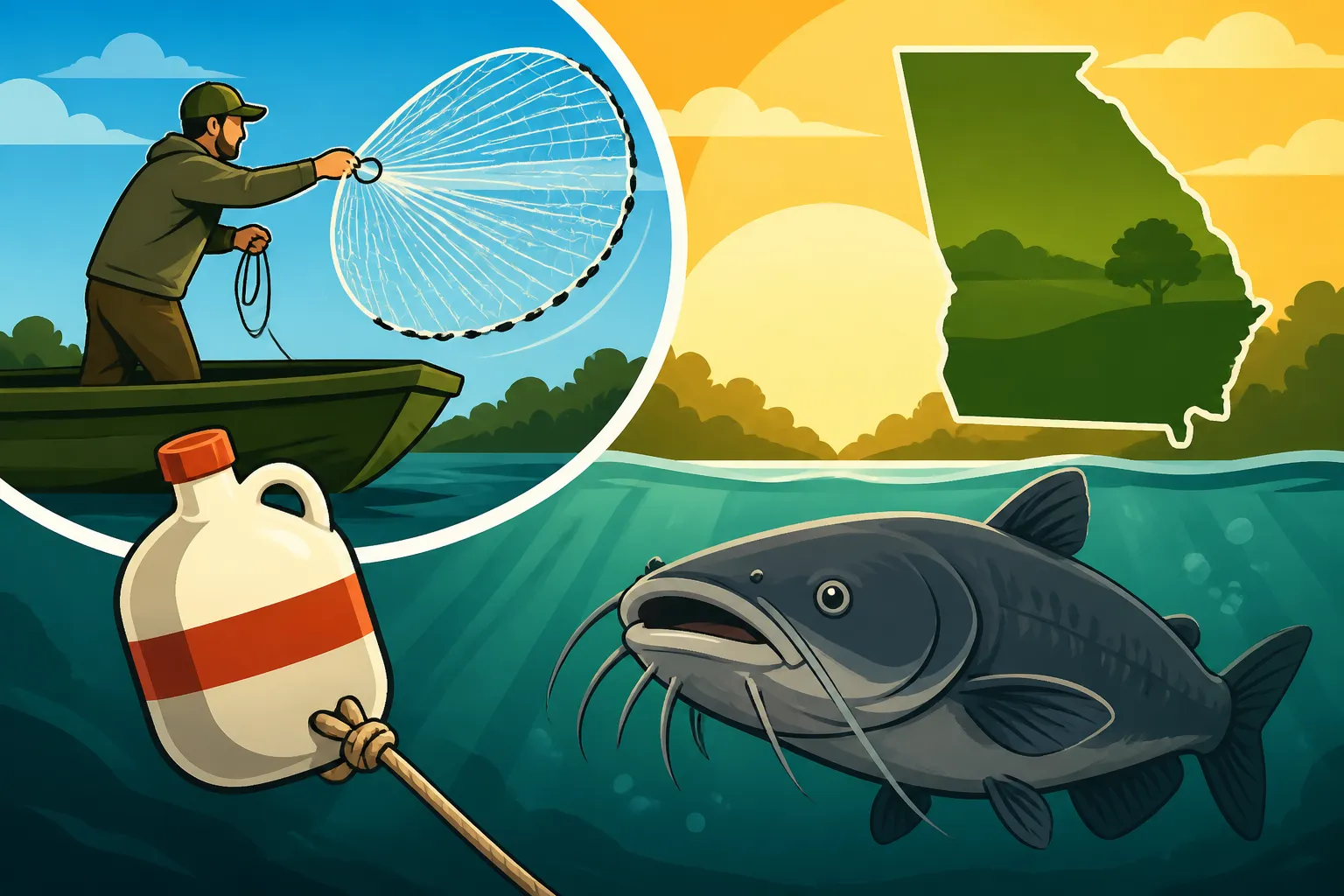
Jug fishing, at its heart, is a passive fishing method that utilizes free-floating lines attached to buoyant "jugs" to catch fish. It’s a technique steeped in tradition, particularly in the South, and offers a unique blend of efficiency and excitement for anglers chasing catfish across Georgia's diverse waterways.
Why Jug Fishing Stands Out
One of the biggest frustrations with traditional rod-and-reel catfishing can be the sheer amount of waiting involved, often in one spot. Jug fishing flips that script entirely. Imagine setting out multiple baited lines that drift with the current, essentially fishing a vast area for you while you relax, prepare lunch, or even attend to other tasks. This "set it and forget it" aspect, while still requiring diligent monitoring, is a huge draw. It allows you to cover far more water than a stationary bank angler or even a boater anchoring in a single spot. When a jug starts dancing or takes off across the water, the chase is on, providing an adrenaline rush that's hard to beat! This method is particularly effective for larger catfish species that roam open water or patrol deeper channels.
Beyond the expanded coverage, jug fishing can be incredibly productive. With multiple lines deployed, your chances of encountering actively feeding fish increase dramatically. This is especially true in large bodies of water like Lake Seminole or the expansive Chattahoochee River, where catfish populations thrive. It’s a fantastic way to target a good number of fish for a family fish fry, transforming a single outing into a memorable feast. Plus, it’s a relatively simple technique to learn, making it accessible even for those new to fishing, provided they understand the nuances of setup and regulations.
Legality and Regulations for Jug Fishing in Georgia
Before you even think about tossing your first jug into a Georgia lake or river, you absolutely must understand the state's fishing regulations. Ignoring these rules can lead to hefty fines and confiscation of your gear, turning a fun day into a costly headache. The Georgia Department of Natural Resources (DNR) has specific rules regarding jug fishing that are designed to manage fish populations and ensure fair chase. You can find a comprehensive breakdown of all the specific rules in the official Georgia Fishing Regulations Explained.
First and foremost, you typically need a valid Georgia fishing license. There are no two ways about it – adult residents and non-residents alike need one. If you're an out-of-state angler, you might be wondering about your options. You can explore your choices and costs in the guide to Nonresident Fishing License Prices in Georgia. Beyond the basic license, jug fishing is generally allowed in most public freshwater bodies in Georgia, but there are critical limits to consider. For instance, the number of jugs an individual can deploy is usually capped, often around 50 jugs per person. Each jug must be clearly marked with the angler's name and address or Georgia DNR customer number, ensuring accountability and easy identification. This isn't just a suggestion; it's a strict requirement.
Furthermore, there are rules about the materials and construction of the jugs themselves. While improvising with milk jugs or pool noodles is common, ensure they meet any size or material restrictions the DNR might have. You also need to be aware of areas where jug fishing might be prohibited, such as within certain distances of boat ramps, swimming areas, or private docks. Always double-check the latest regulations on the Georgia DNR website or current fishing guide, as rules can change. Understanding these nuances is key to a legal and enjoyable jug fishing experience, preventing any unpleasant encounters with wildlife rangers. Remember, the goal is to enjoy the sport responsibly and ethically. If you're ever caught without a proper license or adhering to regulations, you could face significant Penalties for Fishing Without a License in Georgia.
Essential Gear for Your Georgia Jug Fishing Adventure
Getting started with jug fishing doesn't require a huge investment in specialized equipment, which is one of its many appeals. Much of what you need can be repurposed from household items or found at your local sporting goods store or online retailer. The key is to assemble gear that is durable, effective, and compliant with Georgia's fishing regulations.
Crafting or Buying Your Jugs
The "jug" in jug fishing is simply a buoyant device that floats your baited line. While some anglers prefer the DIY approach, others opt for pre-made solutions. If you're a do-it-yourself enthusiast, common materials include sturdy plastic bottles (like two-liter soda bottles or bleach bottles, thoroughly cleaned, of course!), sections of PVC pipe capped on both ends, or even pool noodles cut into segments and weighted. The goal is to create a highly visible and buoyant float that can withstand the pull of a struggling catfish. For plastic bottles, you'll want to add a small amount of sand or gravel to the bottom to make them stand upright in the water, preventing them from tipping over easily. For PVC, you might need to insert a weight inside. Pool noodles are inherently buoyant and just need a way to attach your line, perhaps by drilling a hole through the center and running a line through it, securing it with a knot.
If crafting isn't your thing, or you prefer a more professional setup, pre-made jug fishing rigs are readily available. These often feature brightly colored foam or plastic floats that are specifically designed for the task. They usually come with integrated line storage and a durable attachment point for your fishing line. You can find a wide variety of these options on platforms like Amazon, where many fishing brands offer multi-packs of ready-to-rig jugs. When selecting your jugs, whether homemade or bought, always prioritize visibility. Bright colors like neon green, orange, or yellow are excellent, as they make it easy to spot your jugs, especially at dawn, dusk, or from a distance. Consider how many jugs you plan to deploy, keeping Georgia's legal limits in mind, and choose materials that will last through multiple fishing trips.
Rigging Your Jugs for Success
Once you have your jugs, the real fun of rigging begins. The basic setup is straightforward: a length of fishing line attached to the jug, with a hook at the other end. However, the details make all the difference. For line, many jug fishermen prefer a strong monofilament or braided line. Monofilament, with its stretch, can offer a bit of shock absorption when a big cat hits, while braided line provides superior strength and sensitivity. A good starting point is 50 to 80-pound test line, especially if you're targeting larger blue or flathead catfish. The line should be long enough to reach the bottom in the deepest water you plan to fish, plus an extra 10-20 feet to allow for drift and give the fish some play. You’ll want to wind this line neatly around your jug or store it on an integrated spool if your jug design allows.
Next comes your hook and weight system. Circle hooks are a non-negotiable choice for jug fishing. Why? They are incredibly effective at hooking fish in the corner of the mouth, minimizing gut-hooking and making catch-and-release much easier and safer for the fish, should you decide to let some go. Sizes range from 5/0 to 10/0, depending on the size of catfish you're after. Attach your hook to the main line using a strong knot like a Palomar or a snell knot. Above the hook, you'll need a swivel to prevent line twist, especially if you're using live bait. A heavy-duty barrel swivel or a three-way swivel works well. For weight, a simple egg sinker or a bell sinker, typically ranging from 1 to 3 ounces, will get your bait down to the desired depth. You can either use a sliding sinker rig or fix the weight a foot or so above the hook, depending on whether you want your bait to move freely or stay put. This basic rig, when done right, is incredibly robust and ready for action.
Choosing the Best Bait for Georgia Catfish
The right bait is absolutely crucial for jug fishing success in Georgia. Catfish are primarily scavengers and predators, and their preferences can vary slightly by species and even by the body of water. Understanding these preferences will significantly increase your catch rate. For a comprehensive look at what different catfish species prefer, check out our guide on Catfish Species Guide: Channel, Blue, and Flathead Catfish.
For Channel Catfish, which are plentiful in most Georgia lakes and rivers, stink baits are a classic choice. These can be commercially prepared dough baits or punch baits that have a strong, often pungent, odor designed to attract catfish from a distance. Cut bait, such as shad, bream, or even chicken livers, are also highly effective. The key is freshness and a strong scent trail. If you're looking for specific recommendations, our guide on the Best Bait for Channel Catfish has some fantastic tips.
Blue Catfish, often found in larger rivers and reservoirs like the Savannah River or Lake Lanier, are typically larger and prefer meatier offerings. Fresh cut bait is paramount here. Whole or large chunks of gizzard shad, threadfin shad, or even smaller live bream work exceptionally well. Blue cats are aggressive eaters, and a substantial bait often leads to a substantial fish. For more detailed insights, consult our article on the Best Bait for Blue Catfish.
Flathead Catfish are a different beast entirely. Unlike channels and blues, flatheads are predominantly piscivorous (fish-eating) predators and have a strong preference for live bait. Live bream, small carp, or robust shiners are excellent choices. Hooking these live baits through the back or lips ensures they stay active and attractive to a hungry flathead. Flatheads often lurk near submerged structure, so positioning your jugs accordingly with live bait can be very rewarding. For expert advice on targeting these giants, refer to our guide on the Best Bait for Flathead Catfish.
No matter the species you're targeting, always ensure your bait is fresh. Stale or frozen-and-thawed bait loses much of its appeal. Store your bait properly in a cooler on the boat to maintain its quality throughout your jug fishing trip. Having a variety of baits on hand is also a smart strategy, allowing you to experiment and see what the catfish are biting on that particular day.
| Catfish Species | Preferred Bait Type | Example Baits | Fishing Depth (General) | Notes |
|---|---|---|---|---|
| Channel Catfish | Scent-based / Cut Bait | Stink bait, chicken livers, cut shad, shrimp | Mid-water to bottom | Highly attracted to strong odors; often found in various habitats. |
| Blue Catfish | Fresh Cut Bait / Live Bait | Large cut shad, cut herring, live bream | Deeper channels, ledges, open water | Aggressive feeders, prefer larger, meatier offerings. |
| Flathead Catfish | Live Bait | Live bream, live shiners, small carp | Near submerged cover, log jams, rock piles | Primarily piscivorous; live bait is almost essential. |
Mastering the Art of Setting and Retrieving Your Jugs
Jug fishing isn't just about throwing a baited line into the water; there's a nuanced dance involved in strategic placement, diligent monitoring, and careful retrieval. Understanding these steps is what truly separates a random float from a productive fishing strategy.
Strategic Placement for Maximum Catches
Where you place your jugs can make or break your trip. Catfish, like all fish, follow predictable patterns based on their environment, food sources, and water conditions. In Georgia, this means looking for specific features in lakes, rivers, and reservoirs. When fishing rivers, current is your friend. Catfish often position themselves in eddies, behind obstructions, or along current breaks, waiting for food to be swept to them. Deploy your jugs upstream from these areas, allowing them to drift naturally into prime feeding zones. Key river fishing spots include the Flint River, the Altamaha River, and the Ocmulgee River, all known for excellent catfishing. You can find more detail on such waterways in our Best Rivers for Fishing in Georgia guide.
On larger lakes and reservoirs like Lake Sinclair, Lake Oconee, or West Point Lake, focus on structural elements. Catfish frequently congregate around creek channels, submerged timber, humps, ledges, and drop-offs. These areas provide cover, ambush points, and often hold baitfish. Consider the time of year and water temperature too. In warmer months, catfish might move deeper during the day and shallower at night. Conversely, in colder periods, they might hold in deeper, more stable water. If you're specifically interested in night fishing for catfish, remember that they are often more active after dark, making overnight jug sets incredibly productive. For tips on this, read our article on How to Catch Catfish at Night. Experiment with different depths and locations until you find a pattern. Spreading your jugs out allows you to test various zones, increasing your chances of finding where the fish are holding.
Monitoring and Retrieval Techniques
Once your jugs are deployed, the waiting game begins – but "waiting" doesn't mean ignoring them! You need to constantly monitor your jugs, either visually or, if you're using a boat, by periodically checking their positions. A jug that's stationary one moment and then suddenly speeding across the surface, pulling against the current, or violently bouncing, is a clear sign you've got a bite! The chase is part of the fun, and quickly getting to a "hot" jug increases your chances of landing the fish, preventing it from getting snagged or wrapping around submerged obstacles.
When you approach a jug that's on the move, do so slowly and quietly to avoid spooking the fish. Once you have the jug in hand, the real fight often begins. A strong catfish can put up a serious struggle, so be prepared. Use sturdy gloves to protect your hands from the line, and if the fish is large, don't try to horse it in. Let the fish tire itself out against the line, gently pulling it in when it's ready. Always have a net or a large gripper ready to secure the fish once it's alongside your boat. For particularly large fish, especially blue or flathead catfish, having a partner to assist with the netting can be invaluable. Always handle the fish carefully, especially if you plan to release it. Be mindful of the hooks, as circle hooks can still prick an unsuspecting hand.
The Waiting Game: Patience and Persistence
Jug fishing, while active in its monitoring and retrieval, also requires a good dose of patience. Unlike casting and reeling, where you're constantly engaged, jug fishing offers periods of calm punctuated by moments of frantic action. Embrace this unique pace. Use the downtime to enjoy the scenery, prepare another round of baits, or simply relax on the water. It’s a fantastic way to unwind while still actively participating in the fishing process.
Persistence is equally important. If one area isn't producing, don't be afraid to pull your jugs and redeploy them in a different location. Factors like changing currents, baitfish movements, or even shifting barometric pressure can influence where catfish are feeding. What works one day might not work the next. Pay attention to signs of baitfish, water temperature, and any cover you observe. Over time, you'll develop an intuition for the best spots and conditions in your favorite Georgia fishing holes. Remember, even on slow days, the simple act of being on the water and the anticipation of a runaway jug makes jug fishing a rewarding experience.
Species-Specific Tips for Georgia Catfish
While the general principles of jug fishing remain consistent, tailoring your approach to target specific catfish species in Georgia can dramatically improve your success. Each species has its unique habits, preferred habitats, and feeding behaviors that, when understood, can be exploited with thoughtful jug placement and bait selection.
Targeting Channel Catfish with Jugs
Channel catfish are arguably the most common and widespread catfish species in Georgia, found in virtually every lake, river, and even many ponds. They are opportunistic feeders with a keen sense of smell, which makes them prime targets for jug fishing. When targeting channel cats, focus on areas with moderate current in rivers, or shallower flats and creek arms in lakes. They often patrol these areas, especially where there's a food source or good cover.
For bait, lean heavily on scent. Stink baits, whether homemade concoctions or commercial preparations like Catfish Charlie or Sonny's Super Sticky Bait, are incredibly effective. Cut baits, particularly fresh cut shad, herring, or even chicken livers, are also top producers. Attach these baits to your circle hooks and ensure they're suspended anywhere from just off the bottom to mid-water, as channel cats will cruise at various depths depending on the forage. Deploy your jugs in groups, perhaps along a channel edge or drifting across a large flat, allowing them to cover a broader scent trail. Because they are so abundant, you might find yourself with multiple jugs running at once, leading to a busy and exciting day on the water! Our guide on the Best Catfish Fishing Spots in Georgia often highlights locations where channel cats thrive.
Strategies for Blue Catfish
Blue catfish are the giants of Georgia's catfish world, capable of reaching impressive sizes, especially in larger river systems like the Altamaha River or the Savannah River, and big reservoirs such as Lake Hartwell. Targeting these behemoths with jugs requires a different mindset: bigger bait, deeper water, and stronger gear. Blue cats prefer open water, deep channels, and current, making them ideal targets for jug fishing in major river bends, deep holes, or the main lake basins of large reservoirs.
For bait, abandon the small offerings. Blue cats are aggressive predators. Fresh cut bait from larger forage fish like gizzard shad, herring, or even carp cut into steaks, is your best bet. Live bait, such as a robust 6-8 inch bream, can also be irresistible to a trophy blue. Ensure your hooks are stout (7/0-10/0 circle hooks) and your line is heavy (80-pound test or more) to withstand the powerful runs of these fish. Deploy your jugs in deeper sections, allowing them to drift through main river channels, over submerged humps, or along sharp drop-offs. If you know of an area with significant current and depth, that's often a prime blue cat spot. The waiting periods might be longer than for channel cats, but the reward of battling a monster blue catfish makes every moment worthwhile.
Flathead Catfish and Live Bait Considerations
Flathead catfish are the stealthiest and most predatory of Georgia's catfish species. They have a distinct preference for live bait and often hold tight to heavy cover, making them a unique challenge for jug fishing. You'll typically find flatheads in rivers and large creeks, especially around log jams, submerged timber, rock piles, and undercut banks. These are their ambush points, and positioning your jugs close to such structure is key.
When jug fishing for flatheads, live bait is almost non-negotiable. Small live bream, shiners, or even small suckers are excellent choices. Hook your live bait through the back, just behind the dorsal fin, or through the lips, allowing it to swim naturally and attract attention. Your line should be strong, but perhaps a bit longer than for other species, allowing the live bait to swim freely and entice the flathead from its lair. The biggest challenge with flatheads and jugs is their affinity for cover. While you want your jug to drift near cover, you don't want it to get snagged. This requires careful observation of currents and topography. Sometimes, setting jugs just upstream of a major log jam and letting them slowly drift towards it, while constantly monitoring, can be highly effective. The fight with a flathead is legendary – they are powerful, stubborn, and will try to get back into their woody sanctuaries. Be ready for a serious tug-of-war once that jug starts to move! Equipping yourself with the right Best Catfish Gear for Georgia Rivers and Lakes will be paramount for these battles.
Disclaimer
The information provided in this guide is for general informational purposes only and is not intended as legal advice regarding Georgia's fishing regulations. Fishing laws and regulations are subject to change, and it is the angler's responsibility to consult the most current official regulations published by the Georgia Department of Natural Resources (DNR) before engaging in any fishing activities. Always ensure you have the appropriate licenses and permits, and adhere to all local, state, and federal laws. Fishing inherently involves risks, and safety precautions should always be observed.