Do Crappie Bite Better at Night?
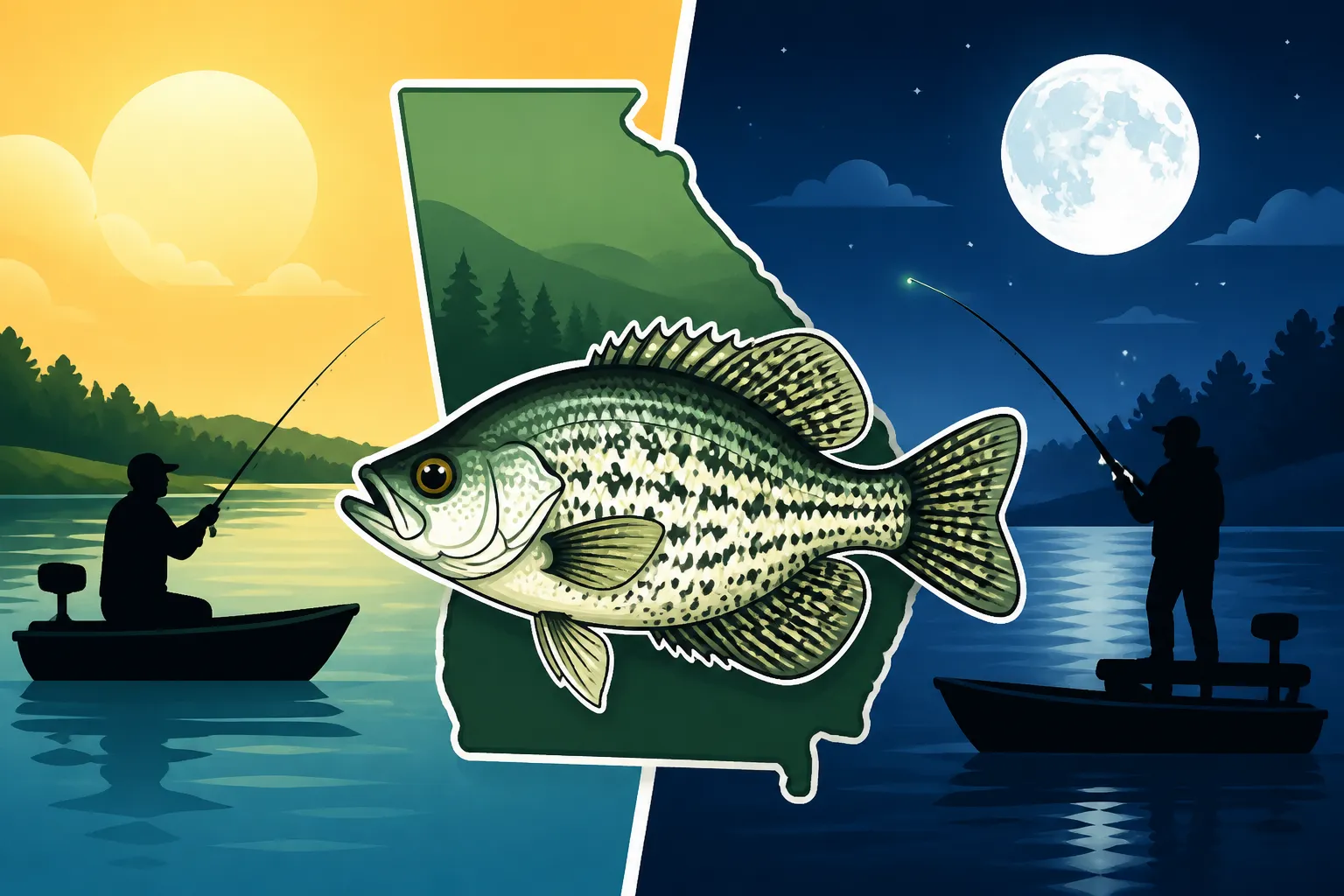
One of the most enduring questions among Georgia anglers, especially those chasing panfish, is whether the crappie bite truly turns on after the sun dips below the horizon. Many of us have spent countless hours during the day, struggling to fill a cooler, only to hear whispers of incredible catches made under the glow of fishing lights. This guide is here to unravel that mystery, diving deep into the fascinating world of nocturnal crappie fishing in Georgia, exploring everything from their nighttime habits to the gear and techniques that can make your twilight adventures incredibly rewarding.
Understanding Crappie Behavior After Dark
Crappie, whether black or white, are fascinating fish, and their behavior shifts significantly once daylight fades. It's not just a matter of "they bite better," but a complex interplay of environmental factors and their natural instincts that dictate their activity levels.
Why Crappie Go Nocturnal: The Predator-Prey Dynamic
For crappie, the cover of darkness often presents a double-edged sword: increased hunting opportunities but also increased vulnerability. During the day, larger predatory fish like bass and stripers are actively hunting, making crappie, particularly the smaller ones, more cautious and prone to hiding in thick cover or deeper water. As evening approaches and light levels drop, many of these larger predators become less active, creating a window of opportunity for crappie to move out of their daytime haunts.
This shift in the predator-prey dynamic means that crappie feel safer roaming more freely. They'll often push up into shallower water or suspend closer to the surface, especially if there's an artificial light source attracting baitfish. It's a calculated risk for them – better odds of finding a meal with slightly less danger. Think of it like a grocery store for crappie opening up after the big bullies have gone to bed.
The Impact of Light on Crappie Activity
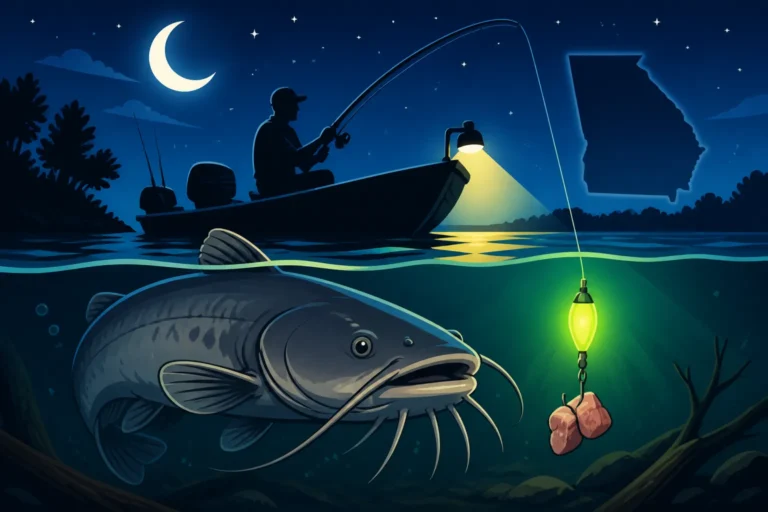
Artificial light is undeniably the biggest game-changer for night crappie fishing. Crappie themselves aren't necessarily attracted to the light directly, but rather to what the light brings: plankton and baitfish. Small organisms, often microscopic, are drawn to light sources, and smaller baitfish like shad and minnows feed on these organisms. Where the baitfish go, the crappie follow.
Setting up a good fishing light, whether it's a submersible green LED or an old-school gas lantern above the water, is like ringing the dinner bell for the entire food chain. You'll often see a cloud of plankton first, then tiny minnows flickering in and out of the glow, and finally, those tell-tale crappie arcs appearing on your fish finder just outside the brightest halo. Understanding this chain reaction is key to positioning your boat and presenting your baits effectively. Without light, crappie may still be active, but they’ll be more scattered and harder to pinpoint.
Seasonal Variations in Nighttime Crappie Bites
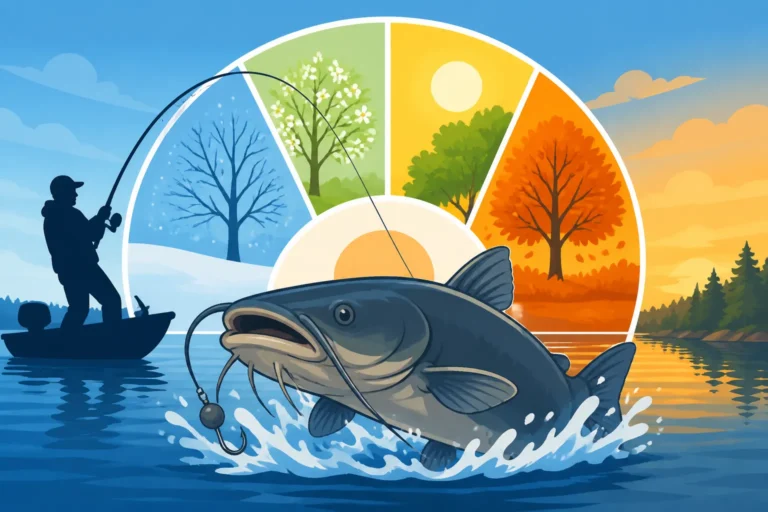
Just like daytime fishing, the best time of year to catch crappie in Georgia at night can vary. During the warmer months, particularly late spring and summer, night fishing for crappie truly shines. The surface water temperatures during the day can be scorching, driving crappie deep or into dense shade. At night, as temperatures cool even slightly, they become much more comfortable and active. This is when you'll often find them suspended over deeper channels or congregated around structure under lights.
However, in the cooler months, like late fall and winter, night fishing can be a bit more challenging. While crappie still feed, their metabolism slows down, and they might not be as eager to chase bait. You might find them in deeper, more stable water, and the bite can be much more subtle. Even then, an artificial light source can still attract enough bait to make it worthwhile, especially if you're fishing on lakes known to hold crappie in winter, like Lake Sinclair, which tends to fish warmer than other Georgia lakes in winter. The key is to be adaptable and observant of how water temperature affects fish behavior.
Essential Gear and Setup for Night Crappie Fishing
Getting ready for a night crappie trip isn't just about grabbing your usual rod and reel. There are specific tools and setups that can make a huge difference in your comfort, safety, and success once the sun is down.
Lighting Solutions for Your Boat and Baits
Let's be honest, trying to tie a knot or unhook a crappie in pitch black is a recipe for frustration (and maybe a few hooks in your finger!). Good lighting is paramount. For attracting fish, submersible lights, especially green LED options, have become incredibly popular. Brands like Hydro Glow or Green Blob Lights are well-regarded, but you can find plenty of good, affordable options on Amazon. These lights penetrate the water column, creating that crucial baitfish magnet we talked about. You'll want to deploy them off the side or back of your boat, away from your fishing lines, letting the light do its work for 20-30 minutes before you expect the crappie to really start showing up.
Beyond the underwater lights, you need practical illumination for your workspace. A good headlamp with a red-light option is invaluable. The red light preserves your night vision better than white light, which is a huge benefit when you're trying to spot subtle bites or navigate your boat. Also, consider some dim, ambient LED strip lighting around your boat's interior. This provides enough light to see without being overly bright and spooking fish or ruining your night vision. Remember, safety first – navigation lights are a must, and a powerful spotlight for scanning the water for hazards is always a good idea.
Rods, Reels, and Line for Low-Light Conditions
When it comes to your fishing setup, you don't necessarily need entirely different gear for night fishing, but certain characteristics become more important. Sensitive rods are key because crappie bites at night can be incredibly subtle, especially if they're just "thumping" the bait rather than aggressively striking. A light-action spinning rod, about 6 to 7 feet long, with a fast tip is ideal. Many anglers prefer a Bream and Bluegill Fishing for Beginners style rod for this precise reason – it's designed for detecting those feather-light bites.
For reels, a small spinning reel in the 500-1000 size range, spooled with 4-6 lb monofilament or fluorocarbon line, works perfectly. Monofilament offers a bit more stretch and forgiveness, which can be helpful with sudden strikes, while fluorocarbon offers excellent sensitivity and low visibility. Some anglers even use braided line with a fluorocarbon leader for maximum sensitivity, especially when they need to know How to Jig for Crappie in deep water. Whatever line you choose, having a reliable line cutter or sharp scissors easily accessible is a blessing when you're fumbling in the dark.
Terminal Tackle and Baits for Nighttime Success
Your terminal tackle selection for night crappie fishing often mirrors what works during the day, but with a few tweaks. Small jigs are still the kings. Think 1/32 oz to 1/8 oz jig heads, tipped with soft plastics like Bobby Garland's Baby Shad or Johnson Crappie Buster curl-tail grubs. When choosing plastics, consider brighter colors like chartreuse, white, or glow-in-the-dark options. While color visibility diminishes in deeper water and at night, these vibrant hues can still offer a silhouette against the light cone or simply stand out more. You can even find jigs pre-infused with glow pigments, which can be a real advantage.
Live bait, particularly small minnows, are also incredibly effective. Rigging a minnow for crappie, either on a small Aberdeen hook or a jig head, often proves irresistible to crappie gathered under the lights. A simple slip bobber rig, especially if you're targeting a specific depth, is also fantastic. The bobber should ideally have a light stick or glow stick insertion point so you can easily see those gentle dips and twitches that signal a bite. Many anglers also carry a variety of the Best Jig Colors for Crappie Fishing, experimenting until they find what the fish are keying in on that particular night.
Here’s a quick overview of essential gear for night crappie fishing:
| Gear Category | Recommended Item | Why it's Essential |
|---|---|---|
| Lighting | Submersible Green LED Light | Attracts plankton and baitfish, which draws in crappie. |
| Headlamp (with red light option) | Hands-free illumination for tying knots, unhooking fish; red light preserves night vision. | |
| Ambient Boat Lights (dim LEDs) | General visibility for safety and tasks without spooking fish. | |
| Rods & Reels | 6-7 ft Light Action Spinning Rod (fast tip) | High sensitivity for detecting subtle bites in the dark. |
| Small Spinning Reel (500-1000 size) | Handles light line and smaller fish comfortably. | |
| 4-6 lb Monofilament or Fluorocarbon Line | Good balance of stretch, sensitivity, and low visibility. | |
| Terminal Tackle | 1/32 – 1/8 oz Jig Heads | Standard for crappie, allows for controlled depth. |
| Soft Plastic Grubs (chartreuse, white, glow) | Mimics baitfish, brighter colors stand out. | |
| Live Minnows | Irresistible natural bait, often triggers hesitant bites. | |
| Slip Bobbers (with glow stick inserts) | Helps present bait at precise depths and makes bites visible. | |
| Safety/Comfort | PFDs (Personal Flotation Devices) | Non-negotiable safety for all occupants. |
| Bug Spray | Keeps pesky insects at bay, especially on still nights. | |
| Thermos with Hot Beverage | Keeps you warm on chilly nights. | |
| First-Aid Kit | Essential for minor cuts or hook mishaps. |
Techniques for Successful Night Crappie Angling in Georgia
Once you have your gear sorted, knowing how to use it effectively at night is the next crucial step. Night crappie fishing often requires a slightly different approach than your daytime pursuits.
Locating Crappie in the Dark
Finding crappie at night largely revolves around finding their food source. As mentioned, your underwater lights are your best friend here. Deploy your lights and give them time to work – sometimes 15-30 minutes, or even longer, is needed for the ecosystem to respond. Use your fish finder to observe the activity. You'll often see the tell-tale "Christmas tree" effect as plankton gather, followed by smaller baitfish, and then finally, the larger arcs of crappie just outside or directly within the main light cone. They might be suspended at various depths, so pay close attention to your electronics.
Common nighttime crappie haunts include brush piles, standing timber, bridge pilings, and creek channel edges. These structures offer cover and ambush points. If you're fishing a specific lake like Lake Sinclair, areas known for good daytime crappie fishing often hold fish at night too, especially if there's deep water nearby. Don't be afraid to move if you're not seeing activity after a reasonable amount of time. Sometimes just a short hop to another promising spot can make all the difference. Remember, the fish are still relating to structure, even if they're moving around more freely.
Vertical Jigging and Spider Rigging Under Lights
These two techniques are arguably the most effective for night crappie fishing under lights. Vertical jigging is straightforward: position your boat over a school of crappie or a promising piece of structure illuminated by your lights. Drop a small jig or a minnow-tipped jig straight down to the depth where you're seeing fish. The key is to impart subtle action – tiny twitches, lifts, and pauses. The fish are often suspended and might be less inclined to chase vigorously, so a slow, methodical presentation is usually best. Pay extreme attention to your line; often, a bite will feel like nothing more than a slight "tick" or a sudden slackening of your line. This is where your sensitive rod comes in handy.
Spider rigging, on the other hand, involves deploying multiple rods from rod holders around your boat, each presenting a bait at a different depth or distance from the boat. This allows you to cover a wider area and quickly identify the crappie's preferred depth. You might have rods running both jigs and minnows, giving the fish options. When spider rigging under lights, try to position your boat so that some baits are directly in the light, some are at the edges, and some are just outside the brightest zone. This helps you figure out where the crappie are most comfortable feeding. You can find excellent multi-rod holders on Amazon that make this setup much easier and more organized. Mastering these techniques can lead to impressive hauls when you're targeting crappie.
Adapting to Different Georgia Waterways at Night
Georgia offers a diverse range of crappie fishing opportunities, from the vast reservoirs like Lake Lanier and Clarks Hill Lake to smaller public fishing areas and slow-moving rivers. Your approach at night might need to adapt to these different environments. On large reservoirs, concentrating your efforts around main lake points, submerged humps, or deep creek channels that rise to shallower flats can be productive. The presence of standing timber or brush piles in these areas will further concentrate the fish.
In rivers, crappie might gravitate towards slower eddies, deep bends, or areas with fallen trees and log jams, especially if these spots are illuminated by your lights. The current can be a factor, so heavier jigs might be needed, or you might need to adjust your drift speed to keep your baits in the strike zone. If you're exploring new spots, local knowledge or even a quick chat at a tackle shop can offer invaluable insights into how crappie behave in specific waterways after dark. Remember, fish species like black and white crappie have slightly different preferences, so understanding which species is more prevalent in your chosen waterway can also inform your strategy.
Pros and Cons of Fishing for Crappie at Night
So, after all this, is night crappie fishing truly better? The answer, as with most things in angling, is "it depends!" There are definite advantages, but also some unique challenges that can make or break your trip.
Advantages of Nocturnal Crappie Fishing
One of the biggest advantages is definitely the peace and quiet. During the day, many of Georgia's popular fishing lakes can be bustling with pleasure boaters, jet skis, and other anglers. At night, especially on weekdays, you often have the water largely to yourself. This calm environment isn't just enjoyable for you; it also tends to make the fish more relaxed and less pressured.
Another huge plus is the consistent bite you can experience. Once the crappie and baitfish gather under your lights, they often stay put and feed for extended periods, providing a steady stream of action. Unlike the scattered bites you might get during the day, night fishing can lead to catching larger numbers of fish from a concentrated area. Plus, in the hotter months, the cooler night temperatures are far more comfortable for anglers, making a long session much more enjoyable. This is especially true when thinking about year-round guides to fishing in Georgia, where summer daytime heat can be oppressive.
Challenges and Safety Considerations
Night fishing, while rewarding, isn't without its hurdles. Visibility is the obvious one. Everything from navigating your boat to tying knots and even landing fish becomes more challenging in the dark. This amplifies the need for good lighting, both for attracting fish and for basic tasks. Safety is paramount. Make sure all your navigation lights are working, carry extra batteries for your headlamp, and always wear a PFD, even if you're a strong swimmer. Unexpected obstacles, floating debris, or even other unlit boats can become serious hazards.
Then there's the bug factor. Depending on the time of year and location, mosquitoes, gnats, and other flying insects can be relentless. Having good bug spray is essential, and some anglers even invest in portable screens or mosquito nets for their boat. Lastly, crappie bites at night can be extremely subtle, sometimes just a slight weight on the line or a tiny twitch. It takes focus and practice to learn to detect these nuances, which can be frustrating for beginners.
Is Night Crappie Fishing Always Better?
While night fishing for crappie offers unique advantages, it's not always a guaranteed improvement over daytime efforts. If you're fishing during the spring spawn, for instance, crappie are actively in shallow water and can be caught very effectively during the day. Similarly, during certain periods, like immediately after a cold front, fish might be lethargic regardless of the time of day, making any fishing tough.
However, for sheer numbers and consistent action, especially during the warmer months, night fishing can often outproduce daytime fishing by a significant margin. It's a different experience, one that requires specific preparation and techniques, but for many Georgia anglers, the tranquility, the cooler air, and the thrill of watching those crappie materialize out of the darkness make it a truly special and often more productive way to target this popular panfish. Ultimately, the best time of day to fish for crappie depends on many factors, and night fishing is just one incredible option in an angler's arsenal.
Disclaimer
Please note that fishing regulations, license requirements, and safety guidelines can change. Always consult the latest Georgia Department of Natural Resources (DNR) rules and regulations before heading out on the water. Be safe, respect the environment, and practice ethical angling.