How to Catch Bass on a Cloudy Day
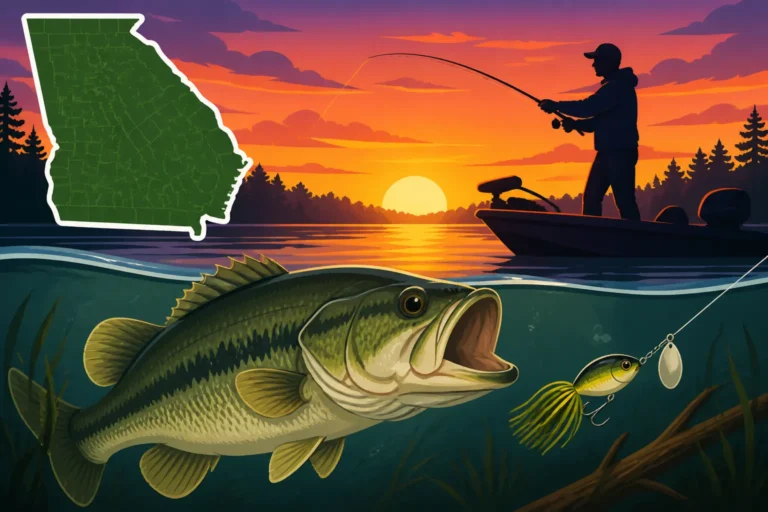
We've all been there: you wake up with that burning desire to hit the water, only to pull back the curtains and see a dull, gray sky. It’s easy to feel a little deflated, thinking a cloudy day might mean tough fishing. But trust me, as someone who’s spent countless hours chasing largemouths and spots across Georgia, overcast conditions can actually lead to some of the most phenomenal bass fishing if you know how to adjust. This comprehensive guide is going to walk you through exactly how to adapt your approach and reel in those lunkers when the sun decides to play hide-and-seek.
Understanding How Clouds Influence Bass Behavior
Before we even talk about lures and techniques, it's crucial to grasp why cloudy days change the game for bass. It’s not just about less sun; it’s a whole chain reaction that affects their comfort, feeding patterns, and where they decide to hang out.
The Impact on Light and Visibility
On a bright, sunny day, bass often retreat to deeper, shadier areas or bury themselves deep within thick cover. That direct sunlight can be harsh, affecting their eyes and making them feel exposed to predators. Think about it – would you want to sit out in the glaring sun all day without sunglasses? Neither do bass!
When the sky is blanketed with clouds, that intense, direct light is diffused and softened. This makes the entire water column, especially shallower areas, feel much more comfortable and safe for bass. They become more confident in moving out from heavy cover and cruising in areas they might avoid on a clear day. This increased comfort translates directly into increased activity and a willingness to chase down prey. The reduced light also plays a huge role in how they perceive your lures, often making them more likely to strike without as much scrutiny.
Temperature and Barometric Pressure Shifts
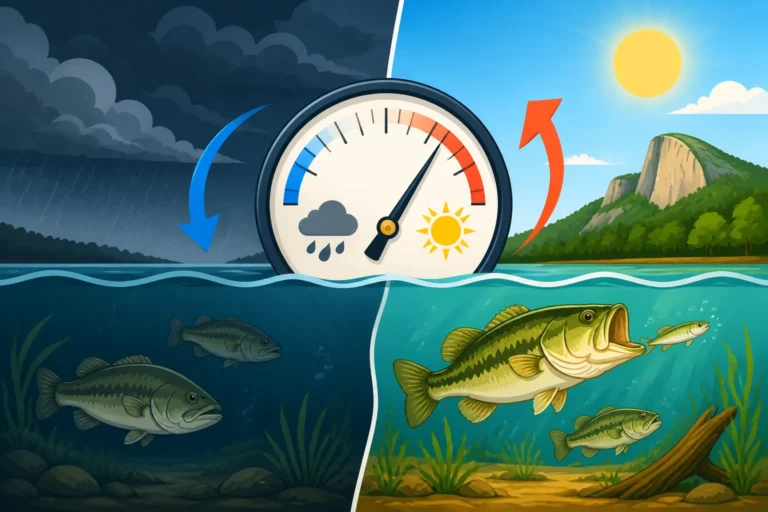
Cloud cover isn't just about light; it also impacts water temperature and, crucially, barometric pressure. While a single cloudy day might not drastically change the overall water temperature, prolonged overcast periods, especially after a cold front, can stabilize temperatures, preventing rapid fluctuations that can put fish off. Bass tend to prefer stable conditions.
More significantly, clouds are often associated with changes in barometric pressure. A dropping or stable low-pressure system, which frequently accompanies overcast skies, often signals increased feeding activity for bass. It's thought that fish sense these changes in their swim bladders and become more active as a result. Conversely, a sudden high-pressure system after a front (often bringing clear, sunny skies) can shut them down. Understanding these subtle cues can help you predict fish behavior even before you make your first cast. You might even find that learning about how water temperature changes affect fish behavior is useful here.
Top Strategies for Cloudy Day Bass Fishing
Now that we understand the "why," let's dive into the "how." Cloudy days offer unique opportunities, allowing you to employ tactics that might not be as effective on brighter days.
Targeting Shallow Water and Cover
One of the biggest advantages of a cloudy day is that bass will often move shallower. Without the need to seek deep shade, they become more comfortable lurking in the shallows, particularly around various types of cover that hold baitfish. This means those areas that seemed barren on a sunny afternoon can suddenly come alive.
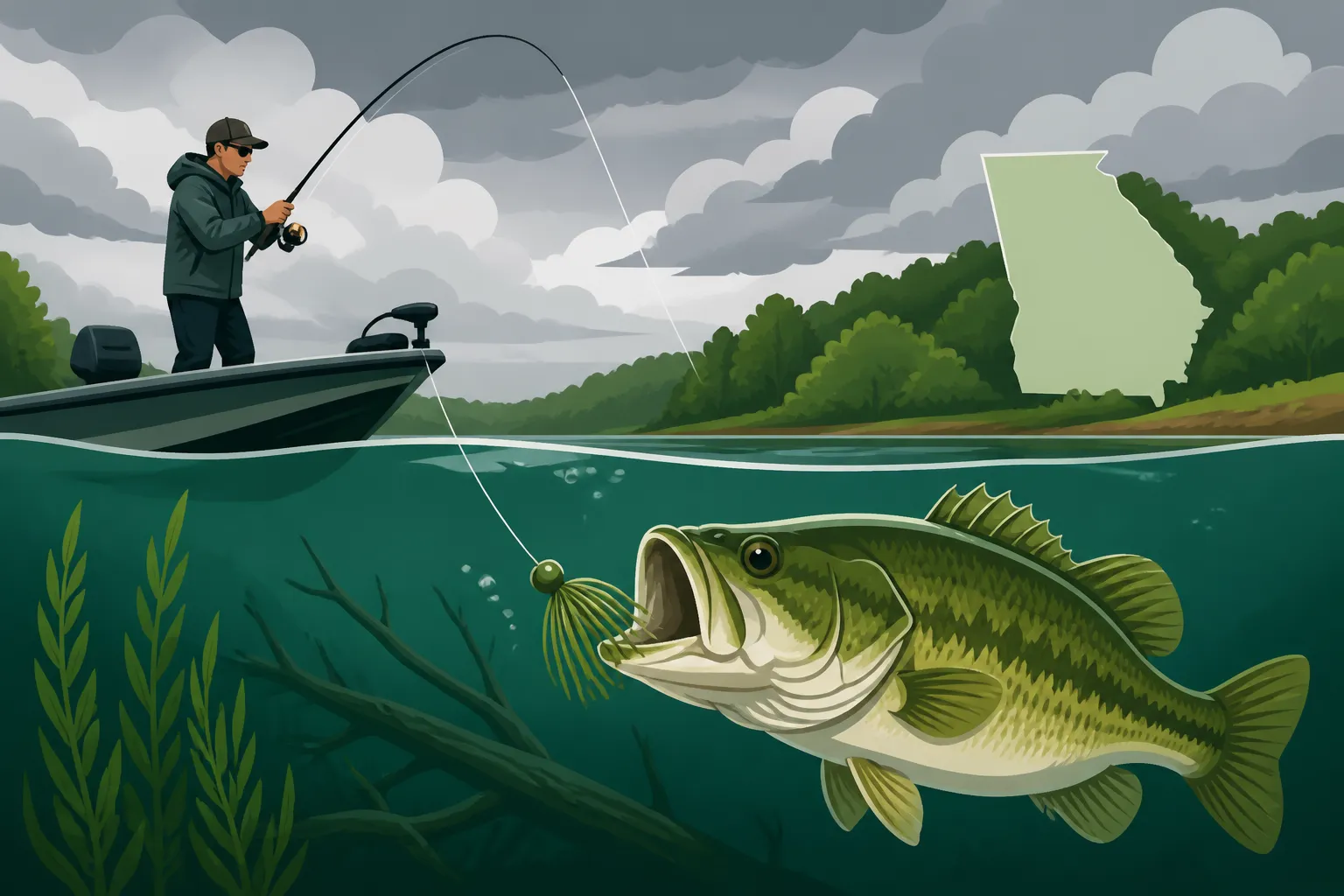
Think about lily pads, submerged timber, thick grass beds, and even docks that provide a little bit of overhead protection. These are prime targets. Bass will often position themselves right on the edge of this cover, ready to ambush anything that swims by. For these scenarios, fan-casting a spinnerbait or a chatterbait parallel to the cover can be incredibly effective. Consider a black and blue jig pitched right into the densest cover for those more hesitant fish. You'll be surprised how aggressive they can be when they feel secure under the cloud canopy. Don't forget that many of Georgia's Best Bass Fishing Lakes are full of such cover.
Aggressive Presentation and Reaction Bites
When bass are more confident and less spooky, they're often more willing to commit to an aggressive presentation. This is where "power fishing" really shines. Instead of slow, finesse retrieves, you can often elicit powerful reaction bites by moving your lures faster and with more erratic action.
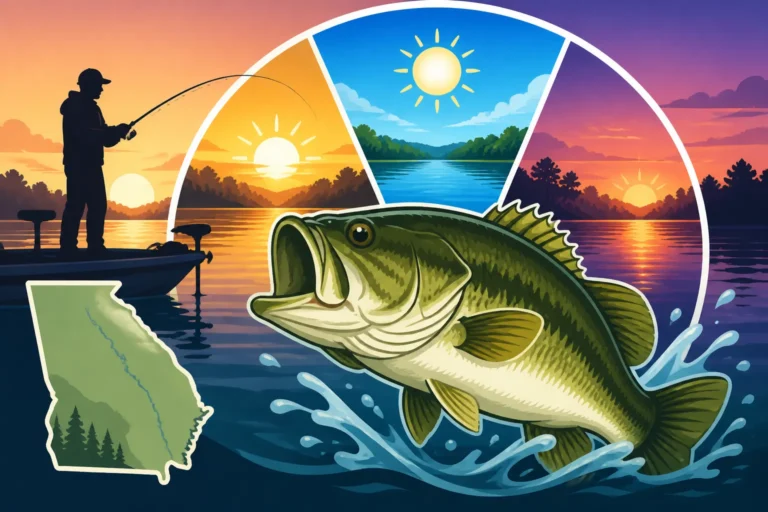
Crankbaits, especially those with a wide wobble or a lot of flash, can be deadly. Burn them past submerged stumps or along rip-rap banks. A fast-retrieved spinnerbait, with blades that thump and flash, can also trigger instinctual strikes. Think about vibrant chartreuse or white patterns for maximum visibility in the diffused light. Sometimes, the key is simply getting the lure in front of them quickly enough that they don't have time to think, they just react. This aggressive approach is often best suited for the mid-morning to late afternoon hours on a cloudy day, as the low light extends their active feeding period. Many anglers find that learning How to Fish a Spinnerbait for Bass effectively can greatly increase their catch rates in these conditions.
Color and Lure Choice for Low Light
Lure color is critically important on cloudy days, but perhaps not in the way you might initially think. While some anglers might gravitate towards bright, flashy colors, often the opposite is true. In diffused light, colors that create a strong silhouette or offer high contrast can be more effective.
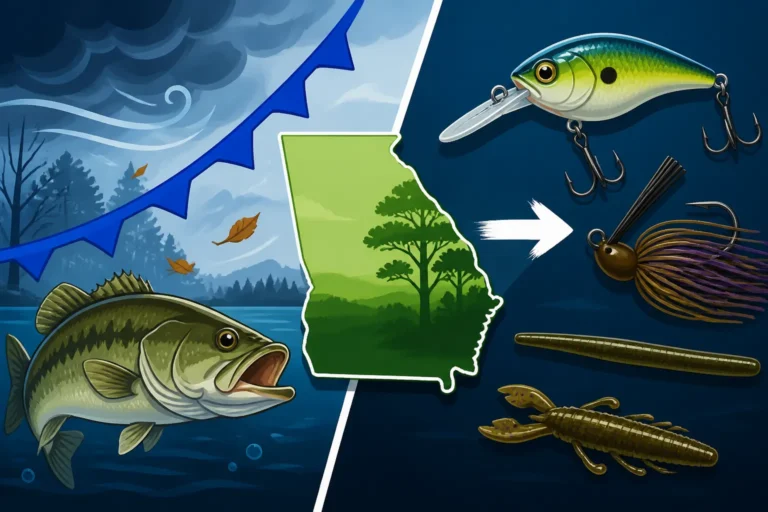
Darker colors like black, blue, or junebug often stand out better against the dim sky and water. A black and blue jig, for instance, creates a very distinct profile that bass can easily spot. Chartreuse, while bright, also provides excellent contrast in lower light. Think about what will create the most visible "target" for a bass that might not be relying on super clear vision. Don't shy away from lures with a lot of vibration or noise, either. Rattling crankbaits or bladed jigs can compensate for reduced visibility by giving off strong sonic cues that bass can home in on, even if they can't see the lure clearly from a distance. For those times you need that perfect lure to stand out, checking out selections on Amazon can often yield some great finds, like a good quality Best Crankbait for Largemouth Bass.
Essential Gear and Tackle for Overcast Conditions
Having the right tools for the job can make a world of difference. While you don't need a completely different tackle box, a few adjustments can significantly improve your success on cloudy days.
Rod, Reel, and Line Considerations
Your choice of rod, reel, and line should always match the technique you're employing, but cloudy days often lean towards power fishing. This means you'll typically want a medium-heavy to heavy action rod, capable of handling heavier lures and pulling big bass out of thick cover. A fast tip is still desirable for accuracy and sensitivity, but a strong backbone is key.
For reels, a baitcasting reel with a good gear ratio (around 6.4:1 to 7.1:1) is versatile for crankbaits, jigs, and spinnerbaits. The faster retrieve helps with covering water and creating those aggressive presentations. Line choice often comes down to fluorocarbon for its low visibility and sensitivity when fishing jigs and worms, or braided line for its incredible strength and no-stretch properties when you're punching through matted grass or fishing around heavy wood. For those just starting out, a good Best Rod and Reel Combo for Largemouth Bass in Georgia can be a great investment.
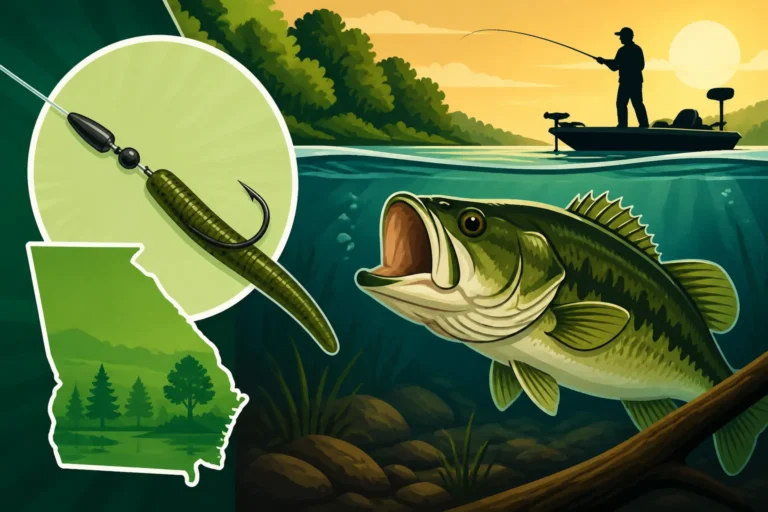
For example, if I'm throwing a big bladed jig into a weed line on Lake Seminole, I'm reaching for a 7'3" heavy action casting rod, paired with a high-speed reel spooled with 50-pound braided line. This setup gives me the power to rip the lure free from vegetation and the backbone to control a fighting bass. If I’m fishing a dark jig around docks, I might opt for a slightly shorter, sensitive medium-heavy rod with 15-pound fluorocarbon to feel those subtle bites. You can often find great deals on these setups, sometimes even on Amazon.
Practical Accessories for Cloudy Days
Even on a cloudy day, a good pair of polarized sunglasses is still your best friend. While the sun isn't glaring, glare from the water's surface can still obscure your vision and make it harder to spot structure or follow your lure. Polarized lenses cut through this glare, giving you a clearer view into the water.
Of course, clouds often come with the threat of rain, so having quality rain gear is non-negotiable. Nothing shuts down a fishing trip faster than being soaked to the bone. A good waterproof jacket and pants will keep you comfortable and focused, even if a Georgia thunderstorm rolls through. Finally, keep your tackle box organized. When the bite is on, you don't want to waste precious minutes fumbling for the right lure or bait. Having everything in its place allows for quick changes and keeps you in the game. You might be surprised how often learning about How to Fish for Bass in the Rain actually translates into success.
Adapting to Different Cloudy Day Scenarios in Georgia
Not all cloudy days are created equal. The type of cloud cover, whether it’s pre-frontal or post-frontal, can drastically change how bass behave and how you should approach your fishing.
Post-Frontal Clouds vs. Pre-Frontal Clouds
This is where reading the weather truly comes into play. Pre-frontal conditions, often characterized by increasing cloud cover and dropping barometric pressure, can be absolute dynamite for bass fishing. The fish sense the approaching weather change and often go on a feeding frenzy, trying to gorge before conditions potentially turn tough. During these times, aggressive power fishing with crankbaits, spinnerbaits, and topwater lures can yield incredible results. This is often the Best Time of Day to Fish for Bass, even if it's not strictly dawn or dusk.
Post-frontal clouds, on the other hand, typically follow the passage of a cold front. While the sky might still be overcast, the barometric pressure is usually rising and stabilizing after the initial drop. This can sometimes put bass in a more sluggish mood. They might still be shallow, but they’ll be less aggressive. This is when slowing down your presentation and switching to a more subtle approach can be key. Think slow-rolled spinnerbaits, jigs, or even finesse worms. You're still targeting those shallow, cover-rich areas, but with a less frantic retrieve. For example, knowing how to approach Seasonal Bass Fishing Patterns in Georgia will tell you that a post-frontal cloudy day in late fall will fish very differently than a pre-frontal cloudy day in spring.
Leveraging Local Georgia Knowledge
Georgia's diverse fisheries mean that a cloudy day strategy can vary slightly depending on where you are. On a vast reservoir like Lake Lanier or Lake Hartwell, cloudy conditions can draw bass out of deep water and onto main lake points, shallow humps, and secondary coves. This is where covering water with a crankbait or a bladed jig can be incredibly effective. Anglers who frequent Lake Oconee or Lake Sinclair might find that hybrid stripers and bass both become more active around submerged structure and brush piles on overcast days.
For river systems, like the Altamaha or Flint River, cloudy days can make bass more comfortable in current seams and around submerged logs and rock formations. A jig or a swimbait fished patiently in these areas can be rewarded. Regardless of the specific body of water, the core principles of targeting shallow, cover-rich areas with confident presentations still apply. Many of these lakes, like West Point Lake or Walter F. George Reservoir, fish exceptionally well under overcast conditions. Sometimes, even How to Fish a Texas Rig for Bass might be the secret ingredient in these areas.
Understanding the nuances of each specific lake or river, like knowing the Best Bass Fishing Coves on Lake Oconee or the productive stretches of the Chattahoochee River, will further refine your cloudy day strategy. Don't be afraid to experiment, and always pay attention to what the fish are telling you.
| Strategy Component | Sunny Day Approach | Cloudy Day Approach | Key Lure Examples |
|---|---|---|---|
| Bass Location | Deep, heavy shade, suspended | Shallower, roaming cover, less confined | Varied |
| Light Conditions | Intense, direct, high visibility | Diffused, softer, reduced visibility | Darker, vibrant |
| Presentation | Finesse, slow, subtle | Aggressive, fast, erratic | Crankbaits, Spinnerbaits, Jigs |
| Lure Color | Natural, transparent, subtle flash | Dark (black/blue), vibrant (chartreuse), strong silhouette | Dark Jigs, Chartreuse Spinnerbaits |
| Action/Sound | Minimal, lifelike | High vibration, loud rattles, strong thumping | Bladed Jigs, Rattling Crankbaits |
| Typical Bite | Soft, hesitant, often at pause | Aggressive, reaction strikes, committed | Harder thumps |
This table provides a quick reference for adjusting your tactics. Remember, these are general guidelines, and bass can always surprise you! Sometimes just getting out there early, similar to Why Fish Bite Better at Dawn, can make a cloudy day even better. And don't forget to stock up on reliable gear, often found with good reviews on Amazon, to ensure you're always prepared.
Disclaimer
Fishing conditions and regulations in Georgia can change. Always check the latest Georgia Department of Natural Resources (DNR) guidelines and local forecasts before heading out on the water. This information is for educational and entertainment purposes only and should not be considered legal or professional advice.