Is Lake Sinclair Warmer Than Other Georgia Lakes in Winter?
When those crisp autumn days give way to the biting cold of winter, many Georgia anglers reluctantly pack away their gear, convinced that active fishing is a distant dream until spring. It’s a common frustration, facing barren waters and lethargic fish. But what if there was a local hotspot that defied the usual winter freeze, offering a genuine chance to hook into some lively catches? We're diving deep into the question of whether Lake Sinclair really lives up to its reputation as a comparatively warmer lake during the colder months, and what that means for your winter fishing adventures.
Understanding Lake Sinclair's Unique Thermal Properties
It's easy to assume all lakes in Georgia behave similarly when winter rolls around, but Lake Sinclair truly stands apart, especially when it comes to water temperature. This isn't just angler folklore; there are concrete reasons why this central Georgia reservoir maintains a more hospitable environment for fish during the chilliest parts of the year.
The Role of the Plant Bowen Power Generation
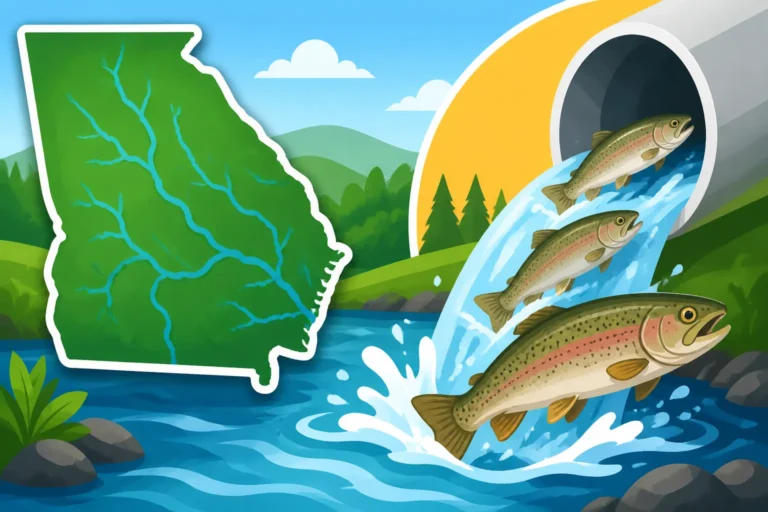
The primary reason Lake Sinclair often boasts warmer winter temperatures lies with the Plant Bowen power generation facility, located near Milledgeville. This massive coal-fired power plant, operated by Georgia Power, utilizes lake water for its cooling processes. As the water circulates through the plant to cool turbines and other equipment, it absorbs heat. This warmed water is then discharged back into the lake, primarily in the northern sections, creating distinct thermal plumes.
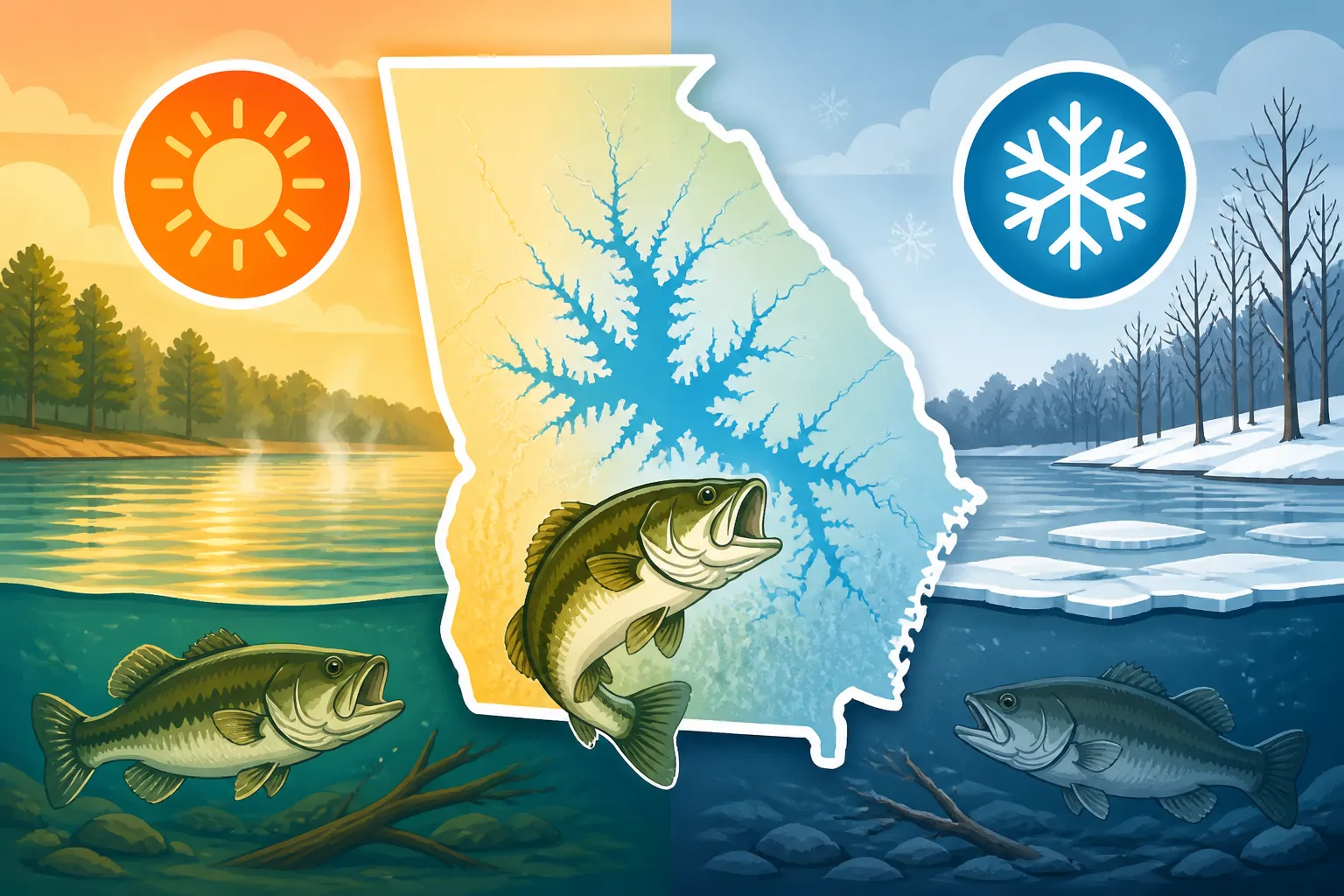
Think of it like this: while the rest of the lake's surface might be struggling to stay above 40-45 degrees Fahrenheit on a brutally cold January day, areas near the power plant's discharge can easily be several degrees warmer, often reaching into the low to mid-50s. This isn't a minor difference; for cold-blooded creatures like fish, a few degrees can mean the difference between being sluggish and actively feeding. This consistent influx of warmer water acts as a giant natural heater, especially around the discharge canals and the main lake basin near the plant.
Natural Factors Influencing Lake Temperature
Beyond the power plant, Lake Sinclair also has some natural characteristics that play a role, albeit a smaller one compared to the industrial influence. At 15,300 acres, it's a significant body of water, but it's not exceptionally deep in many areas compared to some of Georgia's northern reservoirs. Shallower lakes generally respond more quickly to atmospheric temperature changes, both warming and cooling faster. However, the power plant's discharge largely overrides this cooling effect in a substantial portion of the lake during winter.
The lake also experiences less dramatic riverine flow from cold mountain sources compared to lakes further north like Lanier or Allatoona, which receive significant input from streams that get very cold. While the Oconee River feeds Lake Sinclair, its waters have already traversed a good distance and are generally not as frigid as those pouring into northern impoundments from high elevations. The combination of the thermal discharge and its geographical location helps mitigate the harshness of winter's chill.
How Water Temperature Impacts Winter Fishing on Lake Sinclair
Understanding why Lake Sinclair is warmer is one thing, but knowing what that means for your fishing is where the rubber meets the road. For anglers, these elevated water temperatures can transform a typically challenging season into a prime opportunity, especially when other lakes are dormant.
Active Fish Versus Dormant Fish
In most Georgia lakes during winter, as water temperatures plummet, fish metabolism slows down dramatically. They become lethargic, suspending in deeper water, feeding infrequently, and often requiring precise, slow presentations to even elicit a strike. It's a tough grind, and many anglers simply give up until spring.
However, on Lake Sinclair, the localized warmth from the power plant discharge keeps fish far more active. Their metabolism doesn't slow down to the same extent, meaning they still need to feed regularly to maintain energy. This isn't to say winter fishing on Sinclair is like summer fishing; fish will still be slower than in warmer seasons. But they won't be in the near-dormant state you'd find in a truly cold lake. This increased activity translates directly into better biting opportunities and a more enjoyable fishing experience overall.
Target Species That Benefit
Several popular Georgia fish species particularly thrive in Lake Sinclair's warmer winter waters, making it a go-to destination for many cold-weather enthusiasts.
- Largemouth Bass: While the traditional "deep water" winter bass patterns still hold true in some parts of the lake, the warmer zones near the power plant can see bass holding in shallower, more accessible depths and actively chasing baitfish. You might find them relating to docks or even brush piles in areas that would be devoid of active bass on other lakes. The fish aren't necessarily "spawning" but are certainly more active and willing to strike. If you're looking for Spring Bass Fishing Patterns on Georgia's Reservoirs, Sinclair's winter activity can feel like an early preview.
- Crappie: Black and white crappie are often the stars of winter fishing on Lake Sinclair. They absolutely love the warmer water and will congregate in huge schools around structure in the heated areas. Docks, brush piles, bridge pilings, and even submerged timber near the power plant discharge become crappie magnets. Anglers can often find them suspended at predictable depths, making for some fantastic winter hauls. Many techniques for How to Jig for Crappie become highly effective here, even in January.
- Hybrid Striped Bass and Striped Bass: While Lake Sinclair is not as renowned for stripers as, say, Lake Lanier, it does hold a good population of hybrid striped bass. These hard-fighting fish are robust and can be found feeding in the warmer water, often chasing schools of baitfish. Their activity levels remain elevated, providing thrilling battles when hooked. You'll often find them cruising the main lake channel or congregating in deeper holes, particularly where current is present.
- Catfish: Channel catfish and blue catfish also benefit from the warmer water. They remain active scavengers throughout the winter, and the warmer currents near the power plant can concentrate baitfish, which in turn attracts the catfish. Bottom fishing with cut bait or stink baits in these areas can yield excellent results, even when other waters are too cold for consistent catfish action. How to Bottom Fish for Catfish remains a reliable technique.
Comparing Lake Sinclair to Other Major Georgia Lakes in Winter
To truly appreciate Lake Sinclair's unique winter warmth, it's helpful to compare it directly to other prominent fishing destinations across the state. The difference is often stark, highlighting why Sinclair draws dedicated anglers even in the dead of winter.
Lake Lanier and Lake Allatoona: The Colder Counterparts
Head north of Atlanta, and you'll encounter some of Georgia's most famous, and famously cold, winter lakes: Lake Lanier and Lake Allatoona. These deep, mountain-fed reservoirs experience significant temperature drops as winter sets in.
- Lake Lanier: With its immense depth (up to 160 feet) and cold mountain river inflows from the Chattahoochee, Chestatee, and other tributaries, Lake Lanier's water temperatures can plummet into the low 40s or even upper 30s in its northern reaches during peak winter. Bass on Lanier go deep, suspending over timber or holding tight to rocky points. Striped bass also go deep, often requiring specialized Deep Water Techniques for Striped Bass to find them. The overall fish activity slows considerably, demanding very slow, deliberate presentations.
- Lake Allatoona: Similar to Lanier, Allatoona is a deep, clear reservoir that gets very cold in winter. While it might not reach the absolute frigid temperatures of the highest northern sections of Lanier, its general fish activity levels are far lower than what you'd find on Sinclair. Anglers targeting bass or crappie here often focus on deep brush piles or channel swings, meticulously working their lures.
In contrast to these northern lakes, Lake Sinclair's average winter surface temperatures will consistently run 5-10 degrees Fahrenheit warmer, sometimes even more in the immediate vicinity of the power plant's discharge. This temperature differential makes a world of difference to fish behavior and angler success.
Southern Georgia Reservoirs: A Different Kind of Warmth
Moving further south in Georgia, lakes like Walter F. George Reservoir (Lake Eufaula) on the Alabama border or Lake Seminole also experience milder winters than northern Georgia. These lakes are naturally warmer due to their lower latitude and often shallower average depths. However, they don't have the constant, localized thermal input that Lake Sinclair receives.
While fish on these southern lakes certainly remain more active than on Lanier, the peak warmth and consistent warm water refuges found around Plant Bowen on Lake Sinclair are still unique. For instance, Winter Fishing at Lake Sinclair While Other Georgia Lakes Slow Down truly encapsulates this advantage. Anglers visiting Lake Sinclair often find that even if a widespread cold front hits the entire state, the power plant discharge offers a more stable and reliable warm water sanctuary for fish than purely natural warming trends.
Practical Tips for Winter Fishing on Lake Sinclair
Since Lake Sinclair offers such a unique winter fishing experience, it's worth adjusting your strategy to maximize your chances. Don't approach it like you would a frozen-over northern lake; embrace the relative warmth!
Best Fishing Techniques for Warmer Waters
Even with warmer water, winter fish aren't going to be attacking topwater lures like they would in July. However, their increased activity allows for a wider range of effective techniques compared to truly cold water.
- Slow-Rolling Spinnerbaits and Crankbaits: In the warmer areas, bass and crappie might be willing to chase reaction baits. A slow-rolled spinnerbait or a medium-diving crankbait in natural colors can be incredibly effective, especially on sunny days. Look for bass relating to rocky banks or submerged cover near the warmer outflows.
- Jigging and Vertical Presentations: For crappie and suspended bass, vertical jigging is a killer technique. Small jigs tipped with minnows or soft plastics, fished directly below the boat around brush piles, docks, and bridge pilings in the warmer sections, will often produce. Consider using electronics like a fish finder to pinpoint schools of crappie or baitfish. Learn How to Jig for Crappie in Deep Water to make the most of this.
- Live Bait: You can never go wrong with live bait, especially for the more active winter fish on Sinclair. Minnows for crappie and shiners for bass are always a solid choice. Rig them on light tackle with a small bobber or free-lined to allow for natural movement. For catfish, robust baits like chicken livers, cut shad, or commercially prepared "stink baits" fished on the bottom in channels and deeper holes near warm water will be productive.
- Finding the "Sweet Spots": The key is to locate the warmer water. This typically means fishing closer to the power plant's discharge canals and the immediate surrounding areas. Pay attention to how the wind might push these warm water plumes around the lake. Sometimes, even a slight current or temperature change can concentrate fish in a very small area.
Essential Gear for Winter Angling
While Lake Sinclair might be warmer than its northern counterparts, it's still winter fishing in Georgia! You need to be prepared for cold air temperatures, especially on the water. Layering is your best friend.
- Layered Clothing: Start with a moisture-wicking base layer, add insulating layers (fleece, down), and top it off with a waterproof and windproof outer shell. Brands like Simms or Columbia, available on Amazon, offer excellent options for performance outerwear that can keep you comfortable all day. Don't forget a warm hat, gloves, and neck gaiter.
- Warm Footwear: Waterproof, insulated boots are non-negotiable. Cold, wet feet will quickly ruin your day.
- Fishing Rods and Reels: For crappie, light to medium-light spinning rods (5'6" to 7' long) with fast actions are ideal for jigging. For bass, medium-heavy casting or spinning rods with sensitive tips are versatile for various lures. Ensure your reels are spooled with fresh line; fluorocarbon or monofilament in lighter pounds (6-10 lb for crappie, 10-17 lb for bass) is often preferred for its subtle presentation in clearer winter waters. Check out recommendations for Best Rod for Crappie Fishing on Lake Sinclair to optimize your setup.
- Electronics: A good fish finder with down imaging and side imaging can be invaluable for locating those deep brush piles and suspended schools of crappie and bass in the warmer water. GPS mapping is also crucial for navigating and marking productive spots.
- Safety Gear: Always have appropriate safety gear on board, including Coast Guard-approved life jackets (even if not required for adults, it's smart in cold weather), a first-aid kit, and a fully charged cell phone. If you're using a boat, make sure it's in good working order for winter conditions.
To summarize the temperature differences, here's a quick comparison of average winter water temperatures for some key Georgia lakes:
| Lake Name | Typical Winter Surface Temperature (Fahrenheit) | Primary Influences |
|---|---|---|
| Lake Sinclair | 48-55°F (warmer near power plant) | Plant Bowen thermal discharge, lower latitude |
| Lake Oconee | 45-52°F | Lower latitude, less extreme depth |
| West Point Lake | 44-50°F | Moderate depth, lower latitude |
| Lake Lanier | 40-47°F | Deep, fed by cold mountain rivers, higher elevation |
| Lake Allatoona | 41-48°F | Deep, fed by mountain rivers, higher elevation |
| Lake Hartwell | 40-47°F | Deep, fed by cold rivers (Tugaloo, Seneca), higher elevation |
Note: These are average ranges and actual temperatures can vary significantly based on specific weather conditions, time of day, and precise location on the lake.
Ultimately, the answer is a resounding yes: Lake Sinclair is demonstrably warmer than many other major Georgia lakes during the winter months, especially in the vicinity of the Plant Bowen thermal discharge. This warmth creates a dynamic and productive fishing environment that continues to attract anglers seeking to beat the winter blues and bend a rod when most others have given up. So, instead of hanging up your gear, consider making a trip to Lake Sinclair and experience the difference yourself.
Disclaimer
The information provided in this guide is for general informational purposes only. Fishing regulations, license requirements, and local conditions can change. Always consult the Georgia Department of Natural Resources (DNR) or the Georgia Wildlife Resources Division for the most current and official regulations before heading out on the water. Always prioritize safety and exercise caution when boating and fishing, especially during colder weather.