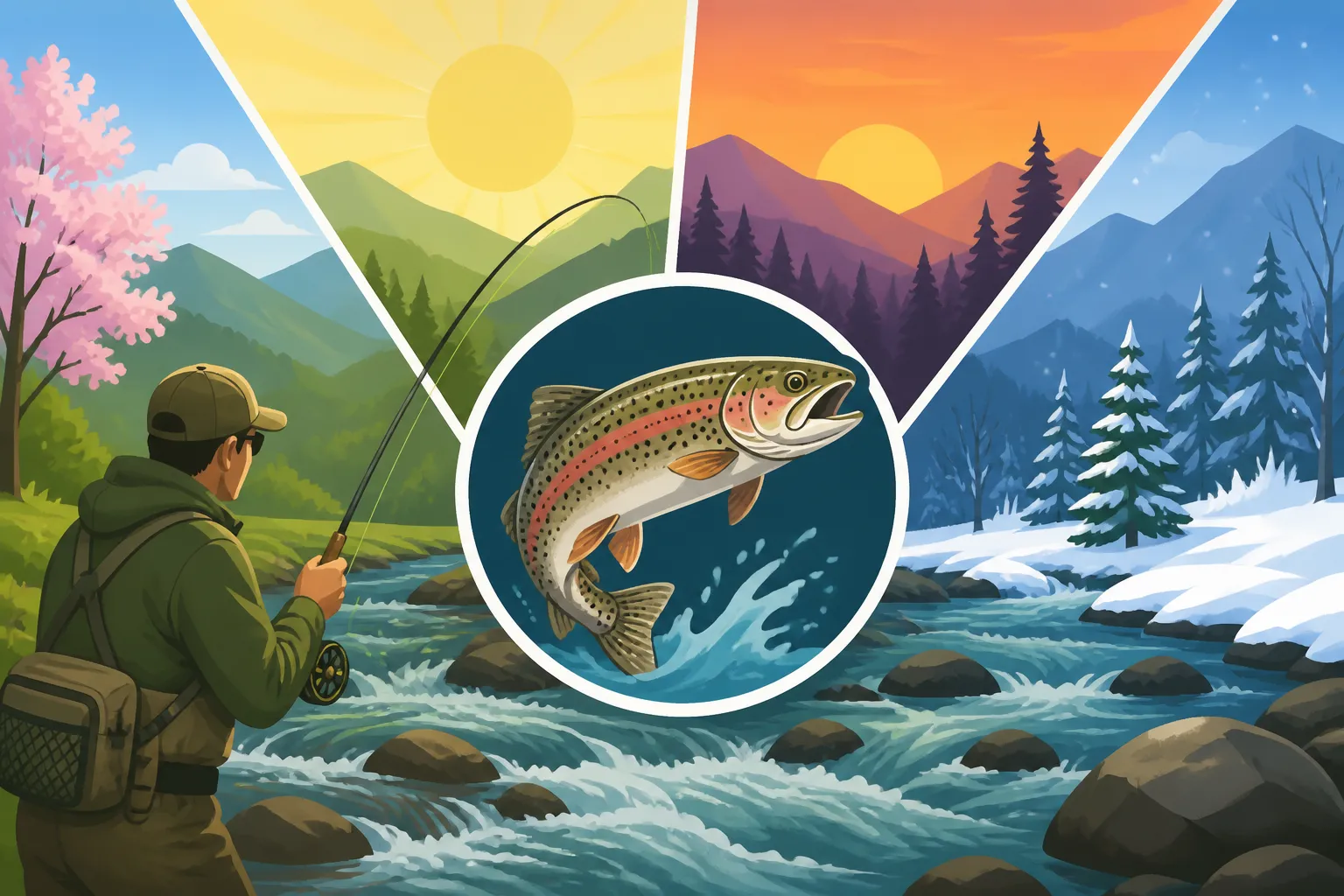
When to Fish North Georgia’s Mountain Streams for Trout
For any angler dreaming of the crisp air, rushing waters, and the subtle tug of a trout on the line, North Georgia's mountain streams are an absolute paradise. But knowing when to cast your line can feel like deciphering a secret code, leaving many feeling frustrated or missing out on prime opportunities. This guide is here to unravel that mystery, offering a comprehensive, season-by-season breakdown of the best times to fish for trout in these beautiful waters.
Understanding North Georgia's Trout Seasons
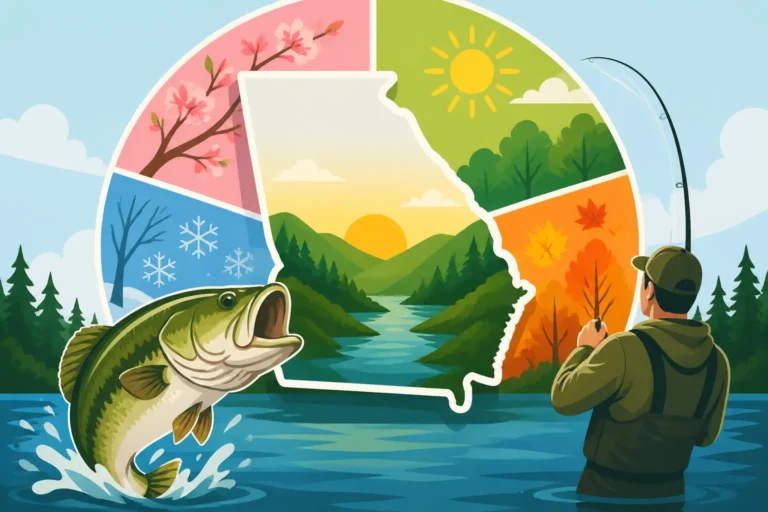
The rhythm of trout fishing in North Georgia is deeply tied to the changing seasons, especially how they impact water temperature and fish activity. Each season offers unique challenges and rewards, making it crucial to adapt your approach.
Spring: The Burst of Activity and Stocking
When spring arrives in North Georgia, it feels like the whole world wakes up, and the trout streams are no exception. Typically from March through May, this is arguably the most popular time to fish, and for good reason. The warming weather melts away winter's chill, bringing stream temperatures into that sweet spot where trout become incredibly active. They’re shaking off their winter lethargy and feeding aggressively, making them more willing to chase a fly or a lure.
Beyond natural activity, spring marks the beginning of the Georgia Department of Natural Resources' intensive trout stocking program. Streams across the region, from the Amicalola to the Toccoa, receive regular deliveries of healthy rainbow, brown, and brook trout, dramatically increasing your chances of a catch. If you want to know which streams are getting fish, keeping an eye on the official Georgia's Trout Stocking Schedule Explained is a game-changer. These newly stocked fish are often eager to bite, especially in the days immediately following a stocking event, as they adjust to their new environment. It's a fantastic time for both seasoned anglers and families looking to introduce kids to the joy of fishing.
Summer: Higher Elevations and Early Morning Missions
As the calendar turns from June to August, North Georgia summers bring warmer air and, consequently, warmer water in many streams. This can be a real challenge for trout, as they prefer colder, oxygen-rich environments. The frustration of seeing a beautiful stream but knowing the fish are likely stressed and sluggish is real. However, summer doesn't mean you have to hang up your waders entirely; it just means you need to be strategic.
The key to successful summer trout fishing lies in seeking out higher elevations and targeting cooler parts of the day. Streams originating high in the Appalachian Mountains, like those in the Chattahoochee National Forest, often maintain colder temperatures year-round. Tributaries and headwater sections, even on well-known streams, can offer refuge for trout. Additionally, embracing the dawn patrol is essential. The first few hours after sunrise, and sometimes the hour before sunset, are when water temperatures are at their coolest and trout are most likely to feed. For spots like the upper stretches of the Toccoa River Trout Fishing in Georgia or the Chattahoochee River Headwaters Trout Fishing, these early morning excursions can be incredibly rewarding, offering peaceful solitude and active fish before the heat of the day sets in.
Fall: The Golden Season for Wild Trout and Stocking
Many experienced trout anglers will tell you that fall, particularly from September through November, is their absolute favorite time to be on the water. It’s when North Georgia truly shines, with vibrant foliage transforming the landscape into a painter’s palette and cooler temperatures invigorating the trout.
Cooler Waters and Aggressive Feeding
The relief of falling air temperatures means stream waters begin to cool down, bringing trout back into their comfort zone after the stress of summer. This renewed comfort translates directly into increased activity and aggressive feeding. Wild trout, especially, become very active, bulking up before the lean winter months. It's also prime time for the "Fall Trout Stocking Season in Georgia," which replenishes many streams, adding to the angling opportunities. The combination of cooler water, active wild fish, and fresh stockings creates a vibrant fishery.
This season is particularly exciting because it coincides with the spawning run for brown trout. While specific spawning regulations and closures should always be checked, the presence of these larger, more mature fish in the shallower runs and riffles can lead to some truly memorable catches. You might find them more territorial and aggressive, making them more susceptible to well-presented flies or lures. The crisp air, the vibrant leaves, and the active fish make fall an unparalleled experience for any trout enthusiast.
Targeting Larger Brown Trout
If you've been dreaming of tangling with a sizable brown trout, autumn is your best bet in North Georgia. As water temperatures drop, brown trout, which are not native to Georgia but have thrived here, become increasingly active, staging for their fall spawn. They move out of their deep, cool summer hiding spots and become more accessible in riffles, runs, and even shallower pools, especially in streams known for their wild populations.
During this period, these fish are often at their most aggressive, feeding heavily to build energy for spawning, and also becoming territorial. This means they are more likely to strike at larger streamers, flashy spoons, or even bigger dry flies if there's an insect hatch. Focus your efforts on streams with good populations of Brown Trout in Georgia: Where to Find Them, such as specific sections of the Chattahoochee or the Toccoa. The thrill of hooking into a powerful, brightly colored brown trout against the backdrop of changing leaves is something every angler should experience.
Winter: Challenging but Rewarding Pursuits
For many, the thought of fishing in the cold of winter, from December through February, might seem unappealing. It’s certainly not for the faint of heart, as the air is crisp, and the water is frigid, causing fish metabolism to slow significantly. However, for those willing to brave the chill, winter fishing in North Georgia’s mountain streams can offer some of the most serene and surprisingly rewarding experiences.
Delayed Harvest Streams and Deep Pools
The absolute highlight of winter trout fishing in North Georgia is undoubtedly the "Delayed Harvest Trout Streams in Georgia." These specially designated sections of rivers, like the Toccoa River (below Blue Ridge Dam) and a few others, are heavily stocked with trout in the fall. From November 1st to May 14th, these streams operate under catch-and-release, artificial lures only regulations. This creates a unique fishery where trout have a chance to grow larger and become wiser without harvest pressure. They become concentrated, but also more selective.
Outside of delayed harvest areas, you’ll need to adjust your strategy significantly. Trout in general regulation streams will be sluggish, holding in deeper, slower pools where they can conserve energy and find thermal refuge. They won't be actively chasing food across wide expanses. Look for eddies, slow bends, and deep holes with minimal current. These spots offer predictable holding areas where you can present a bait or lure slowly and deliberately, giving the lethargic fish a chance to decide whether to bite.
Adjusting Techniques for Cold Water
Cold water trout fishing demands patience and a finesse-oriented approach. Forget the fast retrieves and flashy presentations of summer. In winter, everything slows down. Trout are conserving energy, and their feeding windows are shorter and less frequent. This means you need to present your offerings right in front of them, often with minimal movement.
Small, natural baits like red worms or salmon eggs, fished on light line with minimal weight, can be effective in general regulation areas. For artificials, think tiny jigs, micro-spoons, or small, heavily weighted nymphs for fly anglers. The retrieve should be excruciatingly slow – barely moving the lure, mimicking a stunned or dying insect or baitfish. Suspending baits that can hover in the strike zone for extended periods are also excellent choices. You might not get as many bites, but the ones you do get can be from some impressively healthy, beautiful fish that have survived the season. This is where patience truly pays off, and having quality cold-weather gear, maybe picked up from a place like Amazon, makes a huge difference in comfort and endurance.
Key Factors Influencing Trout Activity
Beyond the calendar, several environmental elements play a critical role in dictating when and how North Georgia's trout will be active. Understanding these nuances can significantly improve your success rate.
Water Temperature and Flow
Water temperature is, without a doubt, the single most critical factor influencing trout behavior. Trout are cold-water species, thriving in temperatures generally between 45-65 degrees Fahrenheit. Below 40 degrees, they become extremely lethargic, and above 70, they become stressed and seek cooler water. Optimal feeding activity occurs in the mid-50s to low-60s. This is why spring and fall are so productive, as stream temperatures consistently fall within this range. Monitoring water temperature, even with a simple thermometer, can tell you more than the air temperature about whether fish will be active.
Flow rates are equally important. After heavy rains, streams can become high and muddy, making fishing difficult and stressing the fish. Conversely, extremely low flows, especially in summer, can concentrate fish but also make them very spooky and wary. Ideal conditions are usually found a day or two after a moderate rain, when the water has begun to recede but still has a good flow and a slight stain – often called "green water" – which provides cover for the trout and washes food into the stream. Always check stream gauges before heading out to ensure safe and productive conditions.
Weather Patterns and Barometric Pressure
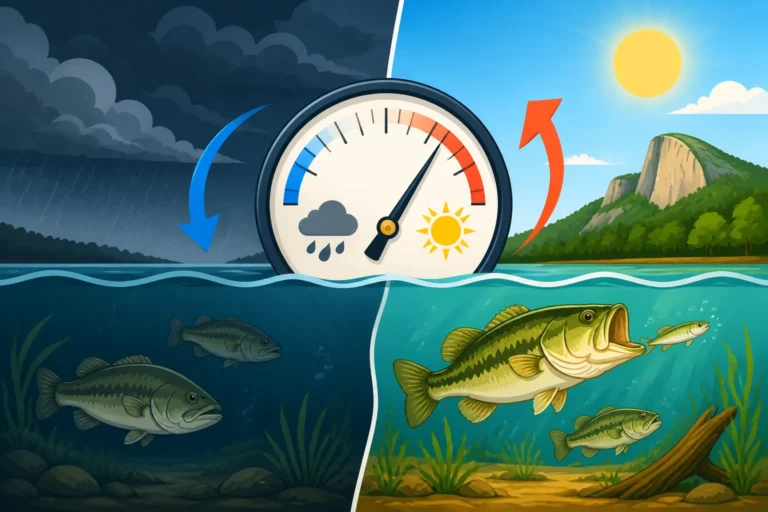
While water conditions are paramount, broader weather patterns and barometric pressure also subtly influence trout activity. Stable, mild weather with steady barometric pressure often corresponds with good fishing. Sudden drops in temperature, strong cold fronts, or rapidly rising/falling pressure can put fish off the bite.
Before a major cold front, fish might feed more aggressively, sensing the change. After a front, they often become tight-lipped and seek deeper, more protected areas. Overcast days, especially in spring and fall, can offer excellent fishing as the diffused light makes trout feel more secure and less wary. Bright, sunny days can drive them into shaded or deeper cover. Understanding these subtle shifts, much like reading the fishing report for a favorite spot among the Best Trout Streams in Georgia, allows you to anticipate their mood and adjust your tactics accordingly.
Trout Stocking Schedules
For many anglers in North Georgia, the official trout stocking schedule is a cornerstone of their fishing plans. The Georgia Department of Natural Resources works tirelessly to stock thousands of trout into public waters each year, providing fantastic opportunities, especially for those who might not have access to wild trout streams. Knowing the Georgia trout stocking schedule by month is like having a secret weapon.
These stockings are often concentrated in spring and fall, but can occur at other times depending on conditions. While stocked trout can sometimes be less wary than their wild counterparts initially, they quickly acclimate. Targeting streams shortly after a stocking event can significantly increase your catch rate. However, don't overlook the challenge of these fish becoming "educated" after a few days, requiring more subtle presentations. Regardless, it's a fantastic program that ensures consistent fishing opportunities for everyone. You can typically find this schedule on the Georgia DNR website, so a quick check before you head out is always a good idea.
Here's a quick overview of what to expect when fishing North Georgia's mountain streams for trout:
| Season | Typical Months | Water Temperature | Trout Activity | Best Conditions | Fishing Strategy Focus |
|---|---|---|---|---|---|
| Spring | March – May | Moderate (45-60°F) | High, very active | Post-stocking, rising temps | Stocked fish, aggressive feeders |
| Summer | June – August | Warm (60-70°F+) | Lower, more sluggish | Higher elevations, early/late day | Cool water refuges, finesse |
| Fall | Sept – Nov | Cooling (50-65°F) | High, pre-spawn & stocked | Post-stocking, brown trout spawn | Wild trout, larger presentations |
| Winter | Dec – Feb | Cold (35-45°F) | Low, lethargic | Delayed Harvest, deep pools | Slow retrieves, small baits |
North Georgia's mountain streams offer a year-round tapestry of trout fishing experiences, each with its own charm and set of challenges. Whether you're chasing the vibrant colors of a Rainbow Trout Fishing in North Georgia's Mountain Streams in spring, the elusive Brook Trout: Georgia's Only Native Trout Species in a high-elevation summer creek, or a trophy brown in the crisp air of fall, understanding the seasonal rhythms and environmental factors will undoubtedly elevate your time on the water. So, gear up, check the latest conditions, and get out there – those mountain streams are calling!
Disclaimer
Fishing conditions and regulations in Georgia can change. Always consult the Georgia Department of Natural Resources (DNR) website for the most current rules, licensing requirements, and trout stocking schedules before heading out on your fishing trip. Stay safe and fish responsibly.