Night Fishing Techniques for Catfish
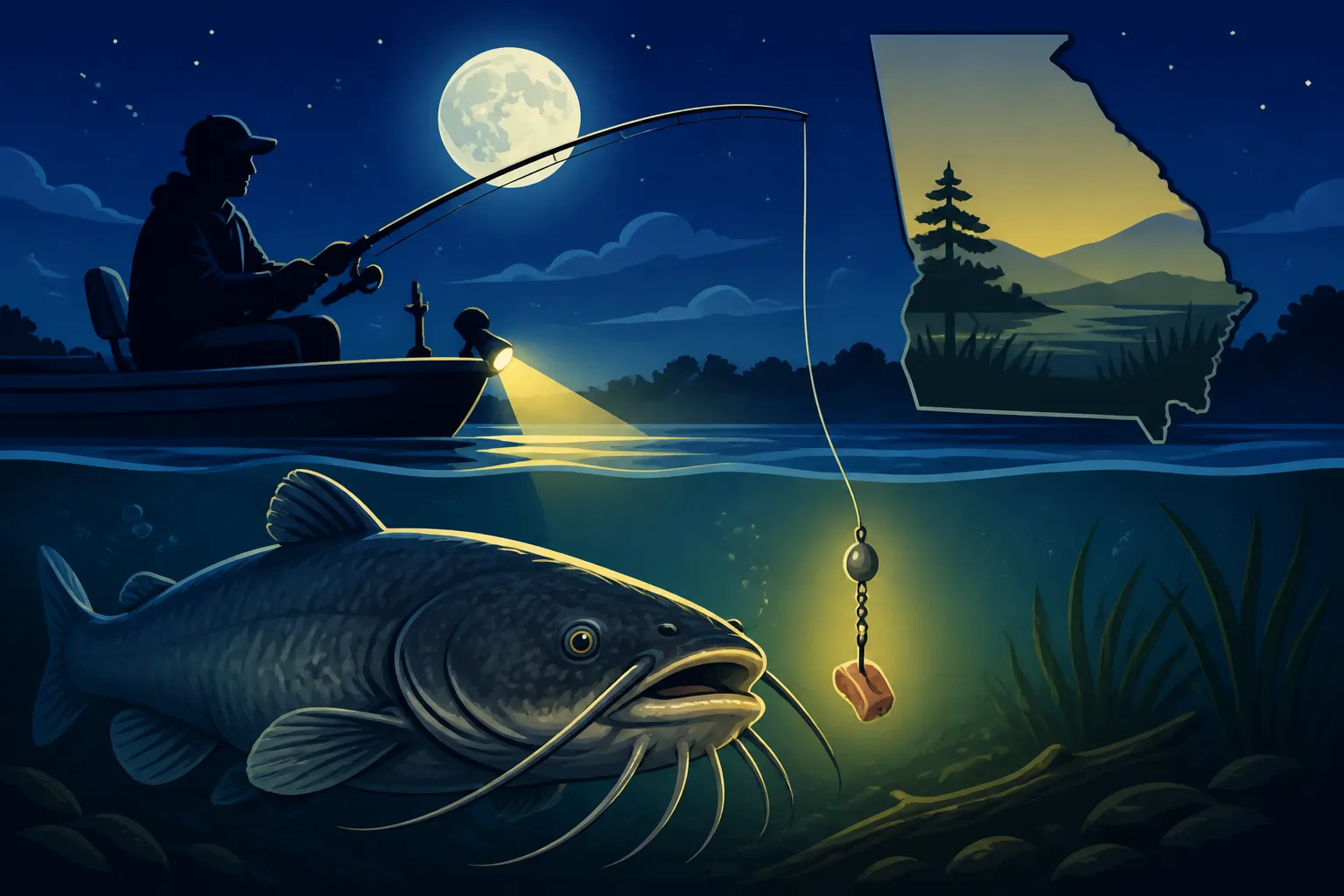
There’s nothing quite like the sticky, stifling heat of a Georgia summer day. When the sun beats down, many anglers pack up their gear, but that’s often when some of the biggest and most exciting fish decide to come out to play: catfish. If you've ever felt the frustration of a slow bite under the blazing sun, you're not alone. This comprehensive guide will illuminate the dark, offering you proven night fishing techniques for catfish in Georgia, helping you turn those frustrating days into unforgettable nights on the water.
Why Catfish are Night Owls and Why You Should Be Too!
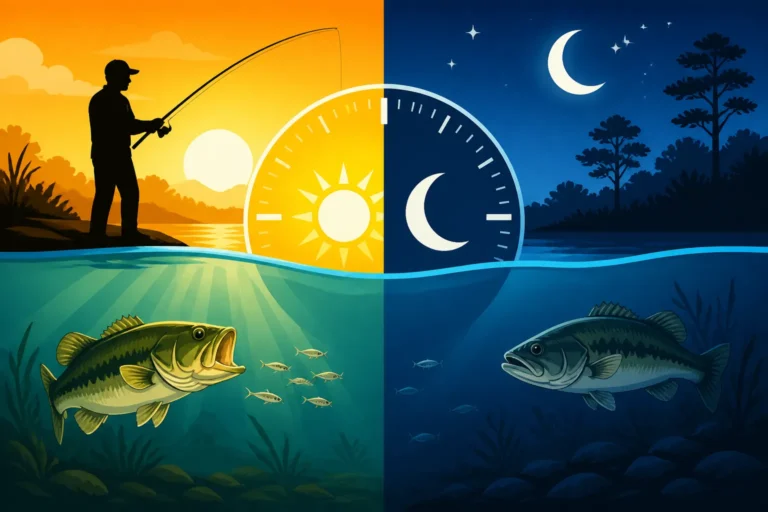
When the sun dips below the horizon, a whole new world awakens beneath the surface of Georgia's lakes and rivers. While many fish species become less active, catfish often hit their peak foraging periods, making night fishing an incredibly rewarding experience for those willing to embrace the darkness.
The Catfish's Nocturnal Nature
Catfish, particularly the larger blues and flatheads, are primarily nocturnal predators. Their biology is perfectly adapted for hunting in low-light conditions. They possess an exceptional sense of smell, keen taste buds located all over their bodies (not just their mouths!), and highly sensitive barbels that act like whiskers, helping them detect prey movement and scent trails in murky or dark water. This sensory advantage means that when daylight fades, these fish become bold and actively seek out food. Think about it: during the day, they might be hiding in deeper, cooler water or tucked away in dense cover to avoid predators and bright light. But as twilight gives way to night, they feel much safer venturing into shallower areas or patrolling open waters to feed. This shift in behavior is why your chances of hooking into a trophy-sized blue or flathead often skyrocket after dark. It's not just a myth; it's how they're wired.
Beating the Heat and the Crowds
Beyond the biological advantages, night fishing offers some undeniable perks for the angler. First and foremost, you escape the oppressive heat that can make daytime fishing in Georgia unbearable for hours on end, especially during the summer months. The cooler night air is a welcome relief, allowing you to focus on your fishing without constantly battling sweat and sunburn. Furthermore, night fishing often means you'll have the water mostly to yourself. Public boat ramps and popular fishing spots that are jam-packed during the day become tranquil and serene. This lack of boat traffic and human activity not only creates a more peaceful fishing environment but also means less disturbance for the fish. Catfish that might be skittish during the day due to boat noise or heavy angling pressure are far more relaxed and willing to bite in the quiet solitude of the night. It's a chance to truly connect with the water and the hunt, uninterrupted.
Essential Gear for Georgia Night Catfishing
Stepping out onto the water after dark requires a bit more intentionality when it comes to your gear. It's not just about what catches fish, but also what ensures your safety and comfort in low-light conditions. Investing in the right tools can make all the difference between a frustrating night and a memorable one. If you're looking for specific recommendations or just browsing, many anglers find great selections for all their night fishing needs on platforms like Amazon.
Rods, Reels, and Line – Built for Battle
Night catfishing isn't for ultralight gear. You're often targeting larger, stronger fish that will put your equipment to the test, especially when you can't rely on sight to help you land them.
For rods, think heavy-duty. A medium-heavy to heavy action rod, usually 7 to 9 feet in length, is ideal. These rods have enough backbone to handle heavy weights for bottom fishing and the raw power to turn a stubborn blue cat running for cover. Look for rods with a stout butt section and a sensitive, yet strong, tip that can detect subtle bites in the dark. Brands like Ugly Stik or Penn offer durable options that stand up to the abuse of catfishing.
When it comes to reels, you'll want something robust. Large baitcasting reels (like Ambassadeur 6500 series or Penn Squall) are popular for their power and ability to cast heavy baits accurately. Alternatively, larger spinning reels (4000-6000 size) can work well, especially for those who prefer the simplicity of spinning gear. The key is a strong drag system and ample line capacity.
Speaking of line, forget the light stuff. Most serious catfishermen spool up with 20 to 50-pound test monofilament or braided line. Monofilament offers good abrasion resistance and some stretch, which can be forgiving during a hard fight. However, many prefer braided line for its superior strength-to-diameter ratio, minimal stretch (which translates to excellent bite detection), and impressive abrasion resistance against submerged timber and rocky bottoms. Consider a high-visibility line for easier tracking if you're using a flashlight, or a dark green/brown if stealth is your priority. You can learn more about Best Catfish Gear for Georgia Rivers and Lakes to optimize your setup.
Lighting and Navigation: More Than Just a Flashlight
Safety is paramount when fishing at night. Your lighting setup is crucial for everything from tying knots to navigating back to shore.
A good headlamp is non-negotiable. It keeps your hands free for baiting hooks or unhooking fish. Look for one with multiple settings, including a red light option, as red light preserves your night vision and is less likely to spook fish. Many quality headlamps are available on Amazon. Beyond your personal light, consider a portable lantern for ambient light around your fishing spot, especially if you're bank fishing. These can be battery-operated LED lanterns or propane models, but LEDs are often safer and more convenient.
If you're fishing from a boat, all appropriate navigation lights are legally required and absolutely essential for safety. Beyond that, a powerful spotlight can help you locate buoys, hazards, or distant markers. For navigation, a reliable GPS or chartplotter is your best friend. Pre-mark your fishing spots, boat ramps, and any known hazards during daylight hours. This will make navigating in the dark much less stressful and significantly safer. Always have a backup, whether it's a fully charged phone with a mapping app or even an old-school compass. Don't forget glow sticks! Attaching them to your rod tips can help you see bites in the dark without constantly shining a light, and they are easily found on Amazon.
Terminal Tackle for the Dark
The business end of your line needs to be robust and effective in the dark.
Hooks: Circle hooks are the gold standard for catfishing, especially at night. Their design makes them self-setting, meaning the fish usually hooks itself in the corner of the mouth, leading to fewer gut hooks and easier, safer releases. This is incredibly helpful when you can't see precisely what the fish is doing. Sizes typically range from 5/0 to 10/0, depending on the size of your bait and the catfish you're targeting. J-hooks can also be used, but require a more direct hookset and carry a higher risk of deep hooking.
Weights: You'll generally need heavy weights to keep your bait on the bottom, especially in rivers with current or deep lakes. Egg sinkers, pyramid sinkers, or disc sinkers from 1 to 5 ounces (or even heavier in strong current) are common. The exact weight depends on the depth and current of the water you're fishing.
Swivels and Leaders: Use heavy-duty barrel swivels (rated 50-80 lbs) to prevent line twist. A strong leader line is also recommended, often 30-80 lb test monofilament or fluorocarbon. This provides an extra layer of abrasion resistance against rough catfish mouths, teeth, and submerged structure. When setting up your rigs in the dark, using a simple slip-sinker rig or a Carolina rig for bottom fishing are excellent choices because they are easy to tie and highly effective. For a deeper dive into common rigs, check out How to Rig a Slip Sinker for Catfish.
Top Night Fishing Techniques for Catfish
Night fishing for catfish isn't just about throwing a line in the water; it's about understanding and applying specific techniques that capitalize on their nocturnal behavior. Whether you prefer a stationary approach or a more active style, there's a night technique that can work for you in Georgia's diverse waters.
Bottom Fishing: The Tried and True Method
Bottom fishing is arguably the most popular and effective method for catching catfish, particularly at night. It's a straightforward approach that places your bait right where catfish are often foraging: along the bottom.
The most common setup is the slip-sinker rig, also known as a Carolina rig. Here’s how it works: you thread an egg sinker onto your main line, followed by a bead (to protect your knot), then tie on a barrel swivel. To the other end of the swivel, you attach a leader of about 12 to 24 inches, and then your hook. The beauty of this rig is that the line slips freely through the sinker, allowing the fish to pick up the bait and move off without feeling the weight of the sinker. This means fewer dropped baits and more confident bites. At night, this subtle presentation is particularly effective, as catfish rely heavily on scent and taste rather than sight. Place your baits near river channels, deep holes, ledges, or submerged timber where catfish often stage during the day and move out to feed from at night. Casting accuracy is important, but a good cast that lands near structure with a pungent bait will often attract attention quickly. Many anglers will set out multiple rods with different baits at varying depths or locations to cover more water and identify what the catfish are hitting on.
Another variation is the ledger rig, which is similar but often involves a fixed weight or a heavier dropper weight for very strong currents. The goal remains the same: present an enticing bait directly on the bottom, allowing its scent to disperse and attract hungry catfish. Using a rod holder is crucial for bottom fishing, especially if you're fishing with multiple rods. This allows you to relax and wait for a bite without having to constantly hold your rod, and ensures your rods stay secure if a big cat decides to test your gear.
Jug Fishing for Active Catfish
Jug fishing is a classic, highly effective, and often exciting method for targeting catfish, particularly blues and flatheads, that are actively cruising and feeding. However, it's absolutely crucial to check the specific regulations in Georgia before deploying jugs, as rules can vary by water body and may include restrictions on the number of jugs, bait types, and marking requirements. You can find detailed information by consulting the Georgia Fishing Regulations Explained.
Assuming it's legal in your chosen area, jug fishing involves using free-floating lines attached to buoyant jugs (which can be actual milk jugs, foam noodles, or specially designed commercial jugs). Each jug has a line of varying length, usually with a weight at the bottom to keep the bait submerged at a desired depth, and one or more baited hooks. At night, you deploy these jugs in areas where you suspect catfish are actively feeding, such as across flats adjacent to river channels, over submerged humps, or near creek mouths. The jugs drift with the current or wind, effectively covering a large area. When a catfish takes the bait, the jug will suddenly start bobbing, dancing, or even disappearing, signaling a bite! This is where the excitement comes in, as you must then chase down the jug to retrieve your fish. Many anglers mark their jugs with reflective tape or glow sticks (found on Amazon) to make them easier to spot in the dark. This method requires a boat, as you'll need to follow and retrieve your jugs. It's a fantastic way to target aggressive, wandering catfish that aren't necessarily holding tight to structure.
Trotlines and Limb Lines: Setting and Checking
For those looking to catch multiple catfish over a longer period, trotlines and limb lines can be incredibly productive. Again, like jug fishing, these methods are subject to strict regulations in Georgia regarding placement, length, number of hooks, and marking, so always check the current rules before setting them.
A trotline is a long line (often made of braided nylon or similar material) stretched across a river or lake, anchored at both ends. Shorter dropper lines with baited hooks are attached at intervals along the main line. This allows you to present numerous baits simultaneously across a wide area or at varying depths. Trotlines are typically set in the evening and checked in the morning, though checking them periodically throughout the night can yield fresher fish and prevent losses. For example, on the Flint River, you might set a trotline across a bend where shoal bass and catfish are known to feed.
Limb lines are simpler versions, consisting of a single line tied to an overhanging tree limb or sturdy bank vegetation, with one baited hook suspended in the water. These are often used in smaller rivers, creeks, or quieter coves. The flexibility of the limb acts as a natural shock absorber when a fish strikes. Both trotlines and limb lines are most effective when placed in areas with known catfish activity – near deep holes, log jams, or current breaks. Baiting with strong-smelling cut bait or live baits is usually the key to success. Remember, ethical angling means checking your lines regularly to ensure fish are not left on too long, and only keeping what you plan to eat. Proper marking is essential for safety and to comply with regulations, often involving a tag with your name and license number. For more in-depth information on this method, read our guide on Trotline Fishing Explained.
Best Baits for Nocturnal Catfish in Georgia
When the lights go out, catfish rely overwhelmingly on their superior sense of smell and taste to locate food. This means your bait choice is even more critical at night. Strong-smelling, oily, and actively wiggling baits are generally the most effective.
Natural & Live Baits: The Catfish Magnets
You can't go wrong with natural baits when targeting catfish, especially when they're actively foraging in the dark.
Cut Bait: This is a perennial favorite for channel, blue, and flathead catfish. Oily baitfish like gizzard shad, threadfin shad, skipjack herring, or even mullet (if you're near coastal rivers) are excellent choices. Freshness is key. Cut them into chunks or strips about 1-3 inches long, depending on the size of the fish you're targeting. The scent trail they release in the water is irresistible to hungry catfish. For blue catfish, larger chunks of cut bait often work best, while channel catfish might prefer smaller pieces. You can read up on Best Bait for Blue Catfish and Best Bait for Channel Catfish for more specific advice.
Live Bait: For trophy flatheads, live bait is often the king. Small sunfish (bluegill, bream), shiners, or small carp are prime choices. Flatheads are predators that prefer live, struggling prey. Hook them through the back or lips to keep them alive and active for as long as possible. Ensure any live bait you use is legally caught and handled according to Georgia regulations. The frantic movements of a live baitfish are easily detected by a flathead's lateral line system in the dark.
Worms: While not always for the biggest cats, a fat nightcrawler or a cluster of smaller earthworms can be incredibly effective for channel catfish and smaller blues. Their wiggling action and natural scent are highly attractive. They're also easy to acquire and store, making them a convenient option for any night fishing trip.
Chicken Livers: A classic for channel cats! Chicken livers are cheap, readily available, and incredibly stinky – exactly what a channel catfish loves. The downside is they're messy and can be tricky to keep on a hook, especially with a strong cast or in current. Many anglers use a small piece of pantyhose or a bait threader to help secure them. Their potent aroma makes them deadly on slow-moving rivers or in still water.
Prepared & Scented Baits: Maximizing Attraction
Sometimes, you need something extra to really get the attention of those catfish in the dark. This is where prepared and scented baits shine.
Stink Baits: These are engineered to smell as potent as possible, specifically formulated to appeal to the incredible olfactory senses of catfish. They come in various forms: dips, doughs, or punch baits. Dip baits typically require a special bait holder (often a sponge or tube) that soaks up the gooey, smelly concoction. Punch baits are thicker and can often be "punched" onto a treble hook with a stick. Brands like Catfish Charlie or Sonny's Super Sticky are well-known, and many varieties are available on Amazon. The key is their powerful, long-lasting scent trail, which works wonders in low visibility conditions. These baits are fantastic for channel catfish and can sometimes entice smaller blues.
Dough Baits: Similar to stink baits but often less pungent, dough baits are moldable and designed to slowly dissolve, releasing a scent cloud. They can be homemade or commercially produced and often contain ingredients like cheese, garlic, or other strong flavors. While not as "stinky" as dedicated stink baits, they offer a consistent release of attractants.
When using any of these prepared baits, remember that scent is paramount. The darker the water or the darker the night, the more catfish rely on their sense of smell. These baits help create a powerful attractant zone around your hook, drawing fish from a distance. Experiment with different scents and consistencies to see what works best on your particular body of water.
Locating Catfish After Dark in Georgia Waters
Catching catfish at night isn't just about the right bait and tackle; it's also about knowing where to put them. Catfish behavior shifts significantly as daylight fades, and understanding these patterns is key to consistently finding them in Georgia's diverse lakes and rivers.
Structure and Deep Water Haunts
During the day, catfish, especially larger blues and flatheads, often retreat to deeper, cooler water or dense cover to escape bright light and boat traffic. This means that as night falls, these deep-water haunts become prime starting points for your fishing efforts.
Look for river channels and creek mouths. These are natural highways for catfish, offering pathways for migration and areas where current often concentrates baitfish. At night, catfish will move out of the deepest parts of these channels and onto adjacent flats or ledges to feed. Position your baits on the edges of these channels, where the depth changes abruptly, or on the shallower flats that connect to them.
Submerged timber, brush piles, and rock piles are also critical. These structures provide ambush points and protective cover. Flatheads, in particular, love to hold tight to wood. While you might fish the deeper edges of these structures during the day, at night, catfish might move right into the thick of it, or patrol the immediate vicinity. Using a weedless rig or a tough leader can help prevent snags.
Ledges and humps in lakes like Lake Lanier or Lake Oconee can be excellent night spots. Catfish will often move up onto these shallower structures after dark to feed on baitfish that have also migrated shallower. Using your sonar (if you have a boat) during the day to mark these features can give you a significant advantage when returning after dark. Anchor strategically so your baits land on top of or along the sides of these underwater elevations. You can explore some of these prime locations in guides like Best Catfish Fishing Spots in Georgia.
The Importance of Current and Oxygen
Catfish are highly sensitive to their environment, and understanding the role of current and oxygen can dramatically improve your night fishing success.
Current: In rivers and tailraces below dams, current is a major factor. Catfish will often position themselves just out of the main current, in eddies or current breaks, where they can ambush prey without expending too much energy. The current also disperses scent from your bait, creating a wider attractant trail. At night, these current seams can become super active feeding zones. For instance, on the Chattahoochee River, finding areas where the current slows down near a log jam or an undercut bank can be incredibly productive for channel cats and blues.
Oxygen Levels: While often overlooked, oxygen levels are crucial, especially in warmer months. Warmer water holds less dissolved oxygen, and fish will seek out areas where oxygen is more abundant. This often means deeper water during the day, but at night, localized sources of current (like tributary mouths or even areas with strong wind action) can provide higher oxygen concentrations that attract baitfish and, consequently, catfish. Areas where creeks flow into larger bodies of water are especially good, as they often bring in cooler, more oxygenated water, along with a fresh supply of food. Look for any inflow, even a small stream, as these can be magnets for feeding catfish after dark.
Here's a quick comparison of popular night catfishing techniques:
| Technique | Pros | Cons | Best Application |
|---|---|---|---|
| Bottom Fishing | Simple, effective, good for specific spots, minimal gear required | Less coverage than active methods, can get snagged in heavy cover | Stationary fishing from bank or boat, targeting channels, holes, ledges |
| Jug Fishing | Covers large areas, highly active and exciting, targets cruising fish | Requires boat access, strict regulations must be checked, involves chasing jugs, can be less precise | Large open lakes, slow-moving rivers, targeting actively searching catfish |
| Trotlines | Catches multiple fish, covers wide areas, efficient for sustained effort | Requires significant setup/takedown, very strict regulations, potential for snags, ethical considerations for fish left too long | Larger rivers, targeting specific migration paths or consistent feeding areas |
| Limb Lines | Simple setup, uses natural "give" of limb, good for remote spots | Limited to areas with suitable limbs, fewer hooks than trotlines, also regulated | Smaller rivers, creeks, quiet coves with overhanging vegetation |
Safety and Comfort for Night Anglers
Night fishing for catfish is an incredible experience, but the cover of darkness also brings unique challenges and safety considerations. Being prepared isn't just about catching fish; it's about making sure your outing is safe and enjoyable.
Navigating in the Dark: Essential Safety Measures
The most significant difference between day and night fishing is visibility. Without the sun's guiding light, familiar landmarks disappear, and the water's surface can hide hazards.
If boating, never skimp on safety equipment. Ensure all your navigation lights are fully functional – bow light (red/green) and stern light (white) are legally required and critical for preventing collisions. Keep a powerful spotlight or floodlight handy for scanning the water ahead, identifying buoys, or locating unlit docks. Always have a whistle or air horn onboard to signal other vessels. A marine VHF radio is also a smart investment, allowing you to call for help if your cell phone signal is weak or non-existent. Before you even leave the dock, tell someone where you're going and when you expect to return. This "float plan" is a simple but vital safety measure. Be aware of Georgia Life Jacket Laws for Boaters and Kids and always have enough Coast Guard-approved life jackets for everyone on board, readily accessible. It's often wise for everyone to wear a life jacket at night, regardless of age or swimming ability, as accidents can happen quickly and silently in the dark.
If bank fishing, stick to familiar areas. Navigating uneven terrain, slippery banks, or dense undergrowth in the dark can lead to falls or injuries. Scout your fishing spot during the day, noting any obstacles, drop-offs, or safe entry/exit points. Bring multiple light sources – a headlamp and a powerful handheld flashlight as a backup. Don't go alone if possible, or at least share your location with a friend or family member.
Personal Comfort and Preparedness
Being comfortable at night will allow you to focus on the fishing, not the annoyances.
Insect Repellent: This is a non-negotiable item for Georgia nights, especially during warmer months. Mosquitoes, gnats, and other biting insects can turn a peaceful evening into an itchy nightmare. Apply generously and reapply as needed. Many anglers swear by sprays containing DEET or picaridin.
Appropriate Clothing: Even if it was hot during the day, temperatures can drop significantly after sunset. Bring layers, even in summer. A light jacket or long-sleeved shirt can protect against both cool air and insects. Waterproof outer layers are a good idea, as dew or unexpected showers can make you miserable.
Food and Water: Pack plenty of water to stay hydrated, and bring snacks or a meal. A thermos of hot coffee or soup can be a real treat on a chilly night.
First-Aid Kit: A basic first-aid kit is essential for any fishing trip, but even more so at night when emergency services might take longer to reach you. Include band-aids, antiseptic wipes, pain relievers, and any personal medications. Accidents, like a hook in the finger, can happen.
Trash Bag: Always pack out what you pack in. Leave your fishing spot cleaner than you found it. Responsible angling ensures we can all enjoy Georgia's beautiful waters for years to come. By prioritizing safety and comfort, your night catfishing adventures will be much more rewarding and free from unnecessary worries.
Disclaimer
Please remember that fishing regulations, license requirements, and boating laws in Georgia can change. It is always your responsibility to consult the latest official Georgia Department of Natural Resources (DNR) guidelines and local advisories before heading out on the water. Stay safe and enjoy your time fishing!