Fishing After Rain
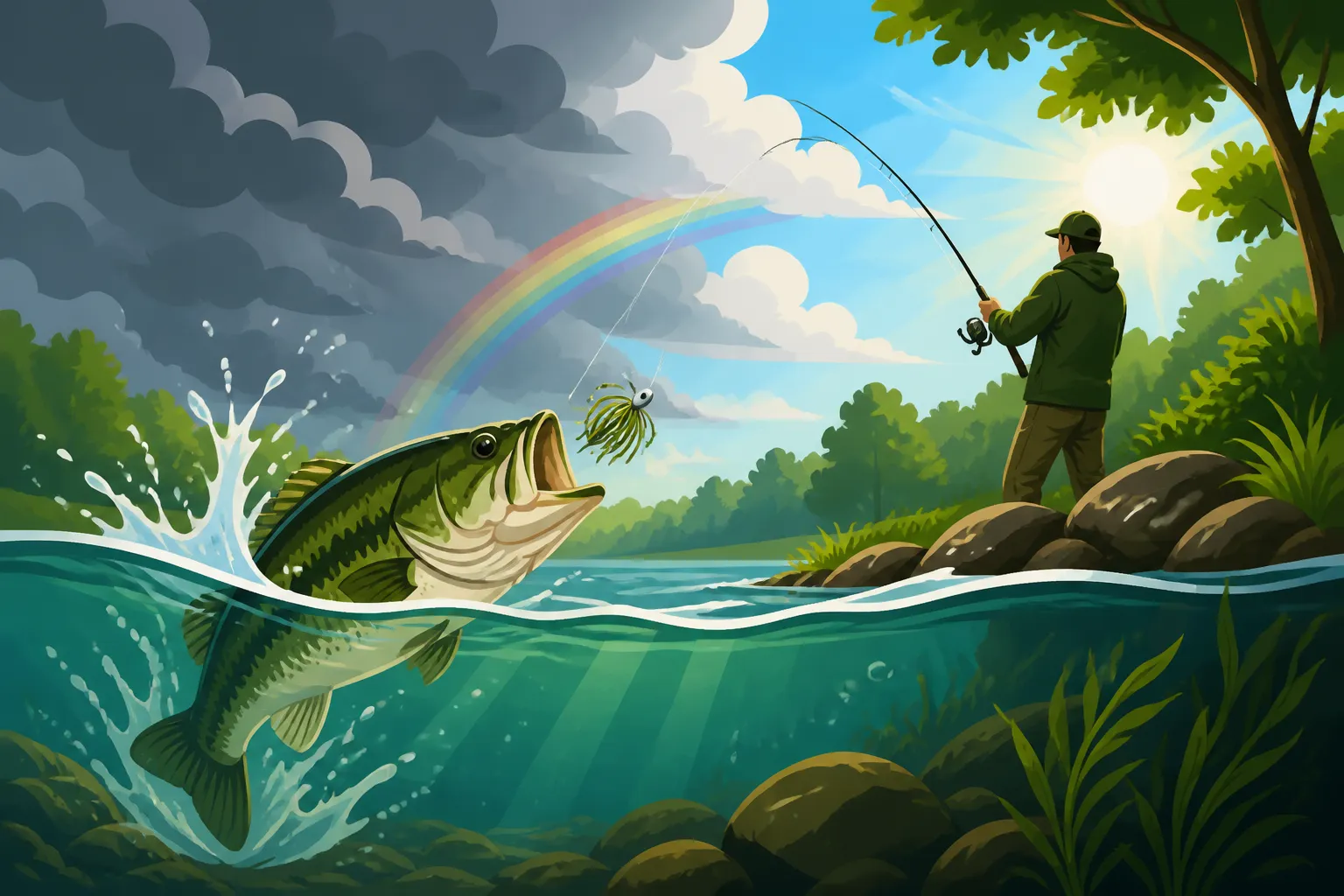
Many anglers in Georgia dread the rain, packing up their gear and heading home at the first drop, convinced the fishing day is ruined. But what if I told you that some of the best fishing opportunities often arise after the rain has fallen? This comprehensive guide will walk you through the nuanced world of fishing after rain in Georgia, revealing how to capitalize on these unique conditions and turn what seems like a setback into a truly memorable day on the water.
Understanding How Rain Impacts Fish Behavior
When the skies open up and rain pours down across Georgia, it’s not just the surface of the water that changes; a whole chain reaction begins beneath the surface, drastically altering the environment for our finned friends. Knowing these subtle shifts is key to unlocking post-rain fishing success.
Water Temperature Fluctuations
One of the most immediate and impactful effects of rainfall, especially significant downpours, is the change in water temperature. If it’s been a hot summer, a cool rain can be a blessing, dropping the surface temperature just enough to invigorate lethargic fish. Think about those sweltering August afternoons on Lake Lanier when the bass are hunkered down deep. A good summer thunderstorm bringing cooler rain can pull them up from the thermocline, making them more active and willing to chase a bait. Conversely, if it’s a chilly spring or fall day, a heavy, cold rain can actually lower the water temperature, potentially slowing down warmer-water species like bass. However, this cooler, more oxygenated water can also spur on trout in North Georgia's mountain streams, making them more aggressive. It’s a delicate balance, and understanding the ambient air temperature and recent weather trends is crucial. You're essentially looking for that "Goldilocks" zone where the temperature change is just right to stimulate feeding.
Changes in Water Clarity and Oxygen Levels
Rain, particularly heavy runoff, inevitably brings with it a surge of fresh water that can dramatically alter water clarity. What was clear an hour ago might become stained or even muddy. For some species, like crappie or catfish, this reduced visibility is actually a fantastic thing. It offers them cover, making them bolder and less wary of predators – and your lure. They’ll often move closer to the banks, ambushing prey in the murkier water. On the flip side, highly visual predators like spotted bass in deep, clear reservoirs might become harder to tempt if the water gets too cloudy.
Beyond clarity, rain also introduces a rush of fresh, oxygenated water into lakes and rivers. This is especially true for surface waters and areas where runoff flows in. Fish, like any other creature, need oxygen, and stagnant, warm water can often be low on it. The infusion of oxygen from rain can revitalize fish, increasing their activity levels and making them more inclined to feed. This is particularly beneficial in smaller ponds or slow-moving rivers where oxygen depletion can be an issue during hot spells. After a good downpour, those areas can suddenly become hotspots.
Current and Runoff Dynamics
Rain transforms Georgia's waterways by creating new currents and funneling runoff into specific areas. Rivers swell, creeks turn into raging torrents, and even lakes experience significant inflows from feeder creeks and drains. This new influx of water is like a dinner bell for many species. The runoff carries all sorts of tasty morsels – worms, insects, small baitfish that get disoriented. Fish instinctively know this and will often congregate near these incoming currents, setting up ambush points to snatch up easy meals.
Think about fishing on the Flint River after a substantial rain. The water levels will rise, and the current will be stronger, but those shoal bass will often push into the newly flooded edges or position themselves behind current breaks, waiting for food to wash by. Similarly, on a lake, identifying those small ditches, culverts, or creek mouths where water is pouring in can be incredibly productive. These are natural feeding funnels that savvy anglers learn to target. The key is to observe where the fresh water is entering and how it's stirring up the bottom, making food available.
Strategic Adjustments for Post-Rain Fishing
Fishing after rain isn't just about showing up; it's about making smart, deliberate adjustments to your usual approach. What worked yesterday might not work today, and that's the beauty and challenge of it.
Lure and Bait Selection Post-Storm
When the water clarity changes, your lure and bait choices should too. In stained or muddy water, visual appeal takes a backseat to vibration, sound, and scent. This is where bright, contrasting colors like chartreuse, orange, and firetiger really shine. These colors stand out more in low visibility. Lures with a lot of thumping action, like lipless crankbaits, ChatterBaits, or spinnerbaits with large Colorado blades, become incredibly effective. The vibration helps fish locate your bait even if they can't see it clearly. For bottom feeders, the addition of scent is huge. Consider using scented soft plastics or adding scent sprays to your lures. Natural baits like worms, live minnows, or cut bait also become highly effective as their natural scent trail can be easily followed in murky conditions.
On the other hand, if the rain somehow improves clarity, or if you're fishing a deep, clear reservoir that hasn't seen much runoff, your tactics might lean towards more natural colors and finesse presentations. However, the general rule of thumb after a rain is to start with something that creates a disturbance and has a strong visual or scent profile. You can find a huge variety of these options on platforms like Amazon, offering a wide array of sizes and colors to match the specific conditions you encounter.
Targeting Prime Feeding Zones
Fish location is probably the most critical adjustment after a rainfall. As mentioned, fish will often move shallower, closer to the banks, and into areas with active runoff. Look for freshly flooded vegetation, shallow points, and creek mouths where new water is pouring in. These areas are magnets for baitfish and consequently, game fish. In rivers, the current changes create new eddies and slack water areas behind obstacles where fish can conserve energy while waiting for food. Target these current breaks, as well as the seams where fast water meets slower water.
For bass anglers, this might mean skipping jigs or pitching Texas-rigged worms into flooded bushes along the shoreline. For trout fishermen in North Georgia, high water means searching out calmer pockets behind large rocks or along the riverbanks, where trout will be holding out of the main current, waiting for insects and dislodged worms. Don't be afraid to cast right into the churn of incoming water; sometimes, the most chaotic spots are the most productive. The article on Best Fishing Spots in Georgia might give you some ideas on where to start looking for these prime runoff areas.
Rod, Reel, and Line Considerations
The gear you choose can make a difference when fishing in post-rain conditions. With potentially muddy water and strong currents, you might need to adjust your setup. For instance, when casting heavier, vibratory lures in stained water, a baitcasting setup with a medium-heavy rod and braided line might be your best friend. Braided line offers superior sensitivity to detect subtle bites in turbulent water and has no stretch, which is great for powerful hooksets when fish are aggressively hitting reaction baits.
If you're targeting fish in flooded cover, a heavier rod and line strength will help you pull fish out of snags. For finesse presentations in clearer water, or if you're fly fishing for trout in swollen streams, a sensitive spinning rod or a dedicated fly rod setup with appropriate line weight will be necessary. Consider a higher visibility monofilament or fluorocarbon leader in murkier water, or opt for a stealthy fluorocarbon in clearer conditions where fish might be more wary. Always check your knots and line for abrasions more frequently, as debris carried by runoff can cause nicks.
| Water Clarity | Lure Type | Recommended Colors | Key Trait |
|---|---|---|---|
| Muddy/Stained | Lipless Crankbaits, ChatterBaits, Spinnerbaits, Jigs, Scented Worms | Chartreuse, Orange, Firetiger, Black/Blue | High Vibration, Strong Scent, Contrasting Colors |
| Moderately Stained | Squarebill Crankbaits, Swim Jigs, Soft Plastics, Topwater Frogs | Junebug, Green Pumpkin, White, Bright Red | Moderate Vibration, Natural Movement, Visibility |
| Clear | Finesse Worms, Drop Shot, Jerkbaits, Small Crankbaits, Dry Flies (Trout) | Natural Baitfish Colors, Green Pumpkin, Smoke, Black | Subtle Action, Realistic Presentation, Natural Look |
Species-Specific Tactics After Rainfall
Different fish species react to rain in unique ways. What excites a catfish might shut down a trout, and vice-versa. Tailoring your approach to your target species is paramount for success.
Bass Fishing After a Georgia Rain
Largemouth and spotted bass can be incredibly active after a rain, especially if it's been hot. The cooler, oxygenated water often triggers a feeding frenzy. For largemouth bass, focus on shallow, newly flooded areas where worms and insects have been washed into the water. Squarebill crankbaits, spinnerbaits, and swim jigs worked through this shallow cover can be deadly. Look for areas with a mix of cover and fresh runoff. If you're on a lake like Lake Seminole or Lake Blackshear, target those shallow grass lines and timber.
Spotted bass, found in many of Georgia's major reservoirs like Lake Lanier and Lake Hartwell, often respond well to rain. While they might still prefer deeper structure, the runoff can pull baitfish shallower, and spots will follow. They can also be found congregating at creek mouths where current is entering the main lake. Consider throwing a shaky head worm, a jig, or a jerkbait in these areas. Sometimes, a topwater lure can be incredibly effective in slightly stained, post-rain conditions, especially during low light, as the surface disturbance can draw aggressive strikes. The guide on Best Bass Fishing Lakes in Georgia provides great locations for these tactics.
Trout Strategies in Raining Conditions
Trout fishing after a rain in Georgia's mountain streams, like the Toccoa River or the Chattahoochee River headwaters, can be fantastic, but it requires careful observation. If the rain has caused the water to become excessively high and muddy, it might be best to wait a day or two for it to clear and drop. However, if the water is merely stained and slightly elevated, it can be prime time. The increased flow dislodges insects and washes worms into the stream, providing a buffet for trout.
Nymph fishing can be exceptionally effective, mimicking those dislodged insects drifting with the current. Worm patterns or stonefly imitations are often winners. If spin fishing, small inline spinners like a Rooster Tail or Panther Martin in brighter colors (gold, silver, chartreuse) can be very appealing in slightly stained water. When the water is higher and faster, trout will often move to the slower edges, eddies, and behind large rocks or logs to avoid the main current and conserve energy. This is where you should focus your efforts, presenting your bait or fly into these calmer pockets. Remember to check the Georgia Trout Stocking Schedule From March to October as freshly stocked trout can be very active post-rain.
Catfish and Panfish Opportunities
For channel, blue, and flathead catfish, rain often means "game on." Catfish are masters of low-visibility hunting, relying heavily on scent and vibration. The murky water and increased flow after a rain spread their scent trails further and make them bolder. They’ll actively cruise the bottom for food, often moving into shallower areas that were previously too clear or too low on oxygen.
Focus on the deepest holes in rivers and lakes, especially where tributaries or ditches are bringing in fresh, muddy water. Cut bait, chicken livers, or nightcrawlers fished on the bottom with a slip-sinker rig are highly effective. For those really big blue and flathead catfish, live bait like bream or shad can be irresistible in the stirred-up conditions.
Panfish, like bluegill and crappie, also get excited after a rain. Bluegill will often move into flooded vegetation, feasting on terrestrial insects washed into the water. A simple worm under a bobber can be deadly. Crappie, particularly in stained water, will move shallower to feed. They often position themselves around brush piles, submerged timber, or docks, especially those near incoming runoff. Small jigs (1/16 to 1/32 ounce) in chartreuse, black and chartreuse, or white, tipped with a minnow or just fished solo, can produce incredible action. Look for these species in the same runoff-rich areas as bass, but often holding tight to cover.
Safety First: Navigating Post-Rain Conditions
While the fishing after a rain can be phenomenal, safety should always be your top priority. Changing water conditions can present new hazards that require your full attention and preparedness.
Water Safety and River Levels
Heavy rainfall, especially in mountainous regions like North Georgia, can quickly transform tranquil streams and rivers into powerful, dangerous torrents. Always check local river gauges and weather forecasts before heading out. Websites like the USGS often provide real-time streamflow data, which is invaluable. Extremely high, fast-moving water can be incredibly dangerous, sweeping away even experienced anglers. Banks can become unstable and slick, increasing the risk of falls.
When fishing from a boat, be aware of increased debris in the water, from floating logs to trash, which can damage your propeller or hull. Strong currents in rivers can make boat control difficult, so if you're not experienced in navigating fast water, it might be best to stick to lakes or wait for river levels to normalize. Always wear a life jacket, especially when wading or boating in elevated water conditions. Don't take unnecessary risks just for a few fish; there will always be another day.
Gear and Apparel for Wet Weather
Being comfortable in wet conditions is essential for staying out longer and enjoying your time. High-quality rain gear is an absolute must. Look for waterproof and breathable jackets and pants that can withstand a sustained downpour. Many reputable brands offer excellent options, and you can easily find durable rain suits on Amazon that are designed for anglers. Good waterproof boots are also critical, especially if you plan on wading or walking along muddy banks.
Beyond rain gear, layers are your friend. Even if it's warm, a rain shower can drop the temperature quickly. A moisture-wicking base layer, an insulating middle layer, and your waterproof outer shell will keep you warm and dry. Don't forget waterproof bags or cases for your electronics, wallet, and keys. A hat with a brim will help keep rain out of your eyes, and polarized sunglasses are still useful for cutting glare, even on cloudy days. Having a change of clothes in your vehicle is also a smart move, just in case you get soaked. The article on Best Rain Gear and Layers for Boat Fishing has more detailed recommendations.
Monitoring Weather Patterns
The weather in Georgia can be notoriously fickle, especially during spring and summer, with pop-up thunderstorms a common occurrence. Before and during your fishing trip, consistently monitor local weather forecasts. Use a reliable weather app on your phone that provides radar and real-time updates. Look for signs of developing storms: darkening skies, distant thunder, sudden drops in temperature, or changes in wind direction.
If a storm is approaching, know when to seek shelter. Lightning is a serious threat on the water, and being out in an open boat or standing near tall trees during a lightning storm is extremely dangerous. It's always better to pack up early and stay safe than to risk your life for a few more casts. Remember, you can always go back out when the weather clears, and often, that's when the fishing really heats up! Understanding How Barometric Pressure Affects Fish Activity can also help you anticipate how fish might react before and after a storm front passes.
Best Times and Locations to Fish After Rain in Georgia
Once you understand how rain affects fish, and you've got your safety in order, it's time to figure out when and where to put those newfound strategies into practice across Georgia's diverse waters.
Timing Your Trip for Optimal Bites
The absolute best time to fish after a rain often depends on the severity of the storm and the type of water body. For light, passing showers, the bite can pick up almost immediately, sometimes even during the rain itself. The dim light and surface disturbance can trigger fish activity.
For heavier thunderstorms, especially those that bring significant runoff and murky water, there's often a "sweet spot." This typically occurs within 12 to 48 hours after the rain stops, once the initial torrent has subsided, but before the water has completely cleared. During this window, the water is still stained, providing cover, and the runoff continues to bring food into the system, keeping fish active. If the water becomes too muddy, fish may become lethargic and harder to find. If it clears up too much, they might revert to their pre-storm patterns. This crucial window is often when you'll find the most aggressive bites. Pay attention to how quickly your local river or lake clears after a storm. For many of Georgia's larger reservoirs, the clearing process might take longer than for smaller rivers.
Identifying Productive Georgia Waters
Georgia offers a vast array of fishing environments, each reacting differently to rain.
Rivers: The Flint River is a prime example where post-rain conditions can be excellent for shoal bass. As the river rises and gets stained, these powerful fish become less wary and more aggressive. Look for them in eddies and around structure out of the main current. The Ocmulgee and Altamaha Rivers, known for their catfish populations, also become incredibly productive after rain, especially in areas with current breaks and incoming feeder creeks. Even the lower Chattahoochee River can see improved fishing for bass and stripers after a good flush.
Lakes and Reservoirs: Larger reservoirs like Lake Lanier, Lake Oconee, Lake Sinclair, and Clarks Hill Lake all have numerous creeks and feeder streams that pour in fresh water after a rain. These creek mouths, secondary points, and shallow flats near these inflows become fantastic targets for bass, crappie, and even hybrid striped bass. On Lake Sinclair, for example, after a good rain, targeting the back ends of coves and pockets where tributaries enter can yield excellent crappie action. The stained water provides cover, and the new food sources draw them in. For detailed spots, refer to our guide on Best Fishing Spots in Georgia.
Trout Streams: For the trout streams in North Georgia, like the Chattooga River or the Upper Chattahoochee, you need to be more cautious. A light, steady rain can sometimes improve the bite, especially for native brook trout, by knocking insects into the water and slightly cooling the stream. However, heavy rains causing blown-out, muddy conditions often require waiting for the water to drop and clear slightly. Once the water starts to drop and takes on a "tea-stained" look, it can be epic, especially for brown and rainbow trout.
Case Studies: Popular Georgia Lakes and Rivers
Let's look at a couple of popular Georgia spots to illustrate post-rain strategies.
Lake Lanier (North Georgia): After a heavy summer rain, Lake Lanier, a clear, deep reservoir, will see localized staining, particularly in its major creek arms like Big Creek or Chestatee Creek. Largemouth and spotted bass will push into these stained areas, often moving shallower. Instead of targeting deep brush piles in the main lake, you might find success throwing a chartreuse spinnerbait or a squarebill crankbait around flooded willows or riprap in the back of these creeks. The extra current from runoff will also concentrate baitfish.
Lake Oconee (Central Georgia): Lake Oconee, known for its strong hybrid striped bass fishery, also reacts well to rain. The Oconee River arm and Richland Creek arm will experience significant runoff. Hybrid stripers, which are often found in open water, will sometimes follow baitfish into these stained creek channels, especially where water is entering. Trolling or casting lipless crankbaits or shad-imitating swimbaits near the mouths of these creeks can be highly effective. The stained water also provides excellent cover for crappie, which will move into brush piles and docks in the back of the numerous coves.
By understanding the unique ways different Georgia waters respond to rainfall, and by adapting your tactics accordingly, you can turn a rainy forecast from a disappointment into a genuine opportunity for some fantastic fishing.
Disclaimer
Fishing involves inherent risks, and conditions can change rapidly. Always prioritize your safety, adhere to all local and state fishing regulations, and be aware of weather patterns and water conditions. This guide is for informational purposes only and should not replace proper safety training or local expert advice.